


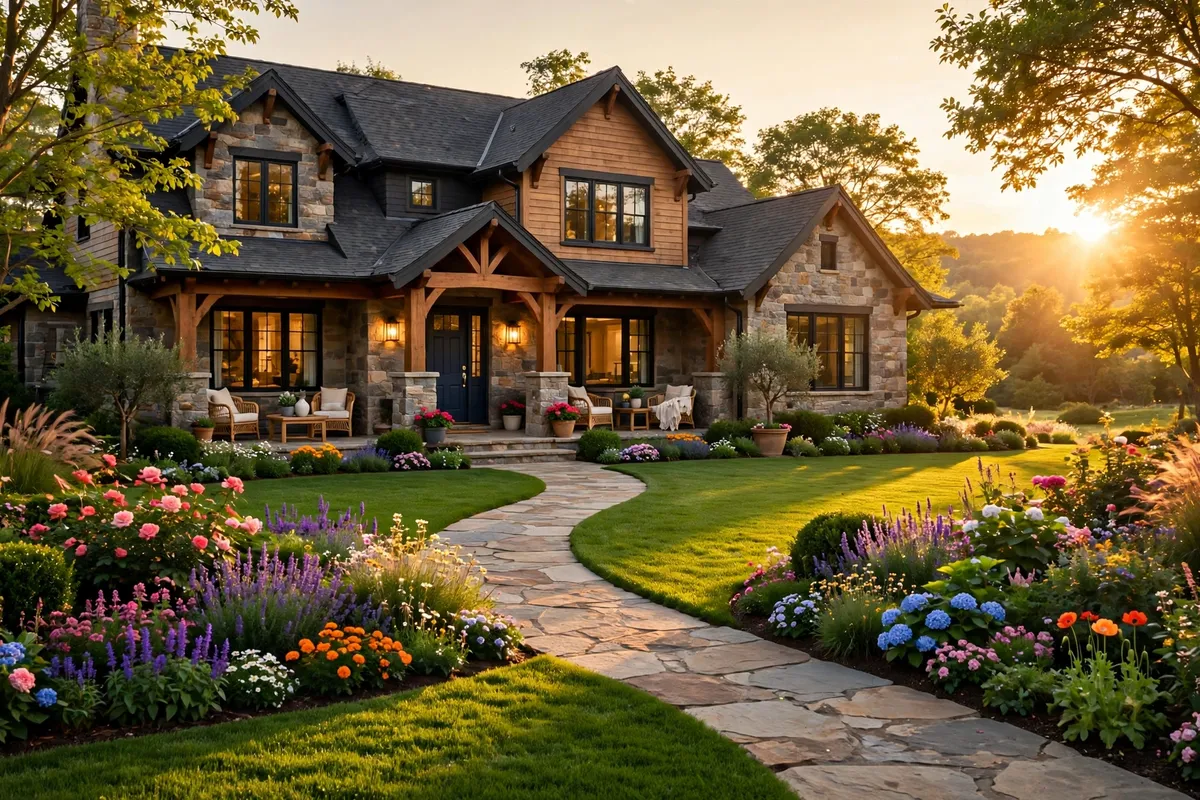
Quick Takeaways
- Edges and mulch first: a crisp spade-cut edge plus one dark mulch color is the cheapest way to make any lawn look designed.
- Repeat, don’t collect: hold the hardscape to two materials and plant in odd-numbered groups for instant cohesion.
- Light the features, not the runway: uplight a tree or two instead of lining the whole walk with solar stakes.
- One focal point per view: a statement tree, fountain, or bench vignette gives the eye somewhere to land.
- Design the whole property: front yard for curb appeal, side yard for flow, back lawn for living.
Your lawn is the frame around your house — and like any good frame, it should make what’s inside look its best. The good news is that a stunning lawn rarely comes down to money. Landscapers will tell you (quietly) that what reads as “expensive” is mostly geometry, repetition, and clean edges: a curved path instead of a straight slab, mulch in one color instead of three, plants in groups instead of onesies.
This list pulls together 25 house lawn design ideas that work across the whole property — the front yard that greets the street, the side yard everyone forgets, and the back lawn where life actually happens. Many cost less than a dinner out; a few are weekend projects. Pick the one that made you pause, start there, and build outward.
1. A Curved Stone Pathway to the Front Door
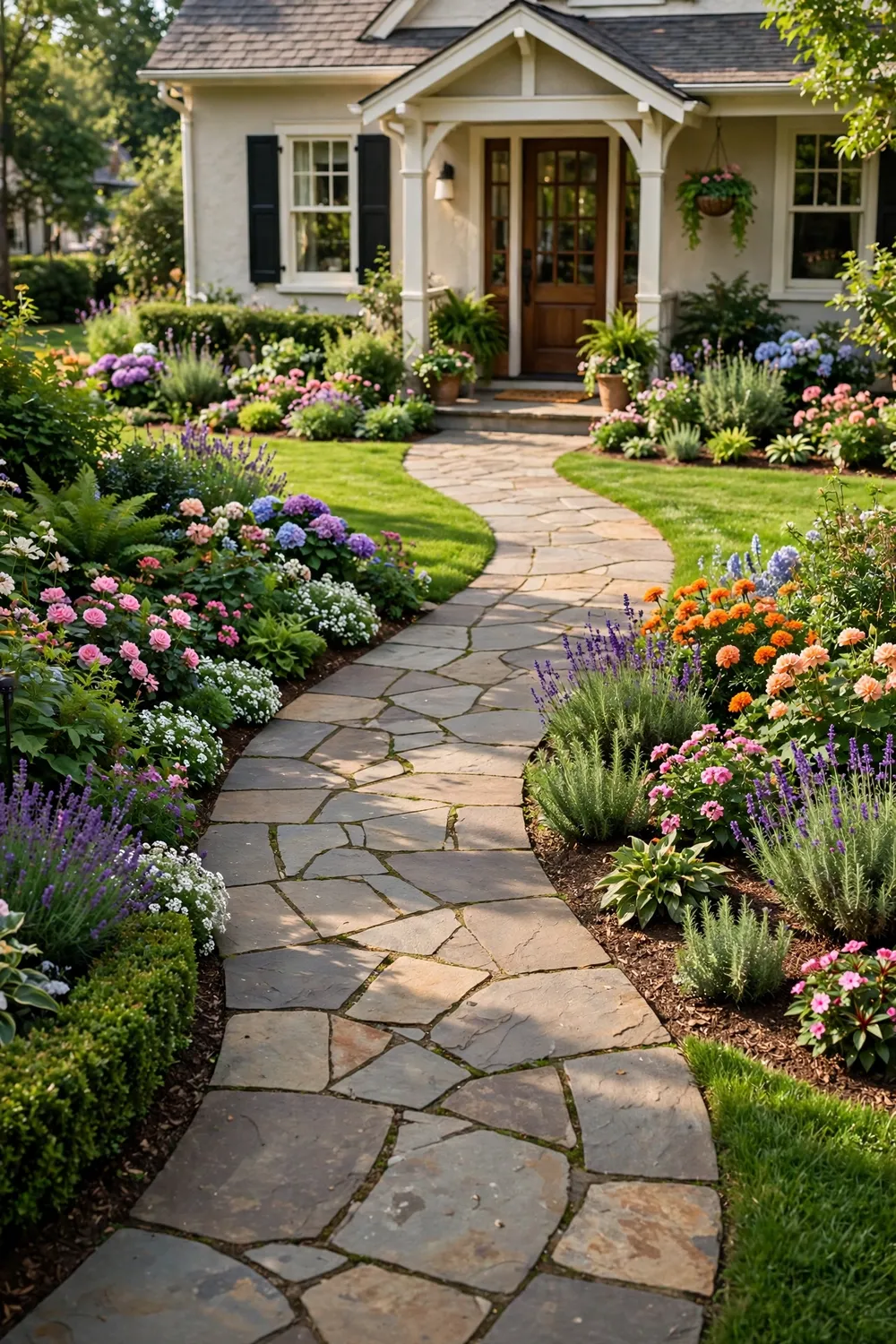
A straight concrete walk says “builder grade.” A gentle curve says “someone designed this.” Flagstone, pavers, or even pea gravel laid in a soft S-curve slows the eye down and makes the approach feel intentional. Lay out the line with a garden hose first, step back to the street, and adjust until it reads right from where visitors actually see it. For more small-space path inspiration, see these creative lawn design ideas for small yards. For dedicated walkway inspiration, browse these 15 inspiring walkway landscaping ideas for a beautiful front yard.
2. Deep, Layered Foundation Beds
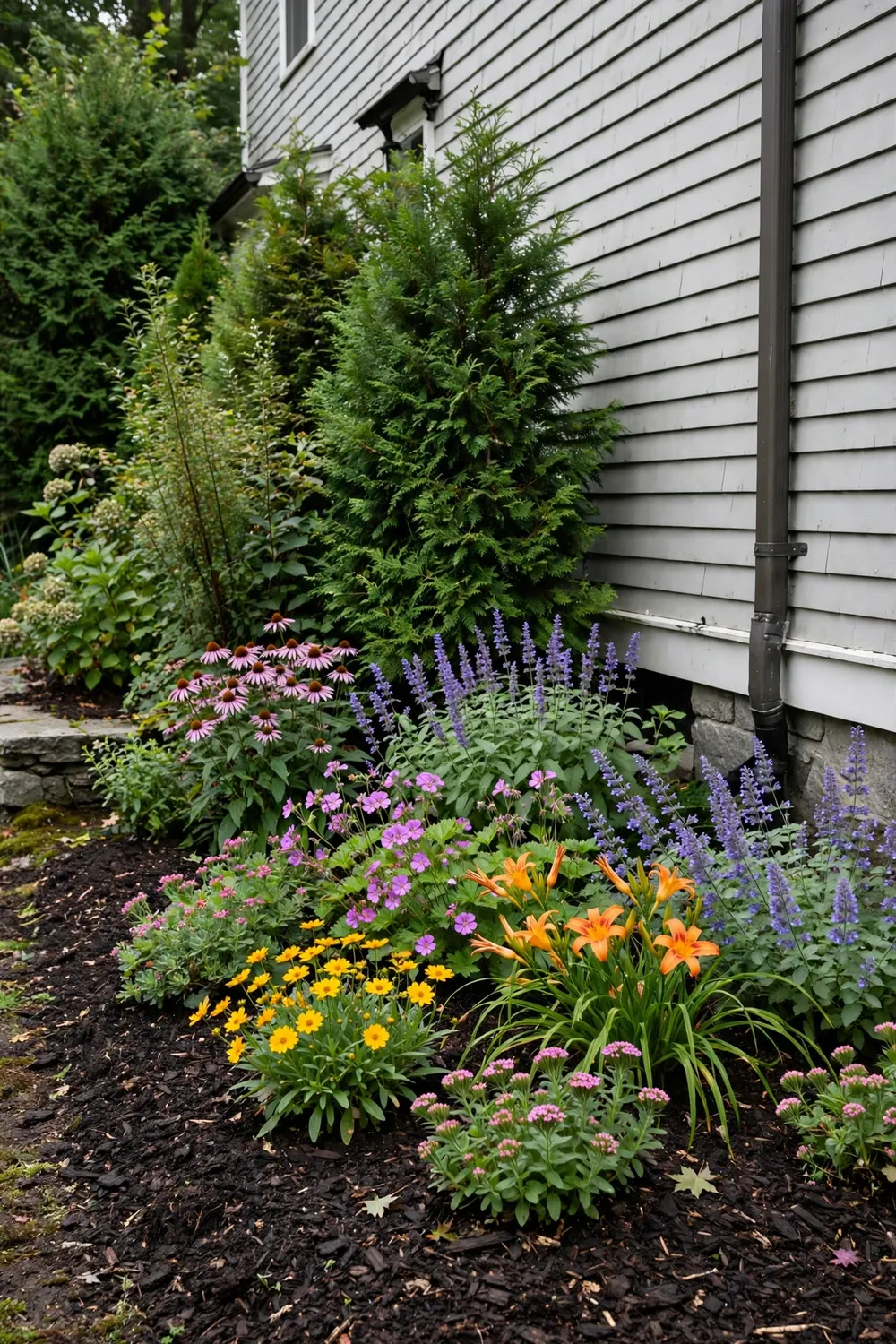
The 18-inch strip of mulch hugging the foundation is the universal signature of a rushed job. Push those beds out to four or six feet and the house suddenly has a base instead of a collar. Layer tall shrubs at the back, mid-size perennials in the middle, and low groundcover at the front. Bonus: deeper beds mean less lawn to mow, water, and fertilize — the bed pays you back every week. These front yard flower bed ideas show how layered plantings create that lush, welcoming look.
3. Symmetrical Boxwood Framing the Entrance
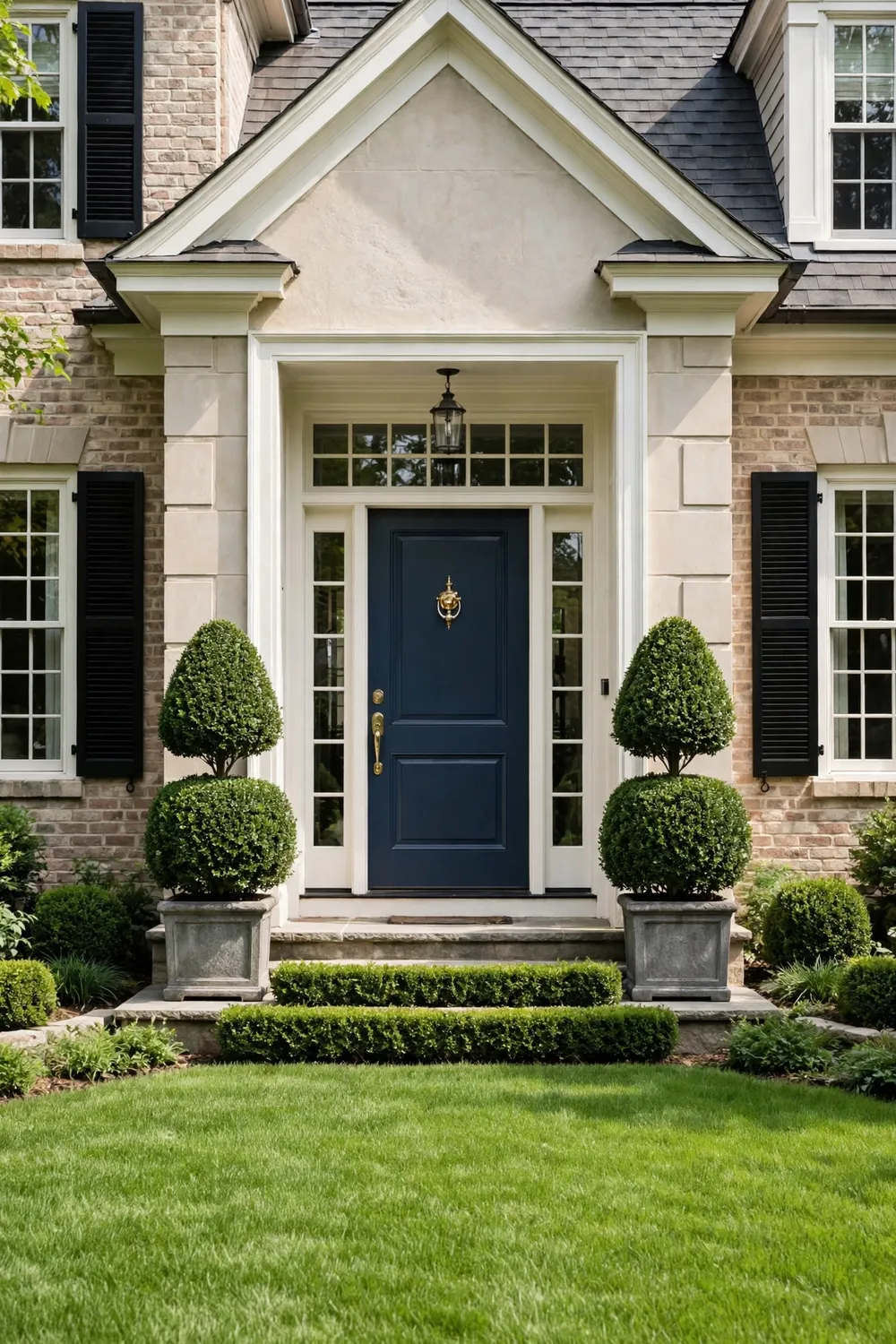
Nothing telegraphs “finished” like symmetry at the front door. A matching pair of clipped boxwoods — in planters or in the ground — flanks the entrance and gives the whole facade balance. Boxwood is forgiving, evergreen, and easy to shear into shape once a year. If boxwood blight is a concern in your area, Japanese holly shears just as neatly. Pet note: boxwood leaves are toxic to dogs and cats if chewed — worth knowing before planting where pets roam.
4. Warm Solar Path Lights
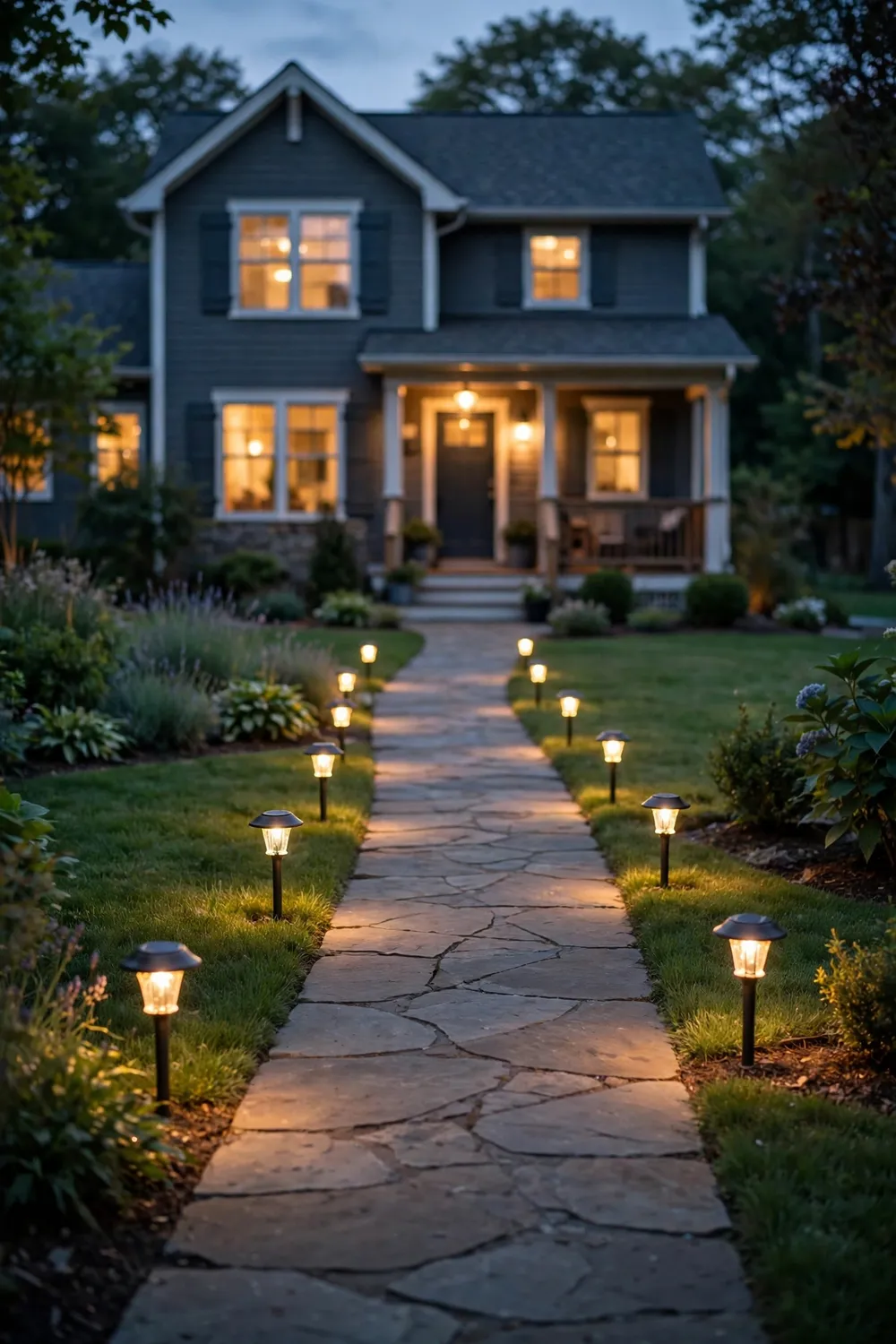
Lighting changes the entire feel of a lawn after dark — but skip the blue-white “airport runway” look. Choose warm-white solar stakes (2700–3000K) and use fewer than you think you need: clusters near the entry, a couple at a tree base, a few along bed edges. They charge by day, switch on by themselves, and cost nothing to run.
5. One Dark Mulch Color, Everywhere
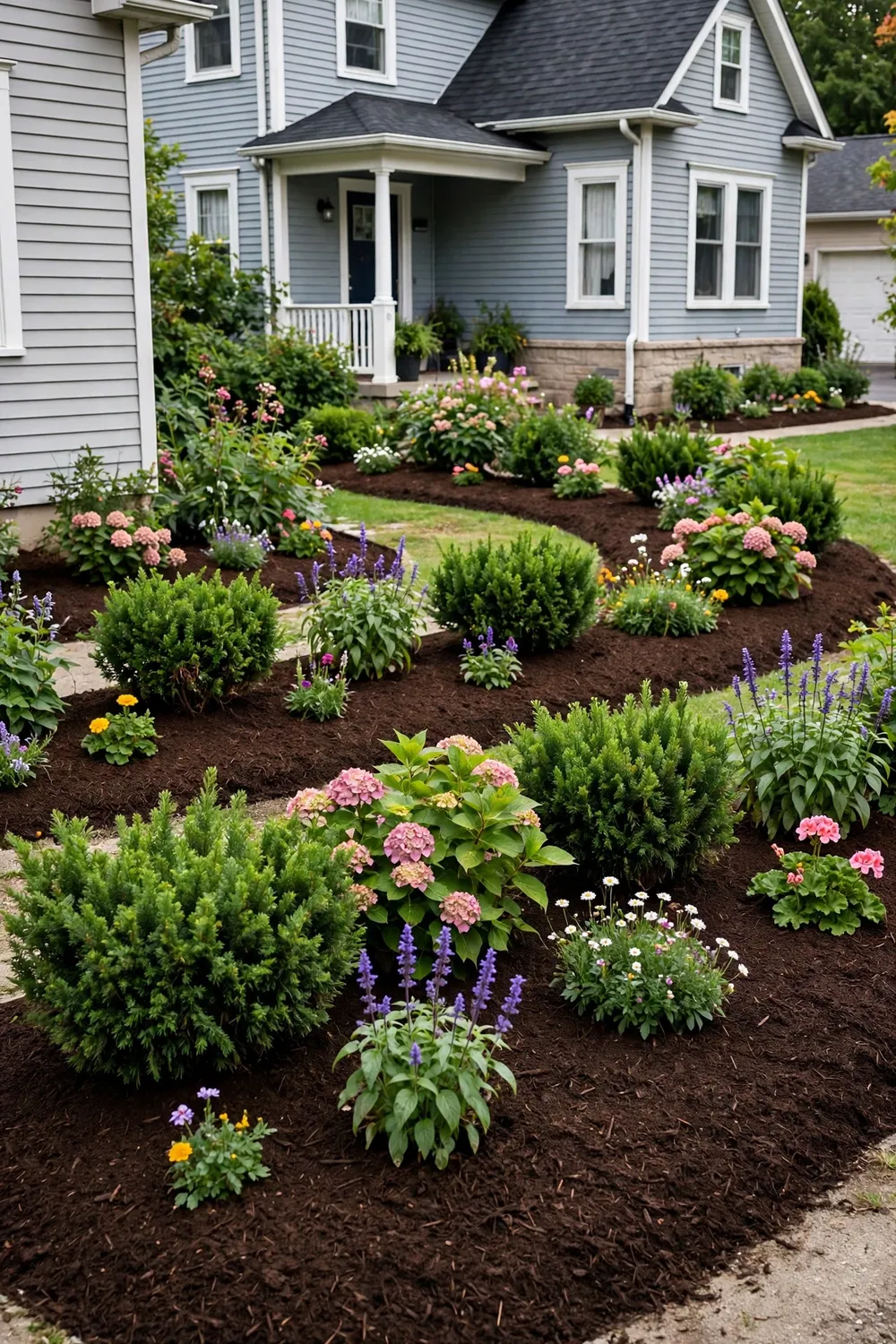
Red mulch at the mailbox, black by the porch, leftover brown around the tree — that’s three weekend projects, and your yard says so. Pick one dark brown and use it in every bed. Unity is the whole trick: two to three inches suppresses weeds and holds moisture. Just keep it pulled back from trunks — the dreaded “mulch volcano” suffocates bark. Prefer stone over bark? These river rock landscaping ideas are a handsome, low-maintenance alternative to mulch.
6. Crisp Spade-Cut Bed Edges
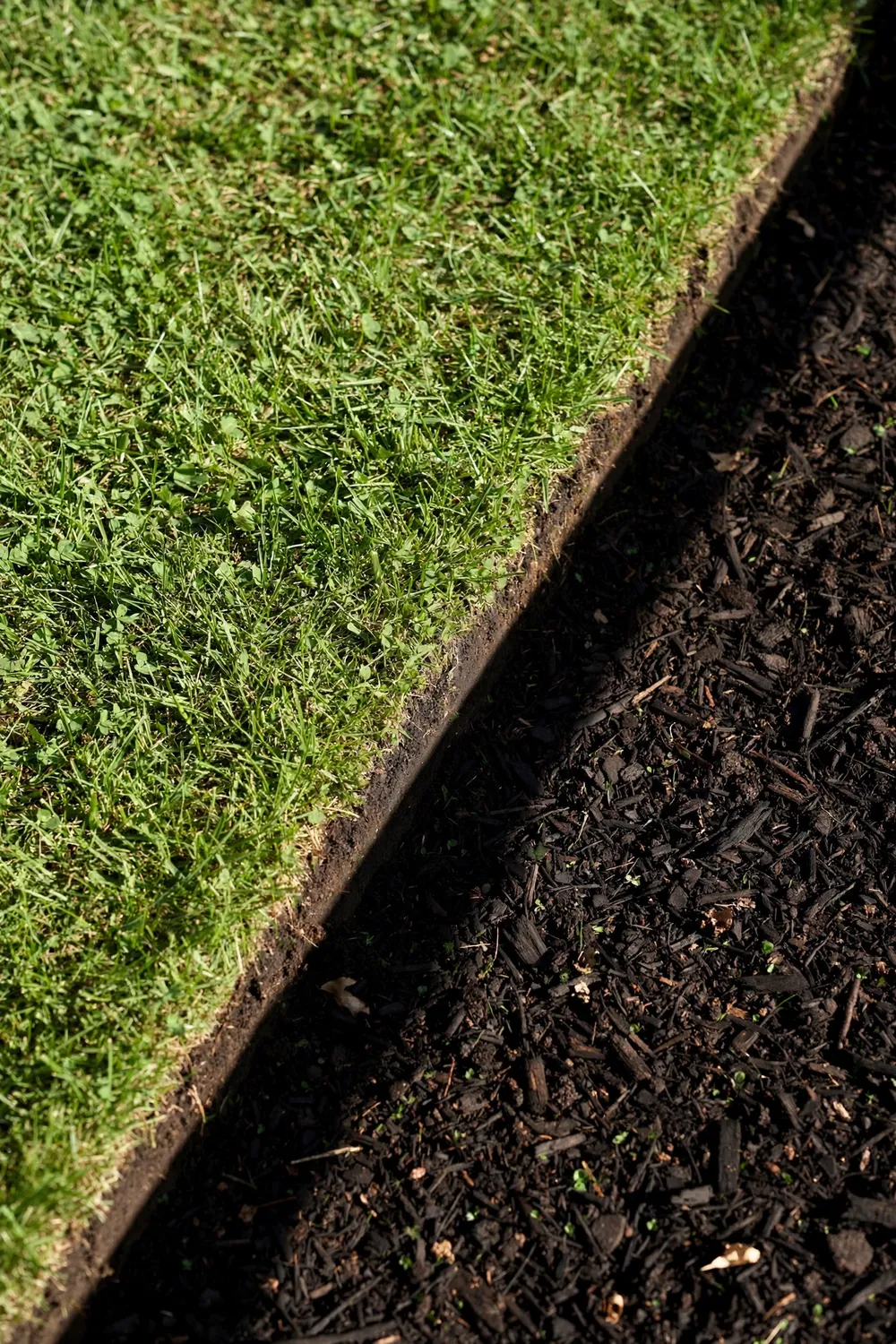
If you do one thing this weekend, make it this: cut a clean V-shaped trench, about four inches deep, between lawn and bed. The hard shadow line reads as a deliberate boundary, and it holds mulch where you put it instead of letting it creep into the grass. A half-moon edger costs about $30, and a typical front bed takes under an hour.
7. A Statement Tree as the Focal Point
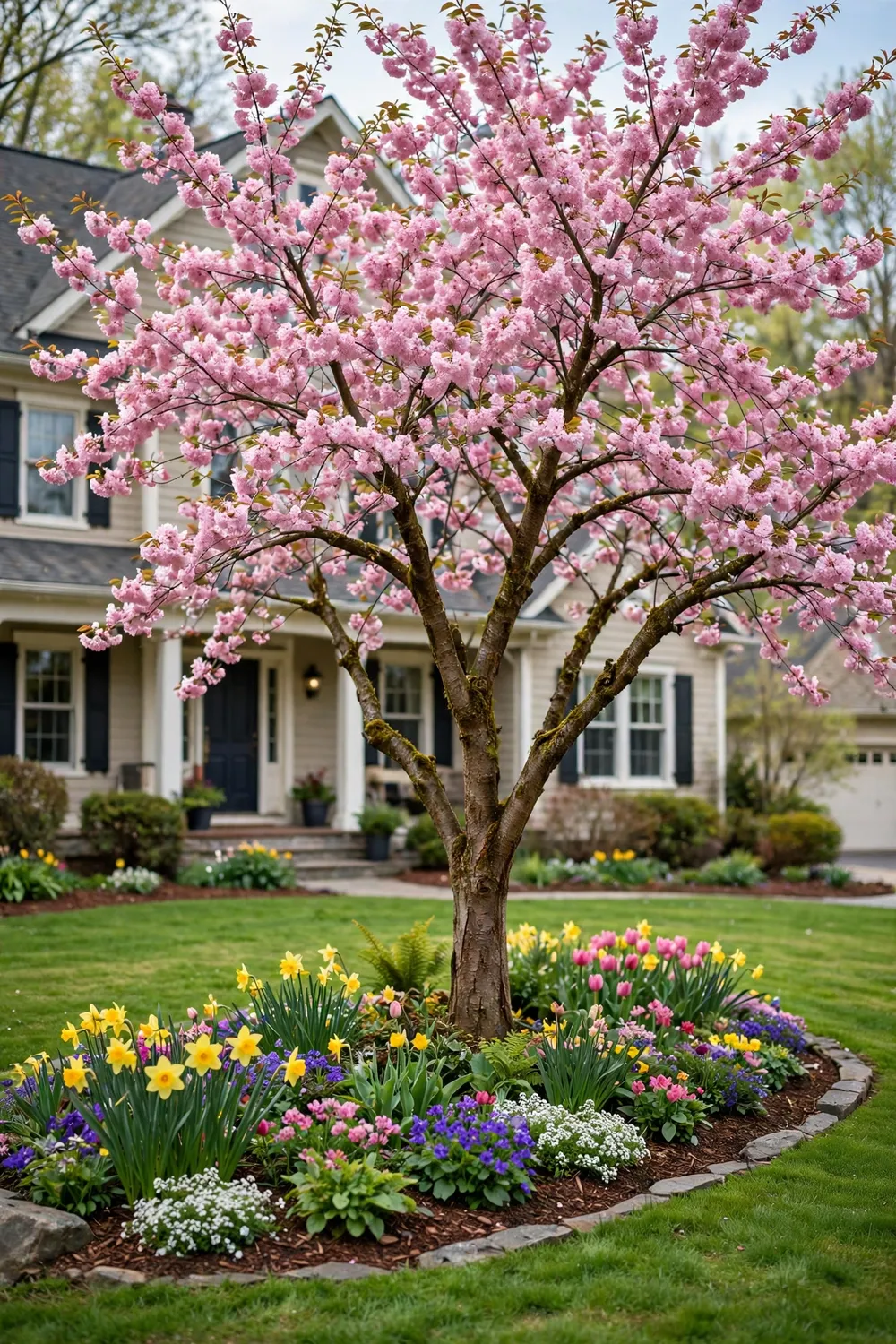
Every great lawn has one thing your eye lands on first. A small ornamental tree — Japanese maple, dwarf cherry, crape myrtle — gives you height, seasonal change, and structure in a single planting. Set it in a generous curved bed (not a tiny mulch circle), limb up the lowest branches to reveal the trunk, and let it anchor the whole design.
8. Drifts of Ornamental Grass
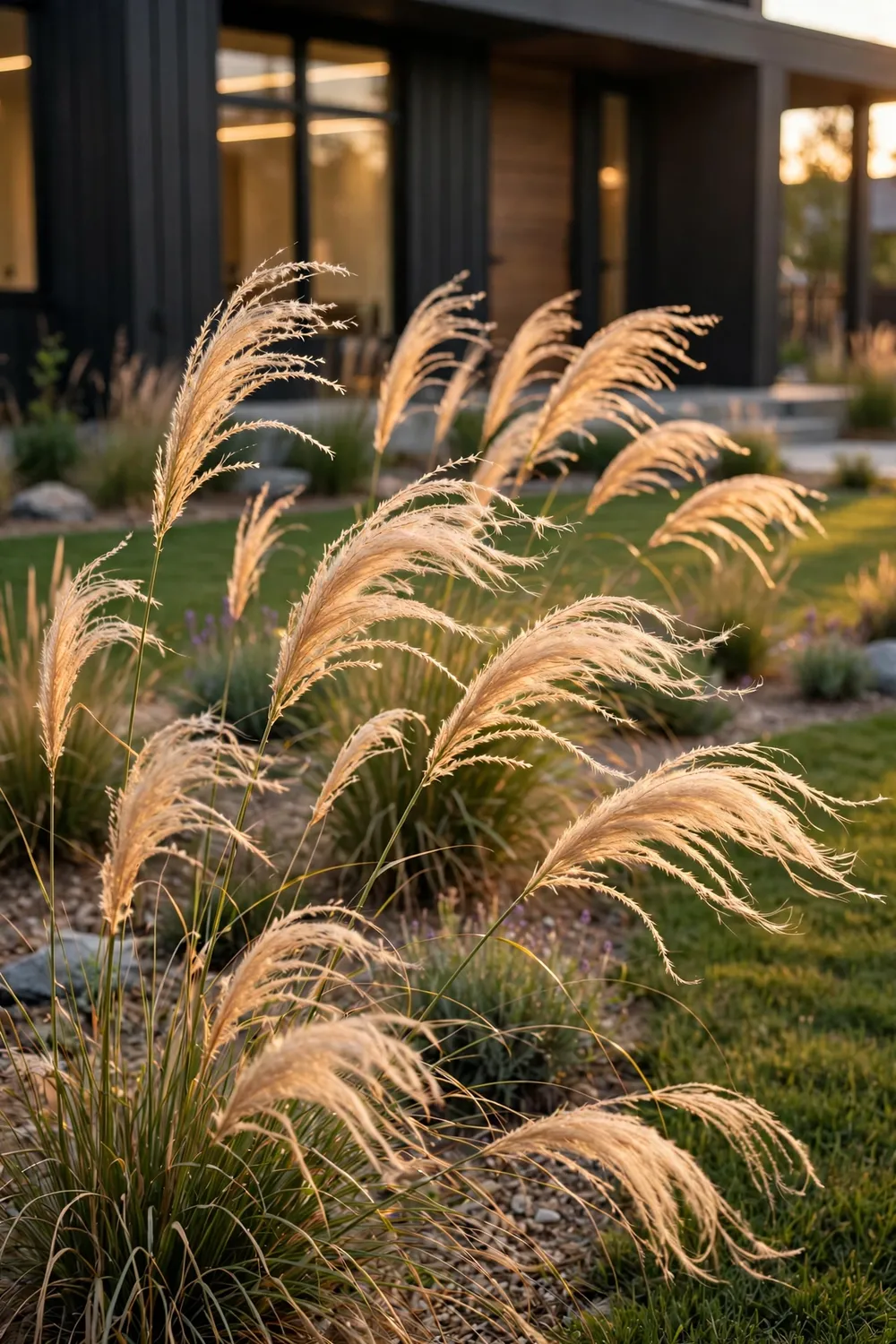
Look at the landscaping around any upscale new development: it’s half grasses. They fill space fast, move beautifully in wind, and hold structure through winter when perennials collapse. A shrub takes five years to earn its spot; a grass earns it in one season. Plant in drifts of five or seven, and cut back hard once in early spring.
9. Oversized Planters Flanking the Porch
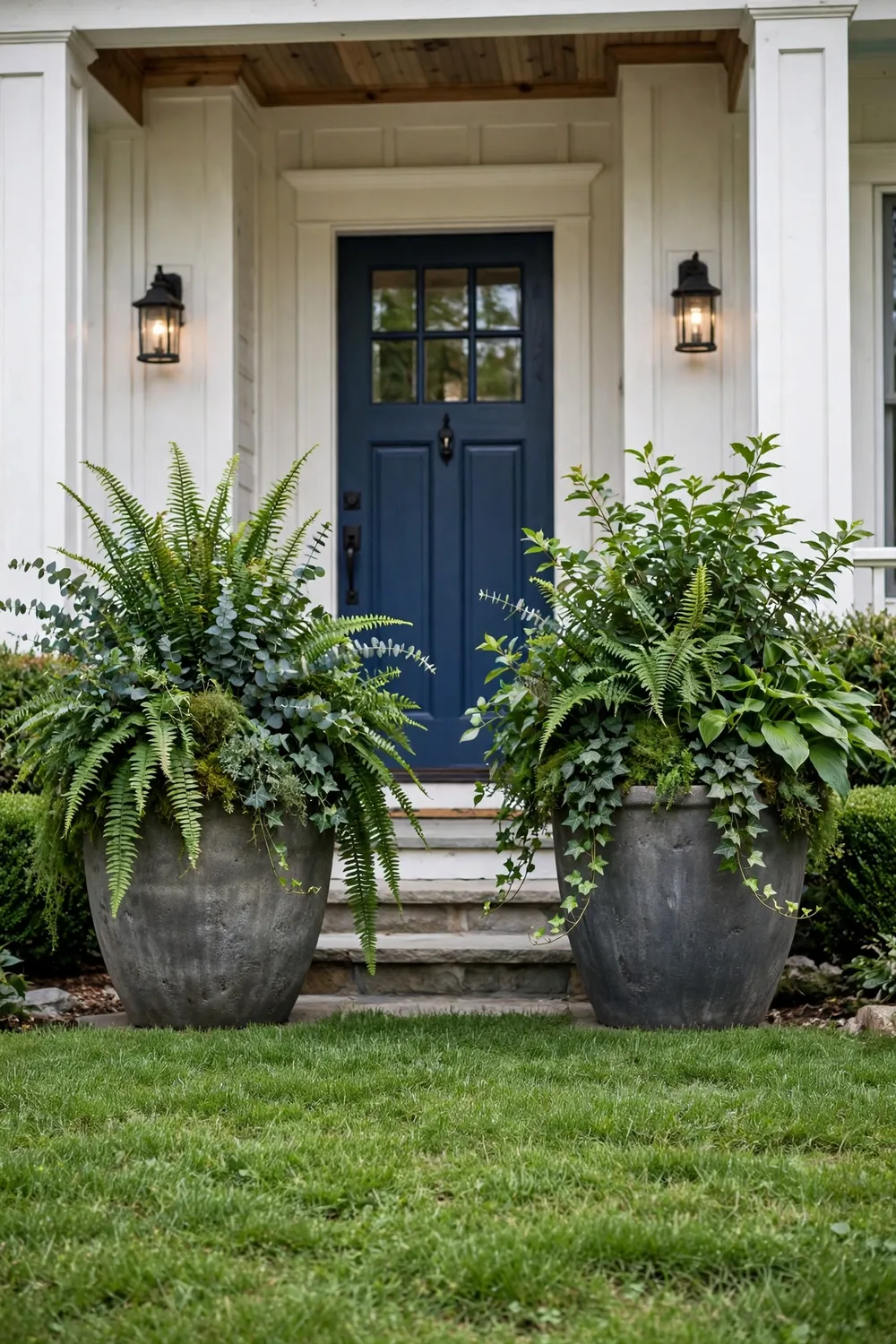
Scale is where most porches go wrong: six tiny pots scattered around look like clutter, while one 20-inch planter beside the door looks placed. Big pots also hold more soil, so plants don’t cook by August. Spend the same $60 on one good container instead of six small ones, and fill it with a thriller, fillers, and spillers for instant polish.
10. A Small Bubbling Fountain
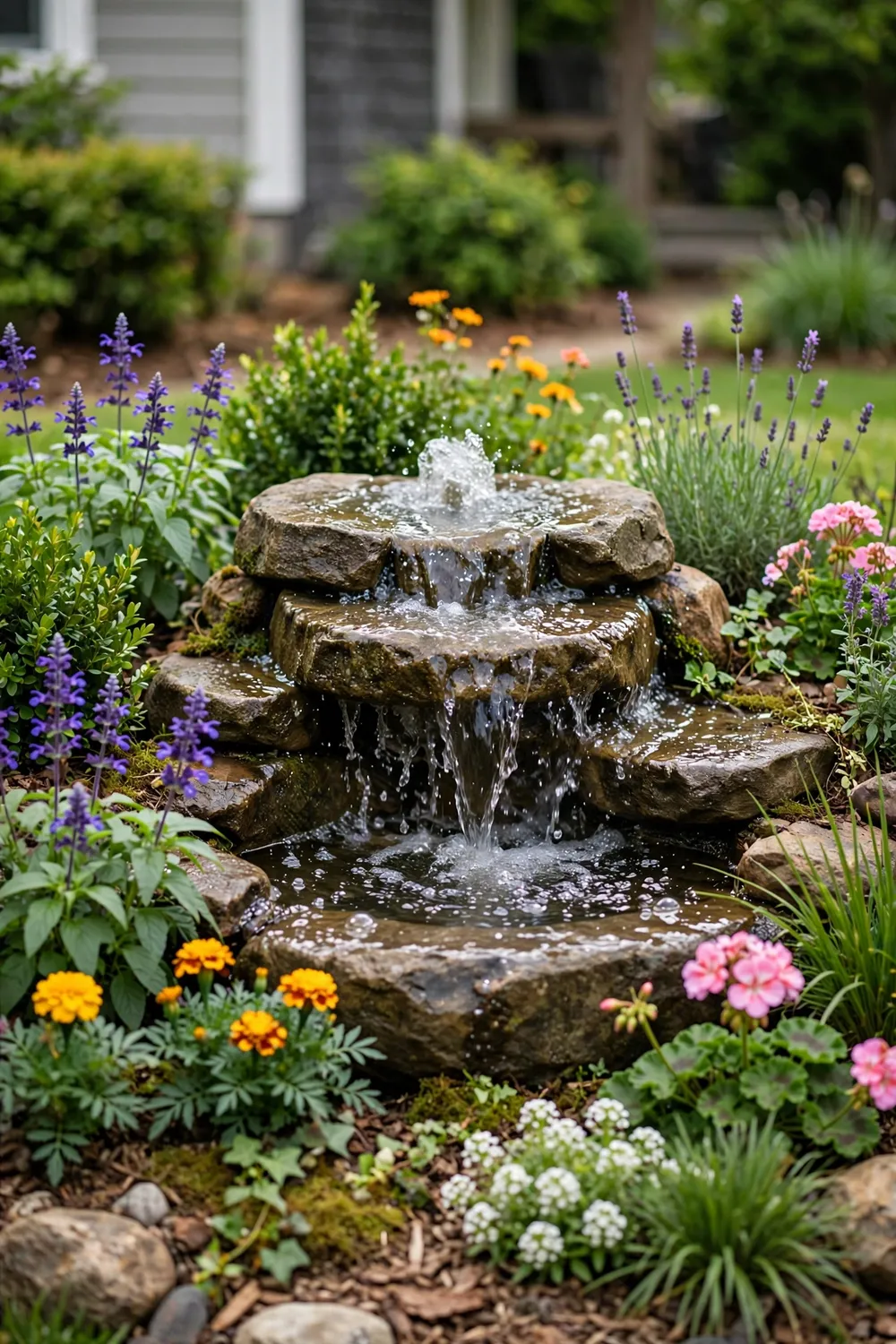
Water is a cheat code for perceived luxury. A small bubbling rock or urn fountain costs a fraction of a pond, needs no plumbing beyond a GFCI-protected outdoor outlet, and the sound of moving water makes the whole yard feel serene. Tuck it into a bed near the entrance or patio where you’ll actually hear it — and where visitors see it first.
11. Window Boxes and Classic Shutters
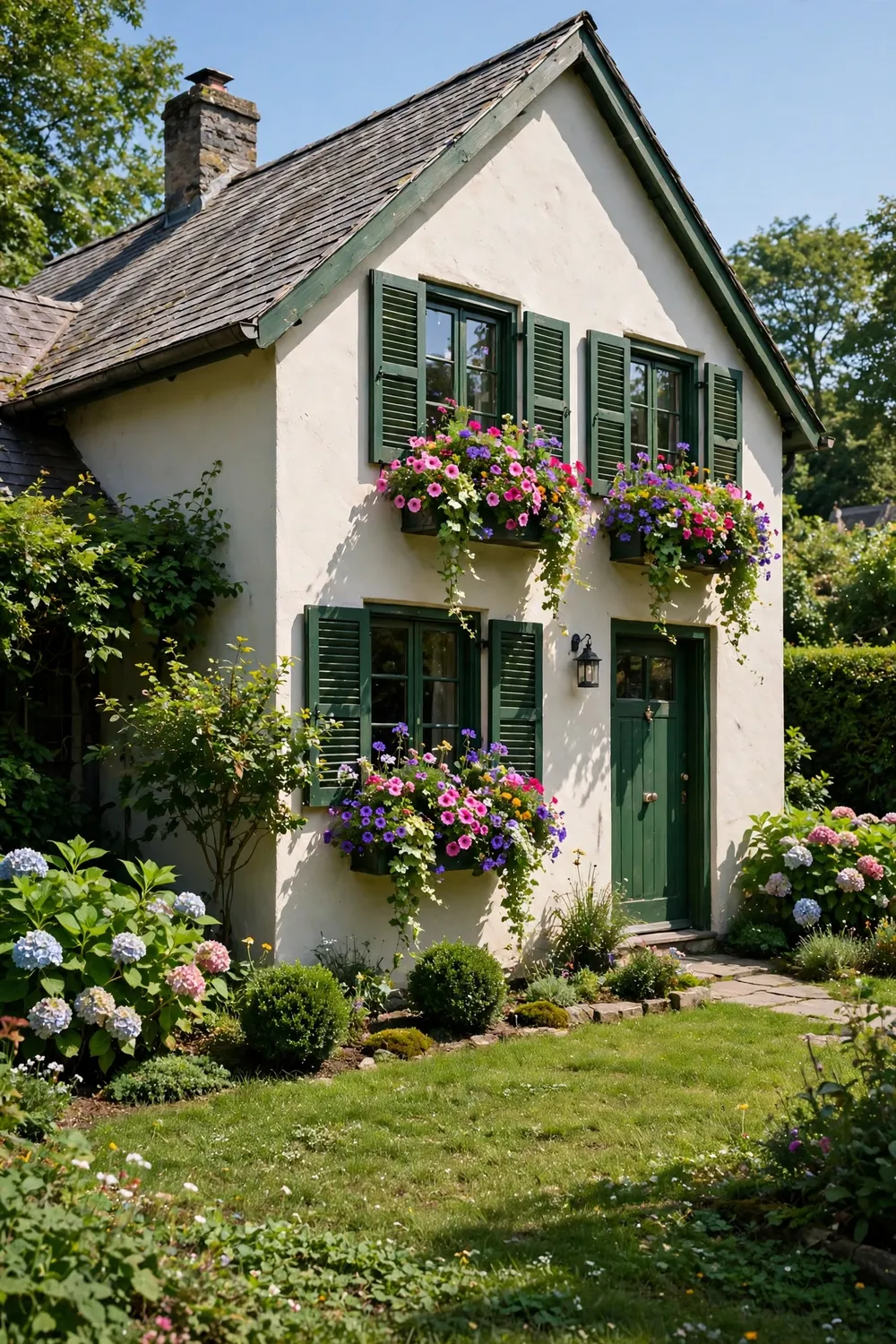
If your facade feels flat, dress the windows. Cedar or painted window boxes spilling with seasonal color add charm that reads from the street, and they’re one of the cheapest facade upgrades around. Match the box style to your shutters, keep the planting simple (one color reads richer than a rainbow), and add a drip line if you’ll forget to water.
12. A Herringbone Brick Patio Nook
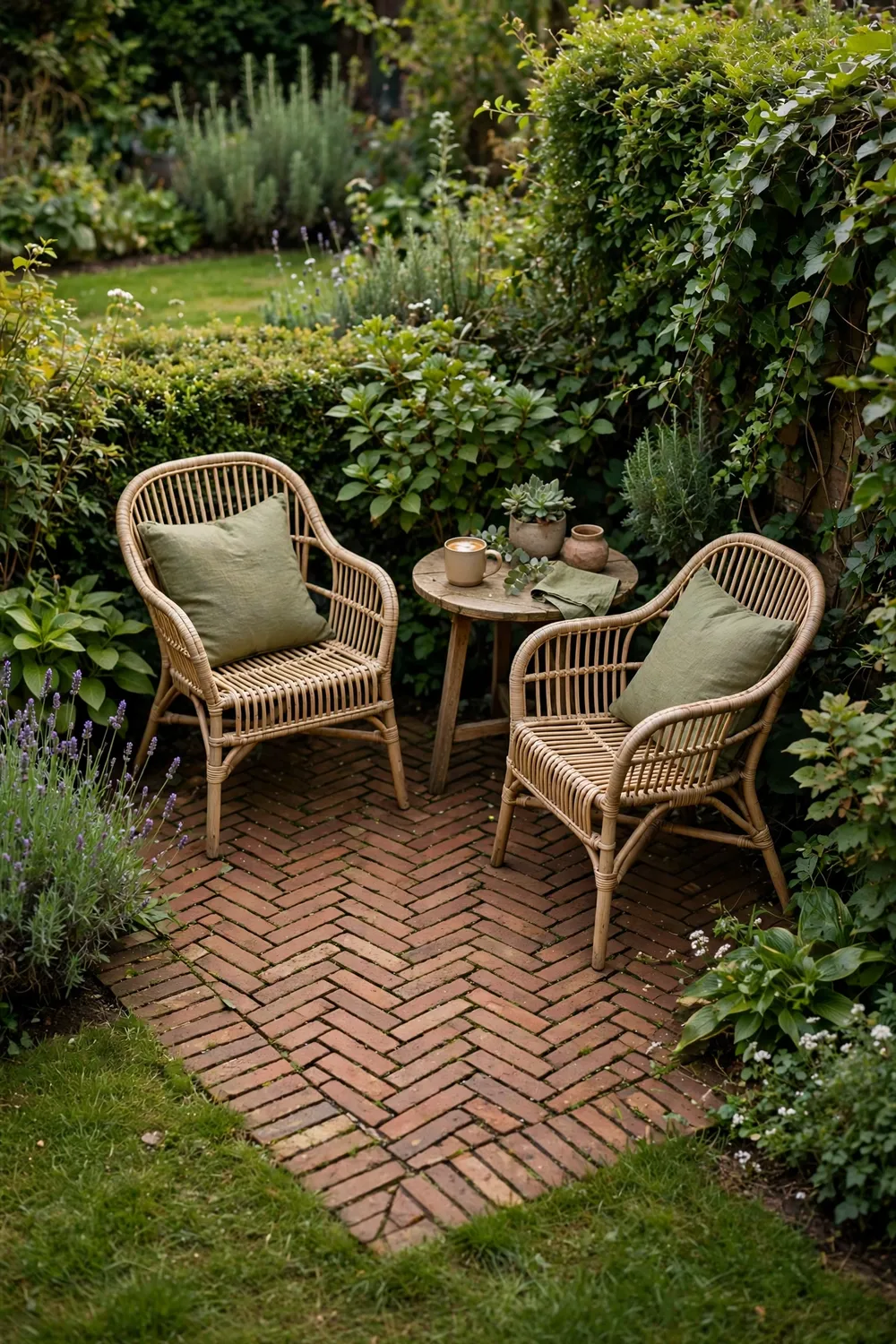
You don’t need a full patio to get outdoor living — a small brick nook tucked into the lawn, just big enough for two chairs and a coffee, creates a destination. The herringbone pattern is the trick: it makes a small area feel crafted rather than leftover. Edge it with steel or stone so the bricks stay put for years.
13. A Fire Pit Gathering Circle
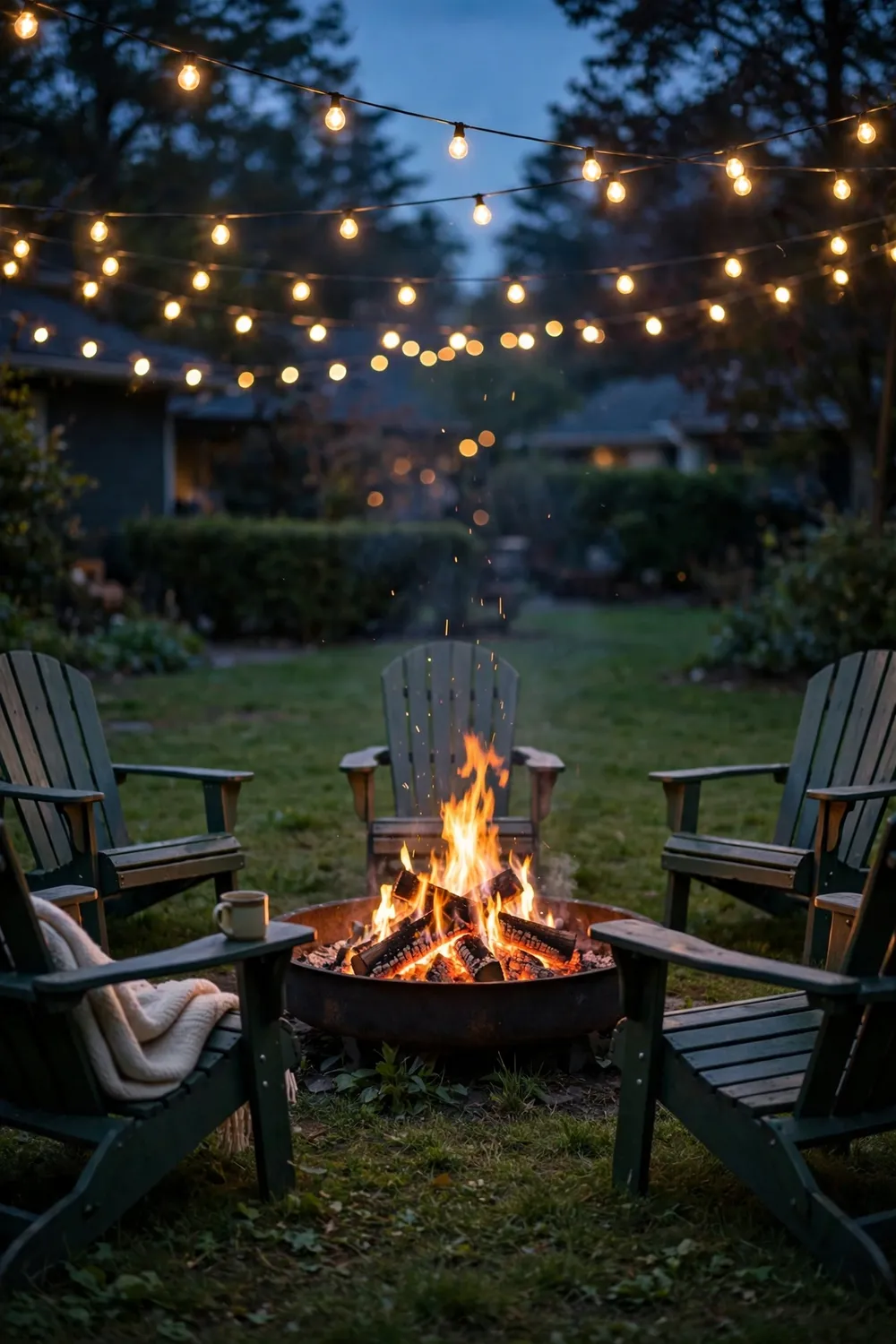
A lawn becomes a living room the moment there’s fire. A simple steel or stone fire pit ringed with seating turns an unused back corner into the most popular spot in the house from spring through fall. Keep it at least 10 feet from the house and any overhanging branches, and lay a gravel or paver base so you’re not scorching the turf. Check local burn regulations before the first fire. Follow these easy steps to DIY fire pit landscaping to build your own gathering circle in a weekend.
14. A Pergola Draped in Flowering Vines
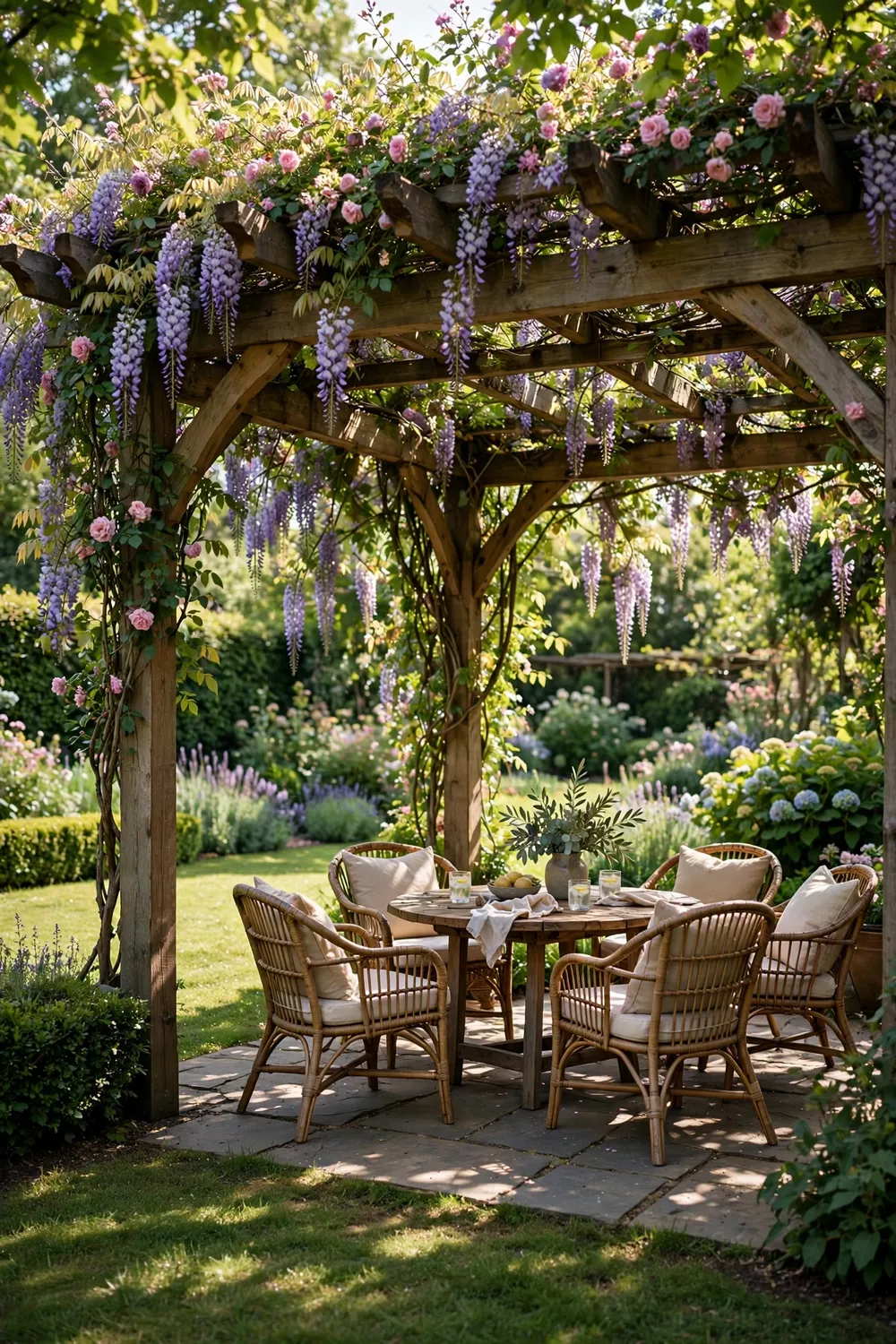
A pergola gives a flat lawn instant architecture — and a reason to linger. Train fast growers like clematis, jasmine, or climbing roses up the posts and within two seasons you’ll have dappled shade that smells incredible. Position it to frame a view (the garden, the sunset) rather than floating randomly in the middle of the grass.
15. String Lights Over the Lawn
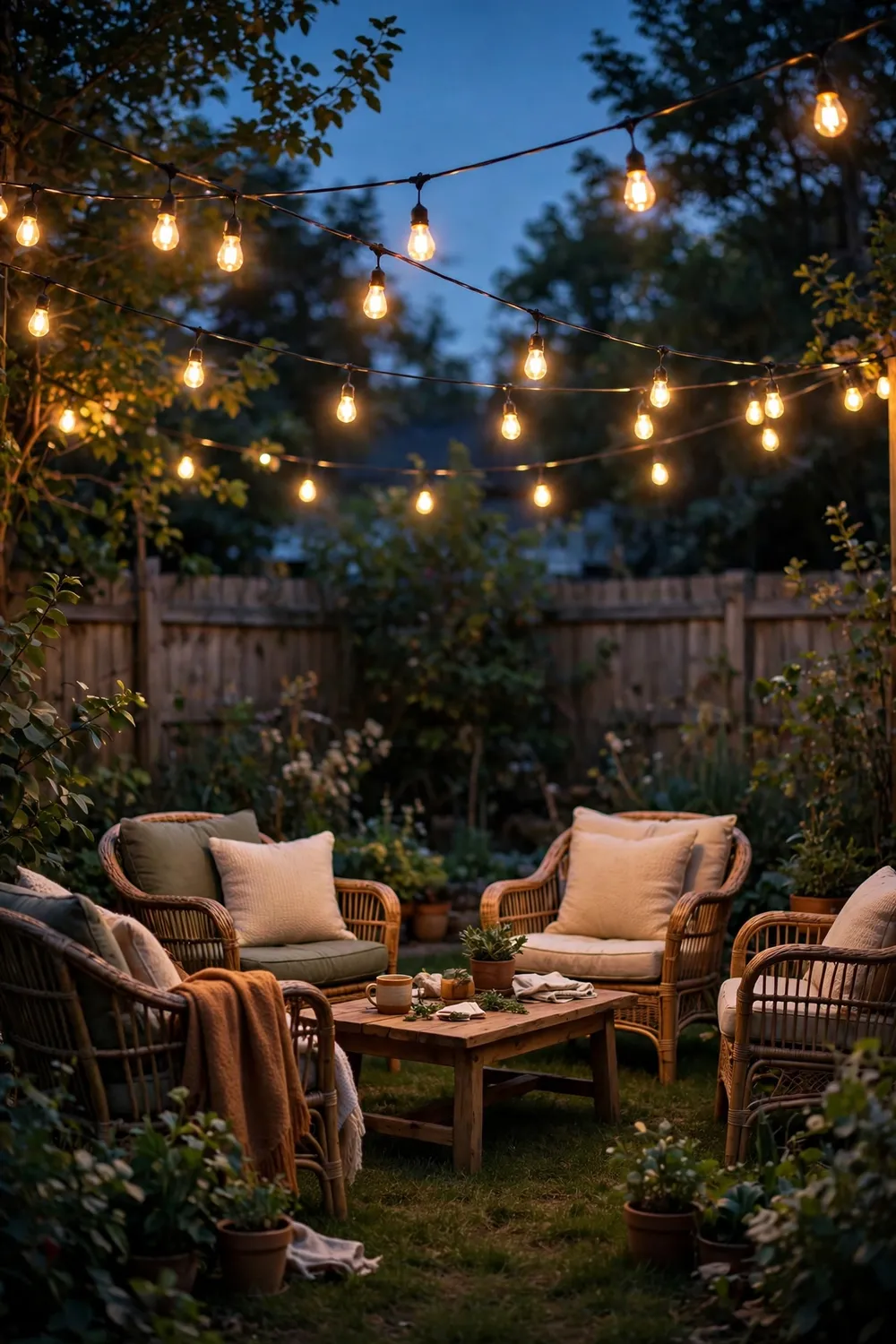
Few things transform a backyard faster than bistro lights strung overhead. They turn an ordinary lawn into an evening venue — for about the cost of a pizza night. Hang them in gentle swags between the house, a pergola, or sturdy poles, and choose warm-white, outdoor-rated LEDs. If you’re renting, freestanding poles in planters mean zero holes in anything. For more ways to make the back lawn feel like an escape, see these easy cottagecore backyard ideas for a cozy garden retreat.
16. A Wildflower Meadow Strip
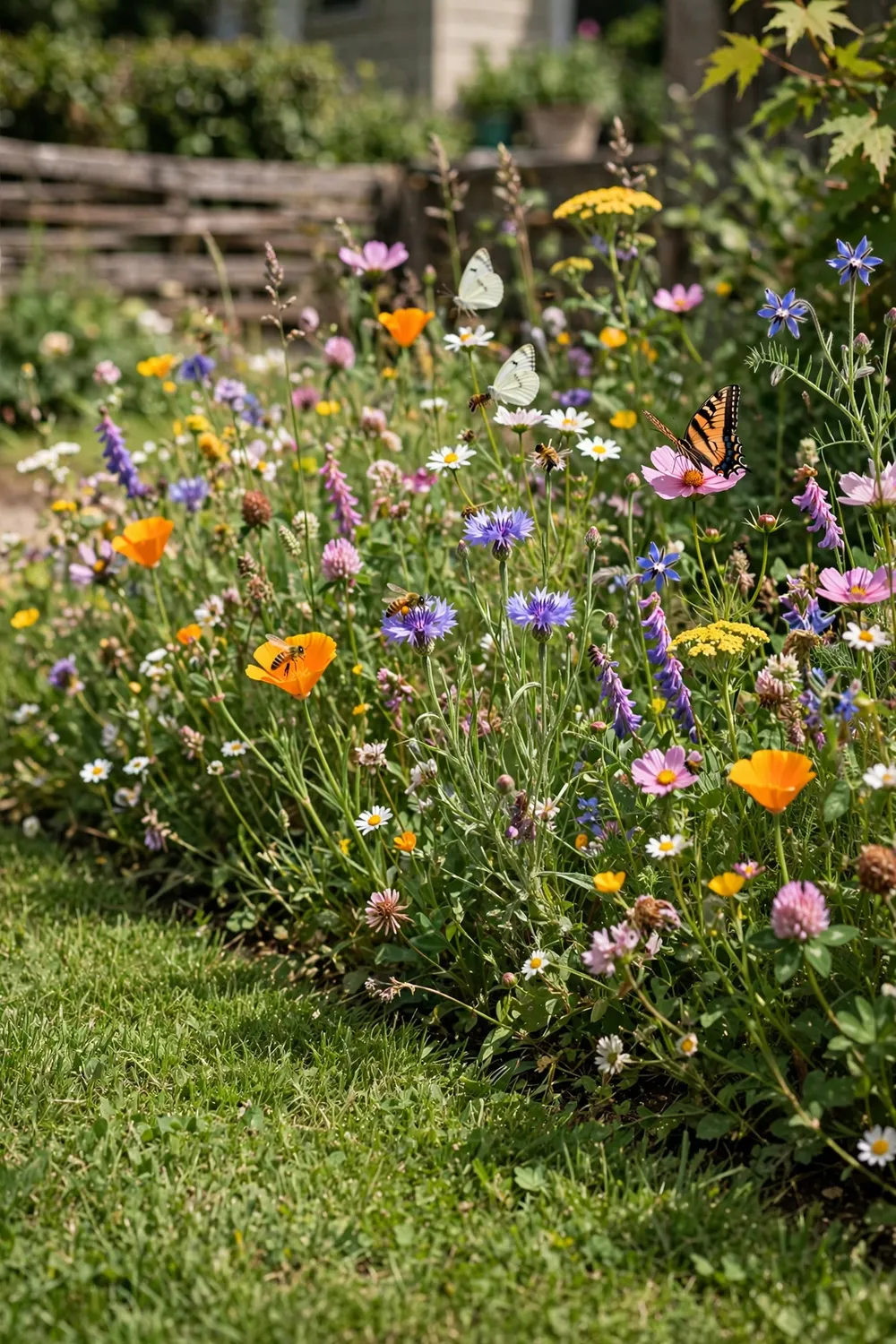
Trade a strip of thirsty turf for a wildflower meadow and you get color, pollinators, and practically zero mowing in one move. A 3-foot band along a fence or property edge is enough to make an impact. Sow a regional native mix in fall or early spring, mow it once a year, and let nature handle the rest. These cheap tricks behind expensive-looking yards include more ways to shrink the lawn beautifully.
17. A Gravel and Succulent Dry Garden
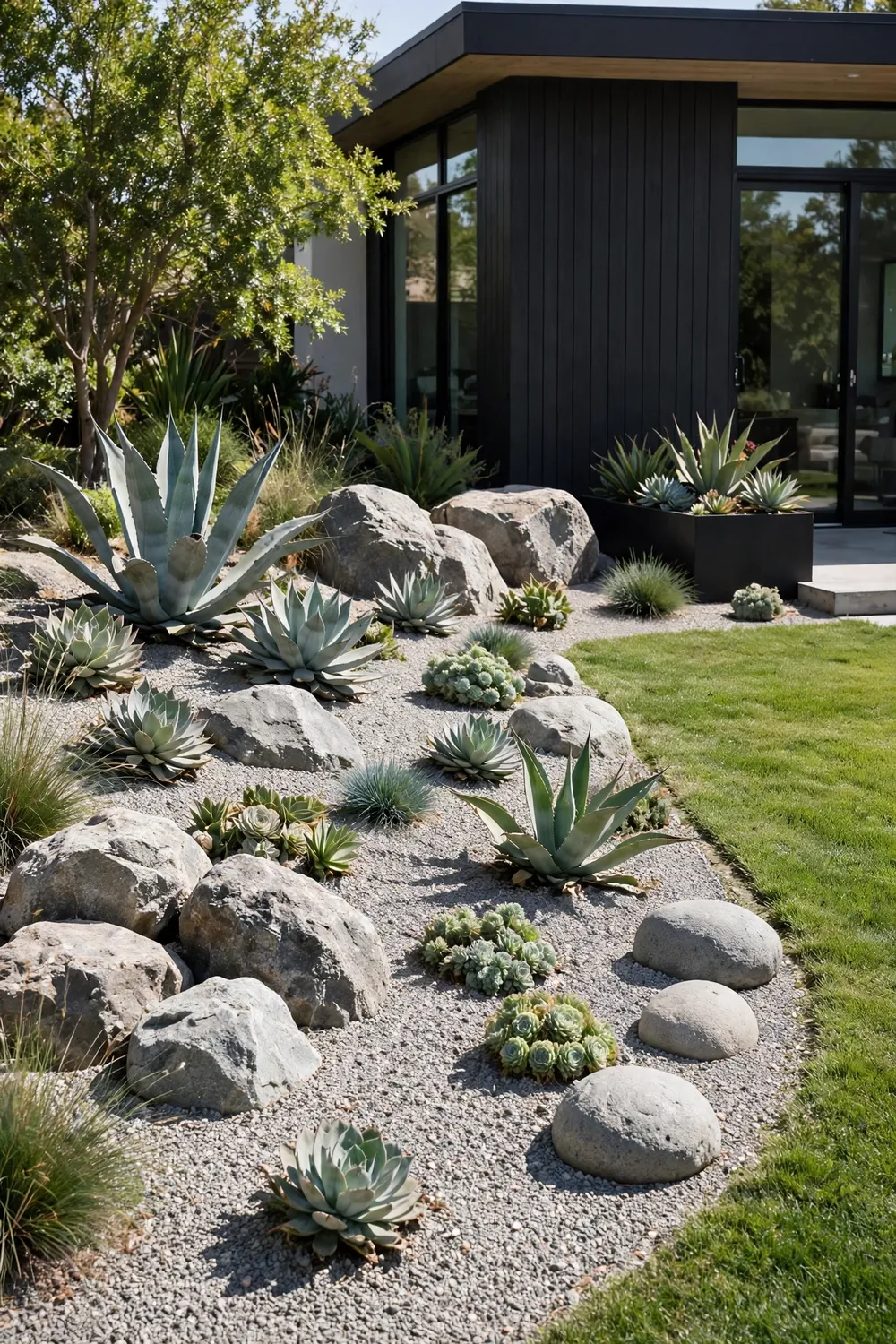
In hot or dry climates, fighting for a perfect lawn is a losing battle — so design around it. A gravel bed with sculptural agaves, sedums, and a few well-placed boulders looks intentional and modern while sipping water. Contain the gravel with steel edging, lay landscape fabric beneath, and let the remaining lawn be the green accent rather than the whole story.
18. A Japanese-Inspired Rock Corner
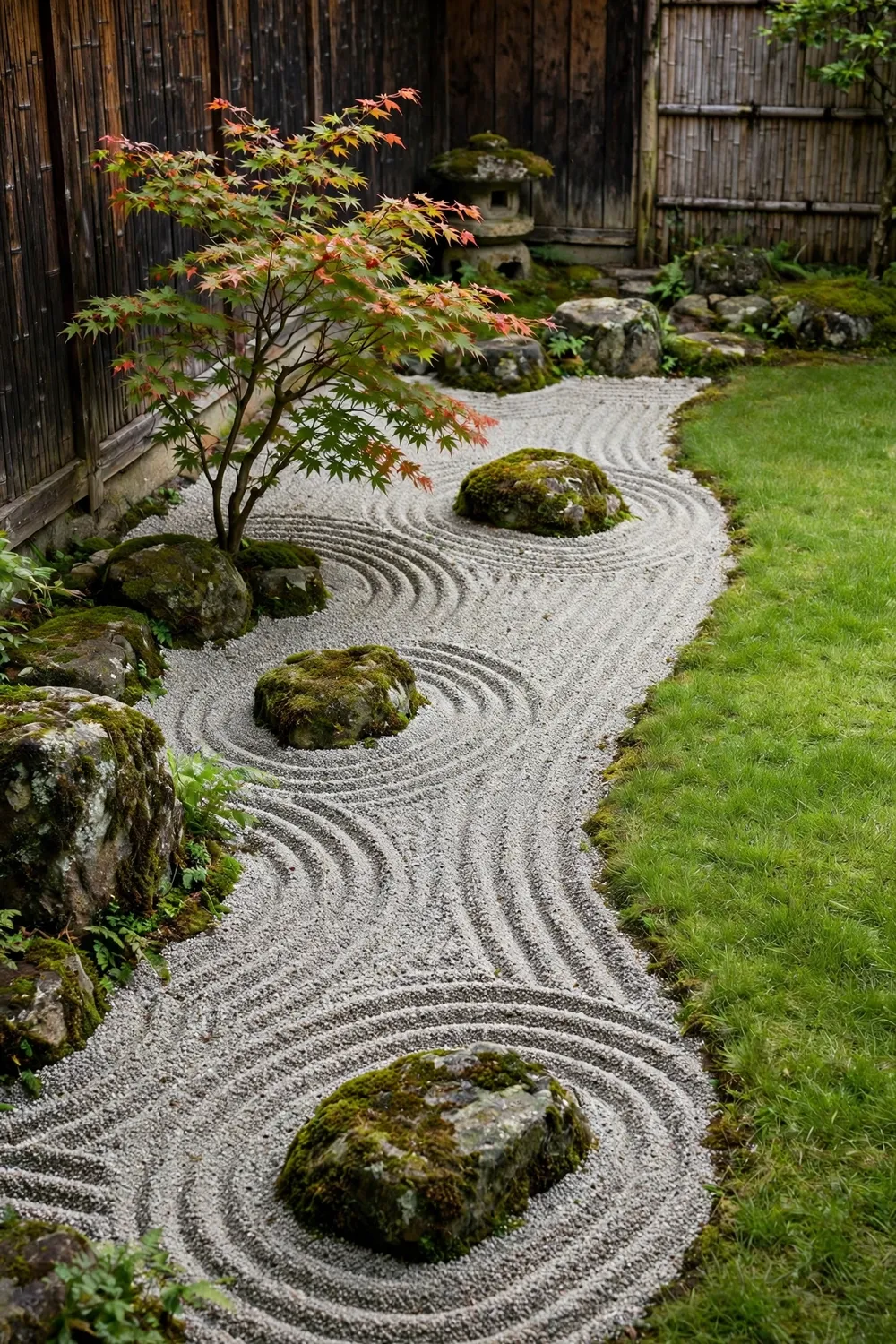
A quiet corner beats a busy one. Raked gravel, a few mossy stones, and one small maple create a moment of calm that contrasts beautifully with an active lawn. It needs almost no water and never needs mowing — perfect for that awkward shady spot where grass refuses to grow. Keep the palette to stone, green, and one accent.
19. Stepping Stones Through the Side Yard
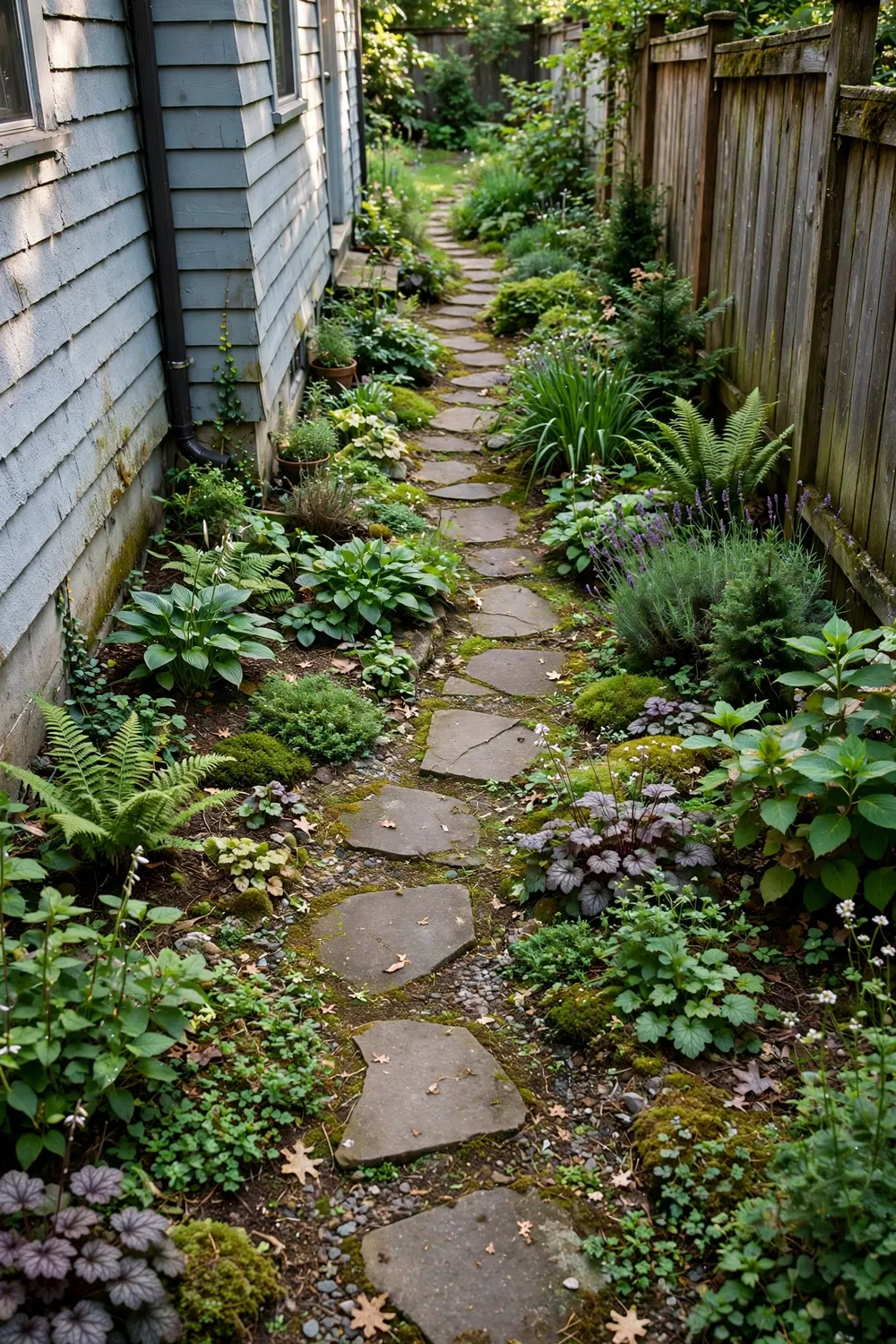
The side yard is the most wasted space on most properties — a muddy dash between gate and backyard. A simple run of stepping stones flanked by shade-tolerant planting turns it into a garden walk instead of a shortcut. Space stones about 24 inches apart for a comfortable stride, and tuck low groundcover like creeping thyme between them to soften the joints.
20. A Tall, Living Privacy Hedge
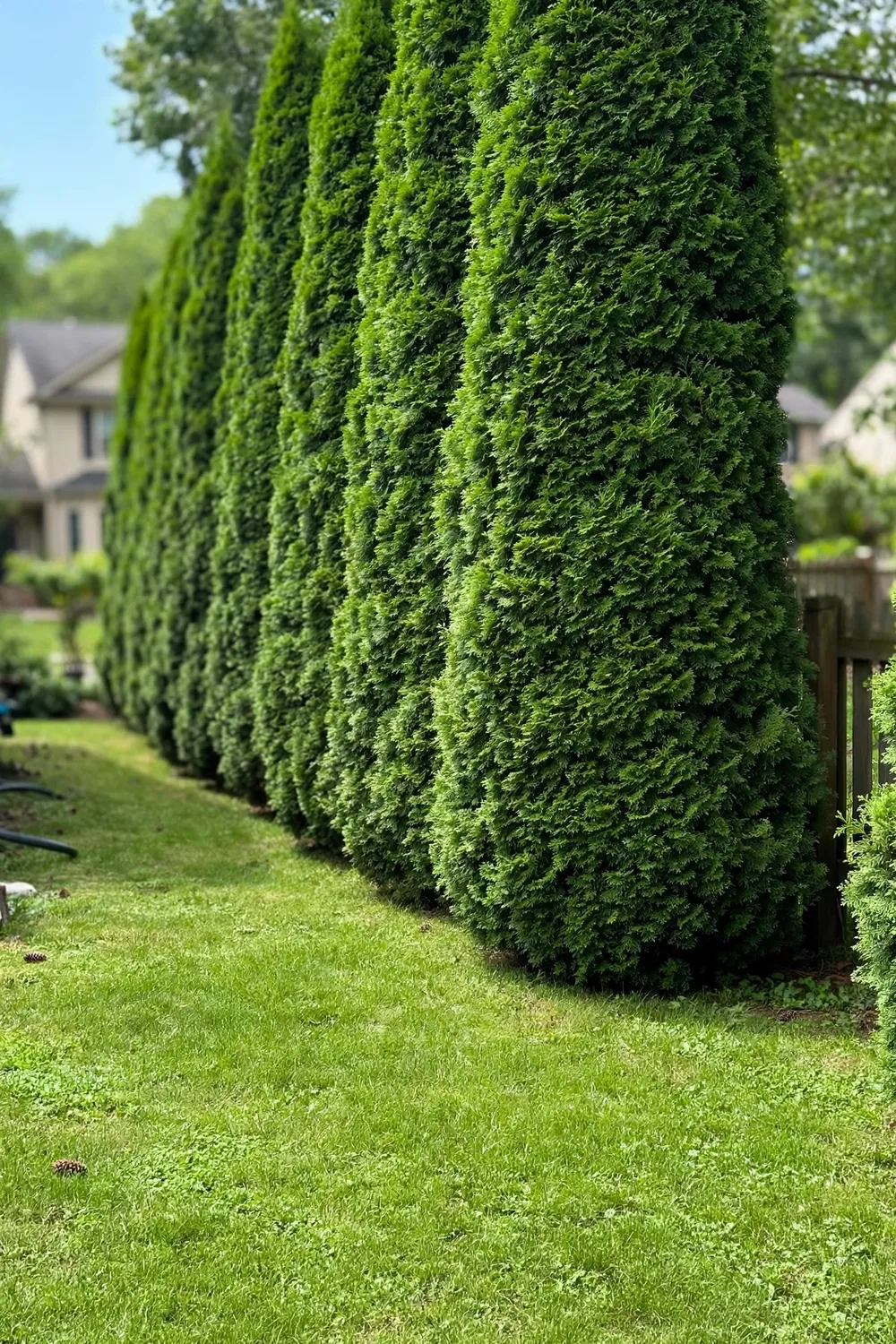
A fence says “keep out”; a hedge says “garden.” A row of arborvitae, laurel, or privet along the property line gives you privacy that gets better every year instead of weathering like wood. Plant at the spacing your nursery recommends for the mature width — overcrowding is the classic mistake — and give new hedges deep, regular water their first two seasons. Pet note: cherry laurel and privet berries can be toxic to pets — confirm the exact species before planting where dogs roam.
21. Fresh House Numbers and a Matching Mailbox
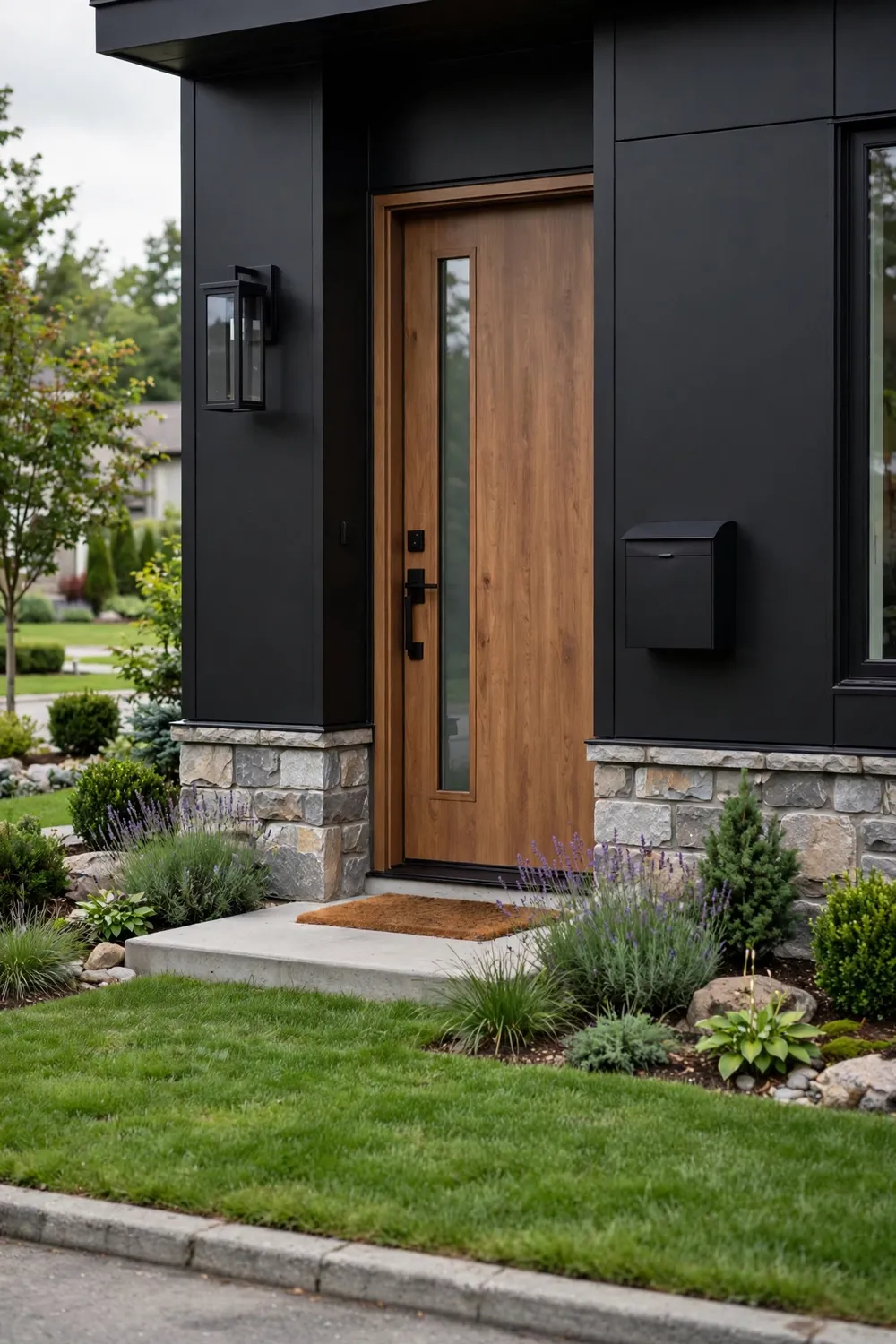
Curb appeal lives in the details nobody articulates but everybody registers. Swap mismatched brass numbers, a faded mailbox, and a tired porch light for one matching finish — matte black is the current classic — and visitors will ask what you renovated. Under $150, about thirty minutes with a screwdriver. The finish matters less than the matching.
22. A Styled Garden Bench Vignette
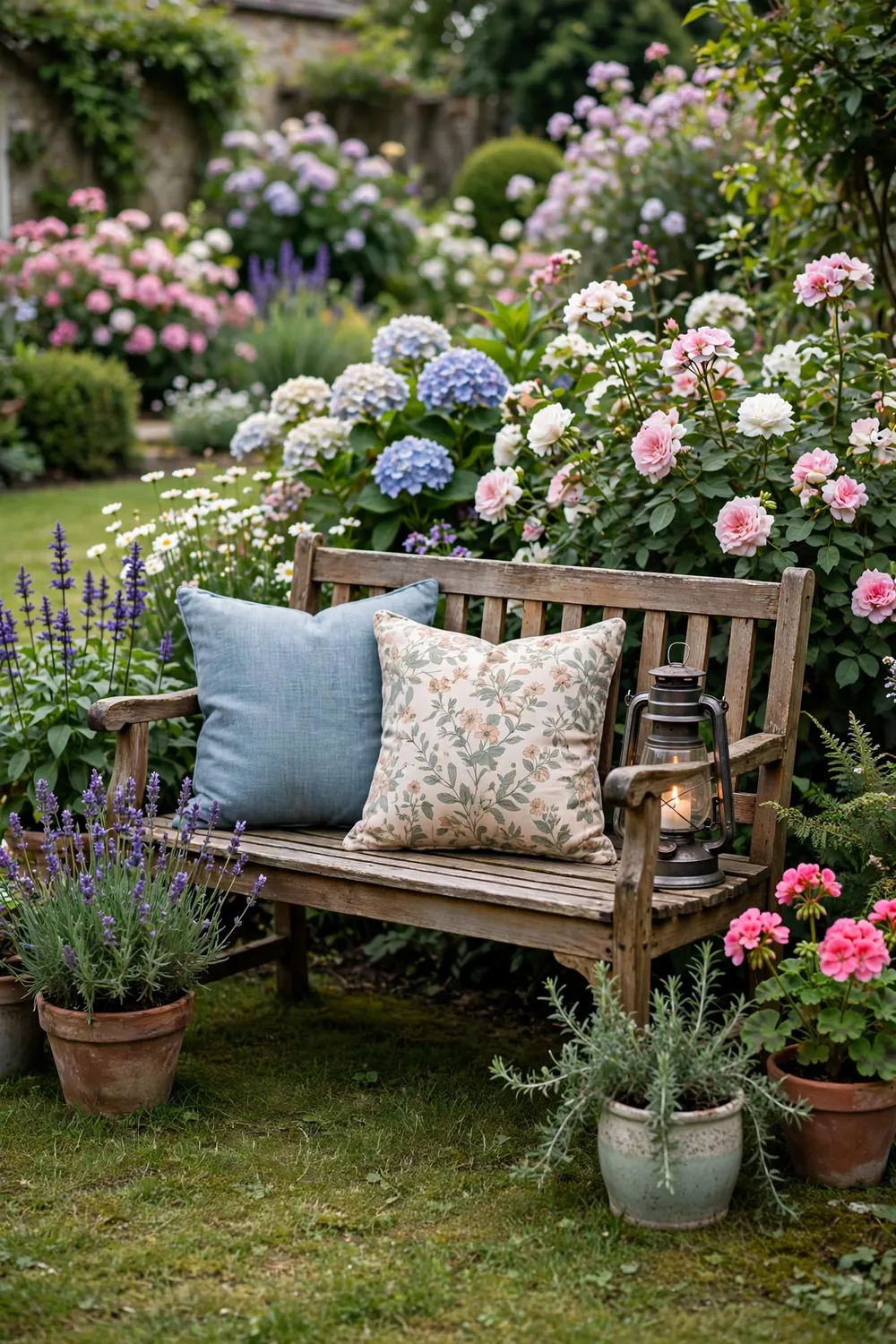
A bench facing the garden tells a story: someone sits here. Style it like you would an indoor nook — an outdoor cushion, a lantern, a pot of something trailing — and place it where the view is best, not where there’s leftover space. Even if you rarely sit there, it gives the lawn a composed, cared-for feeling.
23. A Birdbath with Pollinator Planting
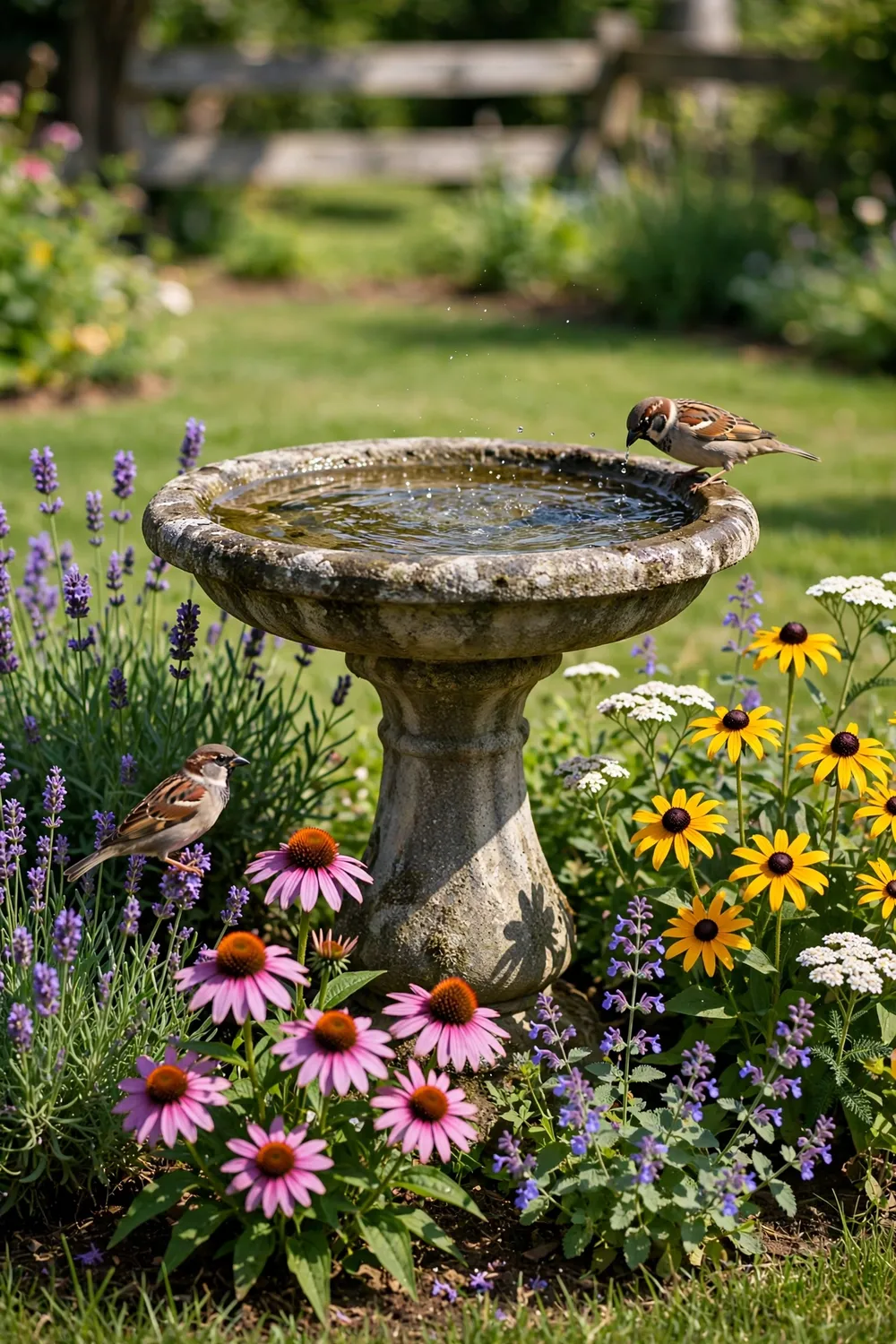
Movement and life make a lawn feel established. A simple birdbath ringed with coneflower, salvia, and bee balm draws birds, bees, and butterflies all season — free entertainment and genuine ecological value. Keep the water shallow and refreshed weekly, and site it where you can see it from a window you’ll actually look out of.
24. Nighttime Uplighting for Trees and Architecture
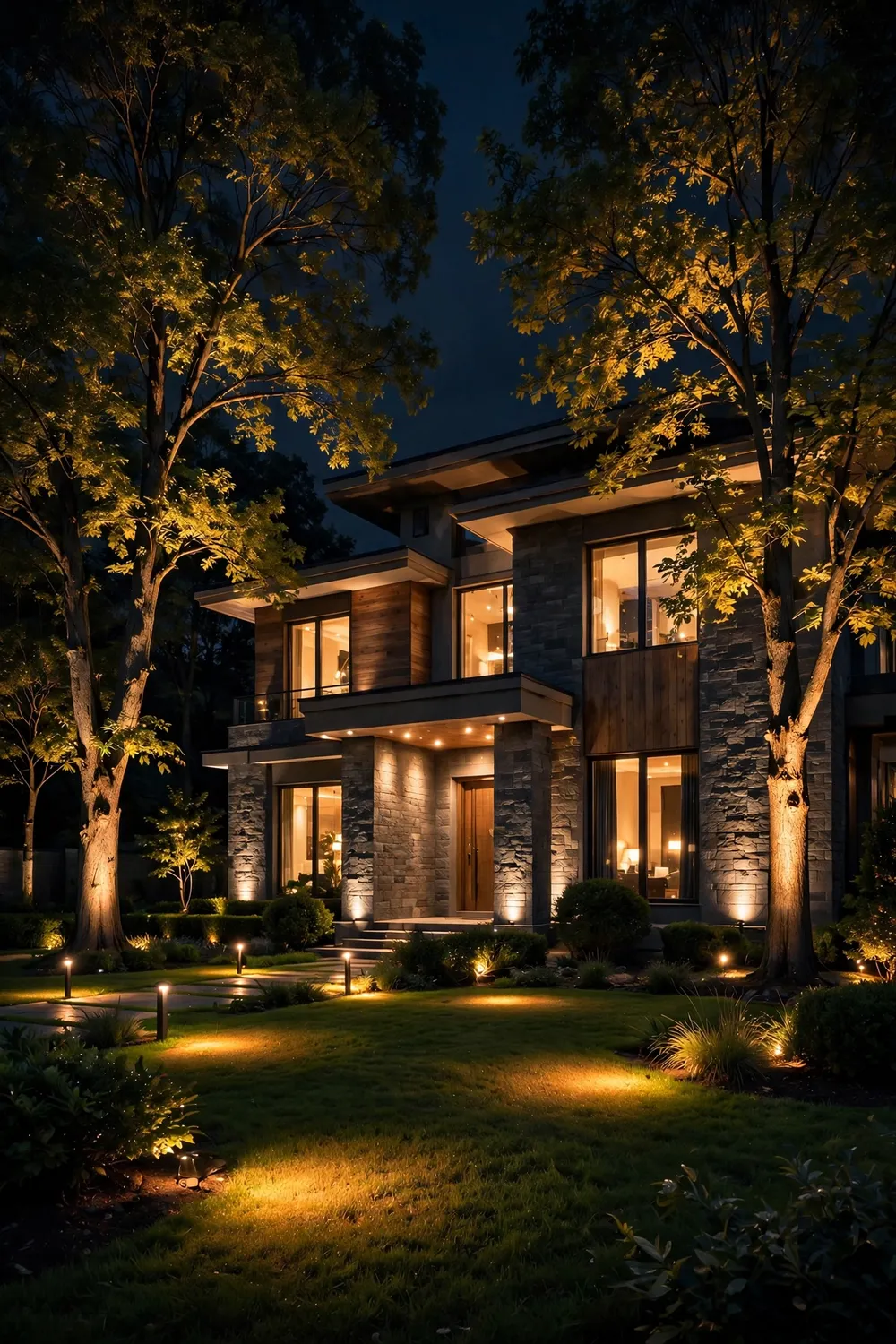
Here’s the pro move most homeowners miss: instead of lining the walkway with a dozen solar stakes, aim two uplights at a tree trunk or the house facade. The light climbs into the canopy, the whole crown glows, and it reads as landscape lighting rather than decoration. A pair of decent low-voltage fixtures runs $60–$150 — that’s the entire upgrade. Browse these modern front yard landscaping ideas for more ways to make architecture shine after dark.
25. Seasonal Containers by the Front Door
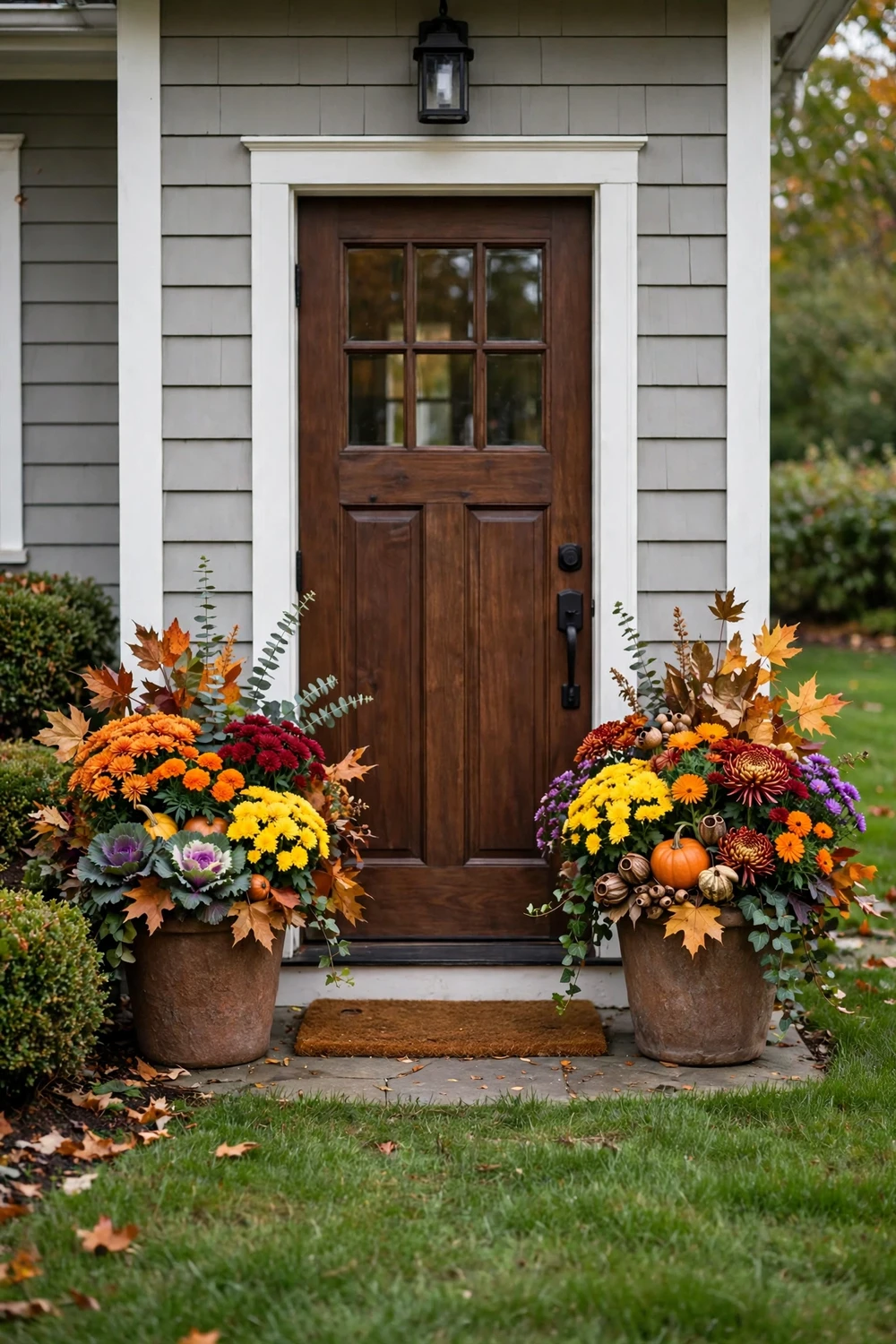
The easiest refresh in landscaping: swap what’s in the pots four times a year. Pansies in spring, heat-lovers in summer, mums and ornamental kale in fall, evergreen boughs in winter — the doorway always looks current while the lawn does its thing. Keep the containers themselves permanent and classic so only the planting changes.
Ideas at a Glance: Budget & Effort
| Idea | Typical Budget | Effort |
|---|---|---|
| Spade-cut bed edges | ~$30 | 1 afternoon |
| One dark mulch color | $40–$150 | 1 weekend |
| Solar path lights | $30–$80 | 1 hour |
| String lights | $25–$60 | 1 afternoon |
| House numbers + mailbox | $80–$150 | 30 minutes |
| Wildflower meadow strip | $20–$50 | 1 weekend |
| Uplighting (pair) | $60–$150 | 1 afternoon |
| Statement tree | $50–$200 | 1 day |
| Fire pit circle | $100–$400 | 1 weekend |
| Pergola with vines | $300–$1,500 | 1–2 weekends |
Final Thoughts
A stunning lawn isn’t about having the biggest budget on the block — it’s about making deliberate choices. Cut the edge. Unify the mulch. Repeat your materials, plant in groups, light the features, and give the eye one beautiful place to land. Start with whichever idea on this list made you pause longest, do it well, and let the rest follow. Your house already has good bones; now it has the frame to match.
Frequently Asked Questions
How can I improve my lawn design on a budget?
Start with the highest-impact, lowest-cost moves: cut crisp spade edges along every bed, spread one dark mulch color everywhere, and mow one notch higher. Together these three cost under $100 and can completely change how designed a yard looks.
What is the best low-maintenance lawn design?
Shrink the lawn itself: replace unused turf with deep mulched beds, ornamental grass drifts, a wildflower strip, or gravel planting. Choose native and drought-tolerant plants, mulch 2–3 inches deep, and automate watering if you irrigate at all.
How do I make my front yard look more expensive?
Expensive-looking yards come down to geometry and restraint: symmetrical planting at the entrance, one focal point like a statement tree or fountain, two hardscape materials repeated throughout, and warm lighting aimed at features rather than scattered along the walk.
When is the best time to redesign a lawn?
Early spring and early fall are ideal — mild weather helps new plants establish, and nurseries are fully stocked. That said, hardscaping, lighting, edging, and mulch can be done any time the ground isn’t frozen.


