


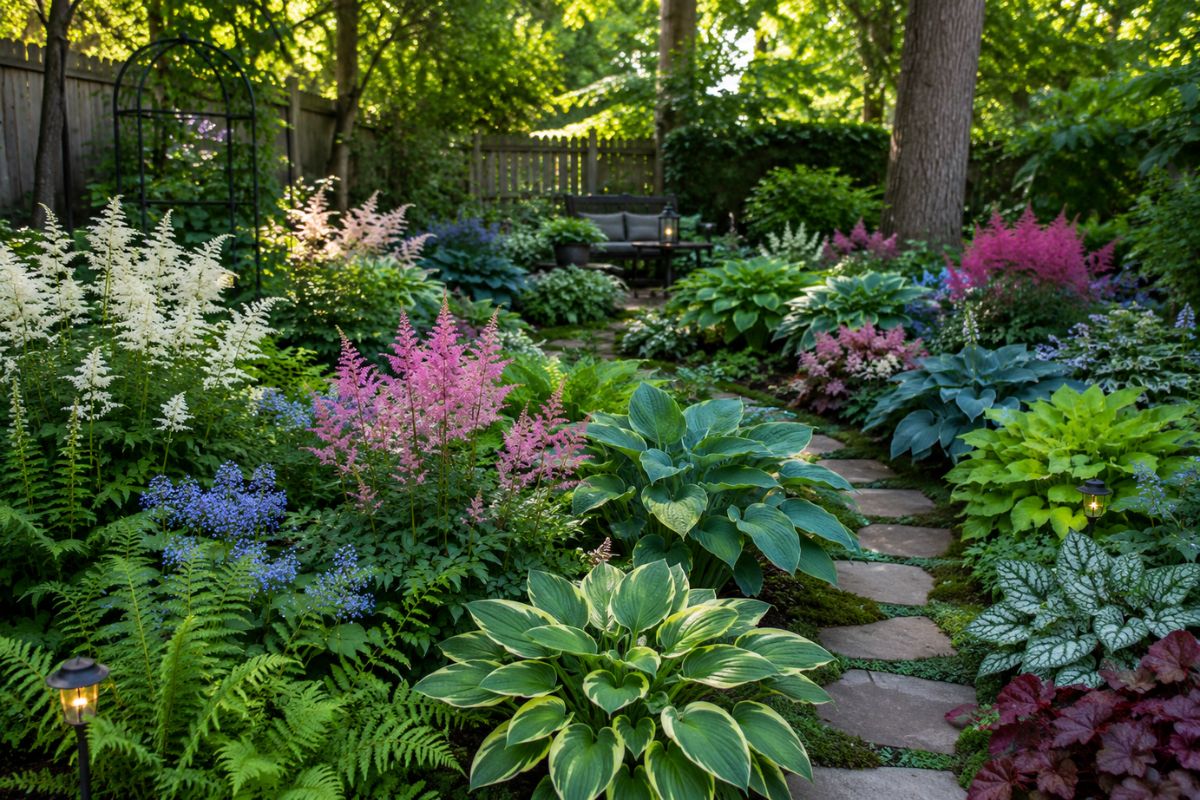
For years, the shady parts of my yard were the most frustrating areas to deal with. I tried planting colorful flowers and different garden plants, but many became weak, stopped blooming, or completely died after a short time. No matter what I planted, those dark corners always looked empty and unfinished. It felt like nothing beautiful could truly grow there without constant work and replacement.
Everything changed once I started choosing shade-loving perennials that naturally grow well in lower light. Plants like hostas, astilbe, ferns, and heuchera completely transformed those difficult spaces into some of the healthiest and most relaxing parts of my garden. These foolproof perennials return every year, need very little maintenance, and help create a full, colorful backyard without the stress of replanting every season. If you are struggling with dull flower beds or bare shady spots, these plants can make a huge difference.


If you’re planting shade perennials for the first time, this complete gardening tool set includes the essential hand tools you’ll use for digging, transplanting, pruning, and maintaining a healthy garden. It comes with durable stainless steel tools, gardening gloves, a spray bottle, and a handy storage tote, making it a smart choice for beginners.
- Complete beginner-friendly gardening kit
- Durable stainless steel hand tools
- Includes gardening gloves and spray bottle
- Convenient storage tote for easy organization
- Perfect for planting hostas, ferns, astilbe, and other shade perennials
Why Shade Perennials Are Perfect for Busy Gardeners
Shade perennials are easy to care for and help fill empty garden spaces fast. Most of them need less watering than sun-loving flowers, and many grow better in cooler areas of the yard.
They are perfect for:
- Backyard shade gardens
- Cottage gardens
- Woodland landscaping
- Front yard borders
- Small garden spaces
- Low maintenance flower beds
Why These Shade Perennials Are Great for Beginners
If you are new to gardening, these plants are a smart place to start. Most shade perennials grow back every year and need very little work once they settle in.
Here’s why beginners love them:
- They grow well in low light
- Most need less watering than sun plants
- Many spread naturally over time
- They help fill empty garden spaces fast
- They create a full lush garden look with little effort
Even a small shady corner can start looking colorful and peaceful after just one growing season.
1. Hosta
Hostas are one of the most popular shade perennials for a reason. Their large leaves instantly make any garden bed look full and healthy.
Some hostas are bright green, while others have blue, yellow, or white patterns. They look beautiful beside walkways and under trees.

Growing Tips
- Best in partial to full shade
- Likes moist soil
- Water during hot weather
USDA Zones
3–9
2. Astilbe
Astilbe adds soft fluffy flowers that look beautiful in shaded flower beds. The blooms come in pink, white, peach, and red shades.
This plant gives your garden a romantic cottage-style look.

Best Features
- Bright flowers for dark spaces
- Great texture
- Looks beautiful in groups
Growing Tips
- Keep soil evenly moist
- Grows best in filtered shade
- Add mulch to hold moisture
USDA Zones
4–9

Astilbe grows best when the soil stays consistently moist. This flat soaker hose delivers slow, even watering directly to the roots, helping reduce water waste while keeping flower beds healthy throughout the growing season.
- Delivers slow and even watering directly to the roots
- Helps keep soil consistently moist
- Reduces water waste compared to traditional sprinklers
- Easy to install around flower beds and borders
- Perfect for astilbe, hostas, ferns, and other shade perennials
As an Amazon Associate, we may earn from qualifying purchases at no extra cost to you.
3. Bleeding Heart
Bleeding Heart has delicate heart-shaped flowers that hang from soft green stems. It blooms in spring and gives gardens a dreamy woodland feel.

Why It Stands Out
- Unique flower shape
- Perfect for cottage gardens
- Great for spring color
Growing Tips
- Plant in cool shady spots
- Likes rich soil
- Water during dry weeks
USDA Zones
3–9
4. Heuchera
Heuchera, also called Coral Bells, is loved for its colorful leaves. You can find deep purple, bright lime, caramel, and silver shades.
Even without flowers, this plant keeps the garden colorful from spring into fall.

Best Features
- Bold leaf colors
- Works in modern gardens
- Looks great in containers
Growing Tips
- Needs well-drained soil
- Partial shade works best
- Remove dead leaves in spring
USDA Zones
4–9
5. Foamflower
Foamflower creates soft white or pink blooms above pretty green leaves. It slowly spreads to form a soft ground cover in shady spaces.

Why Gardeners Love It
- Helps fill empty spots
- Helps block weeds
- Easy to grow
Growing Tips
- Prefers cool moist soil
- Great under trees
- Mix with ferns for texture
USDA Zones
3–9
6. Solomon’s Seal
This elegant perennial has arching stems and tiny bell-shaped flowers. It adds movement and softness to shade gardens.

Best Features
- Woodland garden favorite
- Graceful shape
- Low maintenance
Growing Tips
- Likes rich soil
- Works well in deep shade
- Water during dry weather
USDA Zones
3–8
7. Brunnera
Brunnera is famous for its silver leaves and tiny blue flowers. It brightens dark garden corners without needing much care.

Why It Looks Amazing
- Reflects light in shady spaces
- Beautiful leaf patterns
- Great for elegant gardens
Growing Tips
- Protect from hot afternoon sun
- Keep soil moist
- Pair with hostas and ferns
USDA Zones
3–8
8. Japanese Forest Grass
This flowing ornamental grass adds softness and movement to the garden. The golden leaves look beautiful in shaded borders.

Best Features
- Relaxed natural look
- Great border plant
- Adds contrast beside large leaves
Growing Tips
- Likes moist soil
- Best in partial shade where leaves keep their bright color
- Trim old growth in spring
USDA Zones
5–9
9. Lungwort
Lungwort has spotted leaves and colorful flowers that change from pink to blue.

Why People Love It
- Early spring blooms
- Decorative leaves
- Great for woodland gardens
Growing Tips
- Keep soil moist
- Remove faded flowers
- Works well near pathways
USDA Zones
3–8
10. Ferns
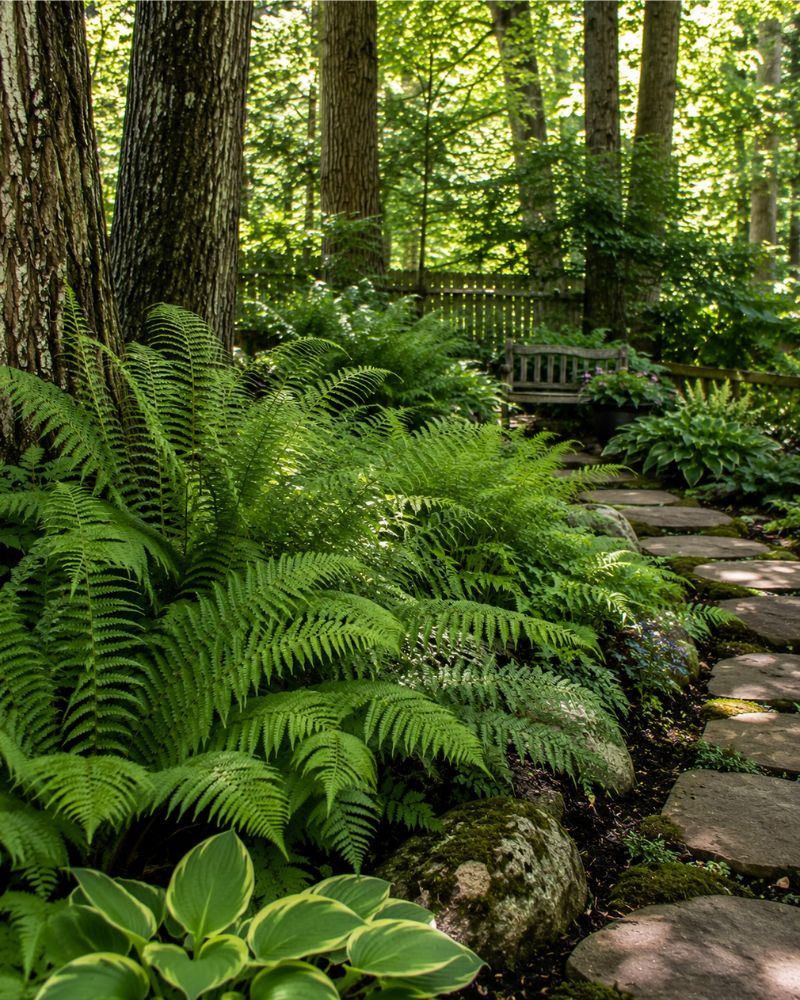
Ferns bring a calm forest feeling to any shady yard. Their soft feathery leaves make gardens feel cool and peaceful.
Best Features
- Timeless garden look
- Perfect texture plant
- Easy to mix with flowers
Growing Tips
- Needs moist soil
- Avoid strong afternoon sun
- Add compost yearly
USDA Zones
3–9

Ferns grow best in rich, moisture-retaining soil. Adding organic compost every year helps improve soil structure, increases moisture retention, and provides natural nutrients that support healthy, lush growth throughout the season.
- Ready-to-use organic compost blend
- Improves soil structure and drainage
- Helps retain moisture for healthier ferns
- Rich in natural nutrients for long-term growth
- Great for ferns, hostas, and other shade-loving perennials
11. Ajuga
Ajuga is a fast-growing ground cover with glossy leaves and purple-blue flowers.

Why It Works So Well
- Covers bare ground quickly
- Helps stop weeds
- Adds rich color
Growing Tips
- Plant in partial shade
- Keep spread under control
- Works well between stepping stones
USDA Zones
3–10
12. Hellebores
Hellebores bloom in late winter or early spring when most gardens still look empty.

Best Features
- Early flowers
- Elegant blooms
- Long-lasting color
Growing Tips
- Protect from strong winter wind
- Use mulch around roots
- Plant in partial shade
USDA Zones
4–9
13. Trillium
Trillium is a native woodland flower with beautiful three-petal blooms.

Why Gardeners Love It
- Natural woodland style
- Unique flowers
- Long life plant
Growing Tips
- Grows slowly at first
- Likes rich organic soil
- Avoid disturbing roots
USDA Zones
4–9
14. Creeping Jenny
Creeping Jenny spreads quickly and adds bright chartreuse color to dark spaces.

Best Features
- Bright trailing leaves
- Perfect near pathways and containers
- Great for filling empty areas
Growing Tips
- Keep soil moist
- Trim regularly because it spreads fast
- Looks beautiful beside stones
USDA Zones
4–9
15. Pulmonaria ‘Trevi Fountain’
This variety has silver spotted leaves and bright blue flowers that stand out in spring gardens.

Best Features
- Decorative foliage
- Great under trees
- Pollinator friendly
Growing Tips
- Partial shade is best
- Water during hot weeks
- Remove damaged leaves
USDA Zones
3–8
16. Brunnera ‘Jack Frost’
This popular Brunnera variety has glowing silver leaves with dark green veins.

Growing Tips
- Rich moist soil works best
- Protect from harsh sunlight
- Combine with hostas and ferns
USDA Zones
3–8
Easy Shade Garden Layout Idea
Want your garden to look more balanced and professionally planned? Try this simple layering method.

Back Row
- Hostas
- Ferns
- Solomon’s Seal
Middle Row
- Astilbe
- Brunnera
- Hellebores
Front Border
- Ajuga
- Creeping Jenny
- Foamflower
This mix creates:
- different leaf shapes
- layered color
- blooms across multiple seasons
- a soft woodland garden feel
Best Shade Perennial Combinations
| Plant | Best Companion |
|---|---|
| Hosta | Ferns |
| Astilbe | Heuchera |
| Brunnera | Japanese Forest Grass |
| Hellebores | Lungwort |
| Foamflower | Ajuga |

A weed barrier is one of the easiest ways to keep your shade garden neat and low maintenance. This heavy-duty landscape fabric blocks unwanted weeds while still allowing water and air to reach the soil, helping your flowers and perennials grow healthier with less upkeep.
- Helps block unwanted weeds before they spread
- Allows water and air to reach plant roots
- Heavy-duty woven landscape fabric
- Easy to cut and install around flower beds
- Perfect for shade gardens, borders, and perennial beds
Simple Tips for a Beautiful Shade Garden
- Add mulch to keep soil cool
- Use plants with different leaf shapes
- Mix green, silver, and purple foliage
- Group plants in odd numbers
- Add garden stones or pathways for texture
If you’re planning your whole yard rather than just the shady corners, our Bohemian Garden Ideas and Courtyard Garden Ideas guides offer more inspiration for pulling the whole space together.
Frequently Asked Questions
What perennial grows best in full shade?
Hostas, ferns, trillium, and lungwort grow very well in full shade and woodland garden areas.
Which shade perennials bloom the longest?
Astilbe and hellebores are known for long-lasting blooms that keep gardens colorful for weeks.
Are shade perennials low maintenance?
Yes. Most shade perennials need very little care after they are established. Many return every year without replanting.
What flowers grow well under trees?
Brunnera, foamflower, hostas, and pulmonaria are great choices for planting under trees.
Can a shade garden still look colorful?
Yes. Plants like heuchera, astilbe, and creeping jenny add bright foliage and flowers to darker spaces.
What is the easiest shade perennial for beginners?
Hostas are one of the easiest shade plants because they grow quickly, look lush, and need very little maintenance.


Healthy shade perennials start with proper watering. This 4-in-1 soil moisture meter helps you check soil moisture, soil pH, light levels, and nutrients before watering, making it easier to avoid overwatering and keep your garden healthy throughout the season.
- Checks soil moisture before watering
- Measures soil pH and light levels
- Helps prevent overwatering
- No batteries required
- Perfect for shade gardens, flower beds, and container plants
Final Thoughts
After growing shade perennials in my own garden for several years, I have found that the healthiest and easiest gardens come from choosing plants that naturally fit the space instead of forcing sun-loving flowers to survive in deep shade. Hostas, ferns, brunnera, and astilbe have been some of the most reliable plants I have grown because they continue coming back each year with very little effort. With the right mix of foliage, texture, and blooms, even the darkest corner of a backyard can become a peaceful and beautiful garden space that looks full and inviting throughout the season.
Looking for more garden inspiration? See our 14 Creative Ways to Grow Pothos Indoors or, if you also need to tidy up your tools and supplies, our 27 Smart Shed Storage Ideas.


2 Comments
This is the best article I have read about shade plants and how to show them off in the best way possible! I have been researching for years and this article popped up on Pinterest email. I am so excited to completely redo my shade garden next year!
Thank you so much! I’m glad you enjoyed the article. I’d love to hear which perennials you decide to plant. Feel free to come back and share your garden progress next year. Happy gardening! 🌿