


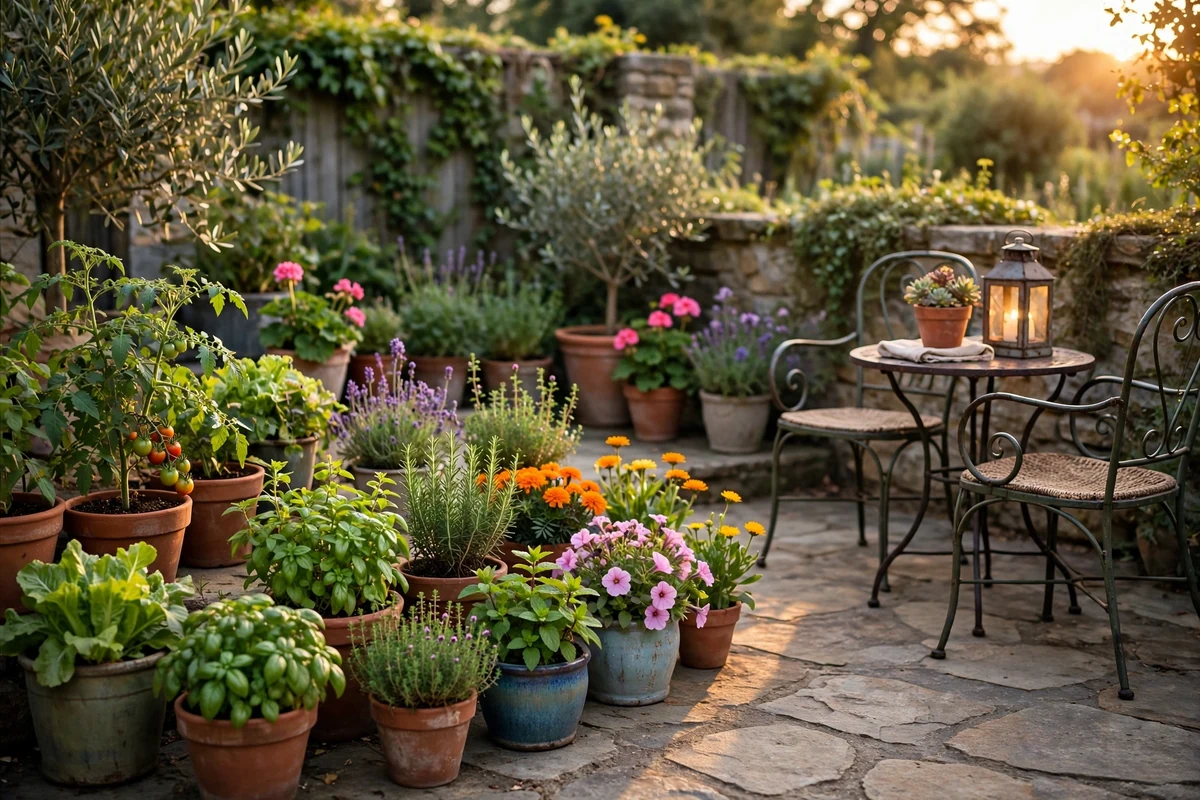
No yard? No problem. A patio with the right pots can grow tomatoes, peppers, salad greens, herbs, and even a small lemon tree. Container gardening is the most forgiving way to start growing food, because you control the soil, the sun, and the water.
These 20 container gardening on patio ideas cover layouts for tiny spaces, the best pots for each crop, and the small upgrades that make containers thrive: self-watering boxes, grow bags, trellises, and rolling caddies. Most setups cost under $50 and fit on a 6 by 10 foot patio.
Quick takeaways
- Match the pot to the plant: 5 gallons for tomatoes and peppers, 1 to 2 gallons for herbs and greens.
- Every container needs drainage holes and quality potting mix, never heavy garden soil.
- Fruiting plants want 6 to 8 hours of sun; leafy greens tolerate partial shade.
- Containers dry out fast: self-watering pots and mulch cut watering in half.
- Put big pots on rolling caddies so you can chase the sun or dodge a storm.
1. Corner trio layout

Put three containers in a triangle in your sunniest corner: one tall pot with a tomato or pepper, one medium pot with basil or parsley, and one wide shallow planter with lettuce. The height steps look designed, the plants share similar water needs, and the whole trio takes up about four square feet. This is the best starter layout for a small patio.
Try this: face the tallest pot toward the back corner so it never shades the other two. Cost: $$. Difficulty: easy.
2. Rail planter herb line
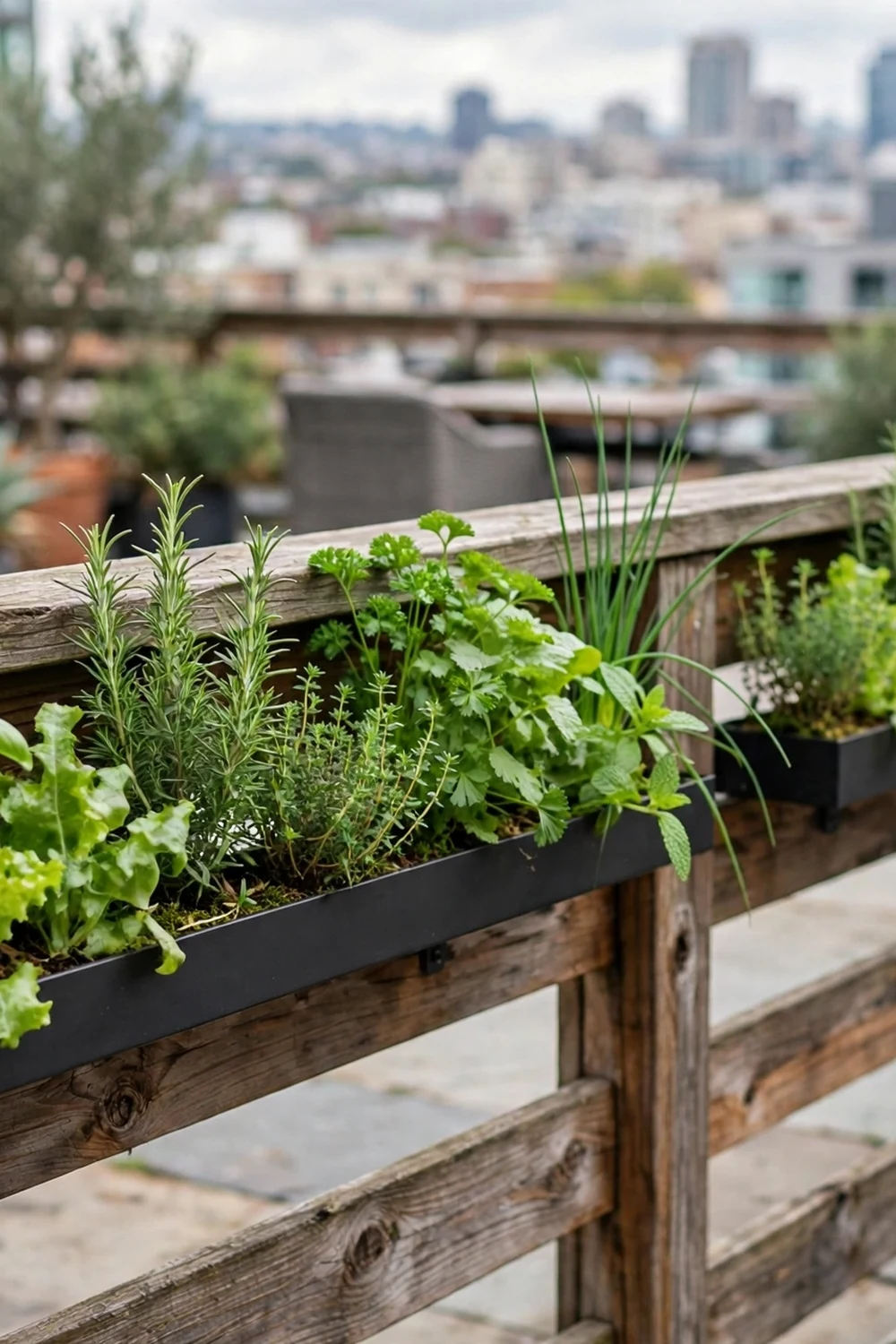
Slim rail planters hook over your patio railing and turn dead space into an herb garden. Mint, thyme, chives, and lettuce all thrive in the shallow depth, and everything sits at waist height for easy snipping. Keep heavy fruiting plants on the floor instead: wind hits harder up on a railing. A pair of 24-inch rail planters runs about $30.
Try this: line the planters with coconut coir liners to slow drying on hot railings. Cost: $$. Difficulty: easy.
3. Vertical trellis wall
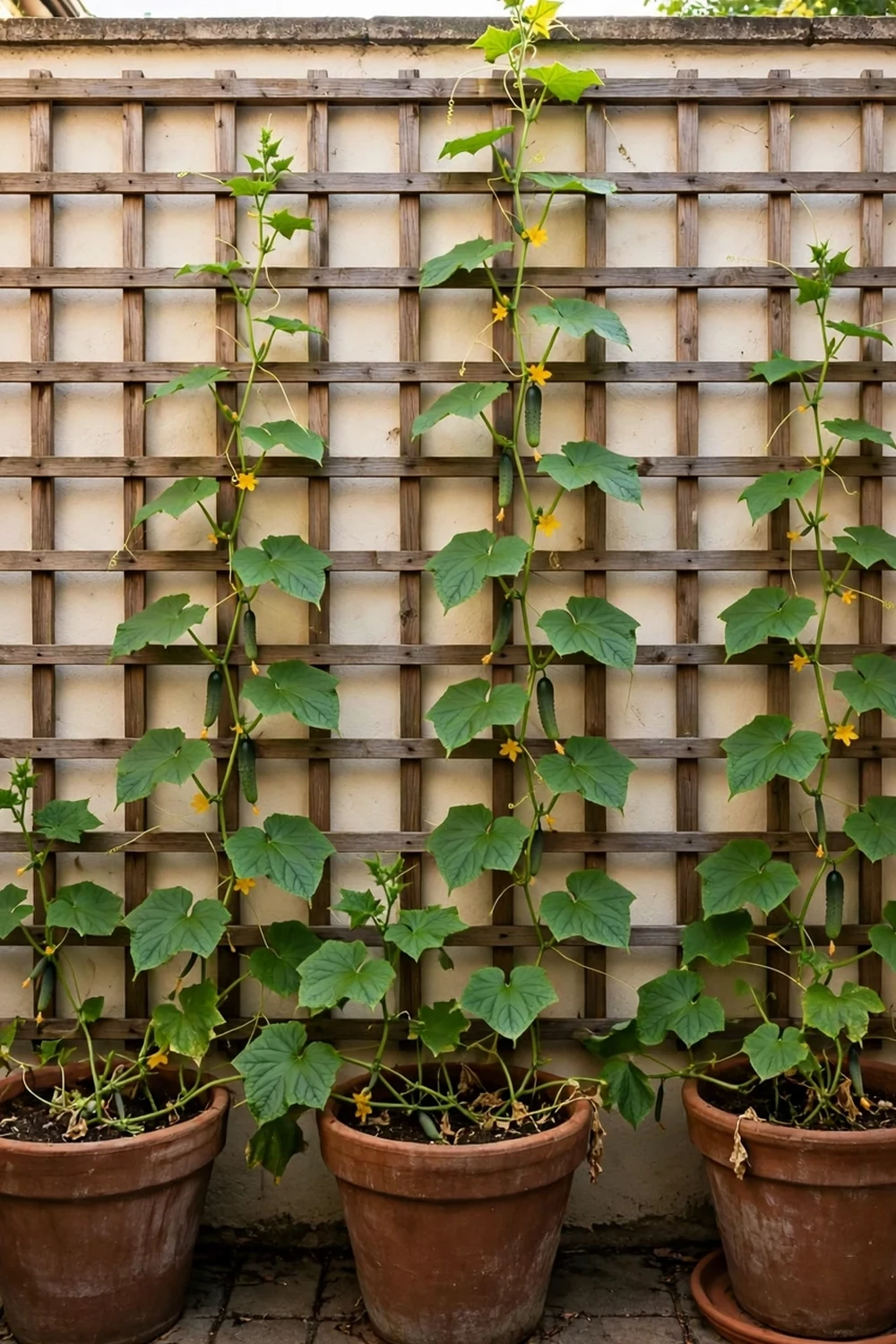
Mount a trellis on the patio wall and grow cucumbers, beans, or peas upward from pots at its base. Vertical growing doubles your harvest per square foot and keeps fruit off the ground, which means cleaner cucumbers and fewer slugs. A 6-foot wooden trellis costs about $25, and one 5-gallon pot at the base supports two cucumber plants.
Try this: train the first vines to the trellis by hand: after that they climb on their own. Cost: $$. Difficulty: easy.
4. Self-watering planter

Self-watering planters hold a water reservoir under the soil that wicks moisture up to the roots, so plants drink steadily instead of swinging between soaked and dry. They cut watering to once or twice a week even in summer heat. A 2 by 4 foot self-watering box runs $60 to $90, or build one from two stacked storage totes for under $20.
Try this: check the fill tube weekly rather than the soil surface: the reservoir gauge tells the truth. Cost: $$. Difficulty: easy.
5. Terracotta herb collection
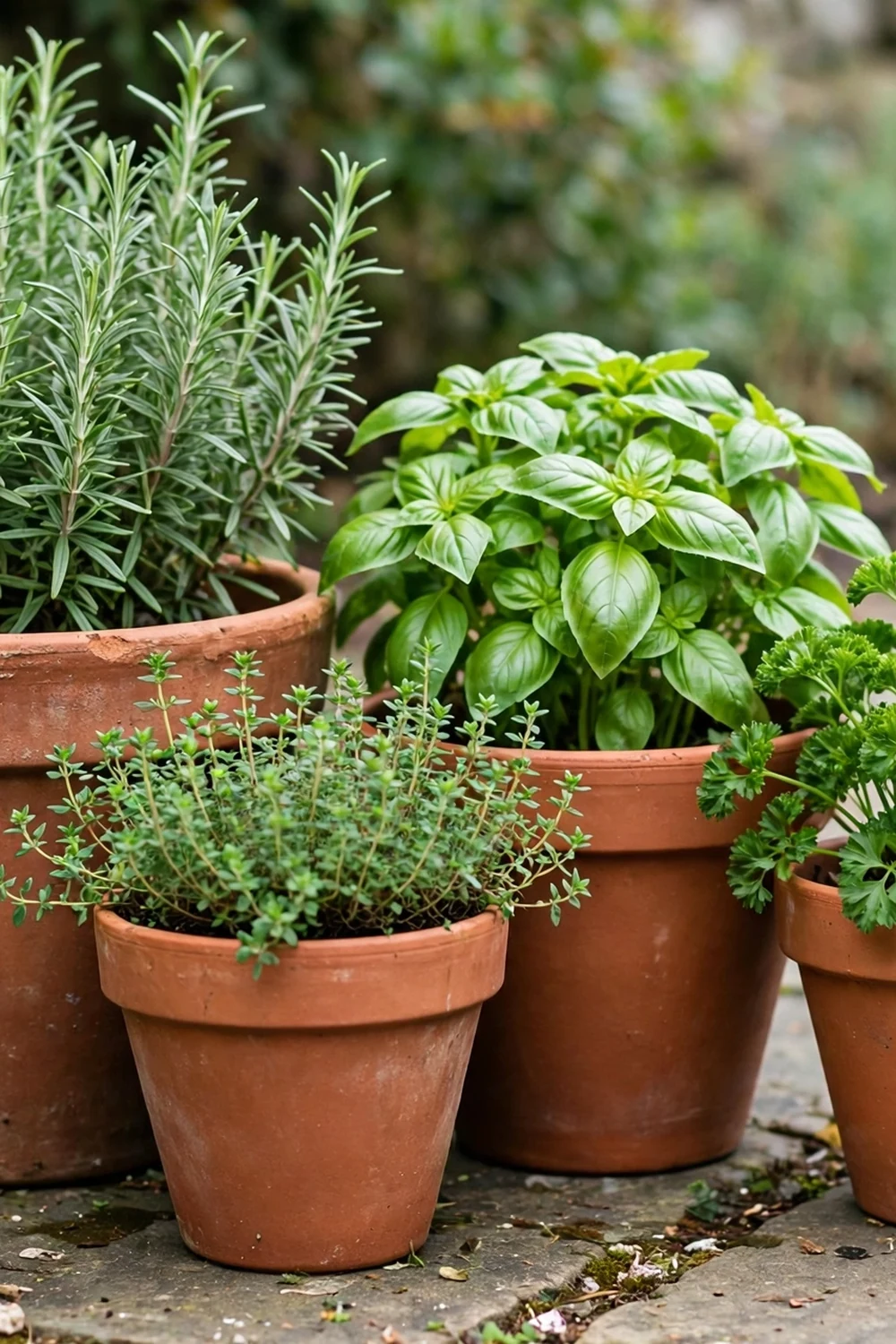
A cluster of terracotta pots in graduating sizes, rosemary in the big one, thyme and basil in the mediums, chives in the small, is the prettiest and most practical herb setup. Terracotta breathes, which herbs love, but it dries fast, so check water daily in heat. Grouping the pots together raises local humidity and slows drying.
Try this: sink a small saucer under each pot in summer to catch runoff the roots can reabsorb. Cost: $$. Difficulty: easy.
6. Salad bowl planter

A wide, shallow bowl planted thickly with cut-and-come-again lettuce gives you salads in about 30 days. Sow the seeds densely, cut the outer leaves with scissors when they reach four inches, and the centers keep regrowing for weeks. One 16-inch bowl supplies a surprising amount of salad for a household of two.
Try this: sow a new bowl every three weeks for a continuous supply through the season. Cost: $$. Difficulty: easy.
7. Bucket tomatoes
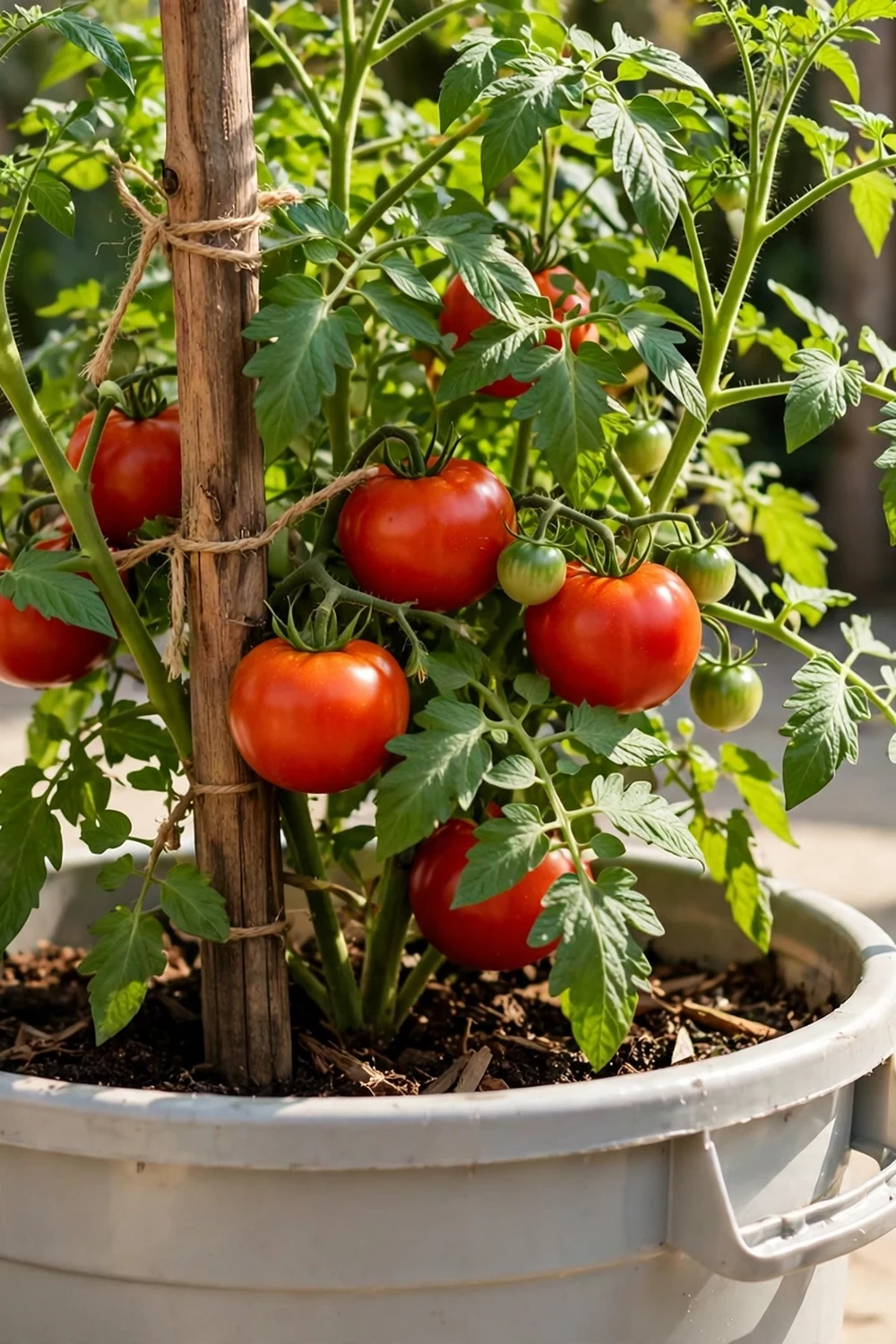
One tomato plant in a 5-gallon food-grade bucket with drainage holes drilled in the bottom is a classic for a reason. Buckets are cheap, deep enough for tomato roots, and easy to move. Choose a determinate or patio variety so the plant stays manageable, and stake it from day one. A bucket tomato can easily produce 10 to 15 pounds of fruit.
Try this: mulch the bucket surface with straw to keep soil moisture steady and prevent splash diseases. Cost: $$. Difficulty: easy.
8. Pepper pots

Peppers are made for pots: compact roots, tidy growth, and they love the warm soil that containers provide. A 3 to 5 gallon glazed pot holds one or two pepper plants, and glazed ceramic holds moisture better than terracotta in heat. Sweet bells, poblanos, and jalapenos all produce heavily in containers with 6-plus hours of sun.
Try this: feed peppers lightly every two weeks once fruit sets: containers leach nutrients fast. Cost: $$. Difficulty: easy.
9. Strawberry hanging baskets
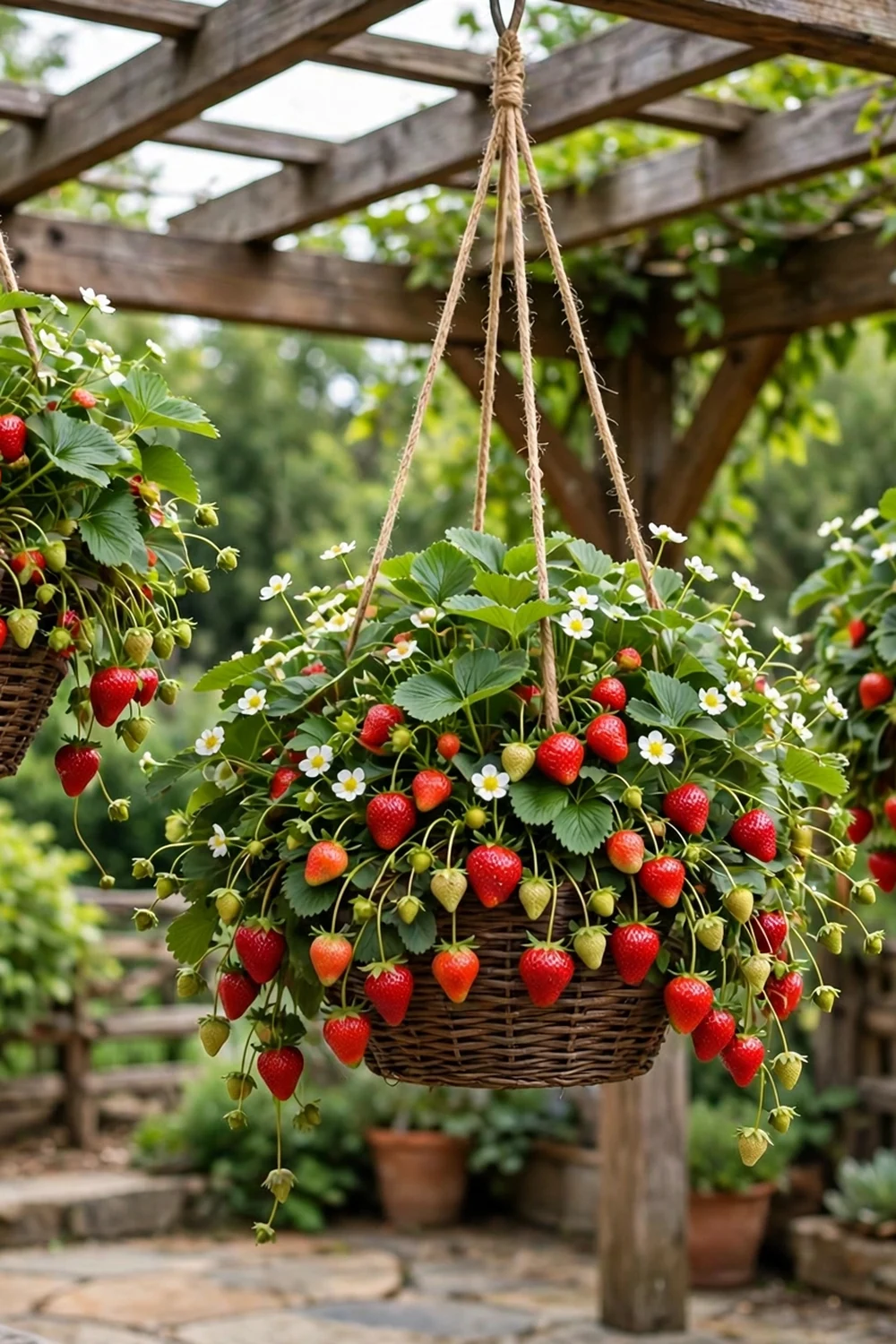
Strawberries in hanging baskets keep the berries off the ground, away from slugs, and at picking height. Everbearing varieties fruit from summer into fall in a 12-inch basket. Baskets dry out quickly, so check water daily in heat, and hang them where you walk past daily: you will graze more than you plan.
Try this: pinch the first flowers off new plants for two weeks to build stronger roots before fruiting. Cost: $$. Difficulty: easy.
10. Dwarf citrus tree
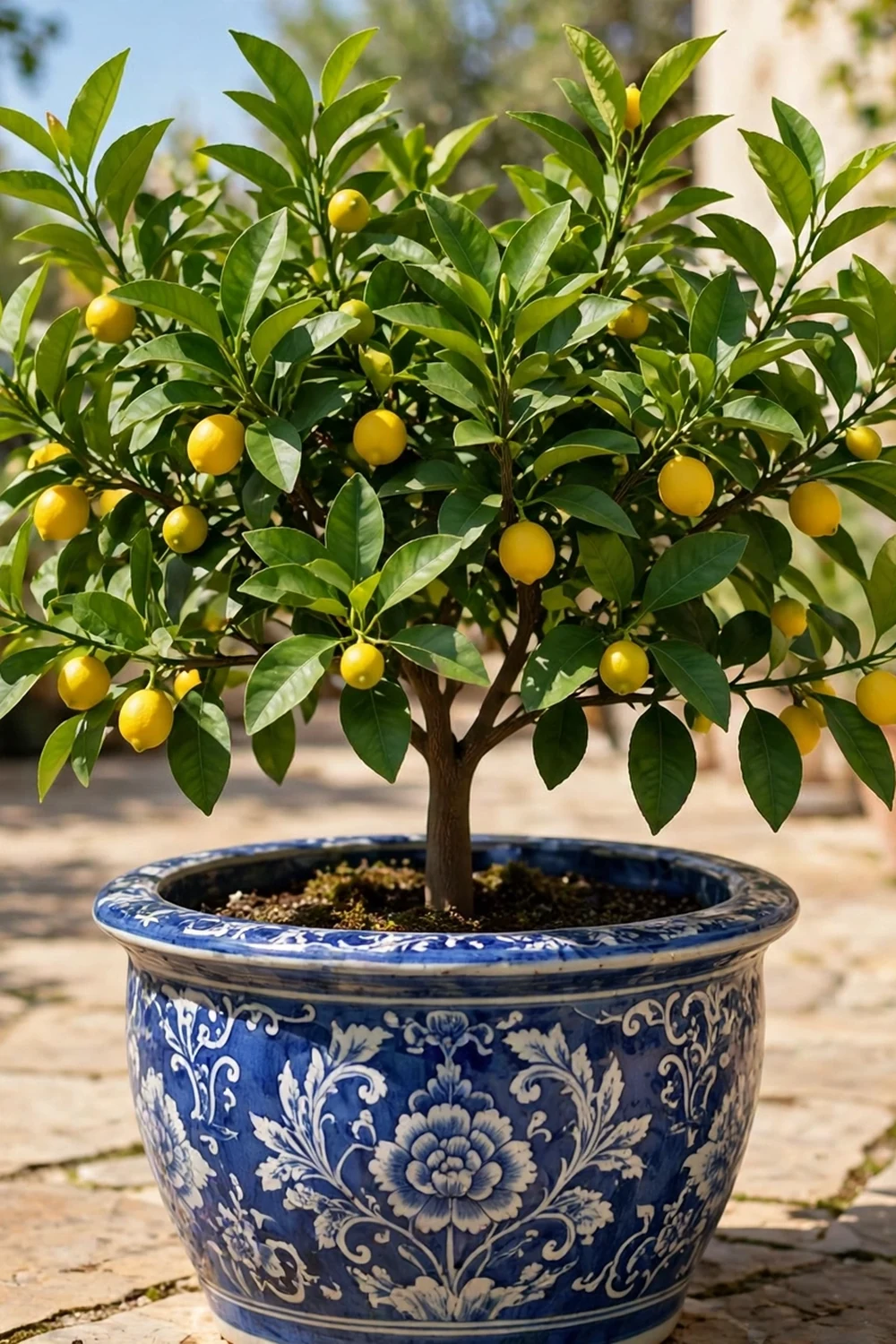
A dwarf Meyer lemon or calamondin in a 14-inch pot turns a patio into a little grove. Citrus wants the sunniest spot you have and well-draining citrus mix, not standard potting soil. In zones below 9, wheel the pot indoors before the first frost: the tree goes dormant inside and returns to the patio in spring.
Try this: let the top two inches of soil dry between waterings: citrus hates wet feet. Cost: $$. Difficulty: moderate.
11. Pollinator flower pots
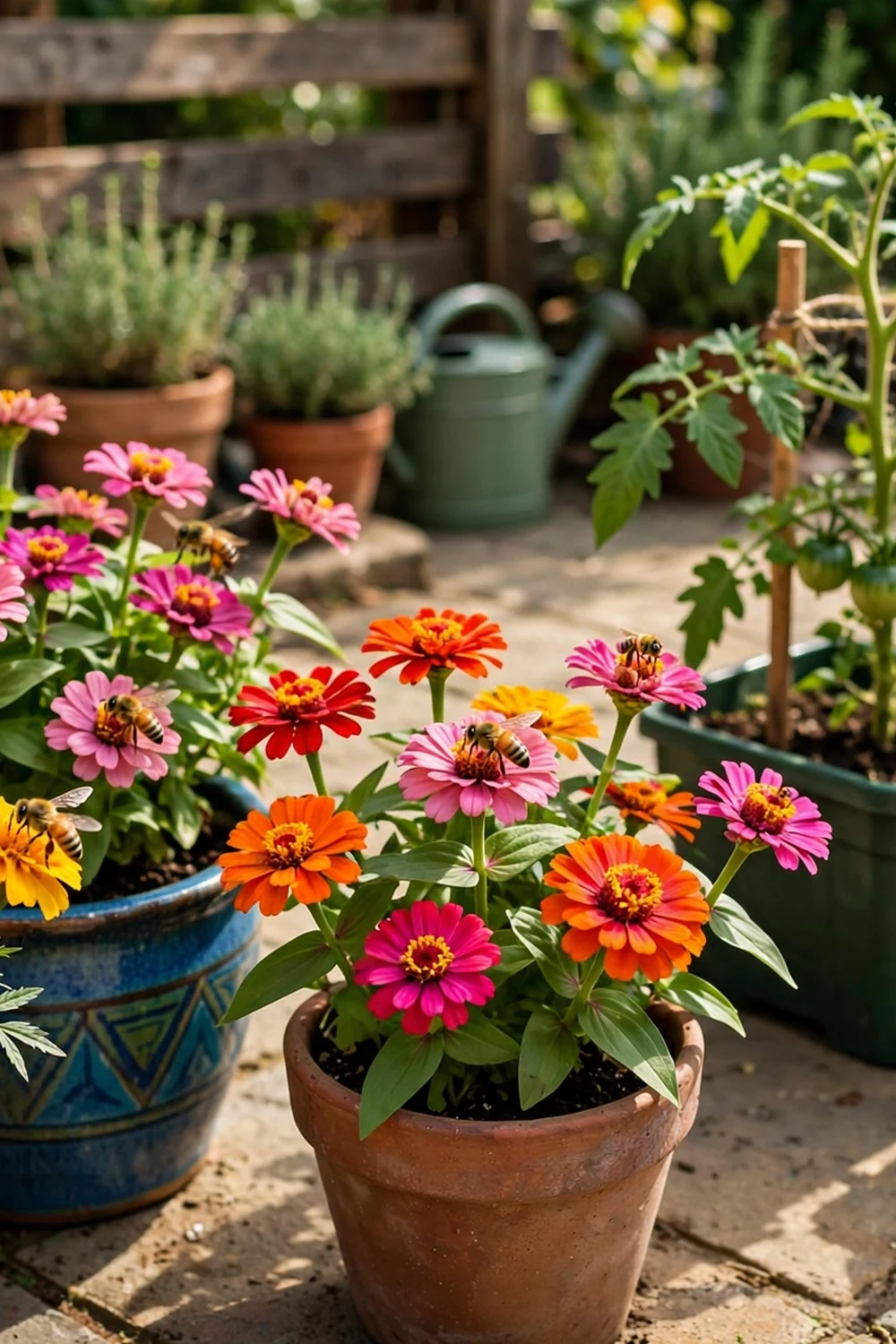
Two or three pots of marigolds, zinnias, and alyssum among your vegetable containers bring in the bees your tomatoes and cucumbers need. Flowers also confuse pests and make the patio look like a garden instead of a farm. Deadhead spent blooms weekly and the show runs until frost.
Try this: tuck one marigold into every vegetable pot for built-in pest confusion. Cost: $$. Difficulty: easy.
12. Succulent display
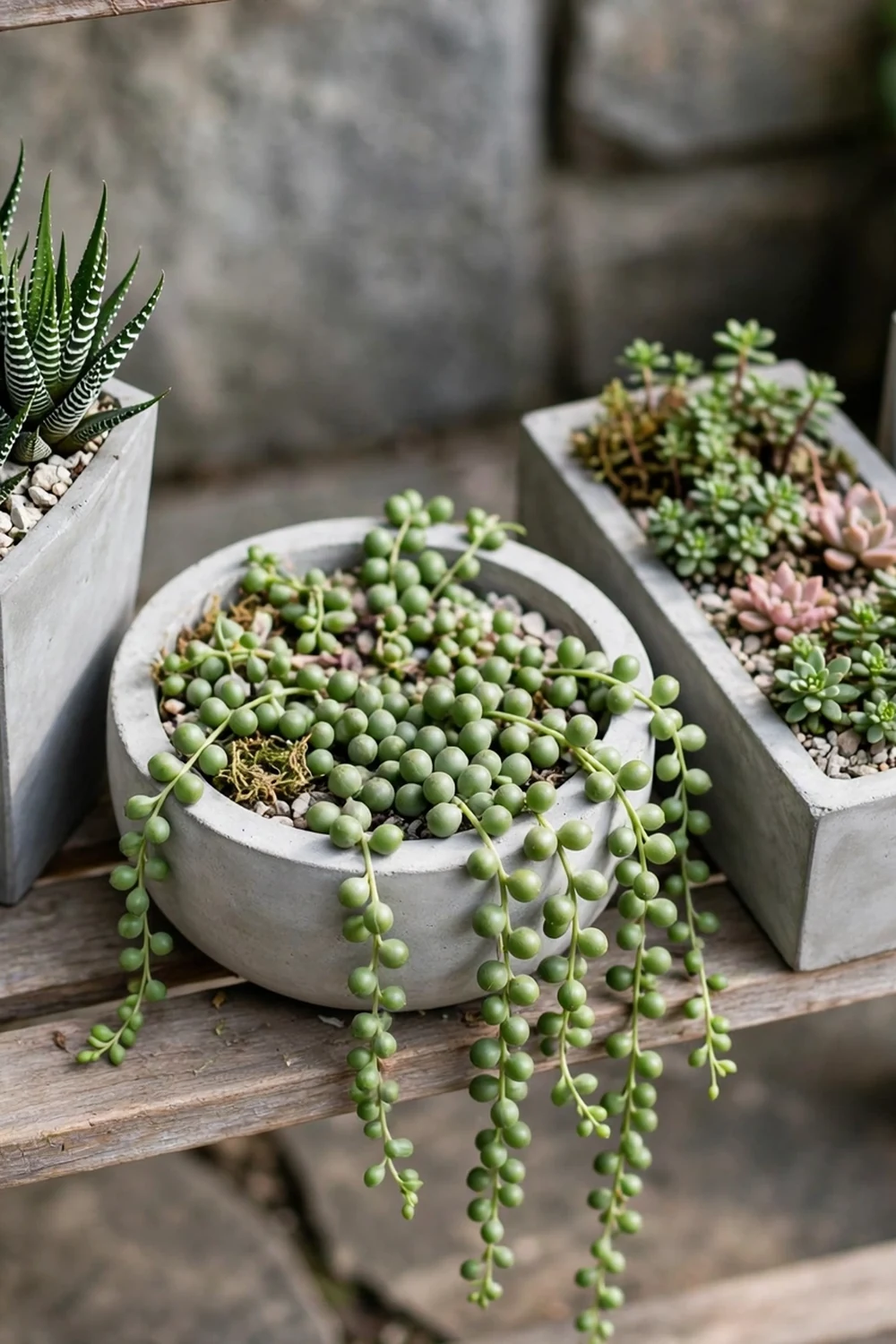
A shelf of succulents in concrete pots gives the patio structure with almost zero care. Succulents want gritty, fast-draining mix and deep but infrequent water: soak, then let the soil dry completely. They handle the hot, dry corner where vegetables would sulk, which makes them perfect for filling awkward patio spots.
Try this: bring tender succulents inside before frost: most are not cold hardy. Cost: $$. Difficulty: easy.
13. Rolling plant caddies
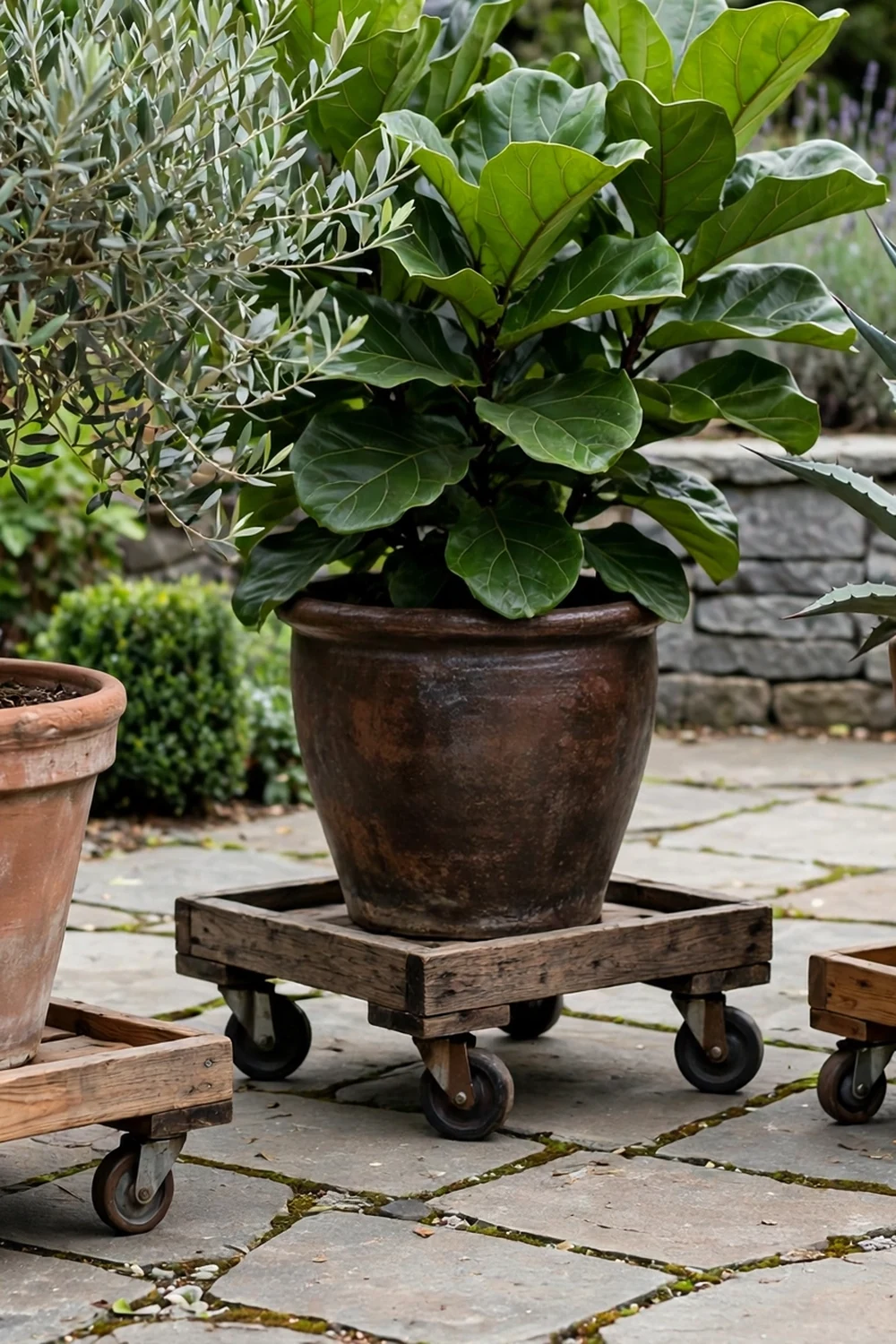
A 5-gallon pot full of wet soil weighs over 50 pounds, so put the big ones on rolling caddies from day one. Wheels let you rotate plants for even growth, pull everything under cover before a storm, and rearrange the patio in seconds. Caddies rated for 100-plus pounds run $12 to $20 each and last for years.
Try this: lock the caster wheels once positioned so a windy day does not rearrange your patio. Cost: $$. Difficulty: easy.
14. Tiered plant stand
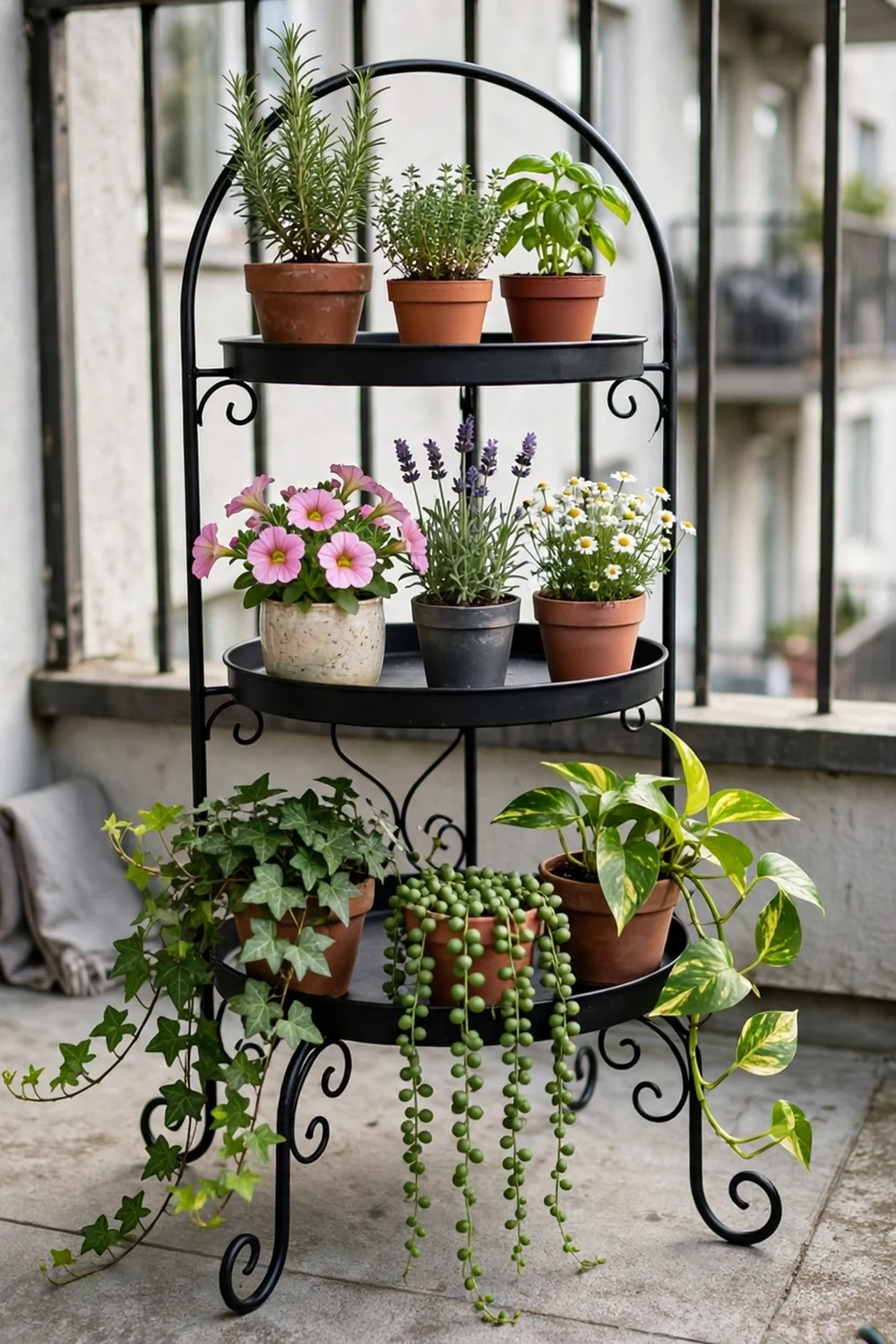
A three-tier plant stand holds nine small pots in the footprint of one, which is gold on a tiny balcony. Put sun-lovers on top, herbs in the middle, and shade-tolerant greens at the bottom where the upper tiers cast shade. Metal stands run $30 to $50 and fold flat for winter storage.
Try this: rotate the stand a quarter turn weekly so every tier gets its share of sun. Cost: $$. Difficulty: easy.
15. Railing window box
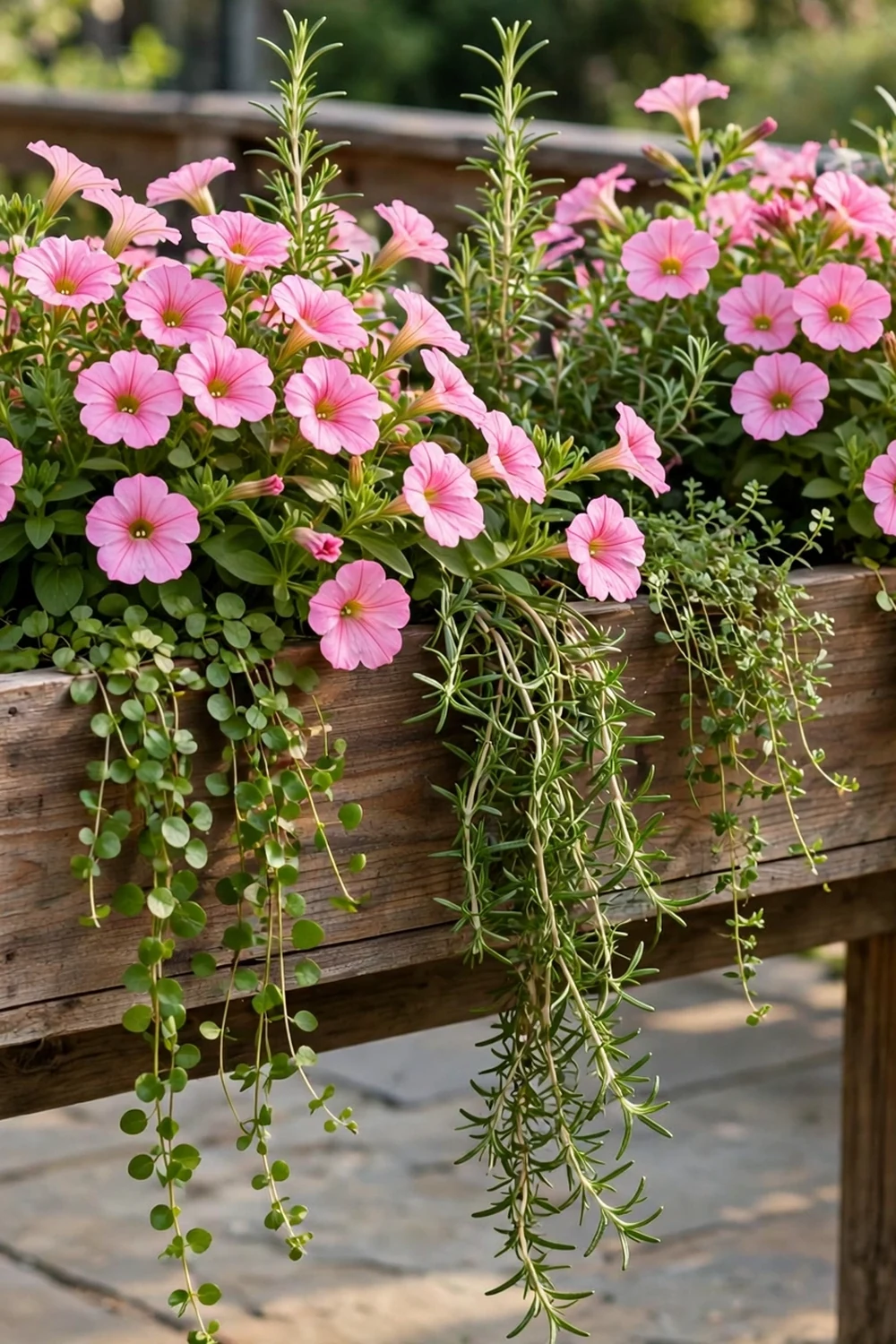
A window box on the patio railing adds color at eye level without using a single square foot of floor. Petunias, trailing lobelia, and a few herb sprigs make a classic mix that blooms all season. Secure the box with brackets, not just hooks, so a summer storm cannot flip it. A 30-inch cedar box runs about $30 and lasts for years.
Try this: water window boxes daily in heat: their small soil volume dries fastest of all. Cost: $$. Difficulty: easy.
16. Companion pot

One extra-large pot, 15 gallons or more, can hold a tomato and basil together as companions. The basil’s scent confuses tomato pests while the tomato shades the basil in afternoon heat. Both want the same sun and water, which is the rule for any shared pot. Feed the combo a little more often, since two plants drain nutrients faster.
Try this: plant the basil on the south side of the tomato so it gets morning sun and afternoon shade. Cost: $$. Difficulty: easy.
17. Potato grow bags
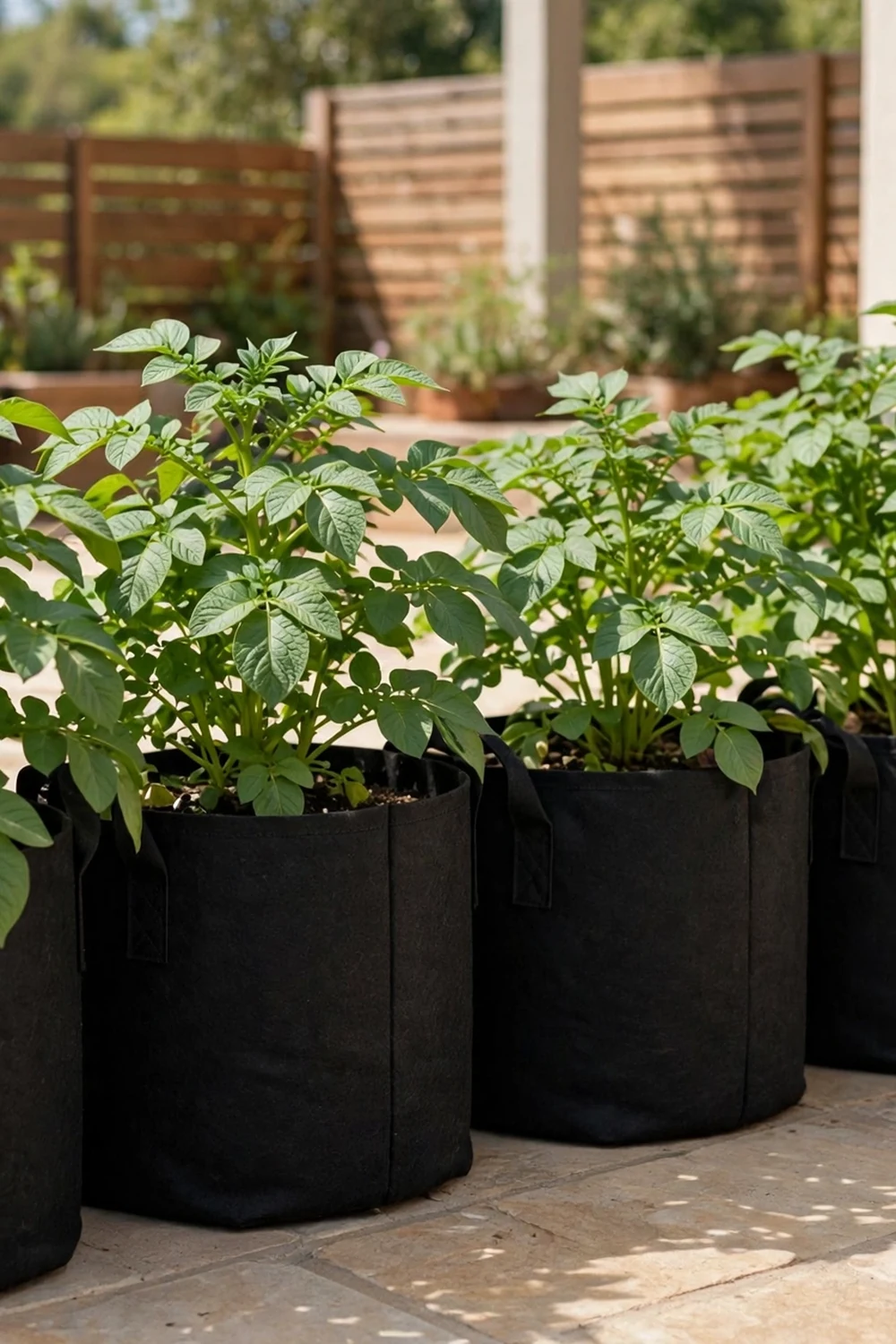
Potatoes in fabric grow bags are the easiest way to grow them without digging. Fill the bag a third full, plant seed potatoes, and add soil as the plants grow. At harvest, tip the bag over and pick out the potatoes: no fork, no digging, no lost spuds. A 10-gallon bag yields 5 to 10 pounds of potatoes.
Try this: use certified seed potatoes, not grocery store ones, to avoid disease. Cost: $$. Difficulty: easy.
18. Microgreens tray
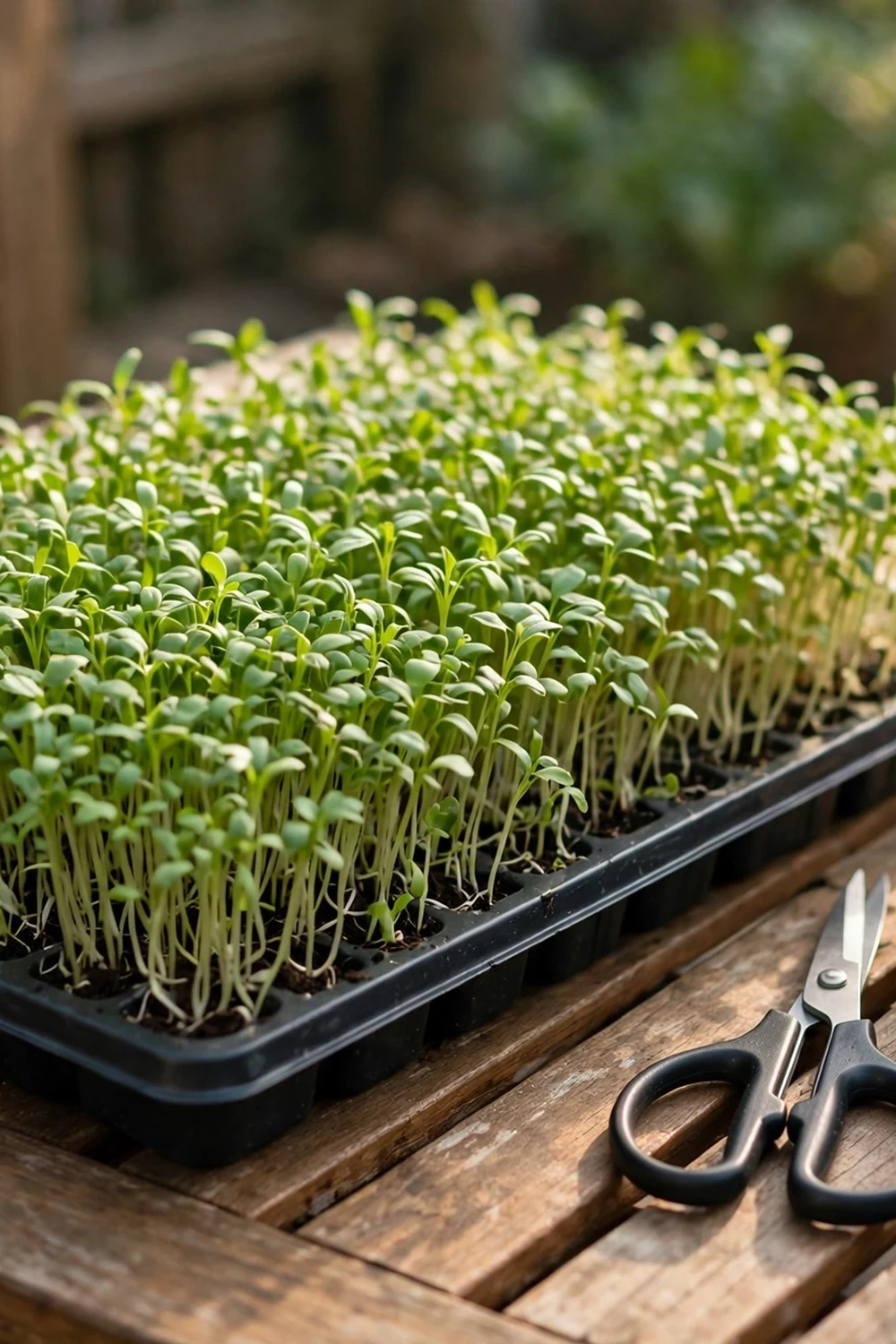
A shallow tray of microgreens on the patio table gives you a harvest in 7 to 14 days, the fastest crop on this list. Scatter seeds thickly on damp potting mix, cover for two days to germinate, then uncover and keep moist. Snip with scissors when the first true leaves appear. Radish, broccoli, and sunflower seeds all work well.
Try this: start a new tray every week for a continuous supply through the season. Cost: $$. Difficulty: easy.
19. Bulb lasagna pot
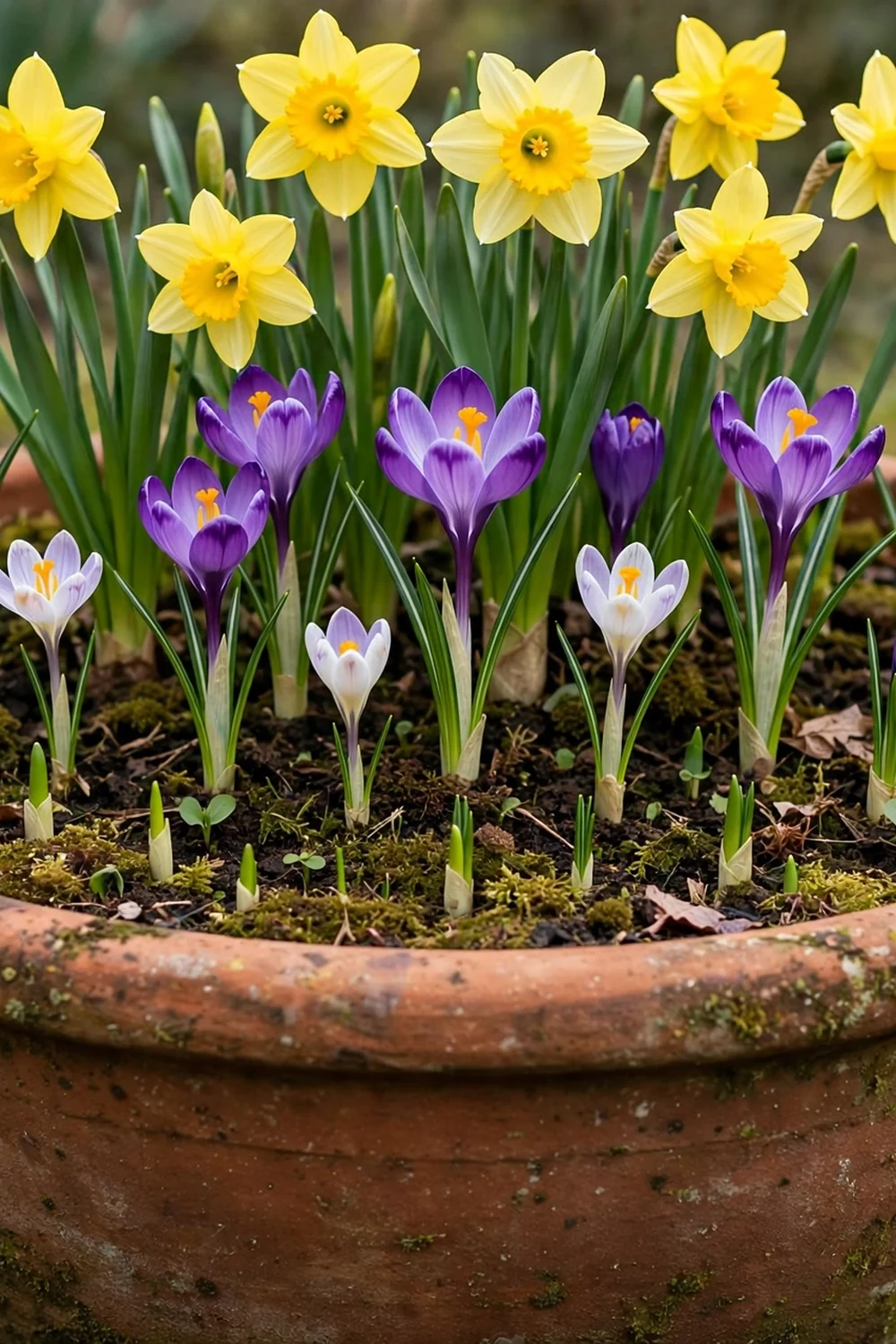
Plant spring bulbs in layers in one big pot, tulips deepest, daffodils in the middle, crocuses on top, and the pot blooms in waves for weeks. This works on a patio in fall for a spring show, or with summer bulbs for a summer display. Use a pot at least 14 inches deep so each layer has enough soil.
Try this: water the pot after planting in fall, then let winter rain handle the rest. Cost: $$. Difficulty: easy.
20. Fabric grow bag bed
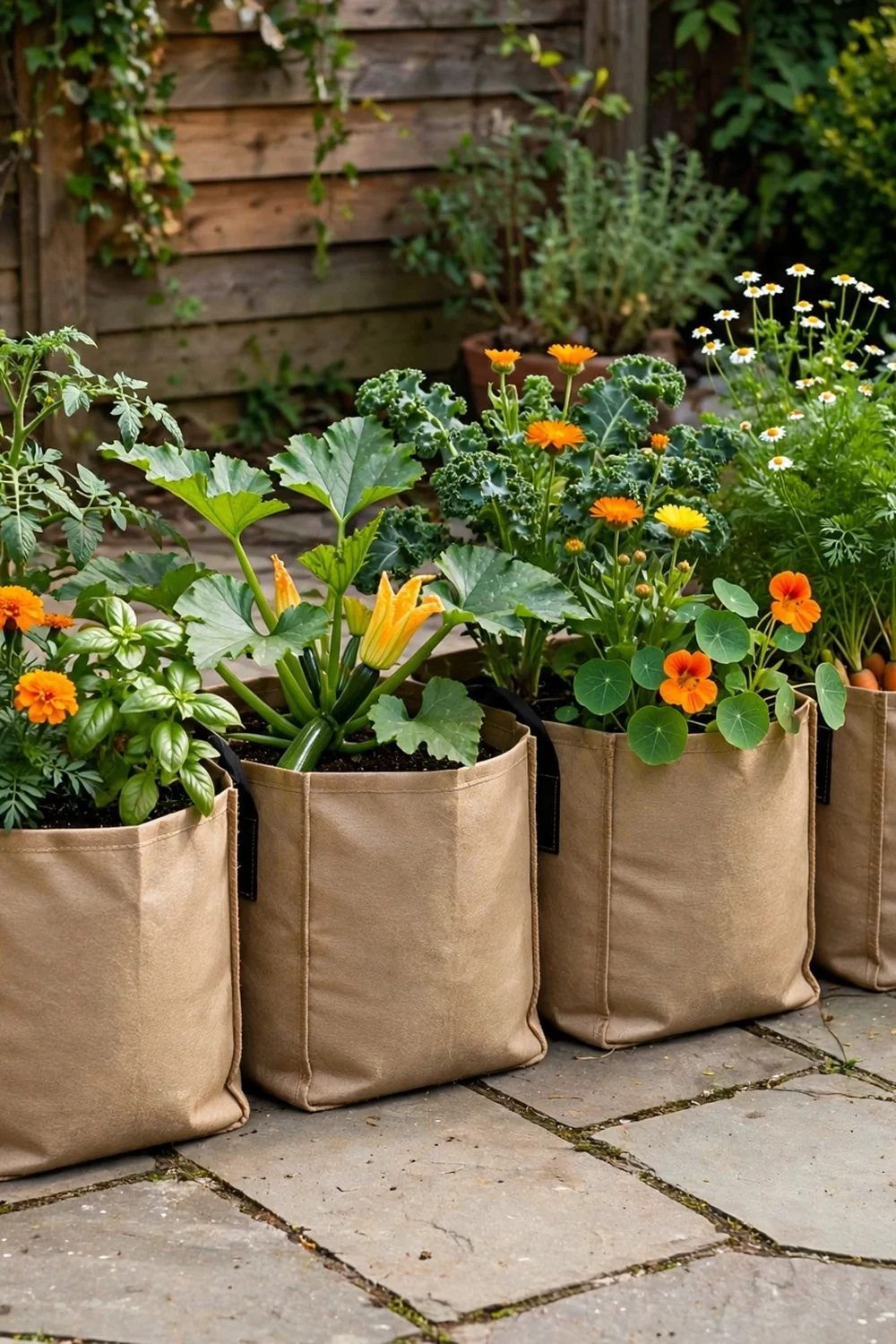
A row of large fabric grow bags works like a raised bed without any building. Fabric pots air-prune roots, which prevents the circling that weakens plants in hard pots, and they drain beautifully. Line up four 10-gallon bags and you have a 2 by 8 foot vegetable bed that stores flat in winter. Four bags run about $30.
Try this: set the bags on a tarp or tray to protect the patio surface from water stains. Cost: $$. Difficulty: easy.
How to set up a patio garden in a weekend
Start with sun, then soil, then plants. Map which patio spots get 6-plus hours of sun and put fruiting plants there, greens in the partial shade. Buy quality potting mix, not garden soil, and fill every pot to within two inches of the rim. Plant, water deeply, mulch the surface, and set a watering schedule before the first hot week hits.
Patio garden safety and smart habits
Containers solve some garden problems and create others. Always use containers with drainage holes and fresh potting mix: old garden soil can carry disease and compacts badly in pots. In older homes, container gardening is actually the safer choice, since University of Nebraska Extension notes that soil near older foundations can hold lead from old paint, and containers bypass that risk entirely. Read the Nebraska Extension container gardening guide for the full rundown. For container sizes by crop, the Illinois Extension growing vegetables in containers guide has a variety-by-pot table worth bookmarking. Wash all produce before eating, wear gloves with potting mix if you have cuts, and secure tall trellises so wind cannot topple them onto the patio.
If you are starting from scratch, see 15 Beginner Friendly Raised Vegetable Garden Ideas for bed basics that pair well with containers. For vertical growing, browse 20 Climbing Rose Trellis Ideas for Every Garden Style for trellis inspiration.
Frequently asked questions
What vegetables grow best in containers on a patio?
Tomatoes, peppers, lettuce, spinach, herbs, beans, cucumbers, and radishes all thrive in containers. Choose dwarf or bush varieties bred for small spaces, match the pot size to the plant, and give fruiting crops 6 to 8 hours of sun.
How big should containers be for vegetables?
Use 5-gallon pots for tomatoes, peppers, and eggplant, 2 to 3 gallons for cucumbers and bush beans, and 1 to 2 gallons for herbs and leafy greens. Bigger is almost always better: larger pots hold moisture longer and give roots room to grow.
How often do I water patio containers?
Check daily in summer: most containers need water once a day in heat, sometimes twice for small pots. Water until it runs from the drainage holes, then mulch the surface with straw to slow evaporation. Self-watering planters stretch this to once or twice a week.
Can I use garden soil in containers?
No. Garden soil compacts in pots, drains poorly, and can carry diseases and weed seeds. Use a quality bagged potting mix made for containers, and refresh or replace it each season for the best results.
Do container plants need fertilizer?
Yes, more than in-ground plants. Watering washes nutrients out of pots quickly, so feed container vegetables with a balanced liquid fertilizer every two weeks once they start growing strongly. Slow-release granules mixed into the soil at planting also work.
What grows well in a shady patio container?
Leafy greens like lettuce, spinach, and arugula, plus herbs like mint, parsley, and cilantro, all do well with 3 to 4 hours of sun. Fruiting plants like tomatoes and peppers need full sun and will disappoint in shade.
A patio garden rewards small, steady effort. Right pot, right soil, right sun, and a daily glance at the water. Start with the corner trio this weekend and let the harvest convince you to add more.
For the bucket version of container gardening, see these vegetables you can grow in buckets.


