

Every flat surface in the house seems to collect one more thing, and after a while you stop seeing individual piles and start seeing one big job. The kitchen counter holds mail, keys, and school papers. The entryway holds shoes nobody put away. The dining table holds everything that had no other place to go. I once cleared only the kitchen counter on a Saturday morning, and that one clear surface made the rest of the house feel possible again.
This guide covers 8 clutter hotspots that work as starting points, from kitchen counters and entryway drop zones to junk drawers and nightstands. Each idea explains why clutter lands there, what changes when the spot is clear, and one small first win to try, with a cost, a difficulty level, and a time estimate.
Quick takeaways
- Clutter gathers where things land without a home, so the best first spots are flat surfaces and drop zones you see every day.
- Start with the spot that bothers you most, not the biggest room, because one visible win builds the push to keep going.
- Keep the first session short, 10 to 30 minutes, and finish one spot before you start another.
- Give every cleared item a next stop right away: trash, recycling, donation bag, or a shelf it belongs on.
- Set sentimental items aside for a separate session instead of letting one hard choice stop the whole clear-out.
1. Kitchen counter landing strip

The kitchen counter is the first flat surface inside the door, so mail, keys, school papers, and shopping bags all stop there. Cooking gets harder when half the counter is covered, and the mess greets you at breakfast, lunch, and dinner. A clear counter changes the whole room fast, because the kitchen is where the family gathers and the mess is always in view. That daily visibility is exactly why this spot pays back a short session better than a hidden closet does.
Try this: set a 10 minute timer, clear only the counter, and leave one small tray near the door for tomorrow’s incoming mail.
Cost: $| Difficulty: Easy | Time: 10 minutes.
2. Entryway drop zone
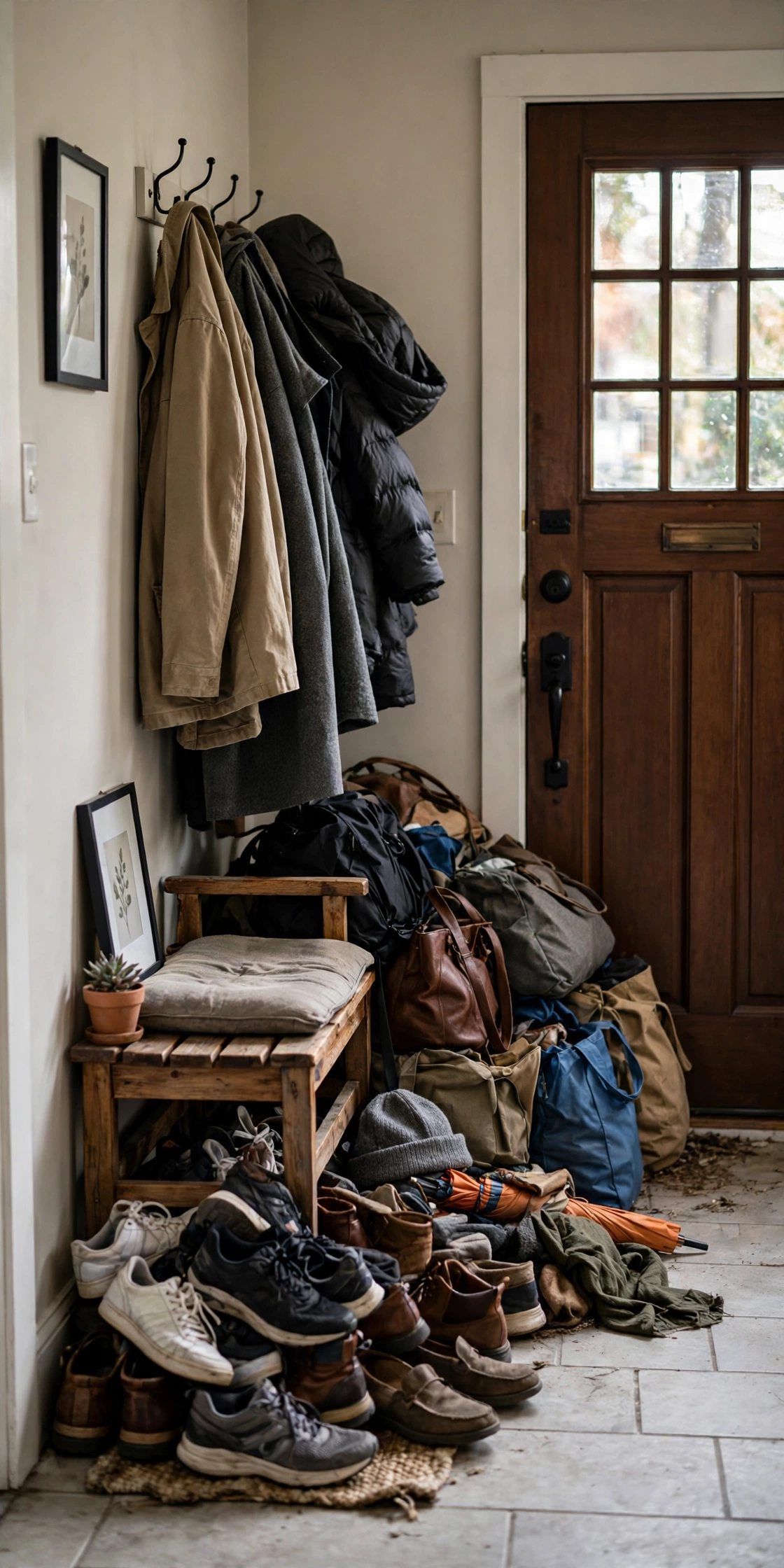
The entryway is the first thing you see when you come home and the last thing you see when you leave, so its state sets the tone for the whole house. Shoes pile by the door, coats hang over chairs, and bags stack on the bench because nobody wants to carry things one more step. A clear entryway makes coming home feel calmer, and it makes leaving in the morning faster, because keys, shoes, and bags sit where you expect them.
Try this: hang one hook per person at shoulder height and put a low tray under the hooks for shoes, then keep only the shoes worn this week in the tray.
Cost: $| Difficulty: Easy | Time: 20 minutes.
3. Junk drawer reset
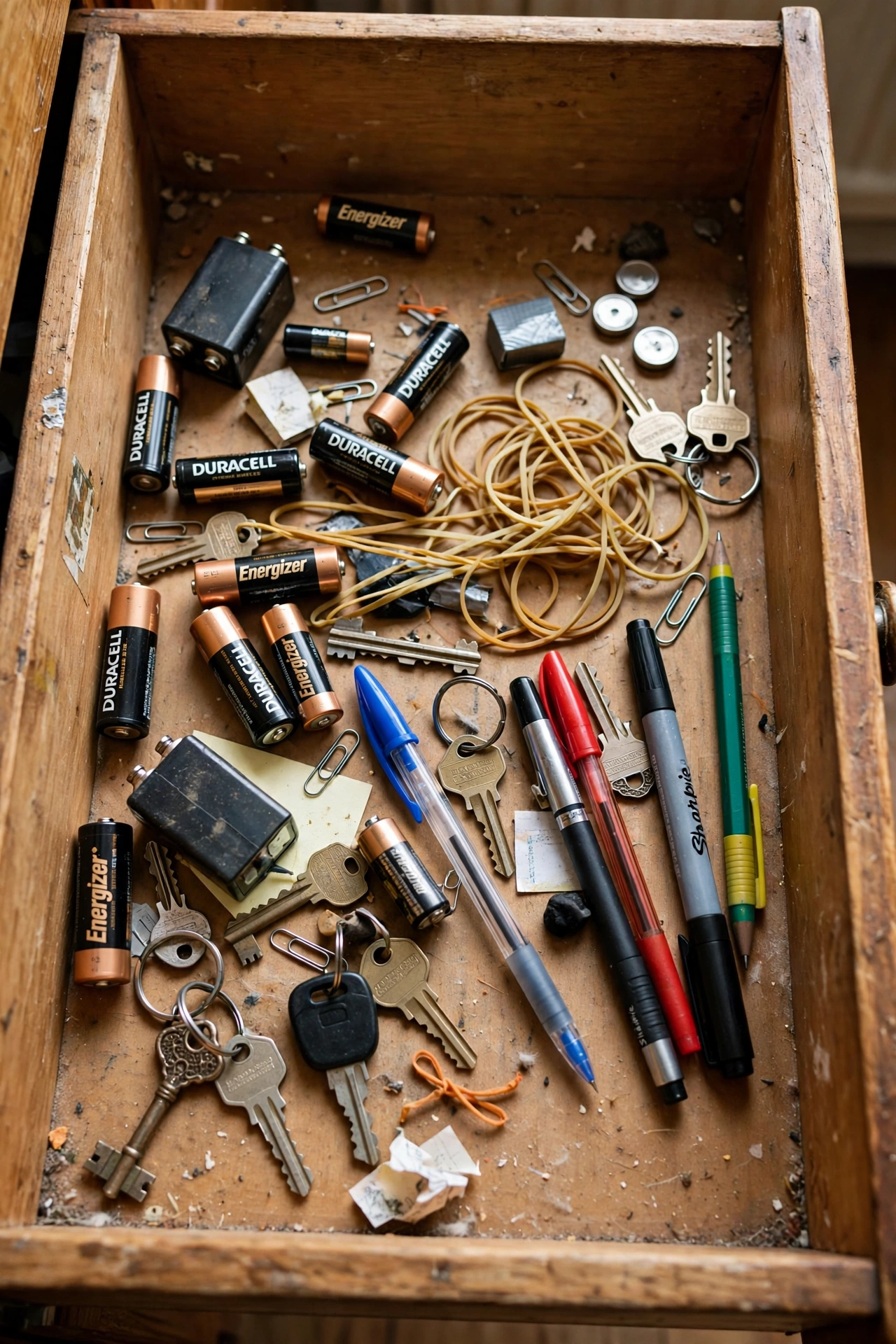
Every house has one drawer where small things go when they have no better place: batteries, rubber bands, old keys, pens that may or may not write, and screws from furniture nobody remembers. The drawer is small and closed, so it feels safe to ignore, yet it wastes time every week when you hunt for scissors or tape. Clearing it gives a quick, contained win, and it proves that one small space can stay tidy.
Try this: tip the whole drawer into a box, test every pen, toss dead batteries and broken bits, and return only the tools you reach for weekly.
Cost: $| Difficulty: Easy | Time: 15 minutes.
4. Closet floor clear-out

Closet floors collect shoes, tote bags, gift bags, and boxes that never made it to a shelf, and the pile grows because the door hides it. Getting dressed takes longer when you dig past shoes to find a pair, and bags on the floor make the whole closet feel crowded even when the hanging clothes are fine. A clear floor makes the closet feel twice as big, and it shows you exactly which shoes and bags you actually use.
Try this: pull everything off the floor, keep only the shoes and bags worn in the last month, and move the rest to a donation bag the same day.
Cost: $| Difficulty: Easy | Time: 30 minutes.
5. Fridge door paper purge

The fridge door turns into a notice board by accident, because every school paper, menu, appointment card, and photo gets pinned there with a magnet. After a few months the layers hide the one paper you need, and the whole kitchen looks busy even when the counters are clear. A bare fridge door gives your eyes a rest, and it forces the important papers to live somewhere you can actually find them.
Try this: take everything down, keep only this week’s menu and one photo, and move school forms and appointment cards to a single folder.
Cost: $| Difficulty: Easy | Time: 10 minutes.
6. Bathroom counter and medicine cabinet

Bathroom counters fill with half-used bottles, dried-out makeup, and products bought for one trip, while the medicine cabinet hides expired medicines behind the daily ones. Mornings feel rushed when you push bottles aside to find the toothpaste, and expired products take space that working ones need. A clear counter makes the morning routine shorter, and a checked cabinet removes the quiet worry about what is past its date.
Try this: check every date, toss dried-out makeup and empty bottles, and bag expired medicines for a take-back drop-off instead of flushing them.
Cost: $| Difficulty: Easy | Time: 15 minutes.
7. Dining table rescue
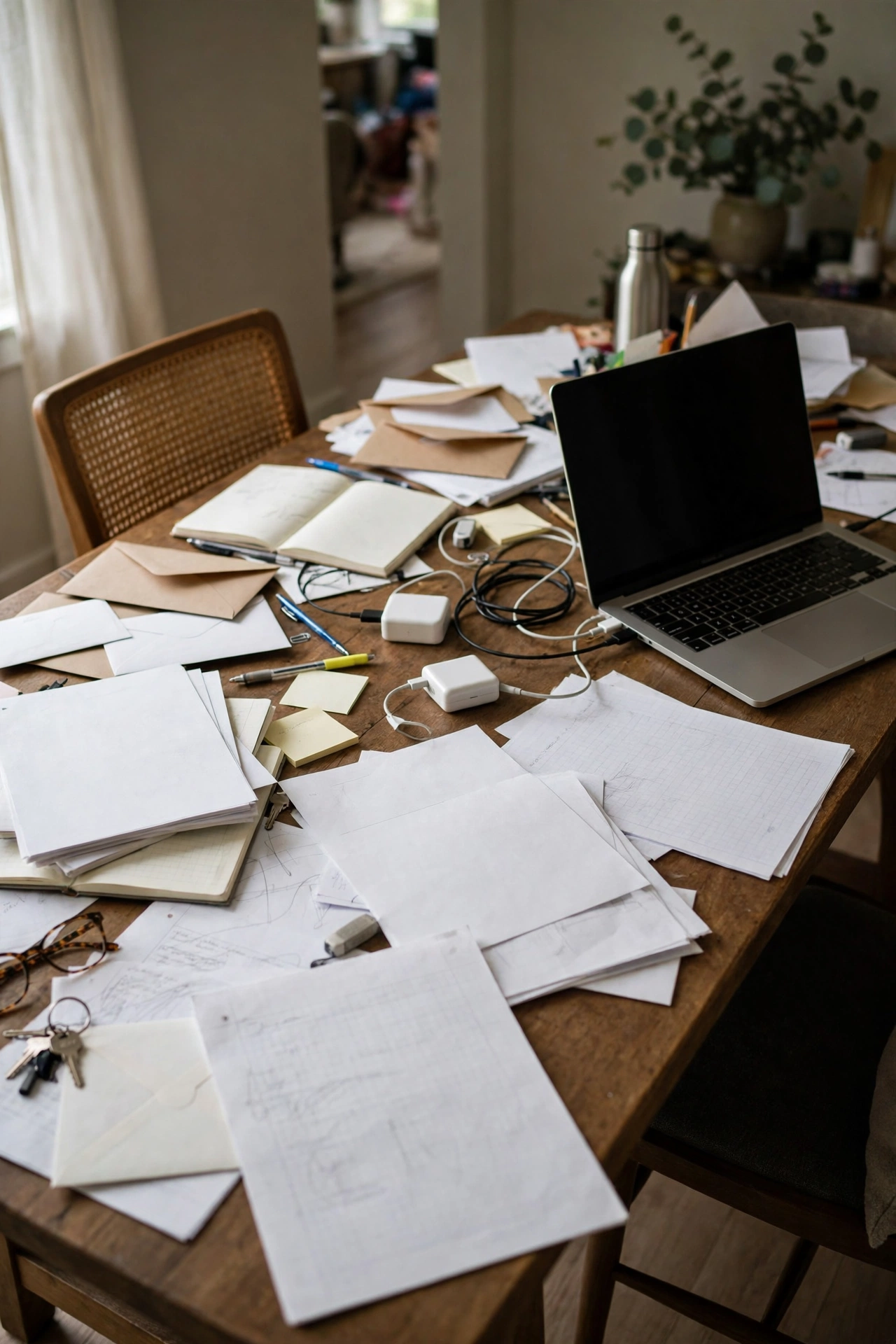
The dining table becomes the family dumping ground because it is big, flat, and in the middle of the house, so homework, chargers, mail, and laptops all land there. Meals get eaten on laps or standing up when the table is covered, and the room loses its job as a gathering place. A clear table brings meals back to the table, and it gives homework and board games a real surface again.
Try this: set one basket near the table for items that belong in other rooms, clear the table completely, and carry the basket around once to put things away.
Cost: $| Difficulty: Easy | Time: 20 minutes.
8. Nightstand calm-down

The nightstand is the last thing you see at night and the first thing you see in the morning, so its clutter follows you into sleep and greets you at waking. Old books, tangled chargers, water glasses, and loose papers stack up because the nightstand is within arm’s reach of the bed. A clear nightstand makes the bedroom feel restful, and it leaves room for the two or three things you actually use at night.
Try this: keep only a lamp, one book, and a water glass, and move chargers to a small tray on the other side of the room.
Cost: $| Difficulty: Easy | Time: 10 minutes.
Compare the clutter hotspots
| Hotspot | Cost | Difficulty | Time | Best for |
|---|---|---|---|---|
| Kitchen counter | $0 | Easy | 10 minutes | A fast visible win |
| Entryway drop zone | $5 | Easy | 20 minutes | Calmer mornings |
| Junk drawer | $0 | Easy | 15 minutes | A contained first win |
| Closet floor | $0 | Easy | 30 minutes | Faster getting dressed |
| Fridge door | $0 | Easy | 10 minutes | Less visual noise |
| Bathroom counter | $0 | Easy | 15 minutes | Shorter mornings |
| Dining table | $0 | Easy | 20 minutes | Meals back at the table |
| Nightstand | $0 | Easy | 10 minutes | A restful bedroom |
How to pick your first spot
Pick the spot that bothers you most when you walk past it, not the spot that looks worst to a guest. The spot that makes your shoulders tense every day is the one whose clearing you will notice every day, and that daily notice keeps the habit alive. Visible spots beat hidden ones for a first win, and small spots beat whole rooms, because a finished spot gives proof that the job can end.
If your desk is the hotspot that bothers you most, these small desk organization ideas keep a work surface clear after the first clear-out. If paper piles survive the first pass, these effective documents organization ideas give every paper family a folder or binder to live in. For the bigger reset around the house, this checklist for getting your life together covers money, home, paperwork, health, and routines in one list. Once a hallway closet is clear, these built in storage under stairs ideas give the keepers a permanent spot instead of a new pile.
Mistakes that stall a clear-out
Starting with the hardest room is the most common stall, because a garage or attic has no quick finish and the session ends with the house looking worse. Buying bins before clearing is another stall, because new containers give clutter a nicer box instead of a way out. Deciding sentimental items first stalls the session hardest of all, because one photo album can eat a whole afternoon. Donation bags with no drop-off date stall the finish, because bags by the door become a new pile.
Give cleared items a next stop on the same day: trash goes out, recycling goes in the bin, and donation bags get a drop-off date on the calendar. The EPA’s reduce, reuse, recycle pages explain what can be reused or recycled instead of trashed, which helps when a bag holds mixed items.
Declutter safety checks
Expired medicines need a safe exit: the FDA’s drug disposal guidance lists take-back locations and mail-back envelopes, and it warns against flushing medicines unless they sit on its flush list. Ask another adult for help with heavy boxes from closet floors or high shelves instead of lifting them alone. Never mix cleaning products when you wipe a cleared surface, and read each label before you spray. Set sentimental items in one box with a clear limit, and return to that box on a day when decisions feel easier.
Frequently asked questions
What is a clutter hotspot?
A clutter hotspot is a flat surface or drop zone where things land because they have no assigned home: kitchen counters, entryways, dining tables, and nightstands. Hotspots share two traits: they sit in daily paths, and they hold mixed items from different rooms. Clearing one hotspot works as inspiration because the result is visible every day, which makes the next hotspot feel doable.
Where should I start if the whole house feels messy?
Start with the spot that bothers you most on a daily basis, not the biggest room. A kitchen counter or nightstand takes 10 minutes and gives a finished result the same day. One finished spot proves the job can end, and that proof matters more than a perfect plan for the whole house.
How long should a first declutter session last?
Keep the first session between 10 and 30 minutes, and finish one spot before starting another. A short session with a clear finish beats a long session that ends mid-pile, because an unfinished pile feels worse than the pile you started with. Set a timer, stop when it rings, and note the next spot for tomorrow.
What do I do with items I cannot decide on?
Put undecided items in one box with a clear limit, such as one small box per room, and set a date to revisit it. Do not let the box sit open-ended: an undecided box without a date becomes a new pile. If the date passes and nothing in the box was missed, the box can go to donation without reopening it.
How do I keep a cleared spot clear?
Give the spot one job and one incoming rule. A kitchen counter keeps only a mail tray, an entryway keeps only this week’s shoes, and a nightstand keeps only a lamp, a book, and a glass. When a new item lands, it either fits the rule or it goes to its room right away, so the spot never quietly fills again.
Final thoughts
Pick one hotspot from this list, set a short timer, and finish it today, because one clear surface does more for your next session than any plan for the whole house.
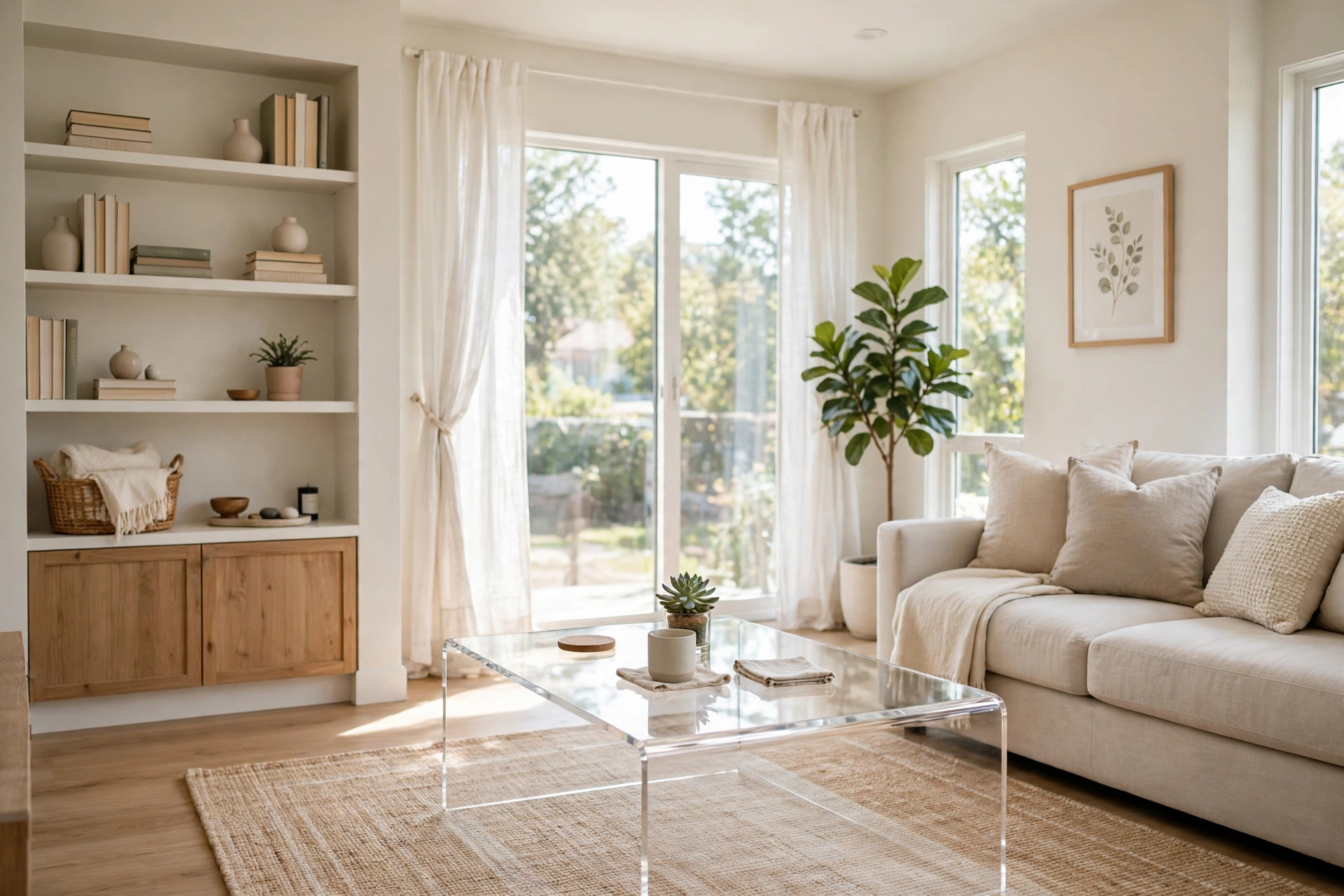
Ready to clear the whole house? See these 10 easy simple steps to declutter your home, from one drawer to a weekly reset.
Want to turn it into a daily habit? Try the 40 bags in 40 days decluttering challenge, from easy wins to the final sweep.