

Introduction
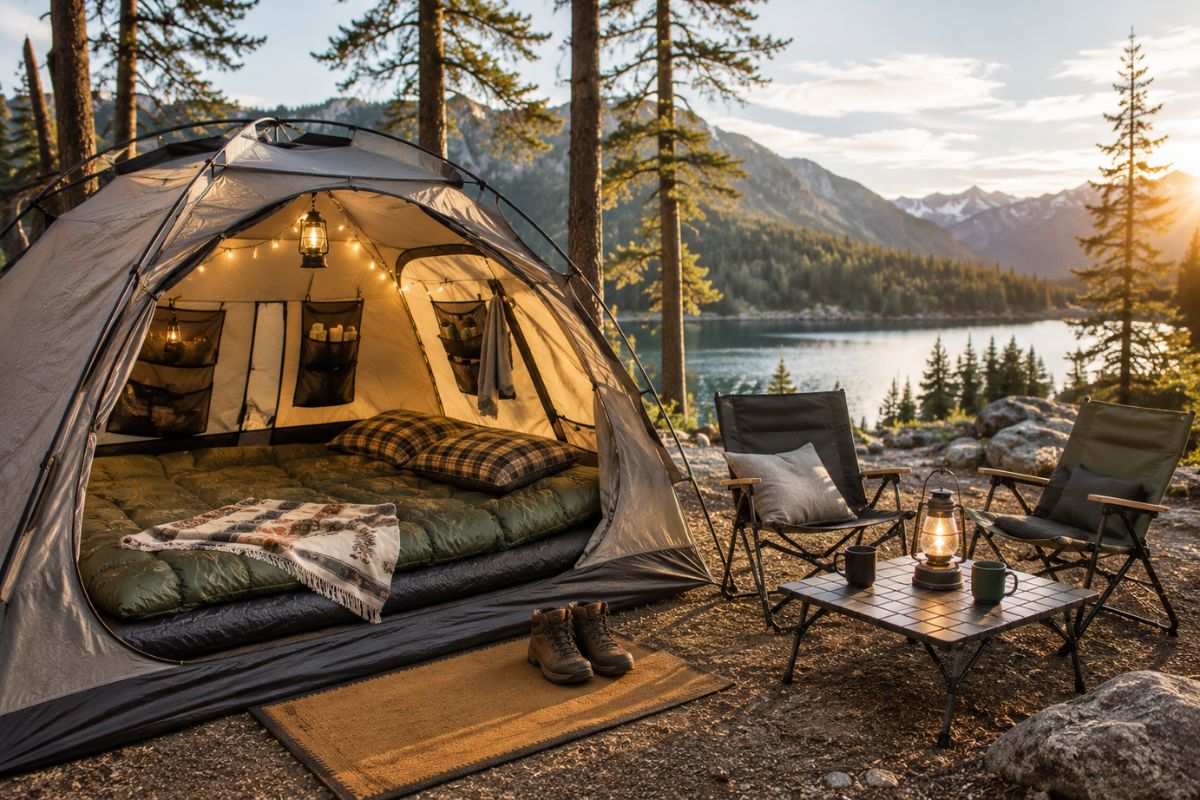
The first time I went camping, I thought all I needed was a tent and a sleeping bag. By the end of the night, I was dealing with a cold floor, clutter everywhere, and barely any sleep. After many trips and plenty of trial and error, I learned that small changes can make a huge difference. A few simple camping tent hacks can help you stay warmer, keep your gear organized, and enjoy a much more comfortable night outdoors.
If you have ever woken up sore, struggled to find your flashlight in the dark, or tracked mud all over your tent, you are not alone. These are common problems for beginners and experienced campers alike. The tips in this guide come from practical camping lessons and proven habits that many outdoor enthusiasts rely on, making it easier for you to avoid mistakes and focus on having fun.
Quick Camping Tent Hacks at a Glance
| Goal | Easy Hack |
|---|---|
| Sleep better | Add foam mats under your sleeping bag |
| Stay dry | Use a ground tarp under the tent |
| Stay warm | Bring a hot water bottle for cold nights |
| Keep things tidy | Hang mesh storage bags |
| Avoid tripping | Use reflective guy lines |
| Reduce moisture | Keep tent vents slightly open |
| Block early sunlight | Cover the tent with a reflective blanket |
| Keep dirt outside | Create a shoe area near the entrance |
Before You Leave Home
A little preparation can save time and stress at the campsite. Before you pack the car, run through this quick checklist:
- Set up your tent once at home to make sure all parts are included.
- Count your poles, stakes, and guy lines.
- Test lanterns and headlamps and pack extra batteries.
- Bring a small repair kit with tape, cord, and a multitool.
- Check the weather forecast so you can pack the right clothing and gear.
- Make sure your sleeping bags, sleeping pads, and pillows fit comfortably inside the tent.
1. Practice Setting Up Your Tent at Home
Do a test setup before your trip. This helps you find missing parts and learn how everything fits together. It also saves time when you arrive at the campsite.

2. Pick a Flat Place to Camp
Choose level ground without rocks or roots. A flat surface makes sleeping more comfortable and helps prevent water from collecting under your tent.

3. Put a Ground Tarp Under the Tent
A tarp protects the tent floor from sharp objects and wet ground. Make sure it does not stick out past the edges, or rainwater may collect underneath.


Amazon Basics Waterproof Camping Tarp
A ground tarp is one of the easiest ways to protect your tent from moisture, dirt, and rough ground. This Amazon Basics waterproof camping tarp creates a durable barrier under your tent, helping keep your sleeping area cleaner and extending the life of your tent.
- ✅ Helps protect your tent floor from rocks and sharp objects
- ✅ Waterproof material helps keep ground moisture away
- ✅ Tear-resistant design with reinforced edges
- ✅ Lightweight and folds easily for camping trips
- ✅ Great for camping, hiking, and outdoor adventures
As an Amazon Associate, we may earn from qualifying purchases at no extra cost to you.
4. Add Foam Mats for Extra Comfort
Foam mats or thick sleeping pads create a softer place to sleep. They also help keep cold air from coming through the ground.


CertiPUR-US Memory Foam Camping Sleeping Pad
A quality foam sleeping pad adds extra cushioning and insulation between you and the cold ground. This CertiPUR-US memory foam camping pad rolls up for easy carrying and helps you enjoy a more comfortable night’s sleep on every camping trip.
- ✅ 3-inch memory foam provides excellent comfort
- ✅ Helps reduce pressure on your back and hips
- ✅ Adds insulation from cold ground
- ✅ Roll-up design with storage straps for easy transport
- ✅ Perfect for camping, road trips, and overnight guests
As an Amazon Associate, we may earn from qualifying purchases at no extra cost to you.
5. Improve Airflow Inside the Tent
Keep small vents or windows slightly open whenever possible. Better airflow reduces condensation and keeps the inside of your tent feeling fresh.

6. Use Battery Powered Lights
Hang lightweight LED lights or bring a lantern. Soft lighting makes it easier to read, organize gear, or move around after dark.

7. Make a Shoe Station Outside
Place a small mat or storage bin near the entrance for shoes. This keeps mud, sand, and dirt from getting inside your sleeping area.

8. Switch to Reflective Guy Lines
Reflective lines are easier to see at night. They help prevent trips and falls when walking around camp.

9. Clip Items to the Tent Walls
Use small clips or carabiners to hang flashlights, towels, hats, or keys. This saves floor space and keeps important items easy to find.

10. Hang a Drying Line
Stretch a cord across one side of the tent or outside under cover. Wet socks and towels dry faster and stay off the ground.

11. Block the Morning Sun
Place a reflective blanket over the tent during hot weather if you want less direct morning sunlight. It may also help slow heat buildup and make sleeping in a little easier.

12. Waterproof the Tent Before Your Trip
Check seams and rain protection before leaving home. A waterproof treatment can help keep moisture outside during unexpected showers.

13. Bring Foam Earplugs
Campgrounds can be noisy with wind, wildlife, or nearby campers. Earplugs are small but can help you sleep through the night.

14. Organize Small Gear in Mesh Bags
Store flashlights, chargers, snacks, or toiletries in hanging mesh bags. You will spend less time searching for items.

15. Warm Your Sleeping Bag with a Hot Water Bottle
Use a leak-proof hot water bottle filled with hot, but not boiling, water before bedtime. Placing it near your feet inside your sleeping bag can make cold nights much more comfortable.

16. Share Warmth with a Double Sleeping Bag
Many campers find that using a double sleeping bag with a partner feels warmer and more comfortable during cool nights.

17. Create a Mud Free Entry Area
Lay down an extra tarp or outdoor mat in front of the tent door. It catches dirt before it gets inside.

18. Bring Compact Camping Furniture
Lightweight folding chairs and tables make meals and relaxing easier without taking up much storage space.

19. Upgrade Your Pillow
Skip tiny inflatable pillows if possible. A compressible camping pillow or even your favorite pillow from home can improve your sleep.

20. Face Your Tent the Right Way
Pay attention to wind and slope when pitching your tent. A smart position helps with drainage and keeps the entrance more comfortable.

Top 5 Camping Tent Hacks to Try First
If you are new to camping or want the biggest improvement with the least effort, start with these five ideas:
- Put a properly sized ground tarp under your tent.
- Add a foam sleeping pad for extra comfort and insulation.
- Keep tent vents open to reduce condensation.
- Organize small items with hanging mesh bags or clips.
- Leave muddy shoes outside on a mat or tarp to keep the tent clean.
Camping Tent Comfort Formula
| If You Want To… | Try This |
|---|---|
| Sleep better | Use a foam sleeping pad and a supportive pillow |
| Stay warm | Bring an insulated sleeping bag and warm layers |
| Stay dry | Set up on level ground and use a ground tarp |
| Stay organized | Hang mesh storage bags and use small clips |
| Keep the tent clean | Create a shoe station outside the entrance |
| Find things at night | Use battery-powered LED lights or a headlamp |
Camping Tent Essentials Checklist
Before leaving home, make sure you pack these useful items:
- Ground tarp
- Foam sleeping pad
- Sleeping bag
- Comfortable pillow
- Battery powered lantern
- Headlamp
- Extra batteries
- Repair tape
- Spare tent stakes
- Paracord
- Mesh storage bags
- Reusable water bottle
- Power bank
- Waterproof bags
- Small first aid kit
Keep Bugs Out of Your Tent
Nobody wants to spend the night dealing with mosquitoes or other insects. These simple habits can help keep bugs outside where they belong:
- Keep the tent door zipped whenever possible.
- Avoid storing open food inside the sleeping area.
- Shake out blankets and clothing before bringing them into the tent.
- Empty trash regularly and keep it away from your campsite.
- Use the tent’s mesh windows and screens for airflow while keeping insects out.
Common Tent Camping Mistakes to Avoid
Many campers make simple mistakes that reduce comfort. Try to avoid these problems:
- Setting up on uneven ground
- Leaving the tarp sticking out from under the tent
- Closing every vent and trapping moisture inside
- Bringing muddy shoes into the tent
- Forgetting extra stakes or repair supplies
- Leaving gear scattered across the floor
- Using weak lighting after dark
- Waiting until the campsite to learn how to pitch the tent
Camping Tent Hacks for Families
Family camping can feel much easier with a few extra tricks.
- Give each child a different colored storage bag.
- Keep bedtime items together in one basket.
- Hang a small light near each sleeping spot.
- Store snacks in sealed containers.
- Use labeled bags for clothes and toiletries.
- Keep games or books in an easy to reach pocket.
These simple habits reduce clutter and help everyone find what they need.
Frequently Asked Questions
How can I make my tent more comfortable?
Use foam sleeping pads, bring a better pillow, improve airflow, organize your gear, and keep the floor clean.
What should I put under my tent?
A properly sized ground tarp protects the bottom of the tent and helps reduce moisture.
How do I stop condensation inside my tent?
Keep vents open, allow fresh air to move through the tent, and avoid drying wet clothes inside overnight.
How do I stay warm while camping?
Layer your sleeping area with insulated pads, use a quality sleeping bag, wear warm clothes, and use a sealed hot water bottle before bed if needed.
How do I organize a small tent?
Use hanging organizers, clips, mesh bags, and storage bins so important items stay off the floor and are easy to find.
What should you never do inside a camping tent?
Do not use open flames, charcoal grills, or fuel-burning heaters inside a tent. These can create serious fire hazards and dangerous gases.
How can you make a camping tent feel more like home?
Add soft bedding, bring a comfortable pillow, use warm LED lighting, and keep your gear neatly organized. A clean setup can make even a small tent feel cozy and relaxing.
Conclusion
After trying different camping setups over the years, I have found that comfort does not depend on buying the most expensive gear. It comes from smart planning and a few simple habits that solve everyday problems before they happen. Start with the hacks that fit your style of camping, adjust them as you gain experience, and you will be surprised how much easier and more enjoyable every trip becomes.