


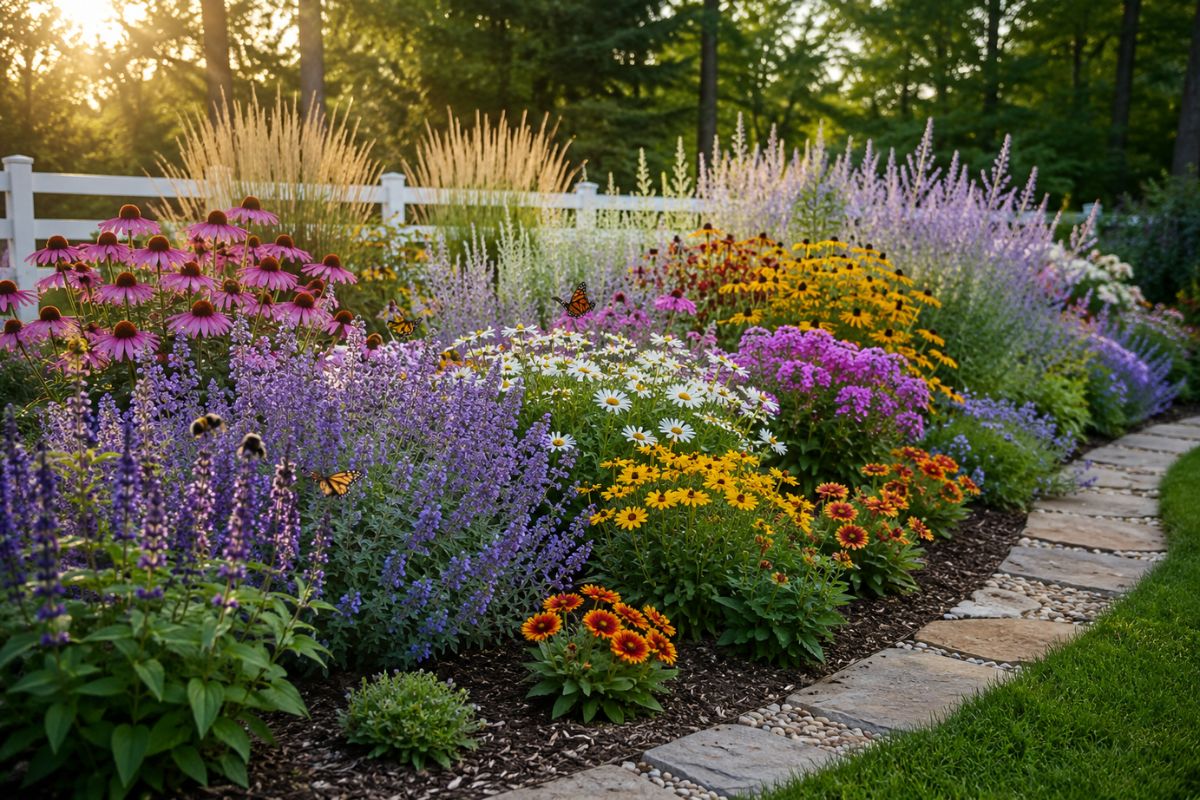
Every spring, my garden looked bright and full of flowers, but the color never lasted as long as I wanted. By the middle of summer, many plants had finished blooming, leaving empty spaces that made the garden feel dull. I found myself buying new flowers every year just to keep my flower beds looking alive, which took more time, effort, and money than I expected.
That changed when I started growing long-blooming perennials. After trying different varieties over several seasons, I discovered that choosing plants with different bloom times could keep my garden colorful from late spring until fall with much less work. If you’re looking for flowers that return every year and provide months of beautiful blooms, these long-blooming perennials are some of the best choices to help you create a vibrant, low-maintenance garden.
What Are Long-Blooming Perennials?
Long-blooming perennials are flowering plants that return every year and produce blooms for several weeks or even months. Unlike annual flowers that need to be replanted each season, these plants come back on their own and provide reliable color with less work.
One of the best ways to enjoy flowers from spring through fall is to combine perennials that bloom at different times. This creates a garden that stays bright and colorful for much longer while also attracting butterflies, bees, and hummingbirds.
How to Choose the Right Long-Blooming Perennial
Choosing the right perennial depends on your garden conditions and the look you want to create. Before planting, keep these simple tips in mind:
- Choose plants that match your USDA hardiness zone.
- Check whether your garden gets full sun or partial shade.
- Pick flower colors that work well together.
- Mix short, medium, and tall plants for a layered garden.
- Include pollinator-friendly flowers to attract bees and butterflies.
- Select low-maintenance varieties if you want an easy-care garden.
A little planning helps your flower beds stay healthy and colorful throughout the growing season.
For more ideas for low-light spots, see our guide to shade perennials for a lush garden.
Catmint
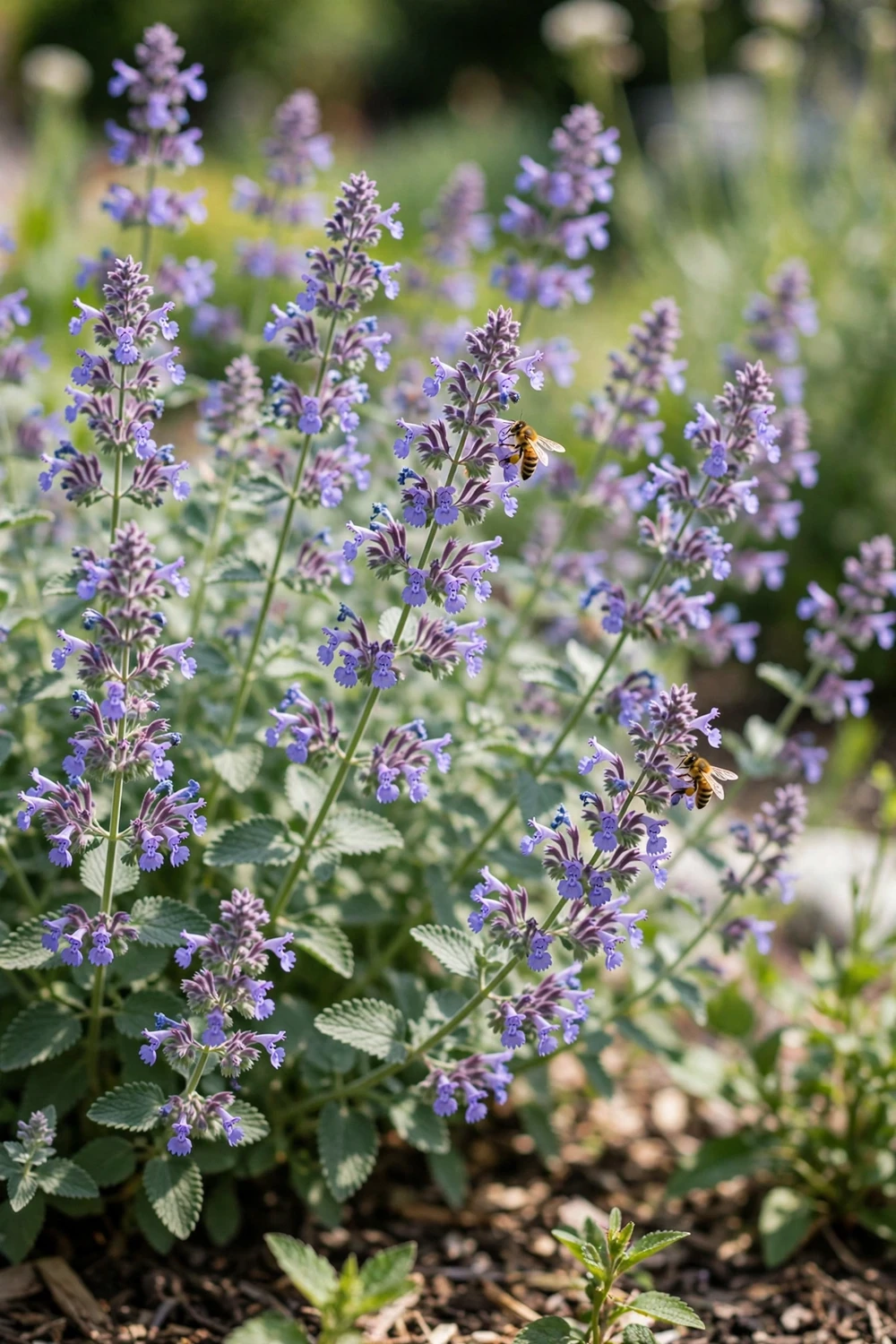
Catmint is one of the easiest perennials to grow if you want months of soft color. It produces spikes of lavender-blue flowers from late spring through early fall and quickly fills empty spaces in flower beds.
This plant loves full sun and grows well in well-drained soil. Once established, it handles dry weather with very little care, making it a great choice for busy gardeners.
Its fragrant leaves help keep deer and rabbits away, while the flowers attract bees, butterflies, and other helpful pollinators.
Growing Tips
| Feature | Details |
|---|---|
| Bloom Time | Late Spring to Early Fall |
| Sun | Full Sun |
| Soil | Well-drained soil |
| Height | 18–36 inches |
| USDA Zones | 3–8 |
Garden Tip: Trim the plant after the first big bloom to encourage another flush of flowers later in summer.
Shasta Daisy
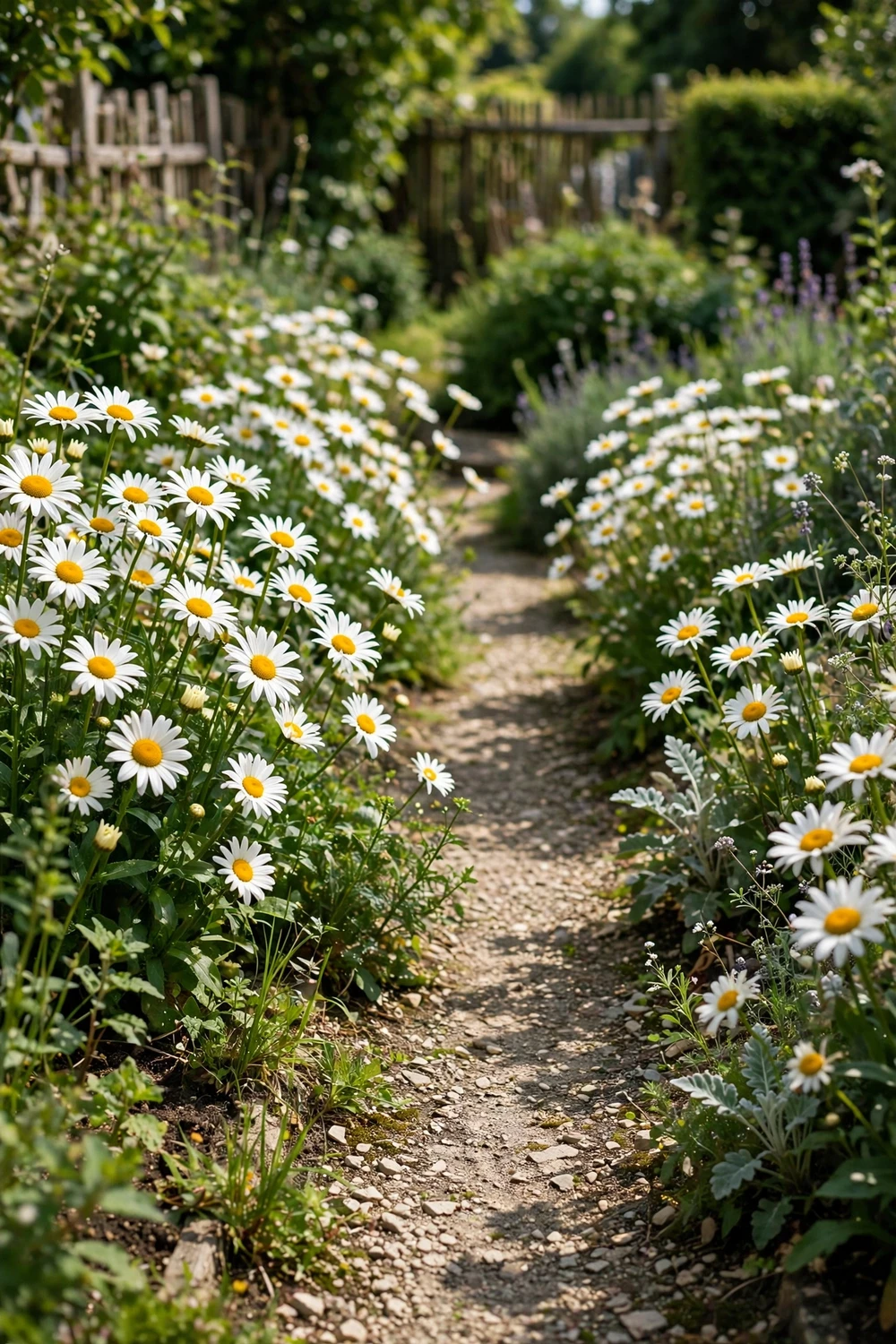
Shasta daisies bring a classic look to any garden with their bright white petals and cheerful yellow centers. They bloom for many weeks during summer and continue producing flowers when old blooms are removed.
These perennials look beautiful along walkways, mixed borders, and cottage gardens. Their clean white flowers also make excellent cut flowers for indoor arrangements.
Butterflies enjoy visiting Shasta daisies, making them a great addition to pollinator-friendly gardens.
Growing Tips
| Feature | Details |
|---|---|
| Bloom Time | Early Summer to Early Fall |
| Sun | Full Sun |
| Soil | Rich, well-drained soil |
| Height | 2–4 feet |
| USDA Zones | 5–9 |
Garden Tip: Remove faded flowers often to keep new blooms coming throughout the season.
Reblooming Daylily
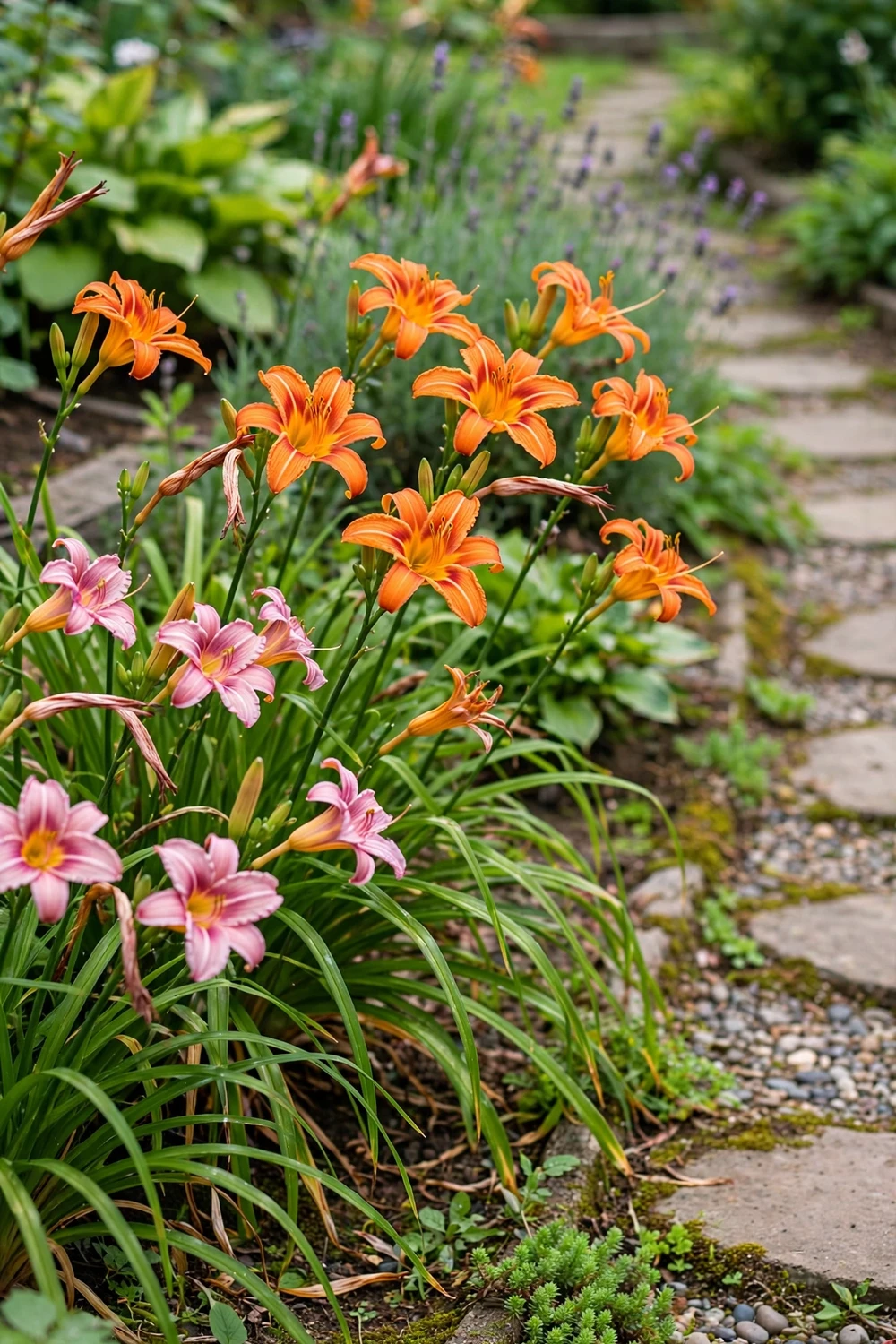
Reblooming daylilies offer colorful flowers for much longer than traditional varieties. While each flower lasts only one day, reblooming varieties continue producing new buds for weeks, giving the plant a fresh look throughout summer.
These plants grow well in many climates and are known for being reliable year after year. They come in many colors, including yellow, orange, red, pink, and deep purple.
Daylilies work well in borders, around fences, and beside garden paths where their bright blooms can easily be enjoyed.
Growing Tips
| Feature | Details |
|---|---|
| Bloom Time | Late Spring through Summer |
| Sun | Full Sun to Partial Shade |
| Soil | Average, well-drained soil |
| Height | 18–36 inches |
| USDA Zones | 3–9 |
Garden Tip: Remove spent flowers regularly to help the plant focus on producing new buds.
Blanket Flower
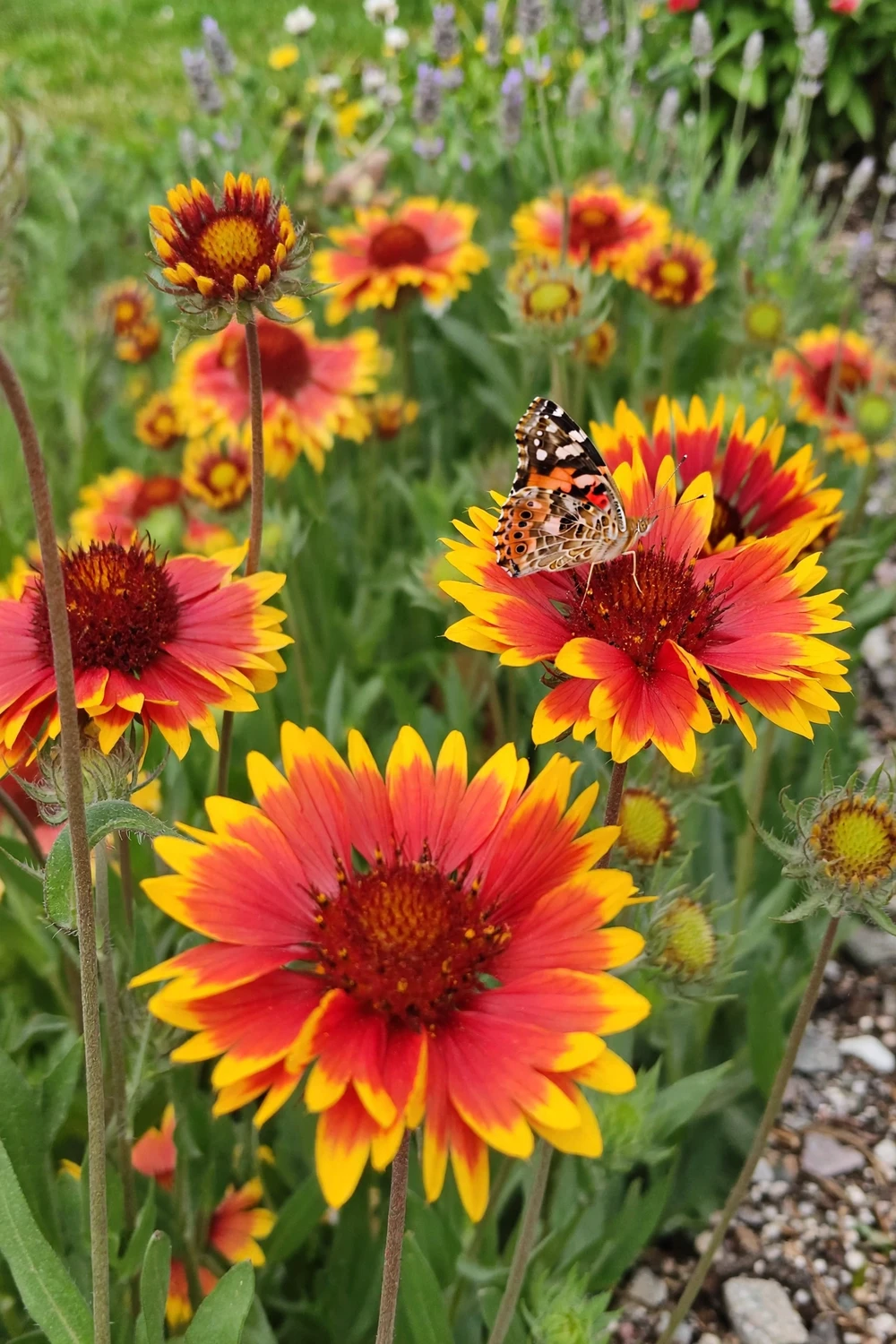
Blanket flower adds warm shades of red, orange, and yellow that brighten the garden from early summer until the first frost. Its colorful blooms stand out even during hot, dry weather.
This tough perennial grows well in poor soil where many other flowers struggle. It is an excellent choice for sunny borders, rock gardens, and drought-friendly landscapes.
The nectar-rich flowers attract butterflies and bees throughout the growing season.
Growing Tips
| Feature | Details |
|---|---|
| Bloom Time | Early Summer until Frost |
| Sun | Full Sun |
| Soil | Sandy or well-drained soil |
| Height | 12–24 inches |
| USDA Zones | 3–10 |
Garden Tip: Deadhead old flowers every few weeks to keep fresh blooms appearing.
Russian Sage
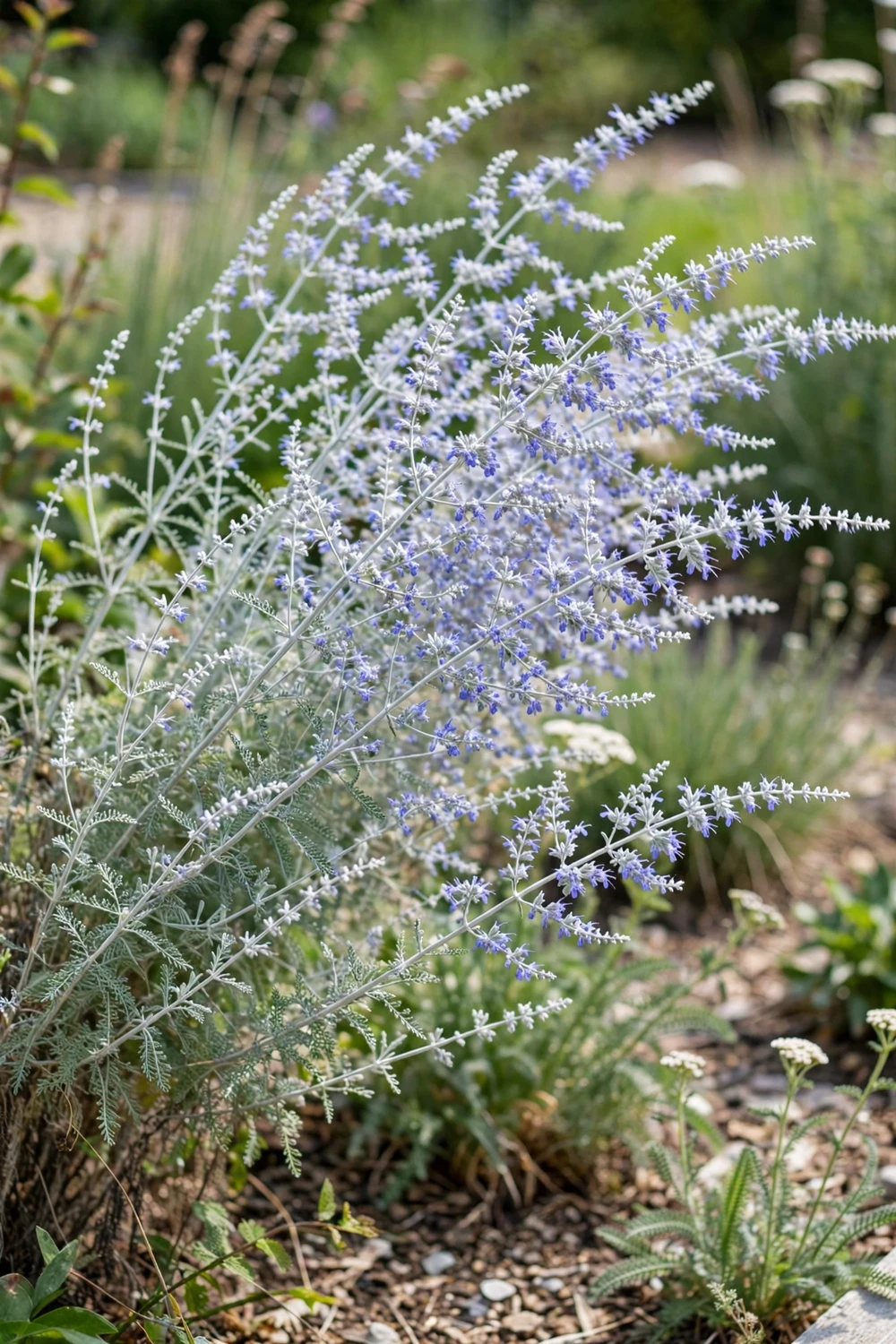
Russian sage creates a soft cloud of lavender-blue flowers that lasts from midsummer into fall. Its silvery stems and airy shape add texture and movement to the garden.
This perennial thrives in hot, sunny locations and needs very little watering once established. It pairs beautifully with ornamental grasses and bright summer flowers.
Its fragrant foliage helps discourage deer while attracting bees and butterflies throughout the growing season.
Growing Tips
| Feature | Details |
|---|---|
| Bloom Time | Midsummer to Fall |
| Sun | Full Sun |
| Soil | Dry, well-drained soil |
| Height | 3–5 feet |
| USDA Zones | 4–9 |
Garden Tip: Cut the stems back in early spring before new growth begins to keep the plant full and healthy.
Helenium
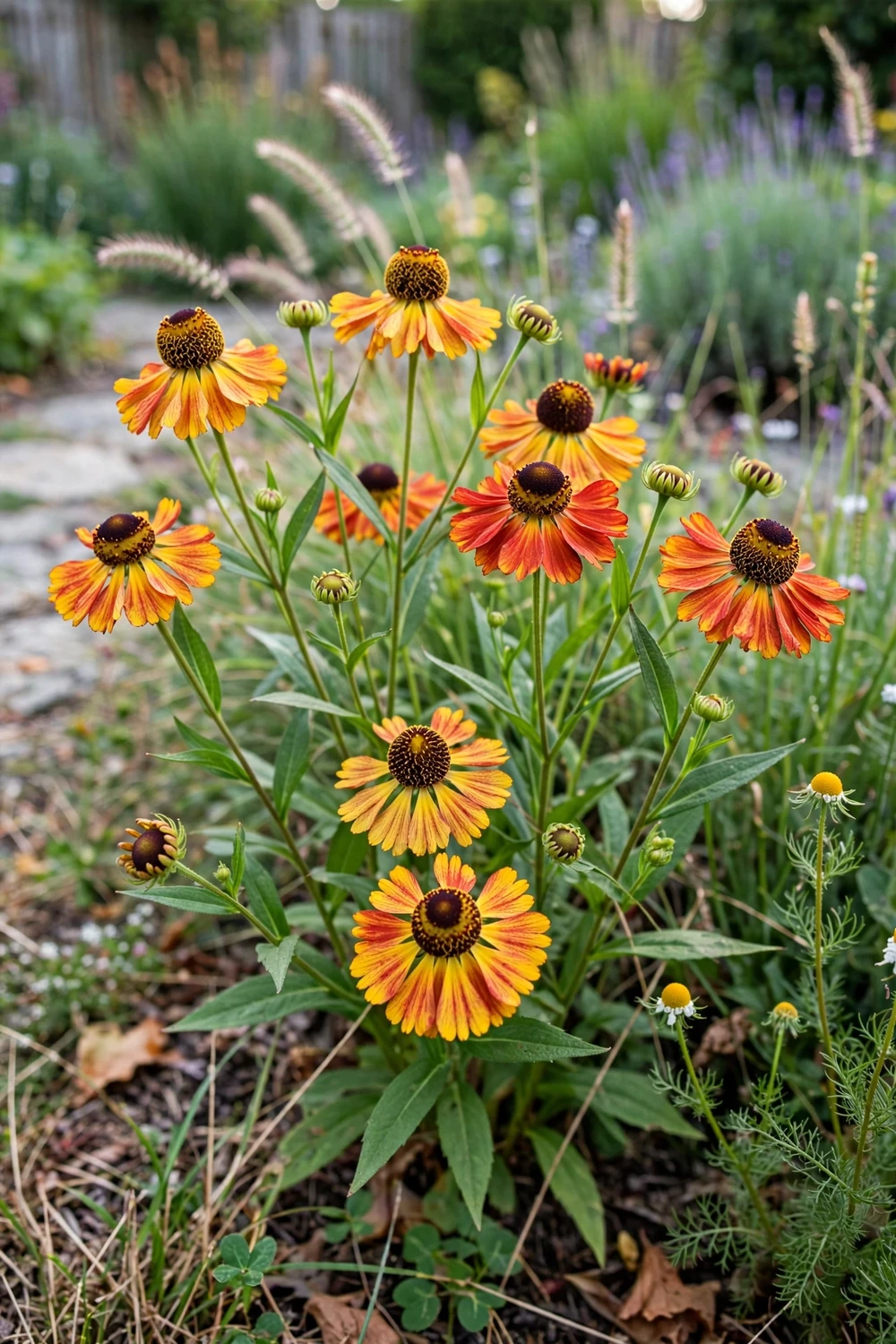
Helenium brings warm shades of yellow, orange, and deep red to the garden when many summer flowers begin to fade. It blooms from late summer into fall, helping your flower beds stay bright during the final months of the growing season.
Its daisy-like flowers attract butterflies and bees, making it an excellent choice for pollinator gardens. Helenium also blends well with ornamental grasses and other late-season perennials.
Although it prefers evenly moist soil, it becomes a dependable and long-lasting perennial once established.
Growing Tips
| Feature | Details |
|---|---|
| Bloom Time | Late Summer to Fall |
| Sun | Full Sun |
| Soil | Moist, well-drained soil |
| Height | 3–5 feet |
| USDA Zones | 3–8 |
Garden Tip: Pinch back stems in early summer to encourage bushier plants with more flowers.
Garden Phlox
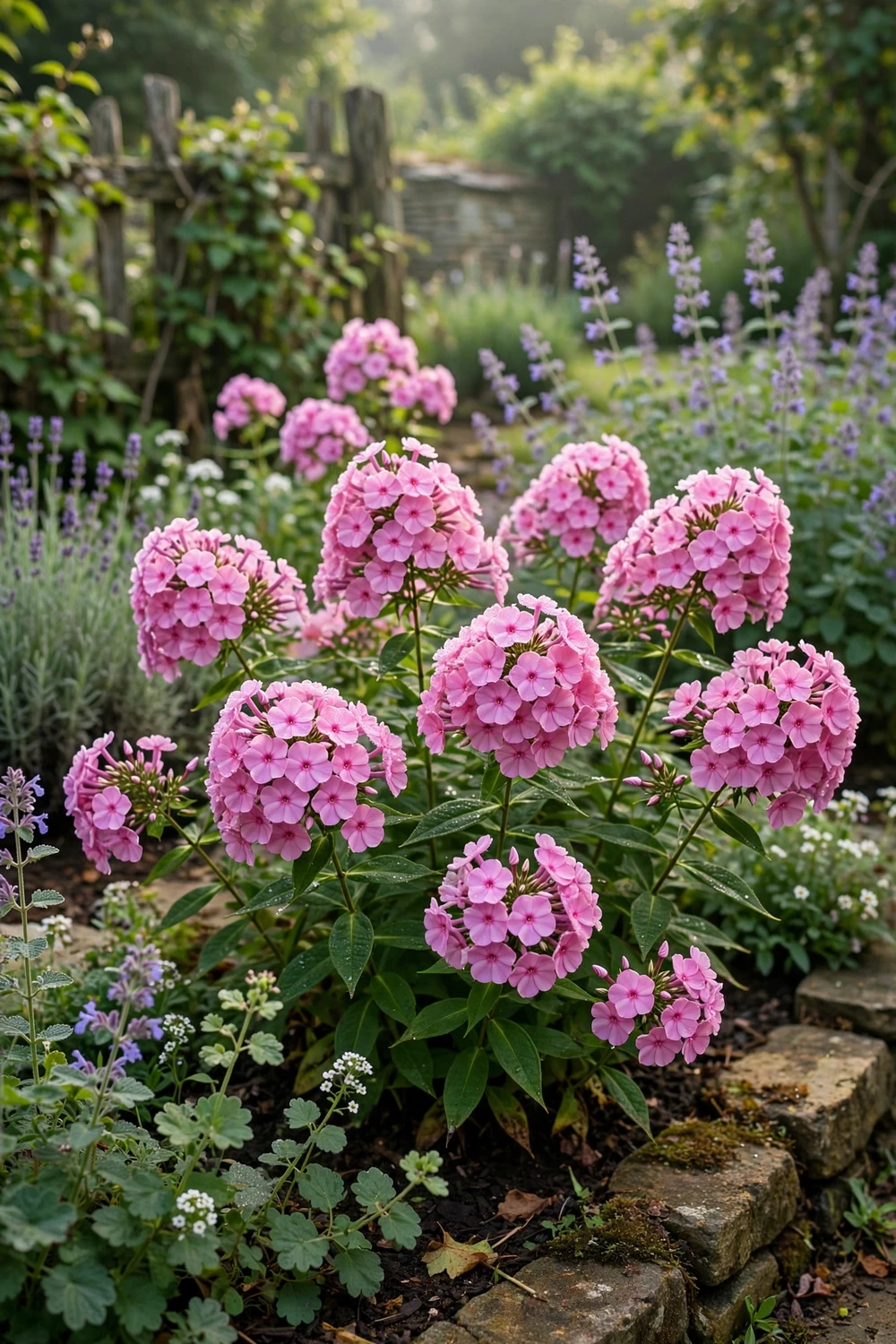
Garden phlox is known for its large clusters of colorful flowers and sweet fragrance. It blooms from midsummer into early fall, adding fresh color when many spring flowers have already faded.
The flowers come in shades of pink, purple, white, red, and lavender. Butterflies, hummingbirds, and bees all enjoy visiting these nectar-rich blooms.
Garden phlox looks beautiful in cottage gardens, mixed borders, and cutting gardens.
Growing Tips
| Feature | Details |
|---|---|
| Bloom Time | Midsummer to Early Fall |
| Sun | Full Sun to Partial Shade |
| Soil | Rich, well-drained soil |
| Height | 2–4 feet |
| USDA Zones | 4–8 |
Garden Tip: Leave enough space between plants to improve air circulation and help prevent powdery mildew.
Salvia
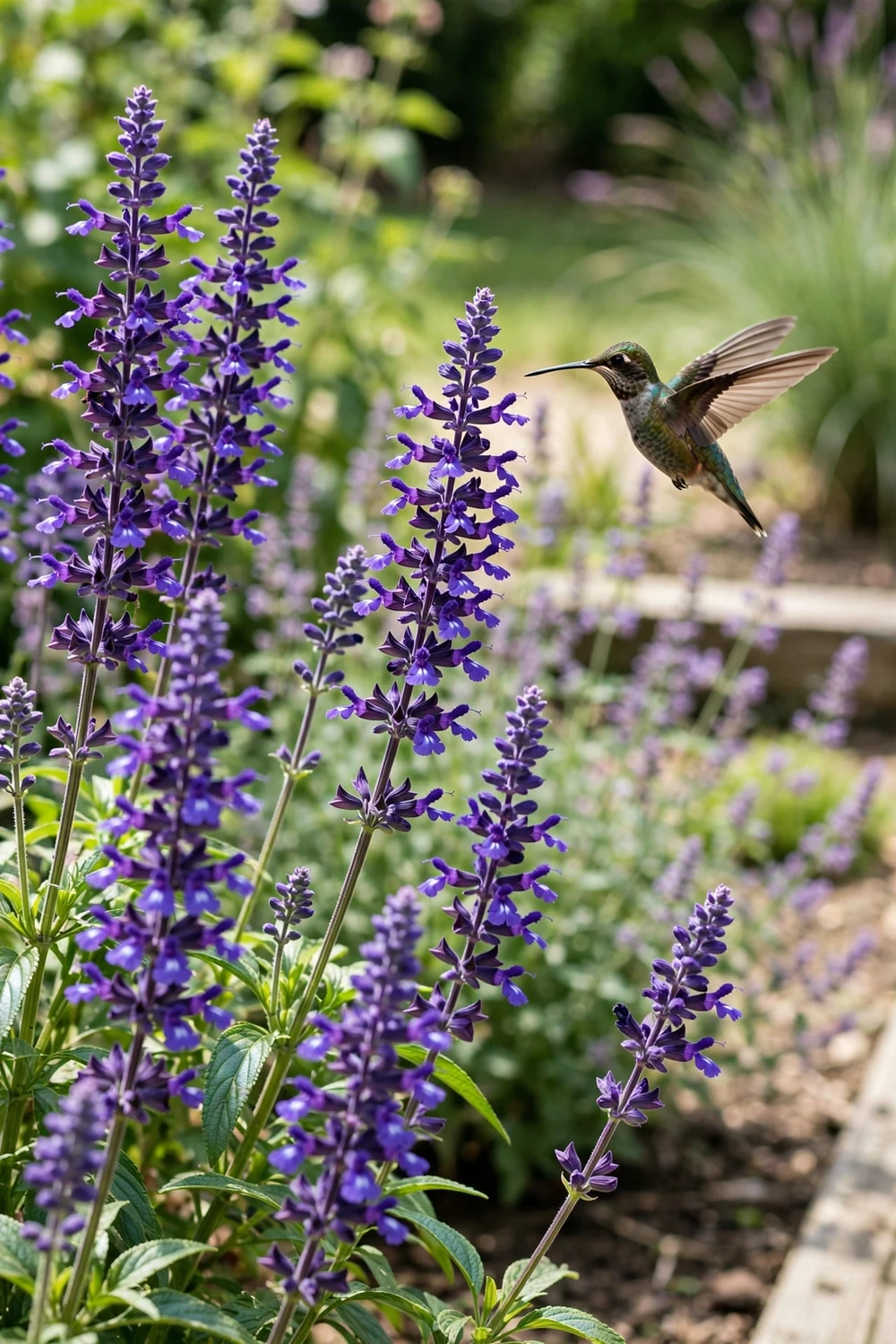
Salvia is one of the longest-blooming perennials for sunny gardens. Its tall flower spikes bloom for months and attract hummingbirds, butterflies, and bees throughout the season.
Most varieties produce rich blue or purple flowers, although pink, red, and white options are also available. The plant handles heat and dry weather very well.
Salvia works beautifully along borders, pathways, and pollinator gardens where it adds height and lasting color.
Growing Tips
| Feature | Details |
|---|---|
| Bloom Time | Late Spring through Fall |
| Sun | Full Sun |
| Soil | Well-drained soil |
| Height | 18–36 inches |
| USDA Zones | 4–10 |
Garden Tip: Cut flower spikes back after the first bloom to encourage another round of flowers.
Hardy Geranium
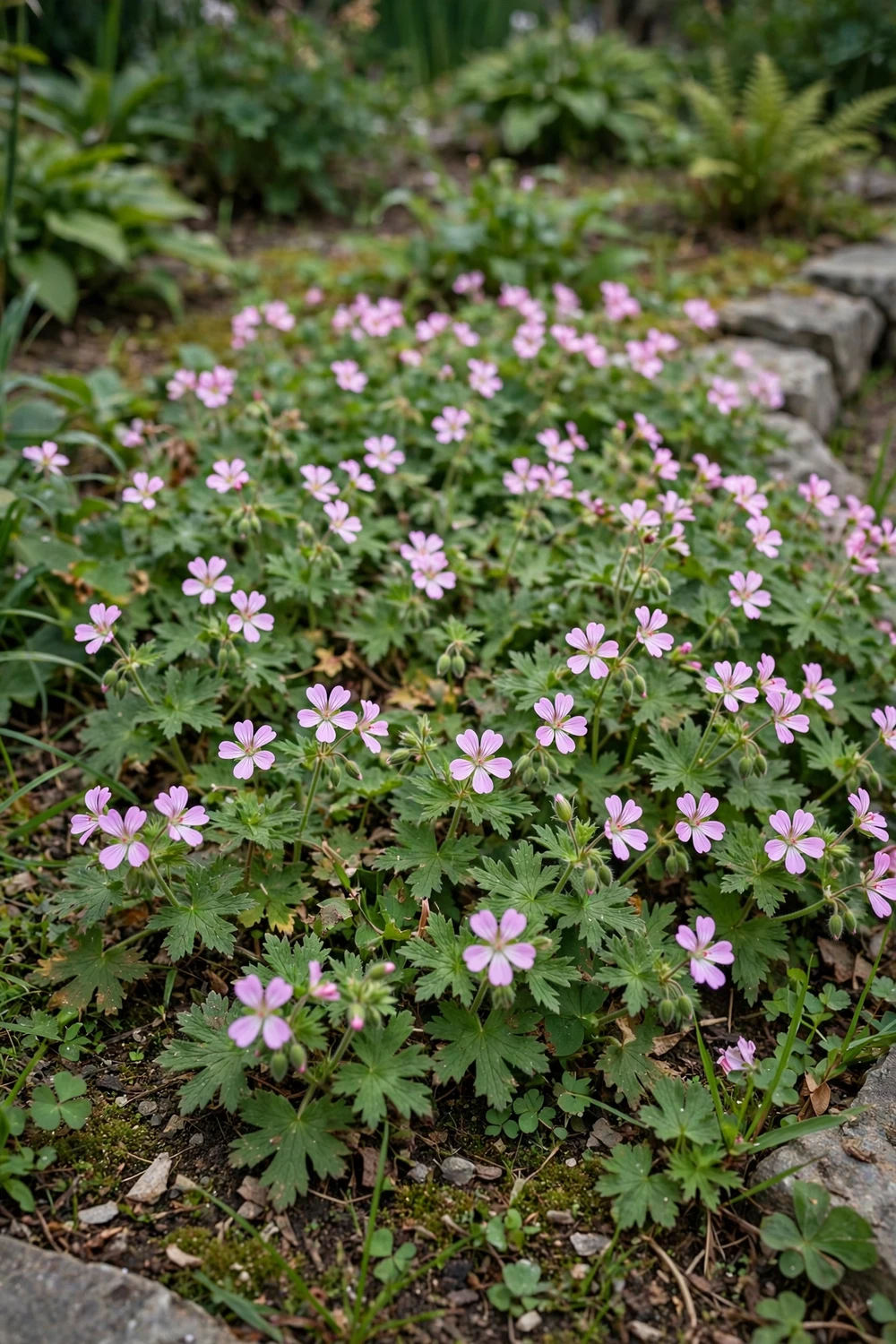
Hardy geranium is a low-maintenance perennial that spreads gently across flower beds with soft pink, purple, blue, or white blooms. Many varieties flower from late spring through summer, and some continue blooming into fall with regular trimming.
Unlike annual geraniums, this hardy variety returns every year and grows well in both sunny and partly shaded gardens.
Its spreading habit makes it an excellent ground cover that helps reduce weeds while adding continuous color.
Growing Tips
| Feature | Details |
|---|---|
| Bloom Time | Late Spring through Summer |
| Sun | Full Sun to Partial Shade |
| Soil | Well-drained soil |
| Height | 12–24 inches |
| USDA Zones | 4–8 |
Garden Tip: Trim the plant lightly after the first bloom to encourage fresh leaves and another flush of flowers.
Sedum
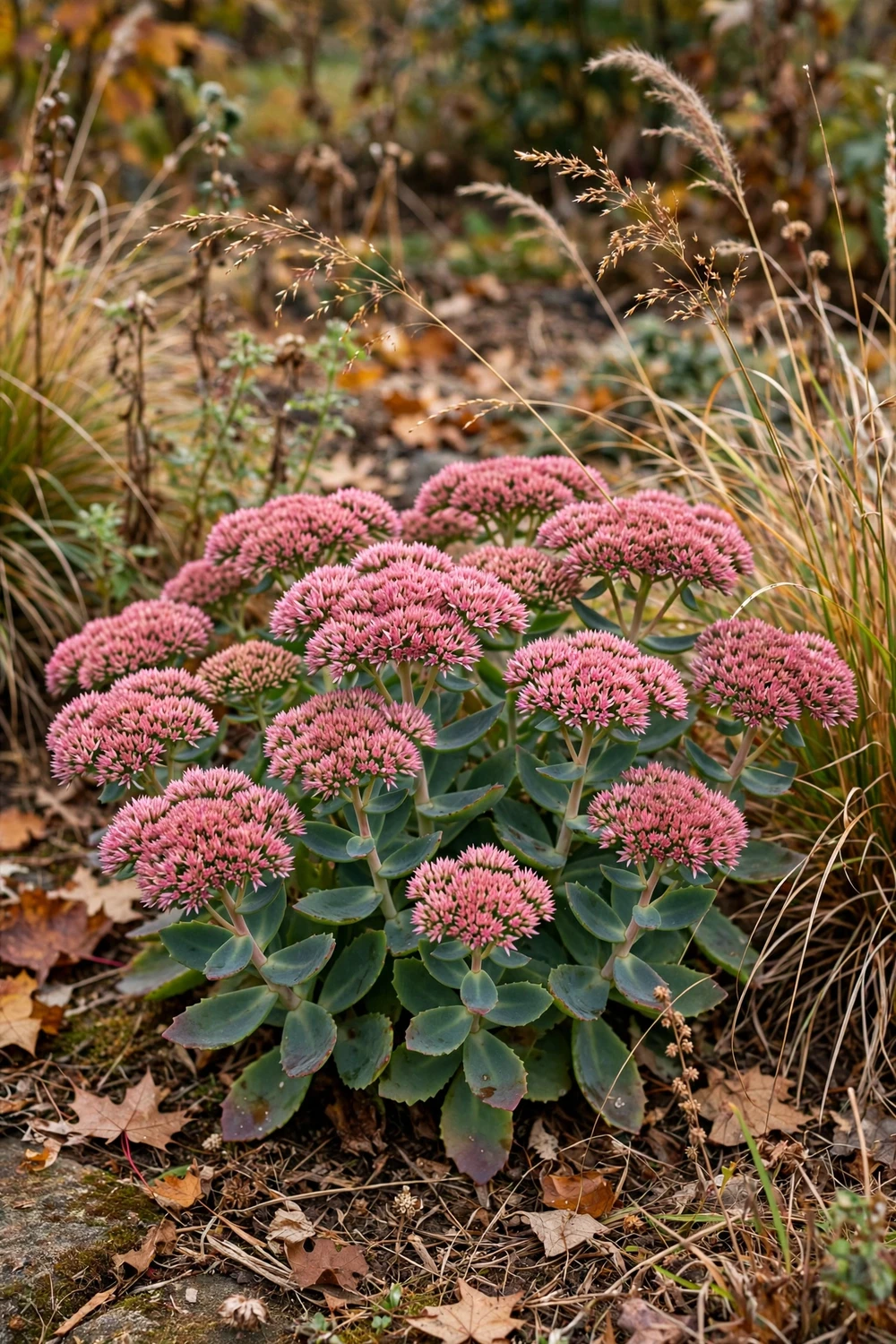
Sedum, also called stonecrop, is one of the easiest perennials for busy gardeners. It stores water in its thick leaves, making it highly drought tolerant once established.
Its flower heads appear in late summer and continue into fall, changing from soft pink to deep rose as they mature. The flowers attract bees and butterflies, while the dried seed heads continue adding interest to the garden during winter.
Sedum pairs well with ornamental grasses and other late-season bloomers.
Growing Tips
| Feature | Details |
|---|---|
| Bloom Time | Late Summer to Fall |
| Sun | Full Sun |
| Soil | Sandy, well-drained soil |
| Height | 18–24 inches |
| USDA Zones | 3–9 |
Garden Tip: Avoid overwatering. Sedum grows best in slightly dry soil.
Heliopsis
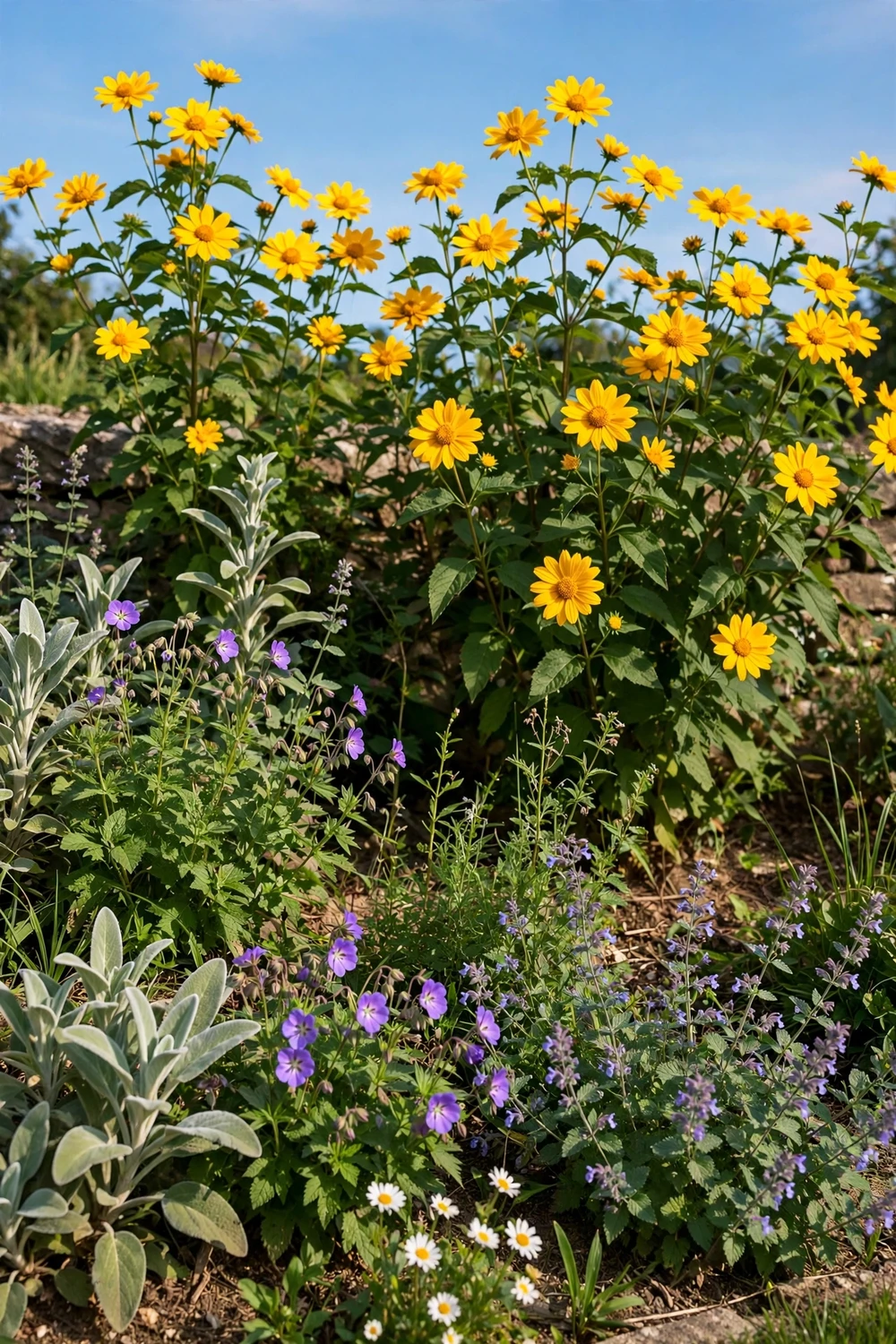
Heliopsis, also called false sunflower, brings bright golden flowers to the garden for months. Its cheerful blooms look similar to sunflowers but last much longer, making it a favorite for sunny flower beds.
This easy-care perennial grows upright and produces dozens of flowers from midsummer until frost. Butterflies and bees visit the blooms all season, adding even more life to your garden.
Heliopsis works well at the back of flower borders where its tall stems create a colorful backdrop.
Growing Tips
| Feature | Details |
|---|---|
| Bloom Time | Midsummer until Frost |
| Sun | Full Sun |
| Soil | Average, well-drained soil |
| Height | 3–6 feet |
| USDA Zones | 3–9 |
Garden Tip: Remove faded flowers to encourage more blooms and stake taller plants if they begin to lean.
Chrysanthemum
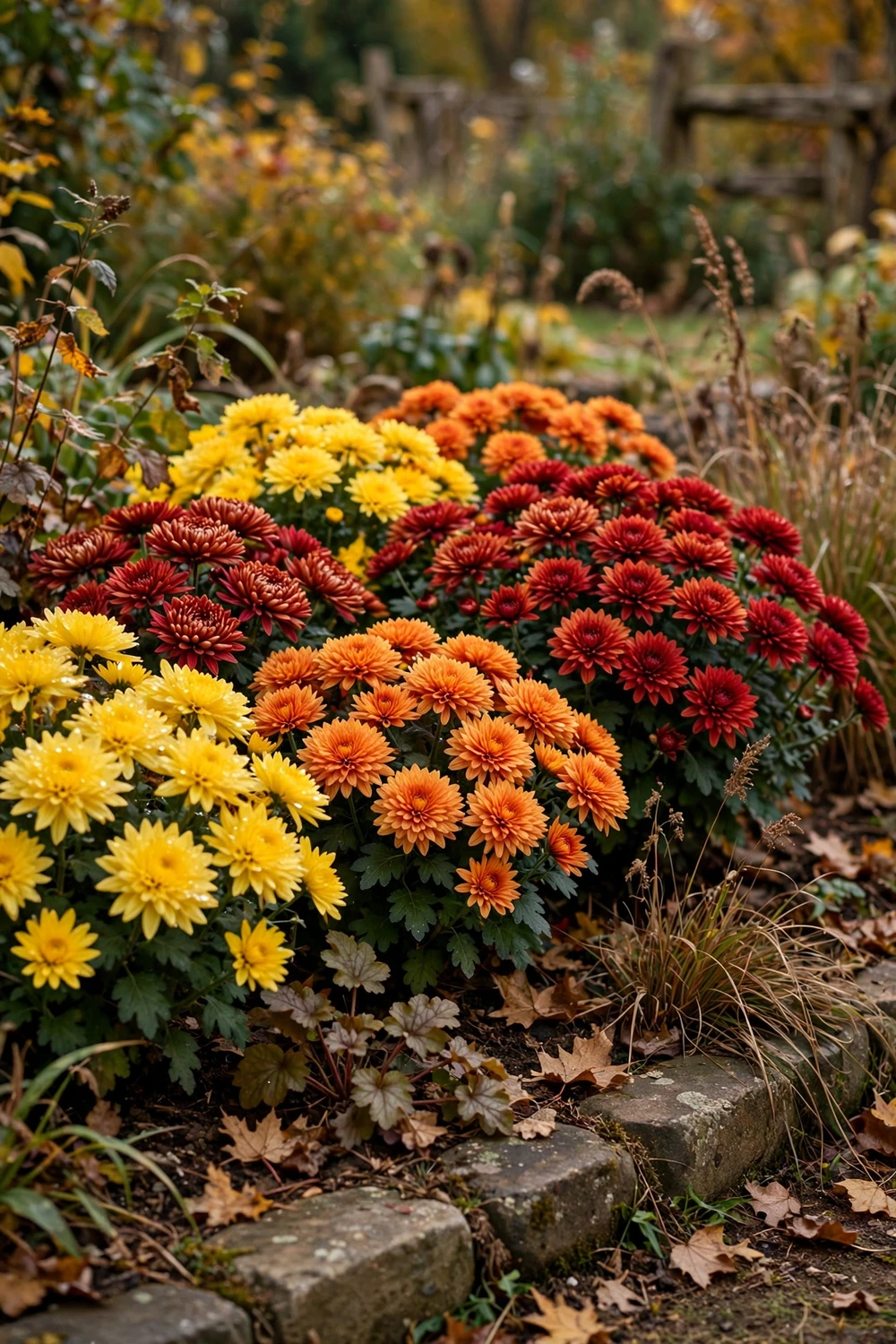
Chrysanthemums, often called mums, are famous for filling gardens with color when most summer flowers have finished blooming. Their rich shades of yellow, orange, pink, red, purple, and white brighten the landscape through fall.
These long-lasting flowers look beautiful in borders, containers, and cottage gardens. In many USDA growing zones, garden chrysanthemums return every year when planted early and given winter protection.
They also make excellent cut flowers for indoor arrangements.
Growing Tips
| Feature | Details |
|---|---|
| Bloom Time | Late Summer through Fall |
| Sun | Full Sun |
| Soil | Fertile, well-drained soil |
| Height | 1–3 feet |
| USDA Zones | 5–9 |
Garden Tip: Pinch back stems during late spring or early summer to create fuller plants with more flowers.
Coneflower
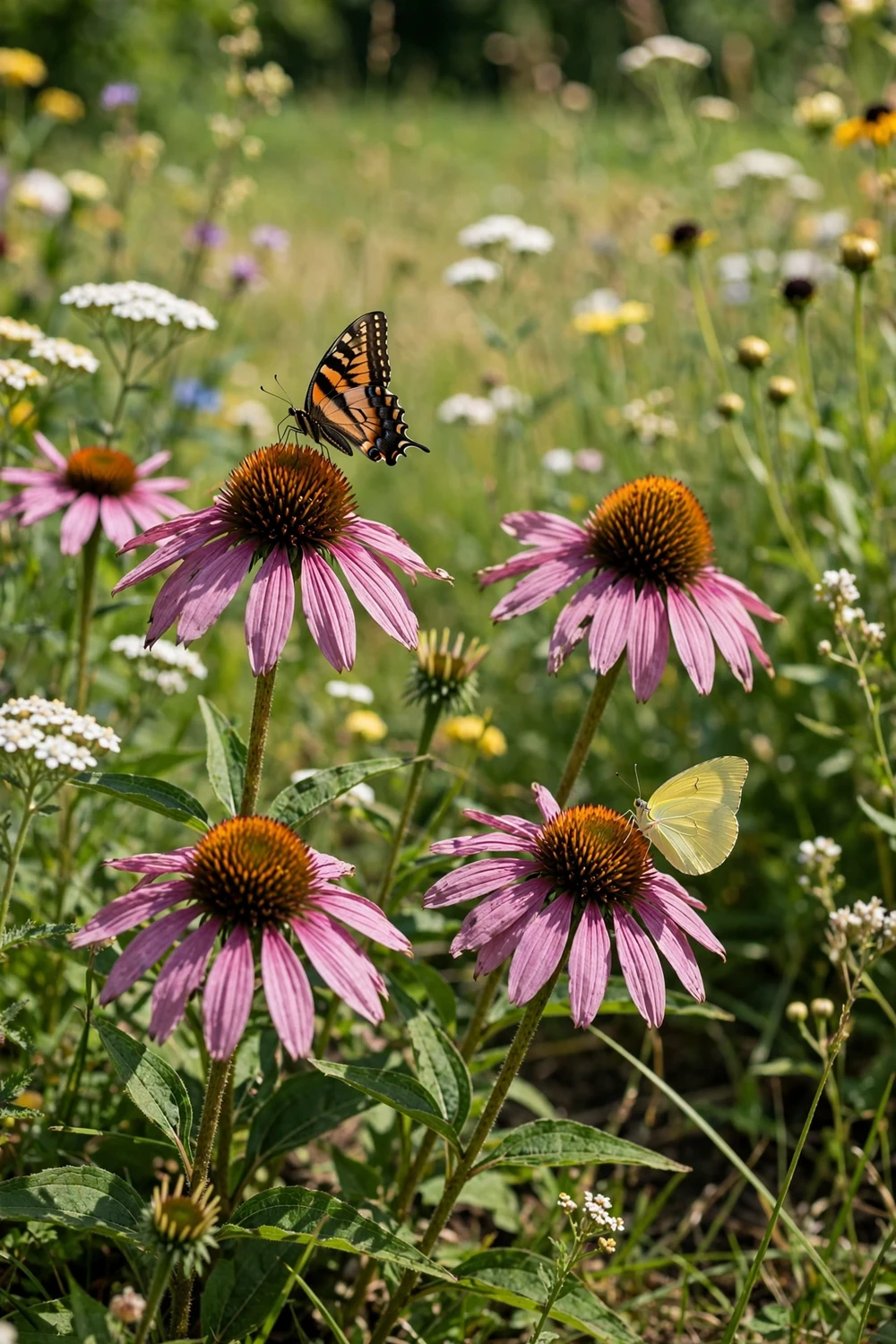
Coneflower is one of the best long-blooming perennials for both beauty and wildlife. Its large daisy-like flowers bloom for months and attract butterflies, bees, and other helpful pollinators throughout the growing season.
The classic purple variety is the most popular, but you can also find white, pink, yellow, orange, and red cultivars. Once established, coneflowers tolerate heat and short dry periods very well.
These sturdy plants look beautiful in cottage gardens, wildflower gardens, and sunny borders.
Growing Tips
| Feature | Details |
|---|---|
| Bloom Time | Early Summer to Frost |
| Sun | Full Sun |
| Soil | Well-drained soil |
| Height | 2–5 feet |
| USDA Zones | 3–9 |
Garden Tip: Leave a few seed heads on the plants in fall to provide food for birds during winter.
Black-Eyed Susan
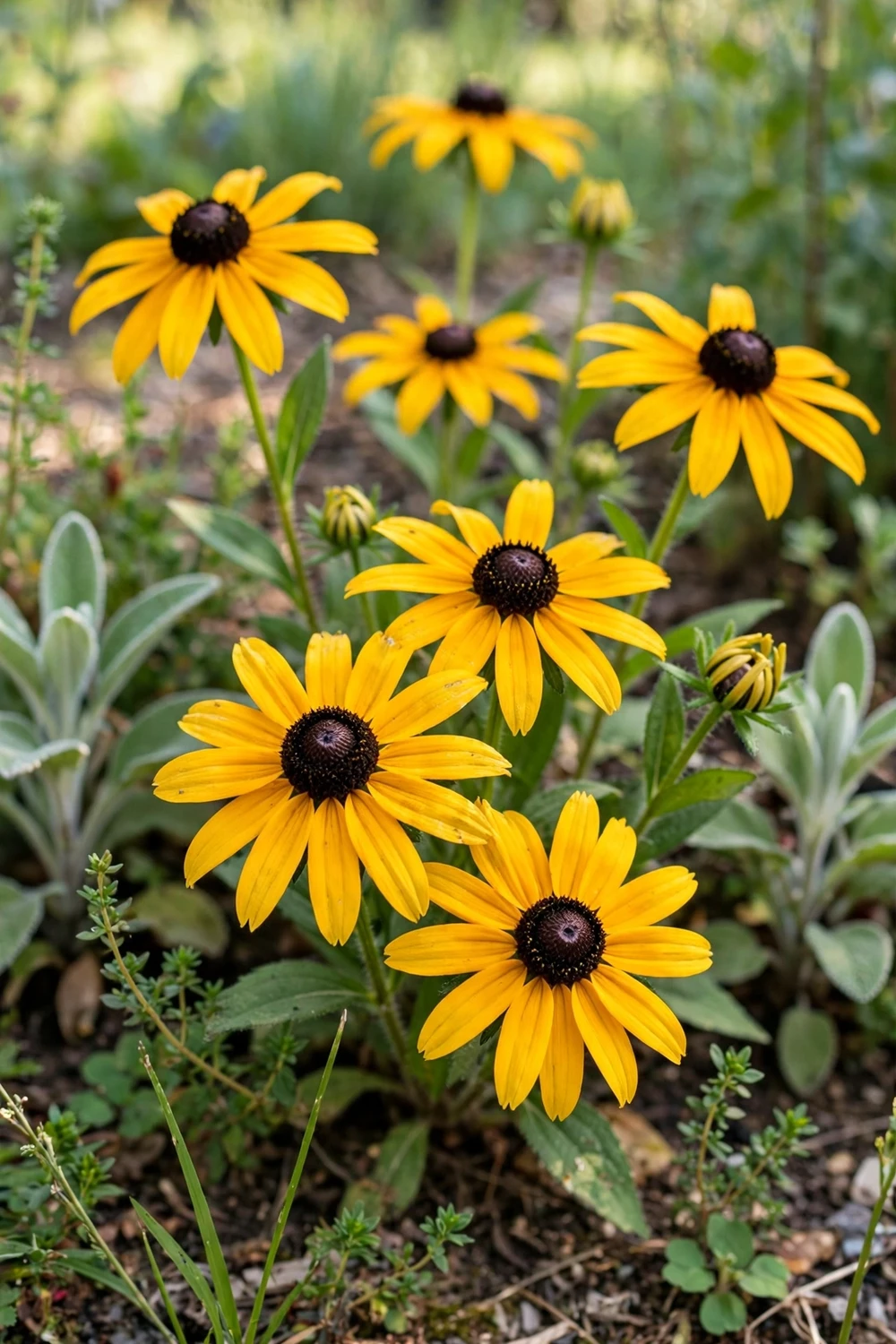
Black-Eyed Susan fills the garden with cheerful yellow flowers that bloom for weeks. The dark brown centers create a bold contrast, making these flowers stand out in any flower bed.
This hardy perennial grows well in many climates and needs very little care after becoming established. It also attracts butterflies, bees, and other helpful pollinators throughout the growing season.
Its bright blooms pair beautifully with coneflowers, salvias, and ornamental grasses.
Growing Tips
| Feature | Details |
|---|---|
| Bloom Time | Summer to Early Fall |
| Sun | Full Sun |
| Soil | Well-drained soil |
| Height | 2–3 feet |
| USDA Zones | 3–9 |
Garden Tip: Remove faded flowers to encourage fresh blooms and keep the plants looking tidy.
Lavender
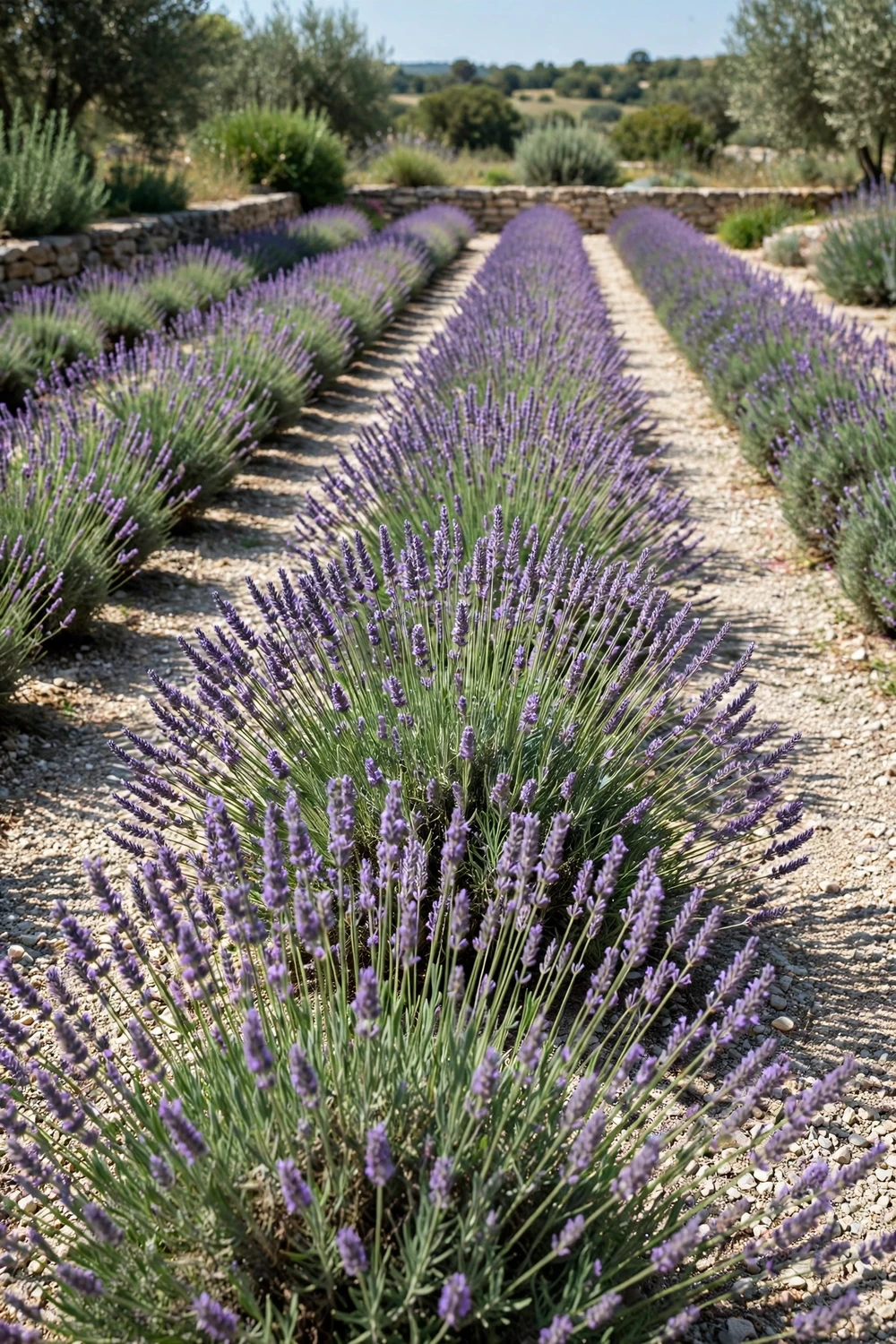
Lavender adds beauty, fragrance, and texture to any garden. Its soft purple flower spikes bloom from late spring into midsummer, and light pruning after flowering may encourage a smaller second bloom in some climates.
Besides looking beautiful, lavender attracts bees and butterflies while naturally helping discourage deer and rabbits. The flowers also dry well for bouquets, wreaths, and home décor.
Lavender grows best in sunny locations with excellent drainage.
Growing Tips
| Feature | Details |
|---|---|
| Bloom Time | Late Spring to Midsummer |
| Sun | Full Sun |
| Soil | Dry, well-drained soil |
| Height | 1–3 feet |
| USDA Zones | 5–9 |
Garden Tip: Avoid heavy watering and prune lightly after flowering to help maintain a neat shape.
Coreopsis
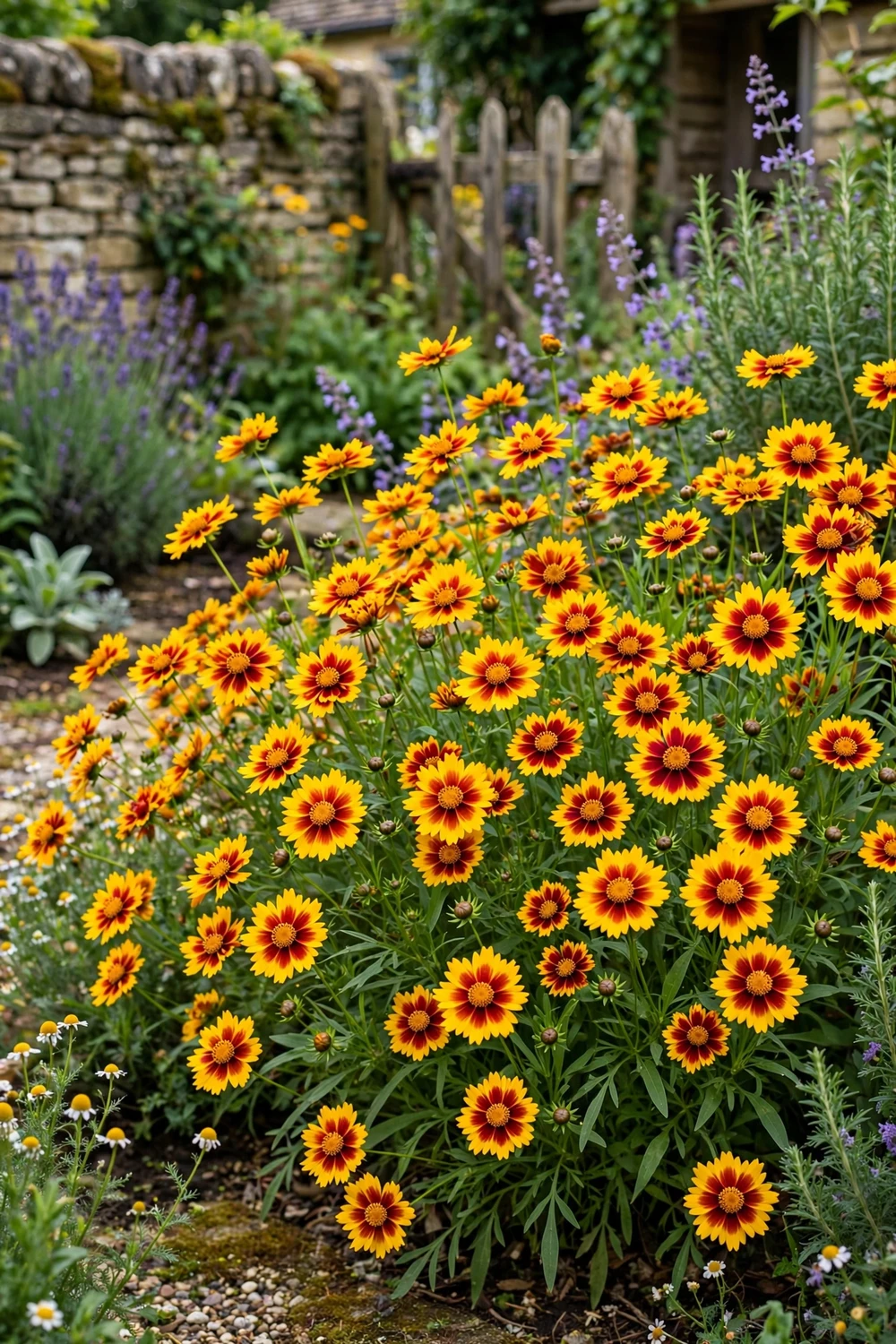
Coreopsis is one of the longest-blooming perennials you can grow. Its bright yellow, orange, pink, or red flowers continue appearing from early summer until frost with very little effort.
This cheerful perennial handles heat, drought, and poor soil better than many other flowering plants. It is perfect for borders, cottage gardens, wildflower gardens, and pollinator beds.
The nonstop blooms make coreopsis an excellent choice if you want a colorful garden throughout the season.
Growing Tips
| Feature | Details |
|---|---|
| Bloom Time | Early Summer until Frost |
| Sun | Full Sun |
| Soil | Well-drained soil |
| Height | 1–3 feet |
| USDA Zones | 4–9 |
Garden Tip: Shear the plant lightly in midsummer to encourage fresh growth and another wave of flowers.
Quick Comparison of Long-Blooming Perennials
| Perennial | Bloom Time | Sunlight | Best Feature |
|---|---|---|---|
| Catmint | Late Spring to Early Fall | Full Sun | Attracts bees and butterflies |
| Shasta Daisy | Early Summer to Early Fall | Full Sun | Classic white flowers |
| Reblooming Daylily | Late Spring through Summer | Full Sun to Partial Shade | Continuous blooms |
| Blanket Flower | Early Summer until Frost | Full Sun | Heat and drought tolerant |
| Russian Sage | Midsummer to Fall | Full Sun | Silvery foliage and long bloom season |
| Helenium | Late Summer to Fall | Full Sun | Bright late-season color |
| Garden Phlox | Midsummer to Early Fall | Full Sun to Partial Shade | Fragrant flowers |
| Salvia | Late Spring through Fall | Full Sun | Loved by hummingbirds |
| Hardy Geranium | Late Spring through Summer | Full Sun to Partial Shade | Great ground cover |
| Sedum | Late Summer to Fall | Full Sun | Easy to grow |
| Heliopsis | Midsummer until Frost | Full Sun | Long-lasting golden blooms |
| Chrysanthemum | Late Summer through Fall | Full Sun | Brilliant fall flowers |
| Coneflower | Early Summer to Frost | Full Sun | Excellent for pollinators |
| Black-Eyed Susan | Summer to Early Fall | Full Sun | Bright yellow blooms |
| Lavender | Late Spring to Midsummer | Full Sun | Fragrant flowers |
| Coreopsis | Early Summer until Frost | Full Sun | One of the longest bloomers |
Best Long-Blooming Perennials for Full Sun
If your garden receives at least six hours of direct sunlight each day, these perennials are excellent choices:
- Coreopsis
- Blanket Flower
- Russian Sage
- Salvia
- Lavender
- Coneflower
- Black-Eyed Susan
- Catmint
These sun-loving plants reward you with months of colorful blooms and require very little care once established.
Best Long-Blooming Perennials for Pollinators
Many long-blooming perennials provide nectar that supports bees, butterflies, and hummingbirds throughout the growing season.
Some of the best pollinator-friendly choices include:
- Coneflower
- Catmint
- Salvia
- Garden Phlox
- Lavender
- Black-Eyed Susan
- Blanket Flower
- Heliopsis
Planting several of these together creates a lively garden filled with helpful pollinators from spring until fall.
Best Long-Blooming Perennials by Garden Style
Different gardens need different plants. Here are a few easy combinations to help you choose the right flowers.
Cottage Garden
- Shasta Daisy
- Garden Phlox
- Catmint
- Coneflower
Modern Garden
- Russian Sage
- Lavender
- Sedum
- Salvia
Butterfly Garden
- Coneflower
- Black-Eyed Susan
- Blanket Flower
- Catmint
Drought-Tolerant Garden
- Russian Sage
- Coreopsis
- Blanket Flower
- Sedum
This helps you choose plants that match the style of garden you want to create.
Easy Long-Blooming Perennials for Beginners
If you’re new to gardening, start with perennials that are easy to grow and forgiving of small mistakes.
Great beginner-friendly options include:
- Coreopsis
- Sedum
- Catmint
- Blanket Flower
- Black-Eyed Susan
- Russian Sage
These reliable plants need little maintenance and continue blooming with simple care.
Long-Blooming Perennials by USDA Zone
Not every perennial grows well in every climate. Choosing plants that match your USDA Hardiness Zone gives you the best chance of enjoying healthy plants and long-lasting blooms.
| USDA Zone | Good Choices |
|---|---|
| Zones 3–4 | Catmint, Sedum, Coneflower, Heliopsis |
| Zones 5–6 | Shasta Daisy, Salvia, Coreopsis, Black-Eyed Susan |
| Zones 7–8 | Lavender, Blanket Flower, Russian Sage, Chrysanthemum |
| Zones 9–10 | Blanket Flower, Salvia, Coreopsis, Catmint |
Always check the plant label before buying to make sure it is suitable for your local climate.
Bloom Calendar
Using plants with different bloom times helps your garden stay colorful for months instead of just a few weeks.
| Season | Recommended Perennials |
|---|---|
| Late Spring | Catmint, Lavender, Salvia, Hardy Geranium |
| Early Summer | Shasta Daisy, Reblooming Daylily, Coreopsis |
| Midsummer | Garden Phlox, Blanket Flower, Coneflower, Heliopsis |
| Late Summer | Russian Sage, Helenium, Sedum, Black-Eyed Susan |
| Fall | Chrysanthemum, Sedum, Helenium |
Design a Garden That Blooms From Spring to Fall
Instead of planting flowers that all bloom at the same time, choose a mix of early, mid-season, and late-season bloomers. This simple approach keeps your flower beds colorful for much longer without adding extra maintenance.
For example, start with catmint and salvia in late spring, add coneflowers and blanket flowers during summer, then finish the season with sedum and chrysanthemums. As one plant slows down, another begins blooming, so your garden always has fresh color.
With a little planning, you can enjoy flowers from spring until the first frost while creating a garden that attracts butterflies, bees, and hummingbirds throughout the growing season.
Perennials That Look Beautiful Together
If you’re planning a new flower bed, pairing plants with different heights, colors, and bloom times creates a more natural and colorful display.
| Plant | Looks Great With |
|---|---|
| Catmint | Roses, Salvia, Lavender |
| Coneflower | Black-Eyed Susan, Garden Phlox |
| Sedum | Russian Sage, Ornamental Grasses |
| Coreopsis | Blanket Flower, Salvia |
| Chrysanthemum | Sedum, Helenium |
These combinations add contrast, extend seasonal color, and create flower beds that stay attractive throughout the growing season.
Tips to Keep Long-Blooming Perennials Flowering Longer
Even the best perennials need a little care to keep producing flowers for months. These simple gardening habits can help your plants stay healthy and colorful all season.
Plant in the Right Amount of Sun
Most long-blooming perennials grow best in at least six hours of direct sunlight each day. Too much shade can lead to fewer flowers and weak stems.
Before planting, check how much sunlight your garden receives so each plant gets the conditions it needs.
Water Deeply Instead of Often
Deep watering encourages stronger roots and helps plants become more drought tolerant. Water the soil instead of the leaves to reduce the risk of fungal diseases.
Adding mulch around your plants also helps the soil stay moist during hot weather.
Remove Faded Flowers
Deadheading is one of the easiest ways to encourage more blooms. Once flowers fade, remove them before the plant starts producing seeds.
Many long-blooming perennials respond by producing another flush of colorful flowers.
For a seasonal care schedule, see the UMN Extension home garden care calendar.
Feed Plants in Spring
Apply a balanced slow-release fertilizer in spring to give your perennials a healthy start. Avoid using too much nitrogen because it encourages leafy growth instead of flowers.
Mixing compost into the soil is another simple way to support healthy plants throughout the season.
Divide Older Plants
Many perennials become crowded after a few years. Dividing them every three to five years helps keep them healthy and encourages better flowering.
It is also an easy and budget-friendly way to grow more plants for your garden.
For a step-by-step method, see this guide from the University of Minnesota Extension on how and when to divide perennials.
Common Mistakes to Avoid
Avoiding a few simple mistakes can help your garden stay colorful for much longer.
Planting Too Close Together
Crowded plants compete for sunlight, water, and nutrients. They also have poor air circulation, which can increase disease problems.
Always leave enough space based on each plant’s mature size.
Overwatering
Many flowering perennials prefer well-drained soil. Constantly wet roots can lead to root rot and weak growth.
Check the soil before watering instead of watering on a fixed schedule.
Ignoring Your USDA Hardiness Zone
Some perennials survive cold winters better than others. Always choose plants that match your USDA Hardiness Zone for the best results.
This helps your garden return beautifully year after year.
Skipping Seasonal Pruning
Light pruning keeps plants neat and encourages fresh growth. Cutting back certain perennials after their first bloom often leads to another round of flowers.
Remove damaged or dead stems during the growing season to keep plants healthy.
Before You Start Planting
Keep these simple tips in mind before adding new perennials to your garden:
- Plant in groups of three or five for a fuller look.
- Leave enough space for each plant to reach its mature size.
- Mix compost into the soil before planting to improve soil quality.
- Water regularly during the first growing season while plants establish strong roots.
- Add a layer of mulch to help keep moisture in the soil and reduce weeds.
A little preparation at the beginning helps your perennials stay healthier and bloom longer year after year.
Frequently Asked Questions
What are the longest-blooming perennials?
Some of the longest-blooming perennials include coreopsis, catmint, salvia, blanket flower, coneflower, and hardy geranium. With proper care, these plants can flower for several months.
Which perennials bloom from spring until fall?
Catmint, salvia, coreopsis, hardy geranium, and reblooming daylilies can provide flowers from late spring through early fall, especially when deadheaded regularly.
What are the easiest long-blooming perennials for beginners?
Coreopsis, blanket flower, sedum, black-eyed Susan, and Russian sage are excellent choices because they need very little maintenance once established.
Which long-blooming perennials attract butterflies?
Coneflower, salvia, catmint, garden phlox, lavender, and black-eyed Susan are all popular butterfly-friendly plants. They also attract bees and other helpful pollinators.
Can long-blooming perennials grow in containers?
Yes. Many varieties, including lavender, salvia, coreopsis, blanket flower, and chrysanthemums, grow well in large containers with good drainage and regular watering.
Which long-blooming perennials are drought tolerant?
Russian sage, sedum, lavender, blanket flower, coreopsis, and catmint perform very well in dry conditions once established.
Conclusion
From my own experience, planting long-blooming perennials has been one of the easiest ways to enjoy a colorful garden without constantly replacing flowers each season. By combining plants that bloom at different times and giving them simple care, you can create flower beds that stay bright from spring until frost while attracting bees, butterflies, and hummingbirds. Start with a few varieties that fit your growing conditions, and you’ll enjoy beautiful blooms that come back year after year with less effort.
For more cottage-style planting ideas, see our guide to easy cottage garden flowers for a charming backyard.


