


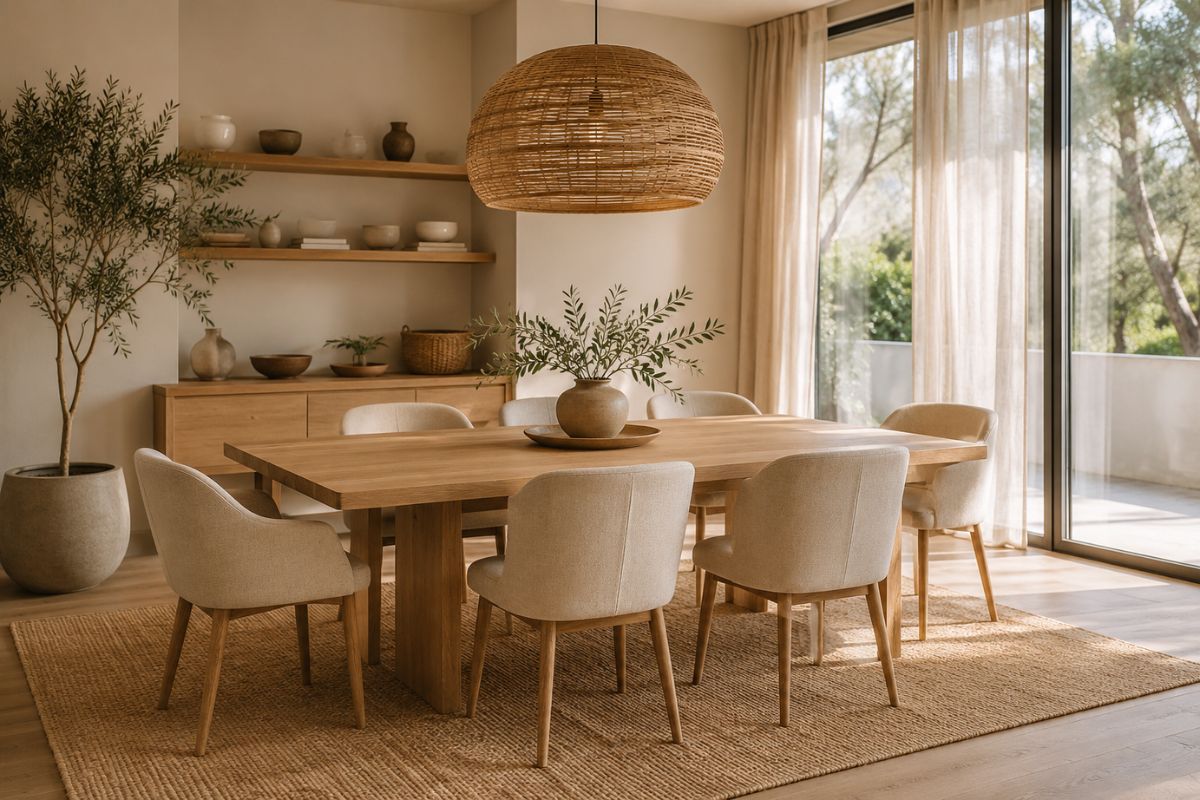
When I first tried to create a Japandi dining room, I thought it would be as simple as buying a light wood table, adding a few neutral decorations, and keeping everything minimal. But once everything was in place, the room still felt unfinished. It looked neat, yet it lacked the warm and peaceful feeling that makes Japandi style so inviting. If your dining room feels too plain, too busy, or like different furniture pieces do not belong together, you are not alone. Many people struggle to find the right balance between simplicity and comfort.
After looking at countless Japandi-inspired homes and testing different layouts, colors, and materials, I realized that the little details make the biggest difference. Natural wood, soft lighting, cozy textures, and carefully chosen decor work together to create a space that feels calm instead of empty. In this collection of Japandi dining room ideas, I am sharing the design choices that consistently create a warm, timeless, and welcoming dining space without making it feel cluttered.
What Makes a Japandi Dining Room?
A Japandi dining room blends the clean simplicity of Japanese design with the warmth and comfort of Scandinavian interiors. The result is a space that feels calm, practical, and welcoming. Instead of filling the room with decorations, Japandi focuses on high-quality furniture, natural materials, and thoughtful details that have a purpose.
Light wood, soft neutral colors, linen fabrics, handmade ceramics, and plenty of natural light are the key elements of this style. Every piece should work together to create a dining room that feels open, balanced, and easy to enjoy every day.
Light Oak Dining Table with Simple Lines
A light oak dining table is one of the easiest ways to create a true Japandi dining room. The natural wood grain adds warmth, while the clean shape keeps the space feeling open and peaceful. Skip heavy carvings or glossy finishes and choose a table with smooth edges and a simple design instead.
Pair the table with neutral chairs in linen, cotton, or woven materials to keep everything balanced. This combination creates a welcoming place for everyday meals without making the room feel crowded. If your dining room is small, a round oak table can also improve the flow while keeping the soft Japandi look.
Complete the space with a linen table runner, a handmade ceramic vase, and a few fresh branches. Keeping the tabletop simple helps every piece stand out while maintaining the calm feeling that Japandi homes are known for.

Styling Tip: Choose a matte wood finish instead of a shiny one to create a softer and more natural look.
Neutral Color Palette for a Calm Atmosphere
Color plays a big role in making a Japandi dining room feel peaceful. Soft shades like warm white, beige, sand, greige, light taupe, and soft gray create a bright and relaxing space. These colors reflect natural light and make the room feel larger without looking cold.
Instead of using strong color contrasts, layer different neutral shades throughout the room. A cream wall, beige dining chairs, a light wood table, and soft gray curtains work together beautifully. This layered look adds depth while keeping the room quiet and balanced.
Natural textures also help neutral colors feel richer. Linen curtains, woven baskets, ceramic decor, and wooden furniture give the room more character without adding visual clutter.

Styling Tip: Keep bold colors for small accents like greenery instead of large furniture pieces.
Woven Pendant Lighting Above the Table
Lighting is often the first thing people notice in a dining room. A woven pendant light made from rattan, bamboo, or natural fibers brings warmth while becoming a beautiful focal point. It adds texture without making the room feel heavy.
Hang the pendant directly above the dining table so the light creates a comfortable setting for meals. Warm white bulbs give the room a soft glow that feels relaxing during both daytime and evening dinners.
Choose simple shapes that match the clean lines of your furniture. Oversized woven pendants work well in larger dining rooms, while smaller designs are perfect for compact spaces.

Styling Tip: Use warm white lighting instead of cool white to create a cozy and inviting dining area.
Soft Linen Dining Chairs
Comfort is just as important as appearance in Japandi design. Linen dining chairs bring softness to the room while keeping the overall look simple and elegant. Their natural texture fits perfectly with wood furniture and neutral colors.
Choose chairs in cream, oatmeal, beige, or light gray. These shades blend easily with oak or walnut dining tables and help create a balanced color palette. Chairs with rounded backs also make the room feel more welcoming by adding gentle curves to the space.
Mixing linen upholstery with wooden chair legs creates a beautiful contrast between soft fabric and natural wood. This small detail adds warmth without making the dining room look busy.

Styling Tip: Select washable fabric whenever possible so your dining chairs stay fresh and beautiful for years.
Large Windows with Sheer Curtains
Natural light is one of the most beautiful features of a Japandi dining room. Large windows make the space feel brighter, calmer, and more connected to nature. During the day, sunlight highlights the natural wood and soft textures throughout the room.
Instead of thick curtains, choose sheer linen or cotton panels. They allow plenty of light inside while still giving you privacy. Soft flowing fabric also adds gentle movement that makes the room feel more relaxed.
Keep the window area clean and uncluttered. Avoid heavy valances or busy patterns that can distract from the peaceful atmosphere. Simple window treatments let the beauty of the room shine.

Styling Tip: Hang curtains from ceiling to floor to make the windows appear taller and the room feel more spacious.
Wooden Dining Bench for Flexible Seating
A wooden dining bench is a practical addition to a Japandi dining room. It creates a relaxed look while making the space feel more open than using chairs on every side of the table. Benches also work well in smaller dining rooms because they can slide neatly under the table when not in use.
Choose a bench made from oak or walnut and add a simple linen seat cushion for extra comfort. Pairing a bench on one side with matching dining chairs on the other creates a balanced and modern look without losing the clean Japandi style.

Styling Tip: Keep the bench free from extra pillows so the dining area stays simple and uncluttered.
Handmade Ceramic Table Decor
Japandi style celebrates simple handmade pieces that add personality without creating clutter. A handcrafted ceramic vase, bowl, or candle holder makes a beautiful centerpiece because each piece has natural texture and unique details.
Choose pottery in soft shades like cream, sand, charcoal, or warm gray. These earthy colors blend perfectly with wood furniture and neutral dining spaces. Fill a vase with olive branches, eucalyptus stems, or dried flowers for an organic look that changes with the seasons.
Avoid filling the table with too many decorations. One carefully chosen ceramic piece often creates a stronger impression than several small accessories.

Styling Tip: Display one statement ceramic piece instead of multiple small decorations to keep your dining table clean and balanced.
Open Wooden Shelving for Beautiful Storage
Open shelving is a simple way to add both storage and style to a Japandi dining room. Instead of large cabinets that can make the room feel heavy, wooden shelves keep the space open and airy. They also give you a place to display everyday items in a beautiful way.
Use the shelves for handmade ceramic bowls, neutral dinner plates, clear glassware, woven baskets, or small clay vases. Keep enough space between each item so the shelves never look crowded. Every piece should have a purpose and contribute to the calm look of the room.
Choose shelves made from oak, ash, or walnut to match your dining table. The natural wood grain adds warmth while keeping the design simple and timeless.

Styling Tip: Leave some empty space on each shelf to make your display feel light and balanced.
Natural Fiber Rug Under the Dining Table
A natural fiber rug helps define the dining area while making the space feel warmer and more comfortable. It also softens wood floors and adds another layer of texture without taking attention away from the furniture.
Jute, wool, sisal, and flat-woven rugs work beautifully in a Japandi dining room. Stick with neutral shades like beige, oatmeal, ivory, or light gray for a clean and peaceful look. Avoid bright colors or bold patterns that can make the room feel busy.
Choose a rug that is large enough for the dining chairs to stay on it even when they are pulled out. This makes the room look more balanced and keeps the dining area practical for everyday use.

Styling Tip: Pick a low-pile rug because it is easier to clean and works better under dining chairs.
Paper-Inspired Lighting and Natural Details
Soft lighting helps create the peaceful atmosphere that Japandi homes are known for. Paper-inspired pendant lights, simple lantern-style fixtures, or ceramic lamps spread light gently across the dining room without feeling harsh.
Pair this lighting with natural details like wooden trays, stone candle holders, or handmade pottery to create a balanced look. These small touches bring warmth while keeping the room clean and timeless.

Styling Tip: Choose lighting with soft, rounded shapes to match the gentle lines found throughout Japandi interiors.
Indoor Greenery for a Fresh Look
Plants bring life into a Japandi dining room while keeping the connection with nature strong. Even a single plant can make the space feel more welcoming without adding clutter.
An olive tree, fiddle leaf fig, bonsai, or simple leafy plant works well in this style. Place it in a clay, stone, or matte ceramic planter with natural colors. The simple container keeps the focus on the beauty of the plant.
If your dining room is small, place one medium-sized plant in a corner instead of using several small plants around the room. This creates a cleaner and more balanced appearance.

Styling Tip: Choose easy-care plants that stay healthy indoors with natural light.
Walnut Wood with Black Accents
While light wood is common in Japandi homes, adding a few black details creates beautiful contrast. The key is to keep these darker accents small so they highlight the room instead of taking over.
A walnut dining table paired with black dining chair legs, slim black pendant lights, or simple black picture frames creates a modern and elegant look. These darker touches add depth while still keeping the room calm.
Balance the darker furniture with cream walls, linen chairs, and light-colored flooring. This prevents the space from feeling too dark and keeps the soft Japandi style.

Styling Tip: Limit black accents to a few carefully chosen pieces for a clean and balanced design.
Simple Table Setting with Earthy Details
A thoughtful table setting can make everyday meals feel more special. Japandi style focuses on quality instead of quantity, so choose a few beautiful pieces instead of filling the table with decorations.
Stoneware plates, linen napkins, wooden serving boards, ceramic bowls, and clear glass cups all work well together. Their natural textures create a warm and relaxed dining experience while keeping the table elegant.
Stick with neutral colors like cream, sand, gray, and soft brown. These shades blend naturally with wood furniture and help every meal feel calm and inviting.

Styling Tip: Fold linen napkins simply and avoid decorative accessories that are only for display.
Cozy Japandi Dining Room with Layered Natural Textures
One of the easiest ways to make a Japandi dining room feel complete is by layering natural textures. Wood, linen, cotton, ceramics, woven baskets, and soft fabrics all add warmth without making the space feel busy.
Start with a light wood dining table, then add linen chairs, a woven pendant light, a natural rug, and handmade pottery. Finish the room with one indoor plant and soft daylight flowing through sheer curtains. Every element works together to create a peaceful place for family meals and quiet conversations.
The goal is to keep everything simple, useful, and beautiful. Instead of adding more decorations, focus on choosing high-quality pieces made from natural materials. This creates a dining room that feels timeless and welcoming throughout the year.

Styling Tip: Before adding a new decor item, ask yourself if it adds beauty, function, or both. If it does neither, leave it out.
Frequently Asked Questions
What is a Japandi dining room?
A Japandi dining room combines Japanese minimalism with Scandinavian comfort. It uses natural wood, soft neutral colors, clean furniture, and simple decor to create a calm and welcoming space.
Which colors are best for a Japandi dining room?
Warm white, beige, greige, taupe, cream, soft gray, sand, light oak, and walnut are popular choices. These colors help create a peaceful and timeless look.
What furniture works best in Japandi style?
Choose furniture with clean lines, natural wood finishes, and simple shapes. Oak and walnut dining tables, linen chairs, and handmade ceramic accessories are excellent choices.
Can a small dining room have a Japandi style?
Yes. Light colors, simple furniture, natural light, and minimal decor make small dining rooms feel larger while keeping them warm and comfortable.
How do I make my dining room feel more Japandi?
Start with neutral colors, add natural wood furniture, use soft lighting, decorate with handmade ceramics, include one or two indoor plants, and keep the room free from unnecessary clutter.
Is Japandi style still popular?
Yes. Japandi continues to be one of the most popular interior design styles because it combines timeless beauty with everyday comfort. Homeowners love its mix of natural materials, calming colors, and simple furniture that stays stylish year after year.
Unlike short-lived decorating trends, Japandi focuses on quality over quantity. Investing in durable furniture and thoughtful decor helps create a dining room that looks beautiful today and for many years to come.
Conclusion
After exploring so many Japandi-inspired dining rooms, I have found that the most beautiful spaces are not always the ones with the most expensive furniture or the latest trends. The rooms that truly stand out are the ones where every piece has a purpose and works together to create a calm atmosphere. If you start with natural materials, soft colors, and simple furniture, you can slowly build a dining room that feels peaceful, practical, and timeless. Even one thoughtful change at a time can bring you much closer to the warm and balanced Japandi style you have been looking for.


