Skip to content
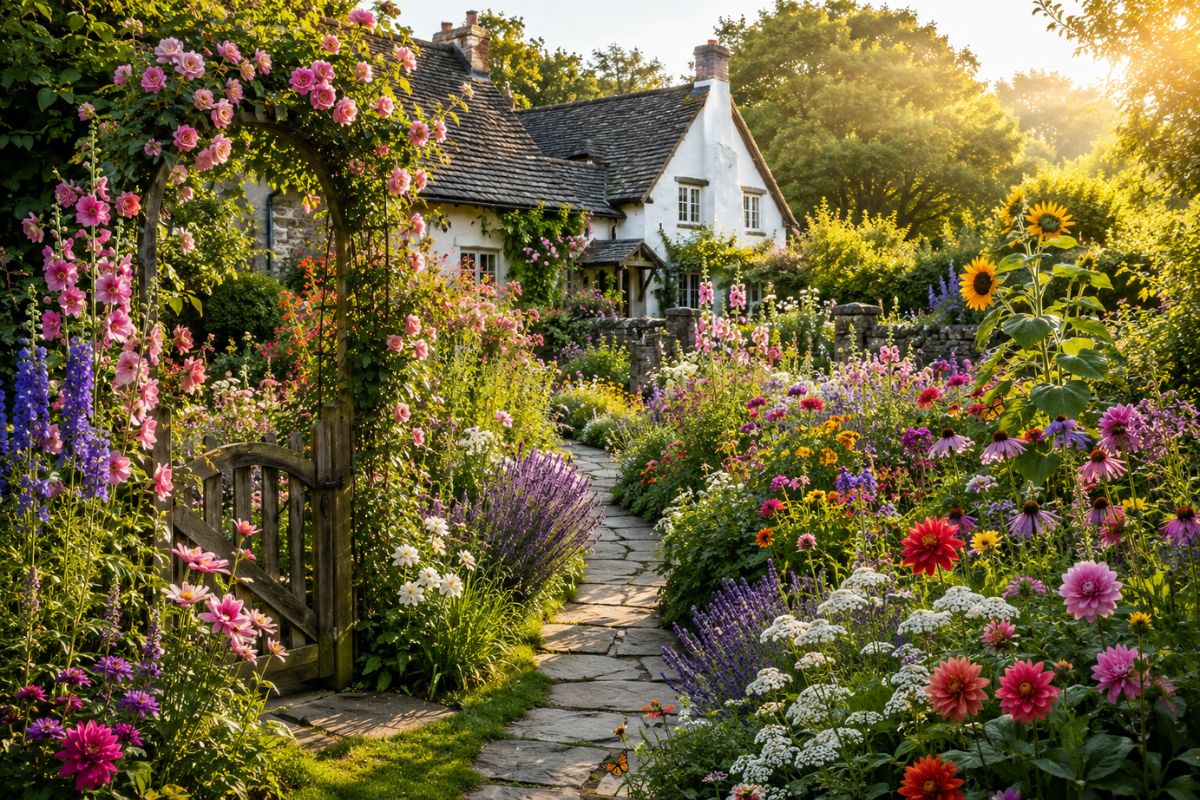

The first time I tried creating a cottage garden, I thought planting a few colorful flowers would be enough. Within a few weeks, I realized it was not that simple. Some flowers bloomed for only a short time, others looked out of place, and a few needed much more care than I expected. Instead of the full, charming garden I had imagined, I was left with empty spaces and a flower bed that lacked balance. If you are feeling unsure about which flowers to choose, you are not alone. Many beginners face the same challenge.
After growing different cottage garden flowers over the years and seeing which ones performed well with the least effort, I found that selecting the right mix of plants is the key to lasting beauty. The flowers in this guide are beginner friendly, reliable, and easy to combine for a natural cottage garden style. Whether you are starting a new flower bed or refreshing an older garden, these easy cottage garden flowers ideas will help you create a colorful outdoor space that attracts pollinators and stays beautiful through much of the growing season.
Hollyhocks
Hollyhocks are one of the first flowers people think of when they picture a traditional cottage garden. Their tall flower spikes bring height and color, making fences, walls, and the back of flower beds look full and inviting. They bloom in beautiful shades of pink, white, yellow, red, and deep purple.
These flowers grow best in full sun with well-drained soil. Once established, they are fairly easy to grow and return with stunning blooms year after year if allowed to reseed naturally. Their towering stems also attract butterflies and bees, making your garden feel full of life.
For the best display, plant hollyhocks behind shorter flowers like lavender or daisies. This layered look creates the relaxed style that cottage gardens are known for.

Growing Tip: Give tall stems support in windy areas to help keep the flowers standing straight.
Lavender
Lavender is one of the easiest plants to grow if you want beauty and fragrance in the same flower bed. Its soft purple blooms and silver-green leaves bring a calm, timeless look that fits perfectly into any cottage garden.
This flower loves full sunlight and soil that drains well. Once established, lavender needs very little water, making it a great choice for gardeners who want a low-maintenance landscape. The sweet scent also attracts bees and butterflies while helping create a peaceful outdoor space.
Lavender looks beautiful along garden paths, around patios, or mixed with roses and white flowers for a classic English cottage garden style.

Growing Tip: Trim the plant lightly after flowering to keep it compact and encourage healthy new growth.
Foxgloves
Foxgloves add height and elegance with their tall stems covered in bell-shaped flowers. Their soft pink, white, cream, and purple blooms create a magical look that blends perfectly with other cottage garden flowers.
These plants grow well in partial shade or full sun, depending on your climate. They prefer moist, well-drained soil and bloom during late spring and early summer. Bees love foxglove flowers, making them a wonderful choice for a pollinator-friendly garden.
Plant foxgloves near fences, trees, or behind medium-height flowers to create natural layers that make your garden look full and balanced.

Growing Tip: Wear gloves when handling foxgloves, and plant them where children and pets cannot easily reach them because every part of the plant is poisonous.
Delphiniums
Delphiniums bring bold color and impressive height to cottage gardens. Their tall flower spikes bloom in shades of blue, purple, pink, and white, creating beautiful vertical interest among lower-growing flowers.
These flowers enjoy full sun with rich, well-drained soil that stays evenly moist. They perform best in cooler climates and appreciate regular watering during warm weather. Their striking blooms also make excellent cut flowers for indoor arrangements.
Pair delphiniums with roses, peonies, or lavender to create a soft and colorful cottage garden that blooms throughout the season.

Growing Tip: Add sturdy plant supports early in the growing season to protect the tall flower spikes from strong winds.
Peonies
Peonies are loved for their large, fluffy blooms and sweet fragrance. Their flowers appear in beautiful shades of white, blush pink, coral, deep pink, and red, bringing a romantic feel to any cottage garden.
These long-lasting perennials enjoy full sun and fertile, well-drained soil. Once planted, peonies can thrive for many years with very little care. Their glossy green leaves continue adding beauty even after the flowers fade.
Peonies look wonderful when planted near roses, catmint, or lavender. Their full blooms create the soft, layered appearance that defines classic cottage gardens.

Growing Tip: Plant peonies in a permanent location because they do not like being moved once established.
Roses
No cottage garden feels complete without roses. Their beautiful blooms, rich fragrance, and timeless charm have made them a favorite for generations. Whether you choose climbing roses, shrub roses, or old-fashioned varieties, they instantly add elegance to your outdoor space.
Roses grow best in full sun with fertile, well-drained soil. Most varieties bloom from late spring through summer, and many continue producing flowers into early fall with regular care. They also attract bees and other helpful pollinators.
Plant roses near garden arches, fences, or in mixed flower beds with lavender and foxgloves. The combination creates the relaxed, layered look that cottage gardens are known for.

Growing Tip: Remove faded flowers often to encourage more blooms throughout the season.
Sweet Peas
Sweet peas fill the garden with soft colors and one of the sweetest natural fragrances. Their delicate climbing vines produce flowers in shades of pink, purple, blue, white, and red, making them perfect for adding vertical beauty.
These flowers enjoy full sun and rich, well-drained soil. They grow quickly when given a trellis, fence, or obelisk to climb. Regular picking also encourages the plants to keep blooming.
Sweet peas work beautifully beside seating areas or pathways where their lovely fragrance can be enjoyed every day.

Growing Tip: Pick flowers often instead of leaving them on the vine. This helps the plant produce even more blooms.
Cosmos
Cosmos are one of the easiest annual flowers for beginners. Their light, airy stems and daisy-like blooms create a soft, natural look that fits perfectly into a cottage garden.
They love full sun and grow well in average garden soil. Cosmos bloom for months, filling the garden with pink, white, purple, and deep magenta flowers until the first frost. Butterflies are especially attracted to them.
Plant cosmos between taller flowers like hollyhocks and shorter plants such as lavender to create a relaxed, layered flower bed.

Growing Tip: Remove old flowers regularly to keep fresh blooms appearing all summer.
Dahlias
Dahlias are known for their large, colorful flowers that instantly become the center of attention. They come in many shapes, sizes, and colors, making it easy to create a garden that feels bright and full.
These flowers need full sun and well-drained soil. With regular watering and feeding, dahlias bloom from midsummer until the first frost. Their long flowering season keeps cottage gardens looking fresh for months.
Mix dahlias with cosmos, roses, and zinnias for a colorful display that changes throughout the growing season.

Growing Tip: Add a layer of mulch around the plants to help keep the soil moist during hot weather.
Zinnias
Zinnias are cheerful flowers that bring bold color with very little effort. They bloom in shades of pink, orange, red, yellow, white, and purple, making them a favorite for cottage gardens filled with bright summer color.
They grow best in full sun and well-drained soil. Once established, zinnias bloom continuously until frost and attract butterflies throughout the season.
Plant them in groups instead of single plants to create a stronger burst of color. They also make wonderful flowers for fresh bouquets.

Growing Tip: Water the soil instead of the leaves to help prevent common fungal problems.
Sunflowers
Sunflowers bring warmth and happiness to any cottage garden. Their tall stems and bright yellow blooms create a beautiful backdrop while attracting birds, bees, and butterflies.
These flowers need plenty of sunshine and fertile, well-drained soil. Many varieties grow quickly from seed, making them a fun choice for beginner gardeners and families.
Place sunflowers at the back of flower beds where their height will not block smaller plants. They pair nicely with cosmos, zinnias, and dahlias.

Growing Tip: Give tall varieties plenty of space so they receive good airflow and strong sunlight.
Columbines
Columbines, also called aquilegias, have unique star-shaped flowers with delicate petals that bring a soft woodland feel to cottage gardens. Their blooms appear in lovely shades of blue, purple, pink, white, and yellow.
These flowers grow well in partial shade or morning sun with moist, well-drained soil. They bloom during spring and early summer, helping fill the gap before many summer flowers appear.
Columbines blend beautifully with foxgloves, ferns, and other shade-loving plants for a natural cottage garden design.

Growing Tip: Leave a few flowers to produce seeds if you want new plants to appear naturally the following year.
Poppies
Poppies add light, colorful blooms that dance gently in the breeze. Their delicate petals create a relaxed cottage garden style while bringing bright shades of red, pink, orange, white, and soft peach.
They grow best in full sun and well-drained soil. Poppies are easy to grow from seed and usually need very little care after they become established.
Scatter them among other cottage flowers to create a natural planting style that looks effortless and full of color.

Growing Tip: Sow seeds directly into the garden because poppies do not like being transplanted.
Hellebores
Hellebores are one of the first flowers to bloom each year, often appearing while winter is ending. Their soft white, pink, green, burgundy, and purple flowers brighten shaded areas when most other plants are still dormant.
These hardy perennials prefer partial shade and rich, well-drained soil. Their evergreen leaves continue adding beauty even after the flowers fade, making them useful throughout the year.
Plant hellebores beneath trees, along woodland borders, or near garden paths where their early blooms can easily be enjoyed.

Growing Tip: Remove damaged old leaves before flowering begins so the fresh blooms are easier to see.
Yarrow
Yarrow is a dependable perennial that brings clusters of tiny flowers in shades of yellow, white, pink, peach, and red. Its soft, feathery foliage adds texture that blends beautifully with classic cottage garden plants.
This flower grows well in full sun and tolerates dry conditions once established. It attracts butterflies and helpful pollinators while requiring very little maintenance, making it a great choice for busy gardeners.
Plant yarrow alongside lavender, roses, and cosmos to create colorful flower beds with different shapes and textures.

Growing Tip: Cut back faded flower stems to encourage another round of blooms later in the season.
Cottage Garden Layout Tips
A beautiful cottage garden may look effortless, but a simple layout helps everything grow well together. Place tall flowers like hollyhocks, delphiniums, and sunflowers at the back of the flower bed. Medium-height plants such as roses, peonies, and dahlias work well in the middle, while shorter flowers like lavender create a neat border along the front.
Plant flowers in small groups instead of placing one plant at a time. Repeating the same flowers in different parts of the garden creates a balanced look while keeping the natural cottage garden style. Leave enough space between plants so they have room to grow and receive good airflow.
Best Flower Color Combinations
The right color combinations can make your cottage garden feel calm, bright, and welcoming. Instead of using every color available, choose two or three colors that work well together and repeat them throughout the garden.
| Color Style | Flowers to Combine |
|---|---|
| Soft Cottage Look | White, blush pink, and lavender |
| Classic English Garden | Purple, yellow, and cream |
| Warm Summer Garden | Coral, peach, and soft pink |
| Fresh Country Garden | Blue, white, and silver foliage |
| Bright Cottage Border | Red, orange, and golden yellow |
Repeating the same color palette throughout your flower beds creates a more polished garden while still keeping the relaxed cottage garden charm.
Bloom Season Guide
Choosing flowers with different bloom times helps your garden stay colorful from early spring until fall.
| Season | Recommended Flowers |
|---|---|
| Early Spring | Hellebores, Columbines |
| Late Spring | Peonies, Foxgloves |
| Early Summer | Delphiniums, Lavender, Sweet Peas |
| Summer | Roses, Cosmos, Poppies, Zinnias |
| Late Summer to Early Fall | Dahlias, Sunflowers, Hollyhocks, Yarrow |
Planting flowers from each season gives your garden continuous color instead of having everything bloom at the same time.
Best Cottage Garden Flowers for Beginners
If you are new to gardening, start with flowers that are easy to grow and need very little maintenance.
- Lavender
- Cosmos
- Zinnias
- Sunflowers
- Yarrow
- Hollyhocks
These flowers are reliable, beginner friendly, and reward you with beautiful blooms without requiring advanced gardening skills.
Quick Cottage Garden Success Checklist
Before planting your flowers, use this simple checklist to help your garden thrive.
- Choose flowers that match your sunlight conditions.
- Improve the soil with compost before planting.
- Leave enough space between plants for healthy growth.
- Water deeply instead of watering a little every day.
- Remove faded flowers to encourage more blooms.
- Add mulch to help keep the soil moist.
- Mix flower heights for a layered cottage garden look.
- Grow flowers with different bloom seasons for color throughout the year.
Common Mistakes to Avoid
Even easy cottage garden flowers need the right growing conditions to thrive. Avoiding these common mistakes will help your garden stay healthy and beautiful.
Planting Flowers Too Close Together
Crowded plants compete for sunlight, water, and nutrients. Leave enough space between flowers so they can grow properly and receive good airflow.
Ignoring Sunlight Requirements
Some flowers need full sun, while others prefer partial shade. Always check the growing needs of each plant before deciding where to place it.
Using Only One Flower Type
A cottage garden looks best with different flower shapes, heights, colors, and bloom times. Mixing a variety of flowers creates a fuller and more natural appearance.
Forgetting to Remove Old Flowers
Many cottage garden flowers bloom longer when faded flowers are removed. Regular deadheading encourages fresh blooms throughout the season.
Watering Too Often
Most cottage garden flowers prefer well-drained soil. Water deeply when the soil begins to dry instead of keeping it constantly wet.
How to Choose the Right Cottage Garden Flowers
Choosing the right flowers depends on your climate, available space, and the amount of care you want to provide.
If you are a beginner, start with easy flowers like lavender, cosmos, zinnias, yarrow, and sunflowers. These plants grow well with basic care and produce beautiful blooms for months.
Think about flower height before planting. Tall flowers such as hollyhocks, delphiniums, and sunflowers belong near the back of flower beds. Medium-sized flowers like roses, peonies, and dahlias fit well in the middle, while shorter flowers like lavender look beautiful along the front edge.
For the longest display of color, choose flowers that bloom at different times of the year. Early bloomers like hellebores and columbines can be followed by peonies and foxgloves, while cosmos, zinnias, dahlias, and sunflowers continue blooming through summer and into early fall.
Frequently Asked Questions
What flowers are best for a cottage garden?
Some of the best cottage garden flowers include roses, lavender, hollyhocks, foxgloves, peonies, cosmos, sweet peas, delphiniums, zinnias, dahlias, yarrow, sunflowers, poppies, columbines, and hellebores. Together they create the colorful, layered style that cottage gardens are known for.
Are cottage garden flowers easy to grow?
Many cottage garden flowers are beginner friendly. Plants like lavender, cosmos, zinnias, sunflowers, and yarrow grow easily with plenty of sunlight, well-drained soil, and regular watering during dry weather.
Which cottage garden flowers bloom the longest?
Cosmos, zinnias, dahlias, roses, and yarrow are among the longest-blooming cottage garden flowers. Removing faded flowers regularly helps encourage more blooms.
Can I create a cottage garden in a small backyard?
Yes. Even a small backyard can become a beautiful cottage garden by planting flowers in layers and adding climbing plants like roses or sweet peas to make the most of vertical space.
Do cottage garden flowers attract butterflies and bees?
Yes. Many cottage garden flowers naturally attract pollinators. Lavender, foxgloves, cosmos, yarrow, sunflowers, zinnias, and sweet peas are excellent choices for supporting bees, butterflies, and other helpful insects.
Conclusion
From my own experience, the best cottage gardens are built one flower at a time instead of all at once. Choosing dependable plants that bloom in different seasons has made my garden easier to care for and more enjoyable every year. Start with a few flowers that suit your growing conditions, learn what works well in your space, and slowly add more as your garden grows. With patience and the right flower choices, you can create a charming cottage garden that brings color, fragrance, and life to your yard for many seasons.