


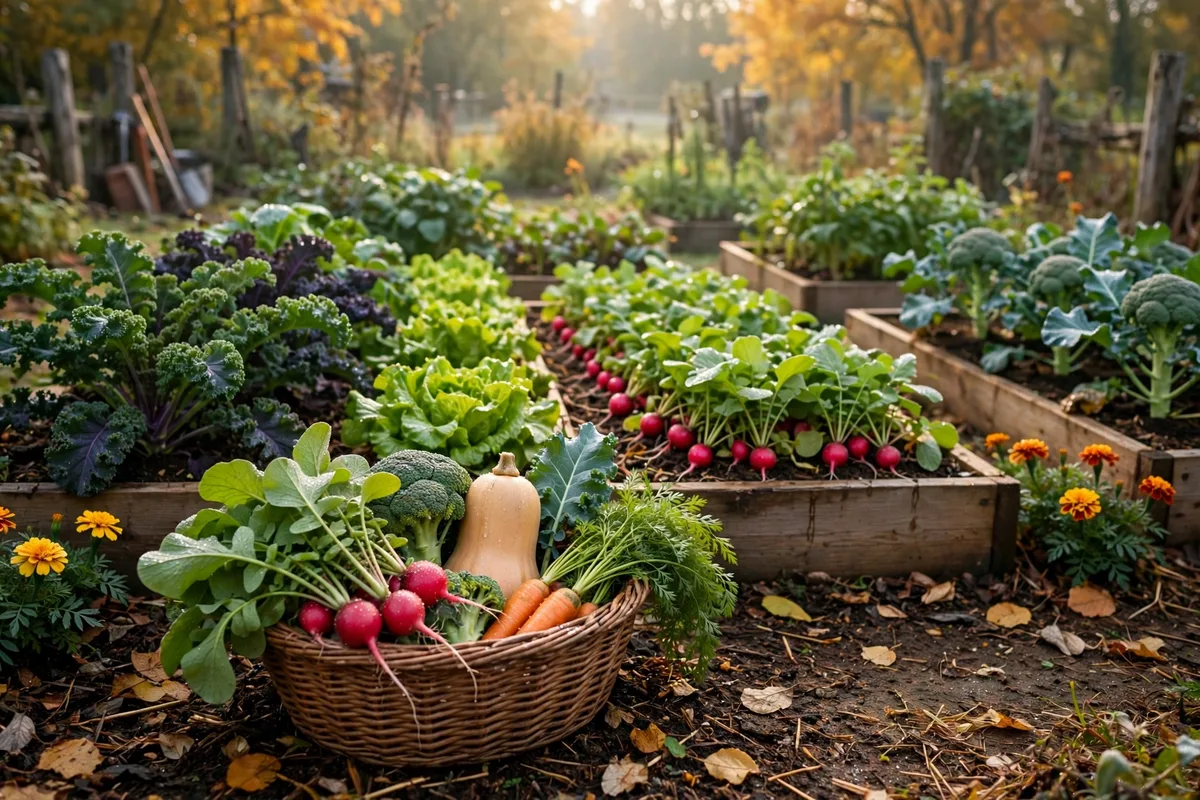
September feels like the end of the gardening year, and I used to treat it that way. I would pull the last tomatoes, sigh at the empty beds, and call it done. Then one year I sowed spinach and radishes on a whim in mid-September, and by October I was eating salads I grew myself while my neighbors were already raking leaves.
Fall is honestly the easiest season for vegetables. Cool air means fewer bugs, no bolting lettuce, and soil that is still warm enough for fast germination. This list covers 15 vegetables you can plant in September, with the varieties, timing, and zone notes you need to actually get a harvest before winter.
Quick takeaways
- Fast crops like radishes, arugula, and baby lettuce can still be sown from seed in September in most zones.
- Broccoli, cabbage, and cauliflower need transplants this late, not seeds.
- Count backward from your first expected frost date, then add 10 to 14 extra days because fall growth is slower.
- Garlic goes in the ground in September or October for harvest next summer.
- A simple row cover buys you several extra weeks on either side of frost.
1. Kale
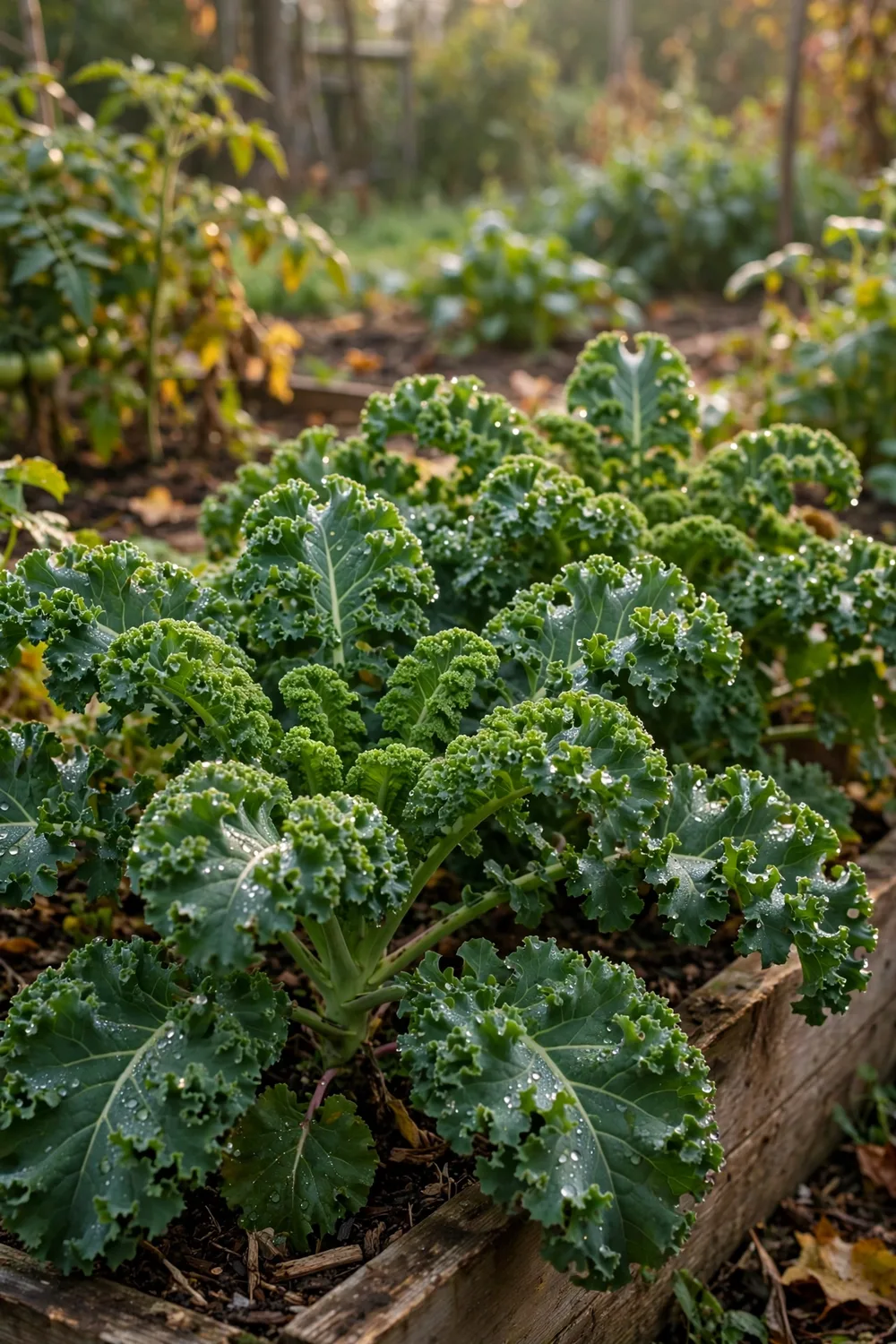
Kale is the toughest green you can plant in September, and it rewards you for months. A light frost actually sweetens the leaves, so this is one crop that gets better as the weather turns. Set out transplants 12 inches apart in soil enriched with compost, and water them in well. Most varieties reach harvest size in 50 to 65 days. You can start picking outer leaves once they are about 8 inches long, and the plant keeps producing new ones from the center.
Try this: lay straw mulch around the stems after the first cold snap to keep the soil from heaving during freeze and thaw cycles. Difficulty: Easy. Cost: $
2. Spinach
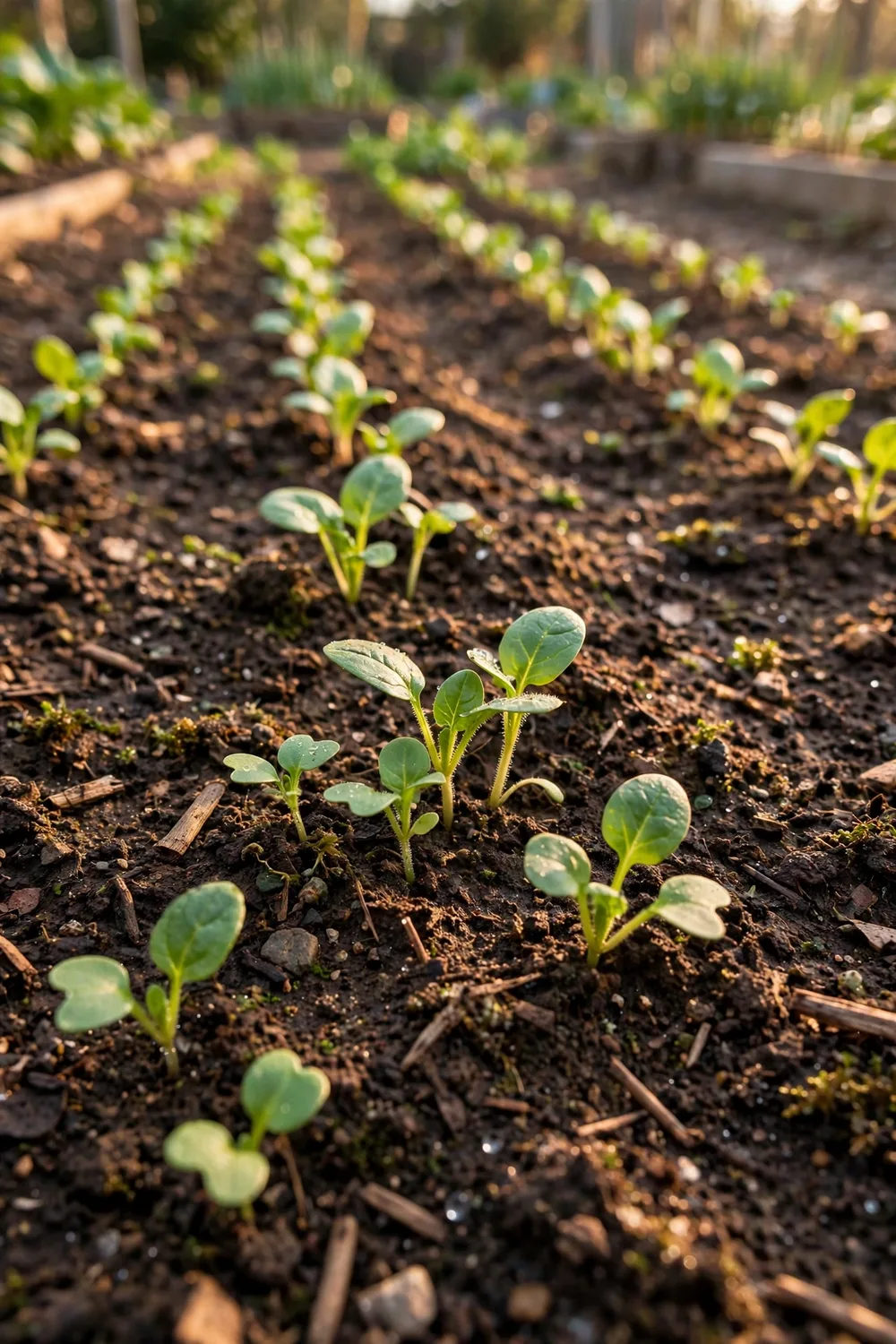
Spinach prefers the cooling soil of September far more than the heat of June. Sow seeds half an inch deep and about 2 inches apart, then thin to 4 inches once seedlings are up. Bloomsdale types mature in 40 to 50 days, and the leaves stay tender because cool weather prevents bolting. Harvest by snipping outer leaves, which lets the center keep growing for weeks of cut-and-come-again picking.
Try this: sow a short new row every 10 days through the month so leaves keep coming instead of all maturing at once. Difficulty: Easy. Cost: $
3. Lettuce
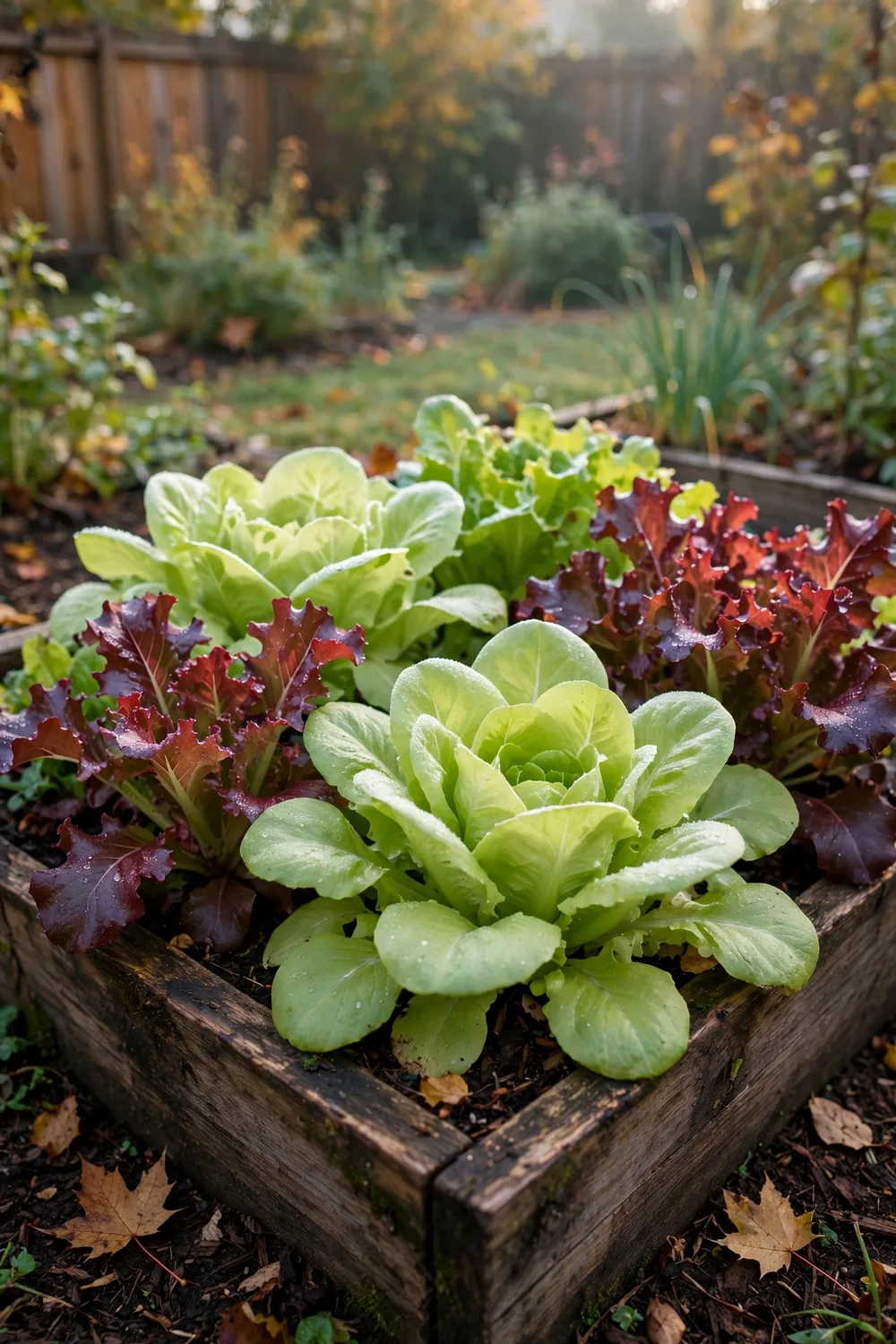
Lettuce bolts in summer heat but thrives in the cool, even temperatures of fall. Loose-leaf types like Black-Seeded Simpson give you baby leaves in 30 to 45 days, while heading types need closer to 60. Sow shallowly, a quarter inch deep, and keep the seedbed damp until germination, which usually takes under a week in warm September soil. Cut leaves an inch above the crown and many plants will regrow for a second harvest.
Try this: tuck lettuce into the shade of a taller plant or a fence to keep the soil a few degrees cooler at sowing time. Difficulty: Easy. Cost: $
4. Radishes
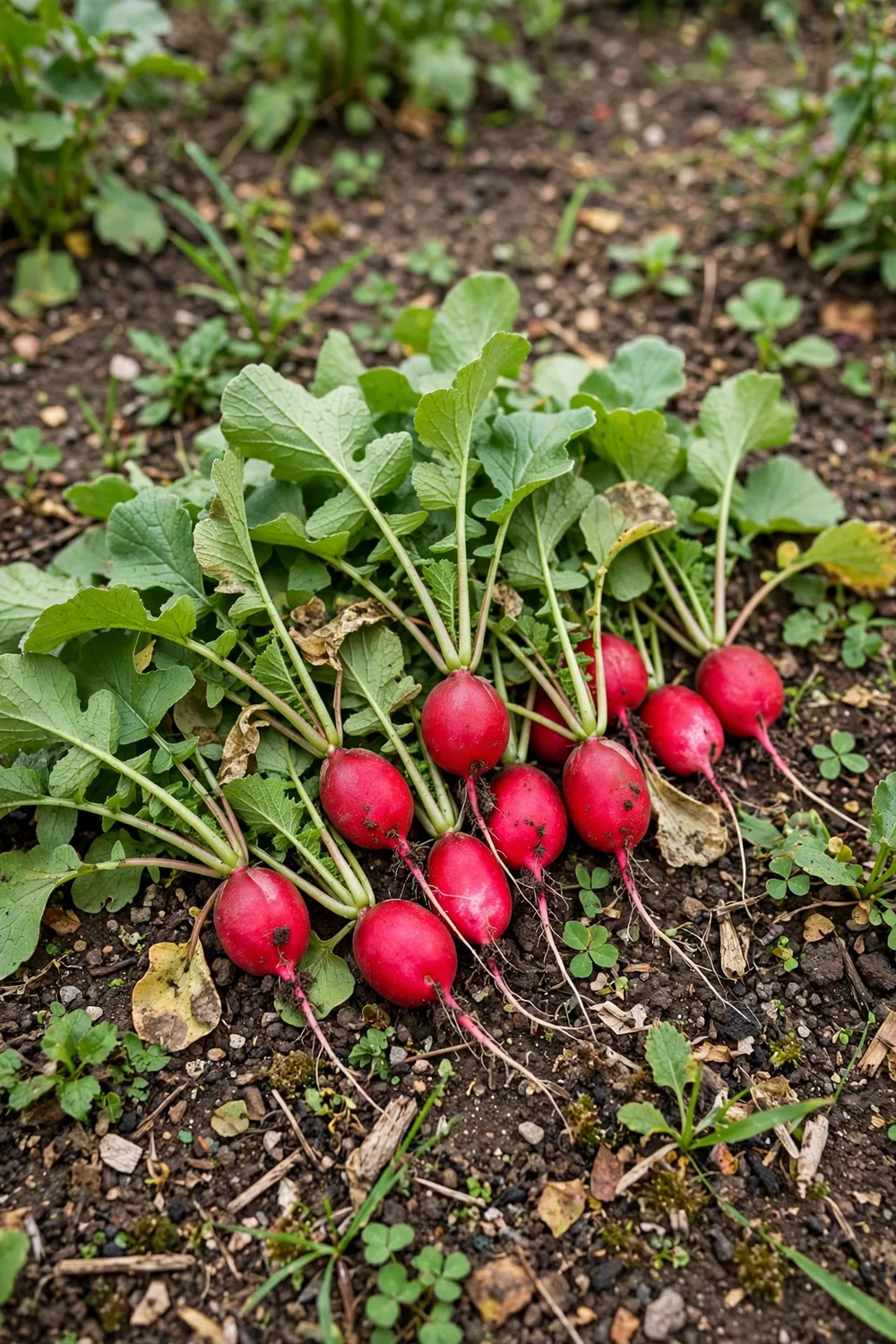
Radishes are the fastest payoff in the September garden, maturing in 22 to 30 days. That speed means you can sow them even in late September in many zones and still beat a hard freeze. Plant seeds half an inch deep and thin seedlings to 2 inches apart so the roots have room to swell. Cherry Belle is the classic round red type, and French Breakfast gives you a milder, oblong root.
Try this: pull one test radish at three weeks. If the shoulder is about an inch wide, the row is ready to harvest. Difficulty: Easy. Cost: $
5. Carrots
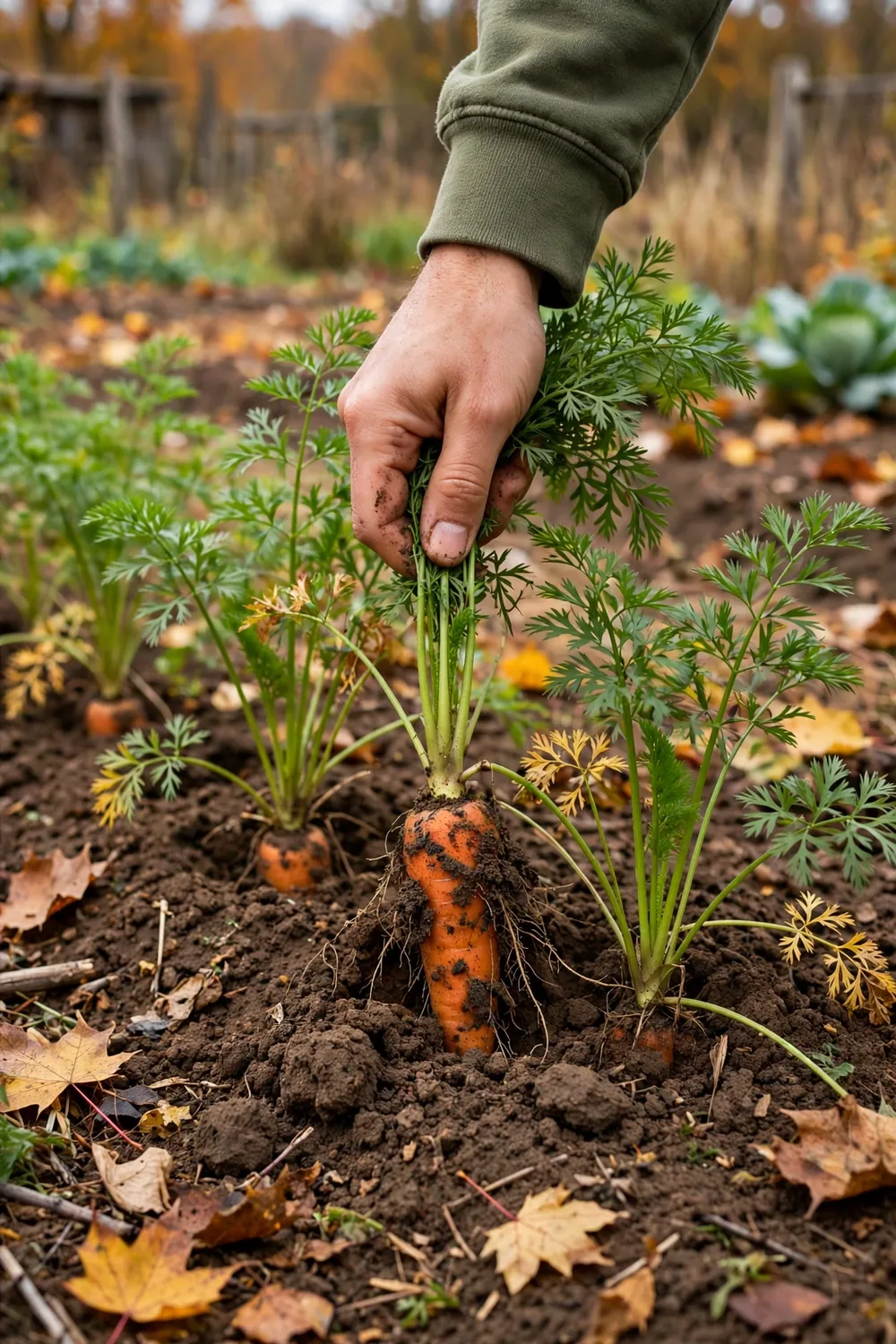
September carrots taste better than summer ones because cool soil pushes the roots to store more sugars. They need 60 to 70 days, so plant them in the first two weeks of the month in zones 6 and colder. The soil must be loose and stone-free at least 8 inches down, or the roots fork and stunt. Danvers Half Long handles heavier soil better than long Imperator types. Thin seedlings to 2 inches apart once they are 2 inches tall, no matter how painful it feels.
Try this: mix a pinch of radish seed into the carrot row. The radishes sprout fast and mark the row while slow carrots are still underground. Difficulty: Moderate. Cost: $
6. Beets
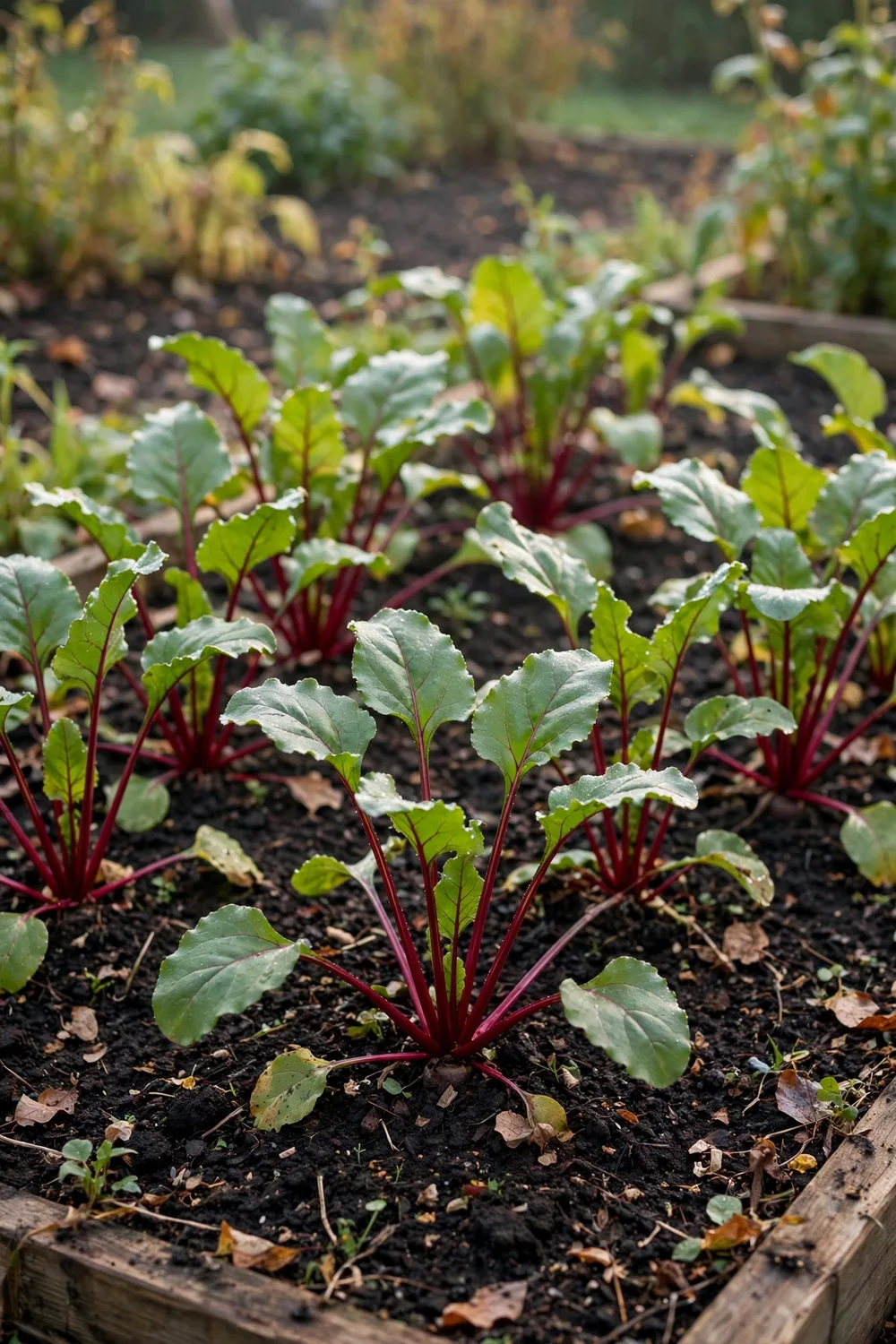
Beets give you two harvests in one plant: sweet roots in 55 to 60 days and edible greens you can start picking even sooner. Soak the wrinkled seed clusters overnight to speed up germination, then sow half an inch deep and thin to 3 inches apart. Detroit Dark Red is the reliable standard for fall. Keep the soil evenly moist, because dry spells make roots woody.
Try this: pull beets when they reach golf-ball size. Small roots are sweeter and more tender than the big ones that sit too long. Difficulty: Easy. Cost: $
7. Arugula
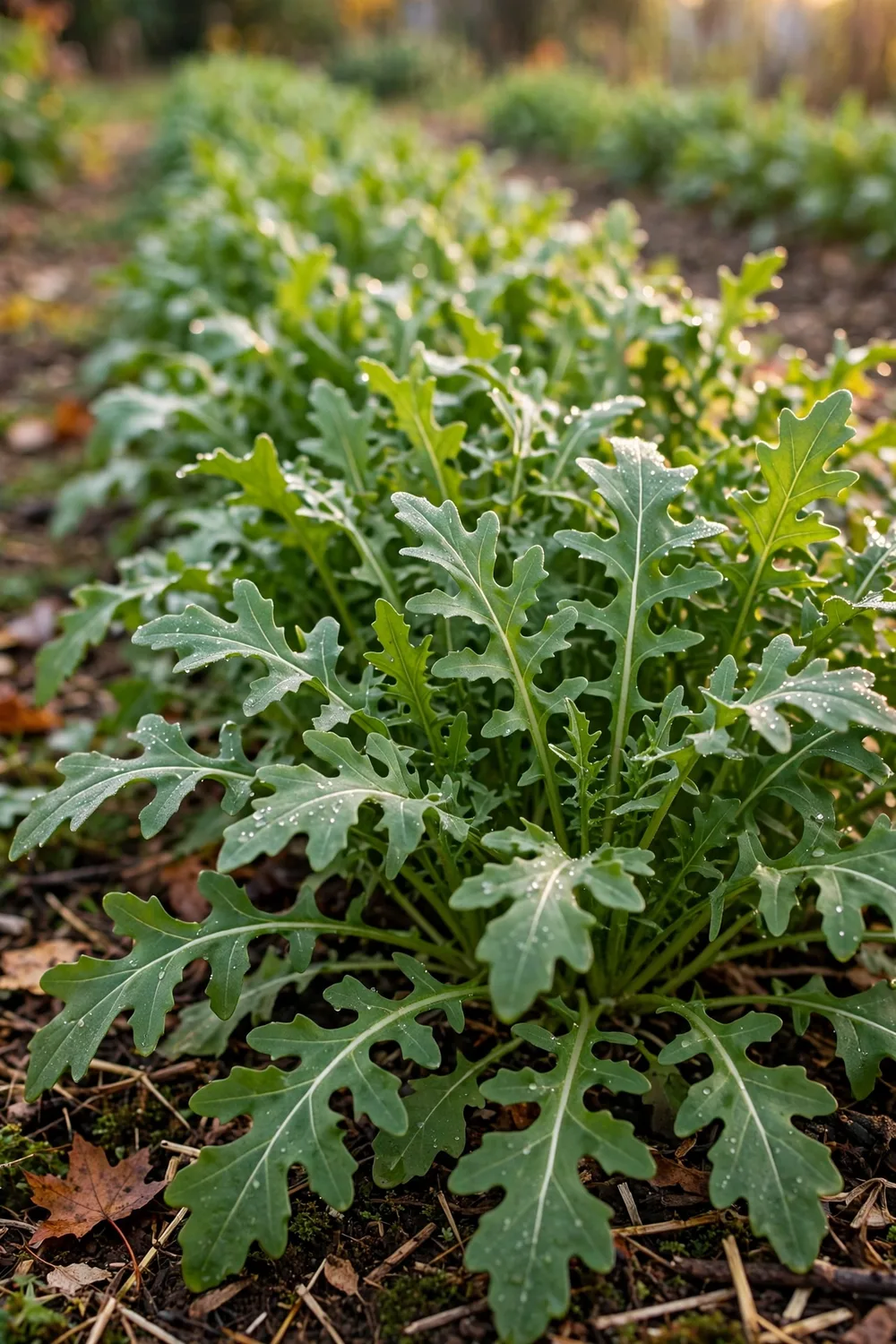
Arugula grows so fast in September that you can sow it up until a month before your first hard frost and still eat well. Seeds germinate in 3 to 5 days in warm soil, and baby leaves are ready in 30 to 40 days. Sow a quarter inch deep in a band rather than single rows for a fuller harvest. The peppery bite is milder in cool weather, which makes fall arugula the best arugula.
Try this: cover the row with floating row cover right after sowing to keep flea beetles off the tender leaves. Difficulty: Easy. Cost: $
8. Swiss chard
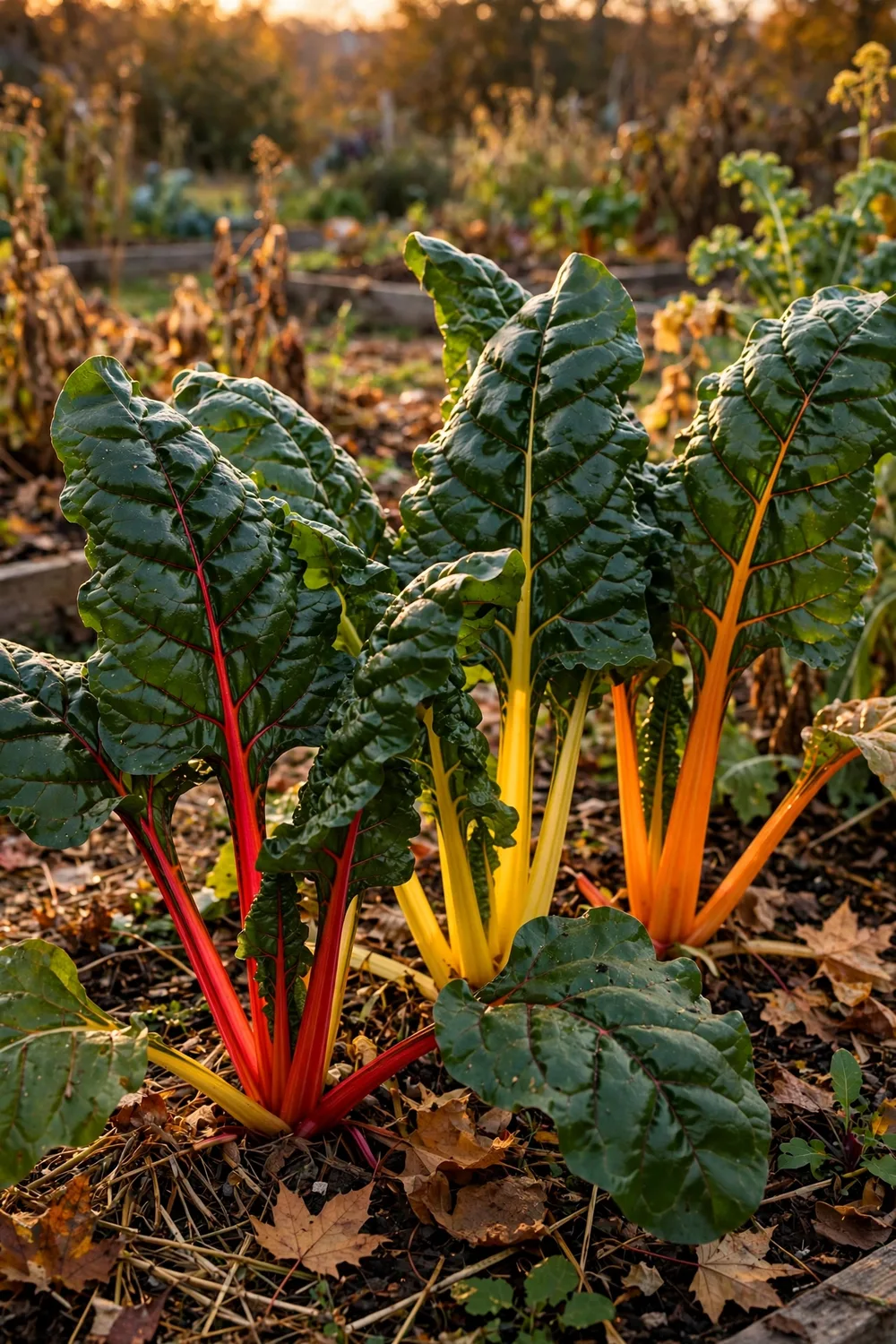
Swiss chard shrugs off light frosts that kill lettuce, so it keeps producing when other greens quit. Bright Lights gives you red, yellow, and orange stems that look as good as they taste. Set transplants 8 to 10 inches apart, or direct sow and thin to the same spacing. Harvest by cutting outer stalks at the base, and the center keeps pushing new growth well into November in many zones.
Try this: plant chard at the corners of your beds, where it can keep growing undisturbed while you clear spent summer crops around it. Difficulty: Easy. Cost: $
9. Broccoli
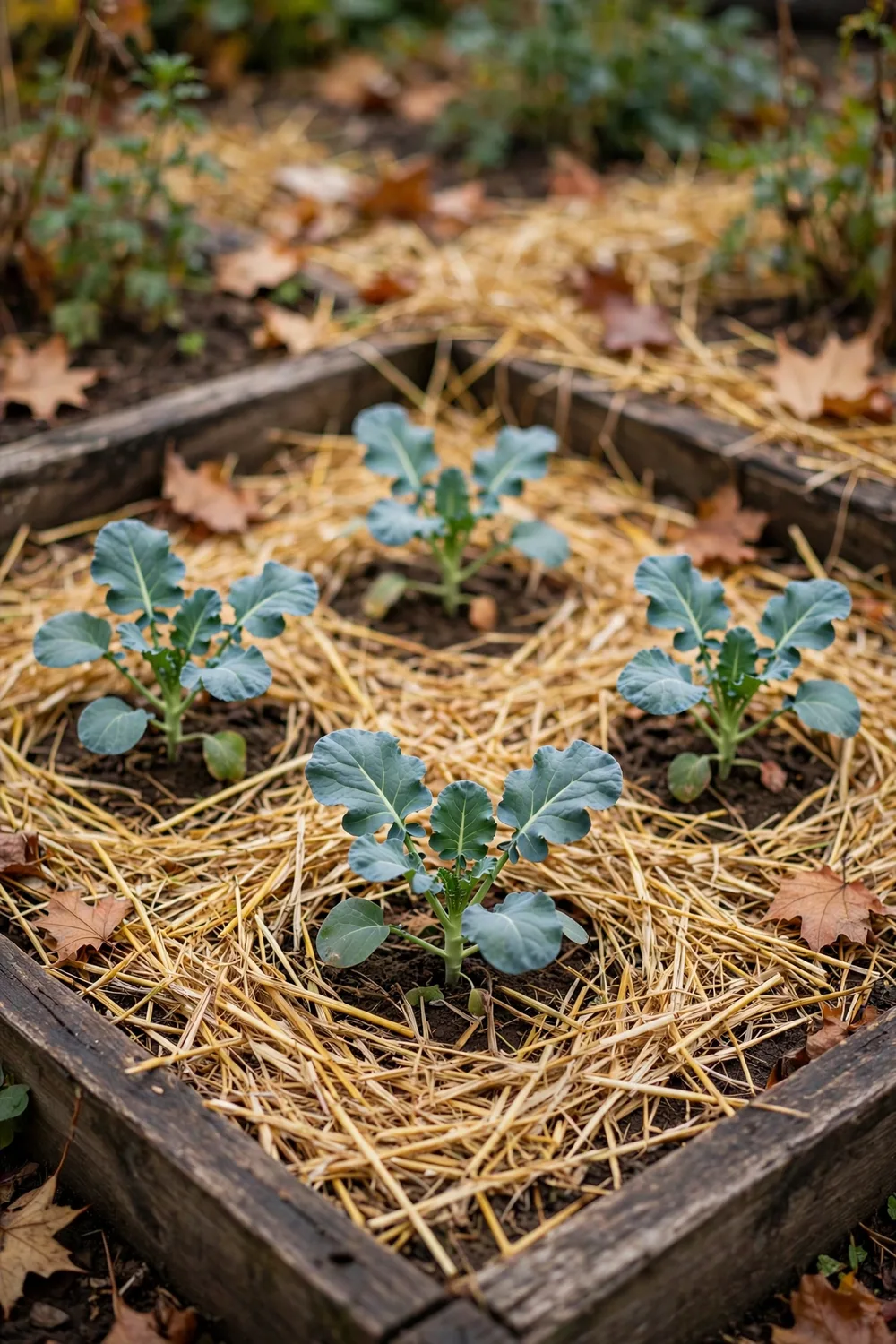
September is too late to start broccoli from seed in most zones, but transplants from a garden center are a different story. A sturdy 4-inch transplant needs 60 to 80 days to head up, which fits the fall window in zones 6 through 9. Space plants 18 inches apart and mulch 2 inches deep to hold soil moisture steady. Cut the main head when the buds are still tight, and most varieties send up smaller side shoots for weeks after.
Try this: tuck broccoli transplants into spots where summer beans just finished. The soil there is already loose and rich from the bean roots. Difficulty: Moderate. Cost: $
10. Cabbage
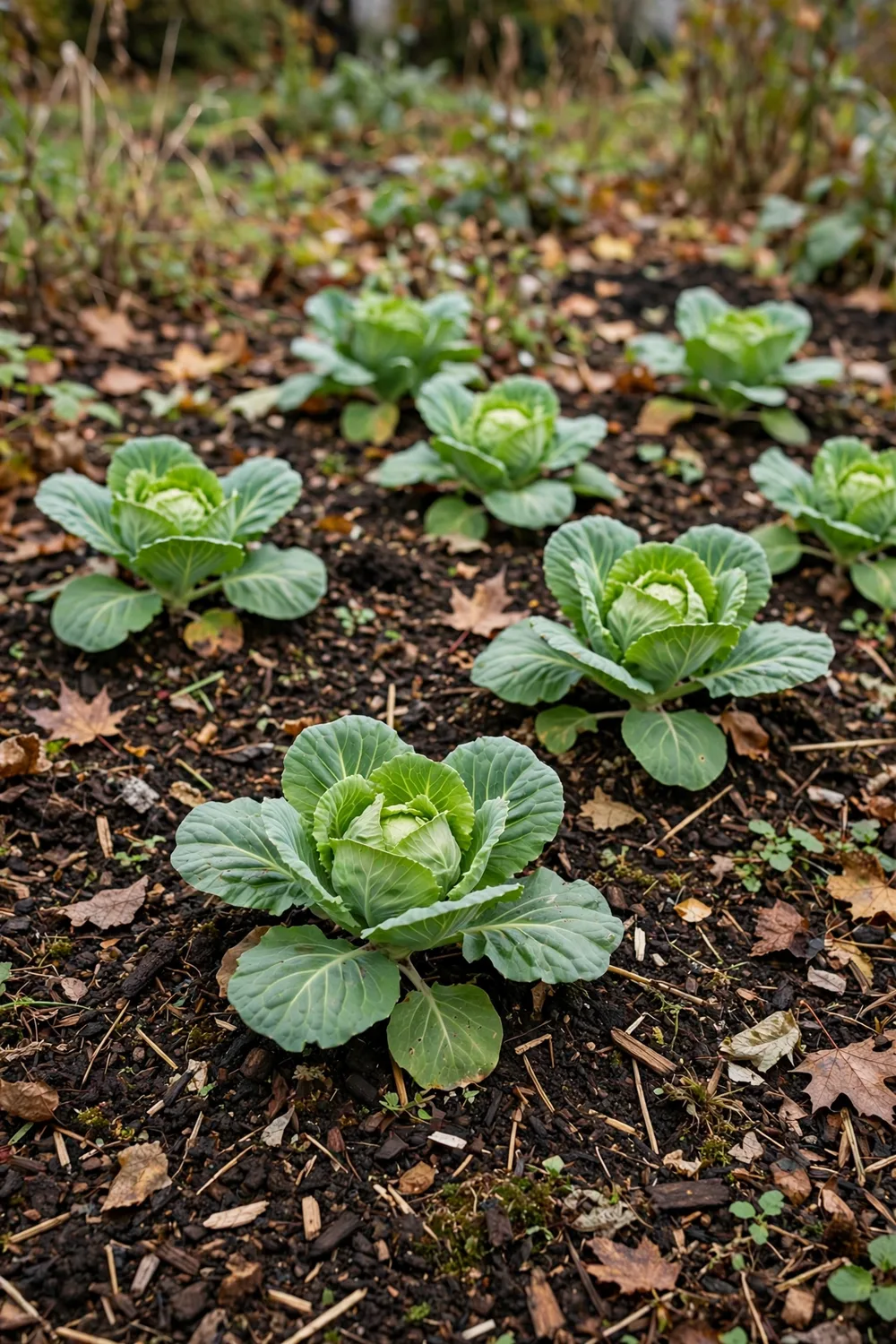
Cabbage actually prefers maturing in cool fall weather to sweating through August. Like broccoli, it needs to go in as transplants in September. Early Jersey Wakefield forms pointed heads in about 60 days, while round storage types need a bit longer. Set plants 12 to 18 inches apart in rich soil and water at the base rather than overhead, which helps heads stay tight and rot-free.
Try this: drape row cover over young cabbage to block cabbage worms without any spray at all. Difficulty: Moderate. Cost: $
11. Cauliflower
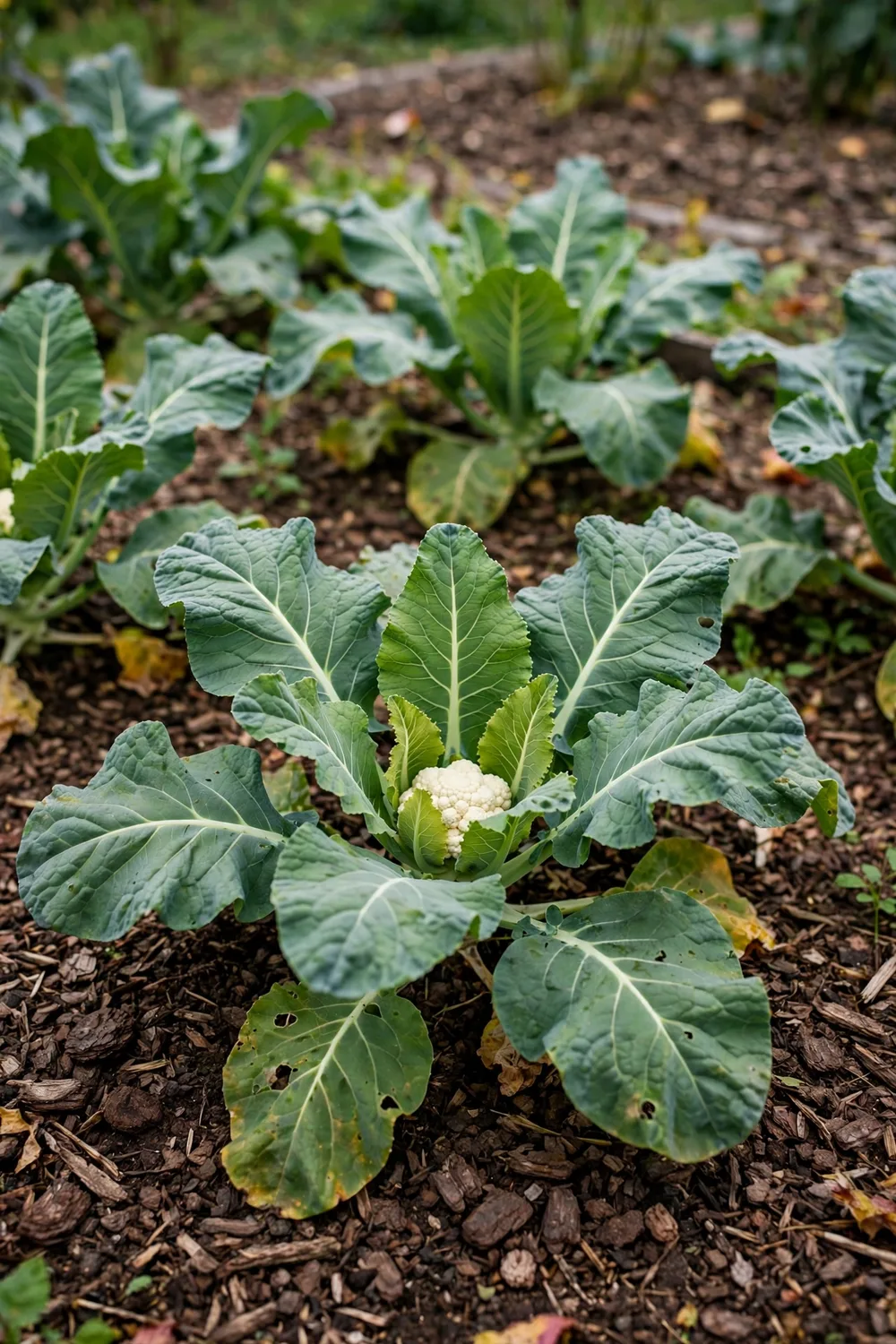
Cauliflower is the fussiest of the fall brassicas, but September weather suits it better than spring. Buy transplants, not seeds, and give each plant 18 inches of space in soil worked with compost. The curd needs steady water to form evenly, so do not let the bed dry out. Choose a self-blanching variety whose inner leaves curl over the head on their own, saving you the step of tying leaves up.
Try this: side-dress with a balanced organic fertilizer three weeks after transplanting to keep growth moving as days shorten. Difficulty: Moderate. Cost: $
12. Garlic
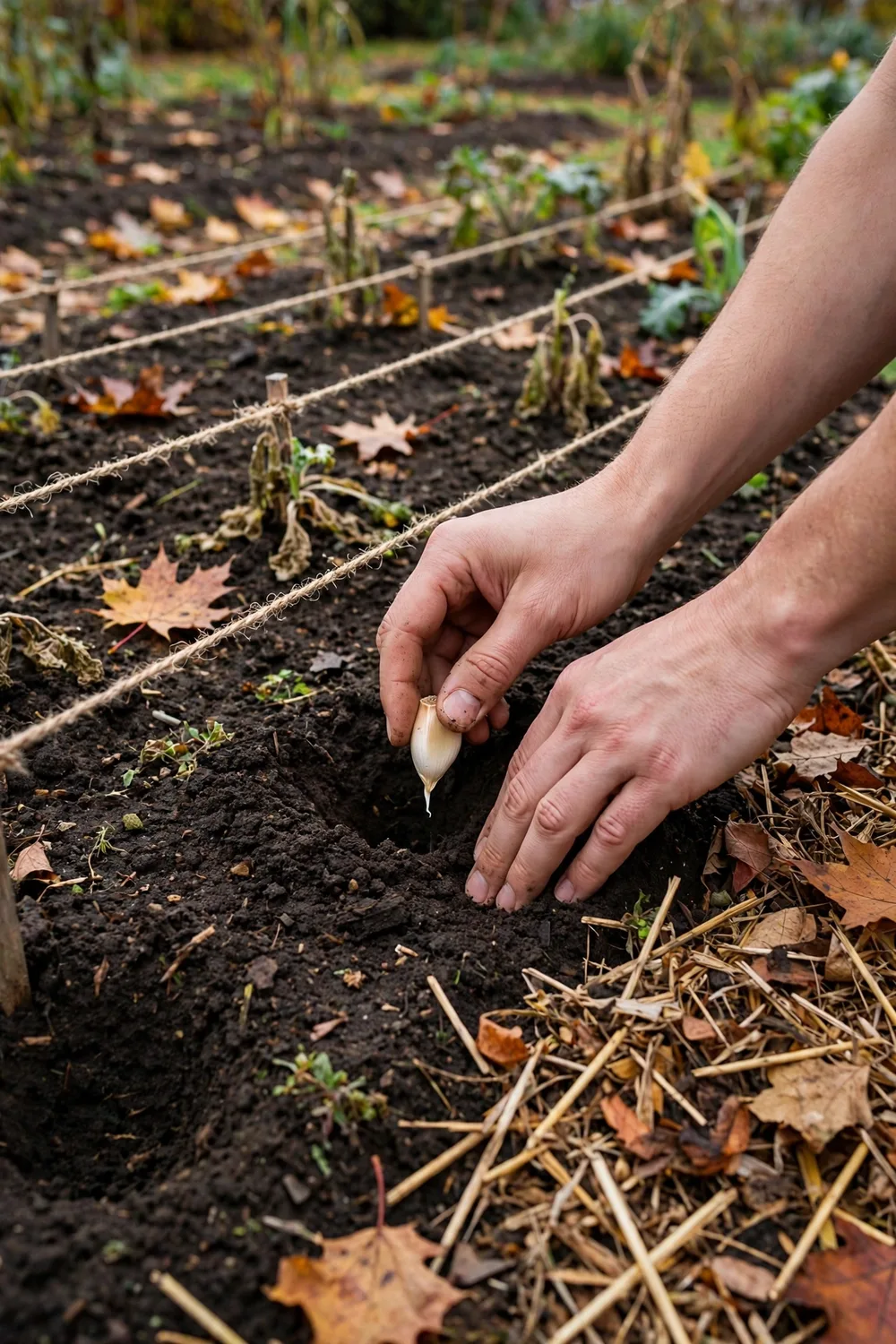
Garlic is the one vegetable you plant in fall specifically so it can sleep through winter. In zones 3 through 6, late September to October is prime planting time. Break bulbs into cloves, plant each one pointed-end-up 2 inches deep and 6 inches apart, then mulch 4 inches deep with straw. The cloves root before the ground freezes and start growing again in early spring for a July harvest.
Try this: plant the biggest cloves from your best bulbs. Big cloves grow into big bulbs next summer. Difficulty: Easy. Cost: $$
13. Turnips
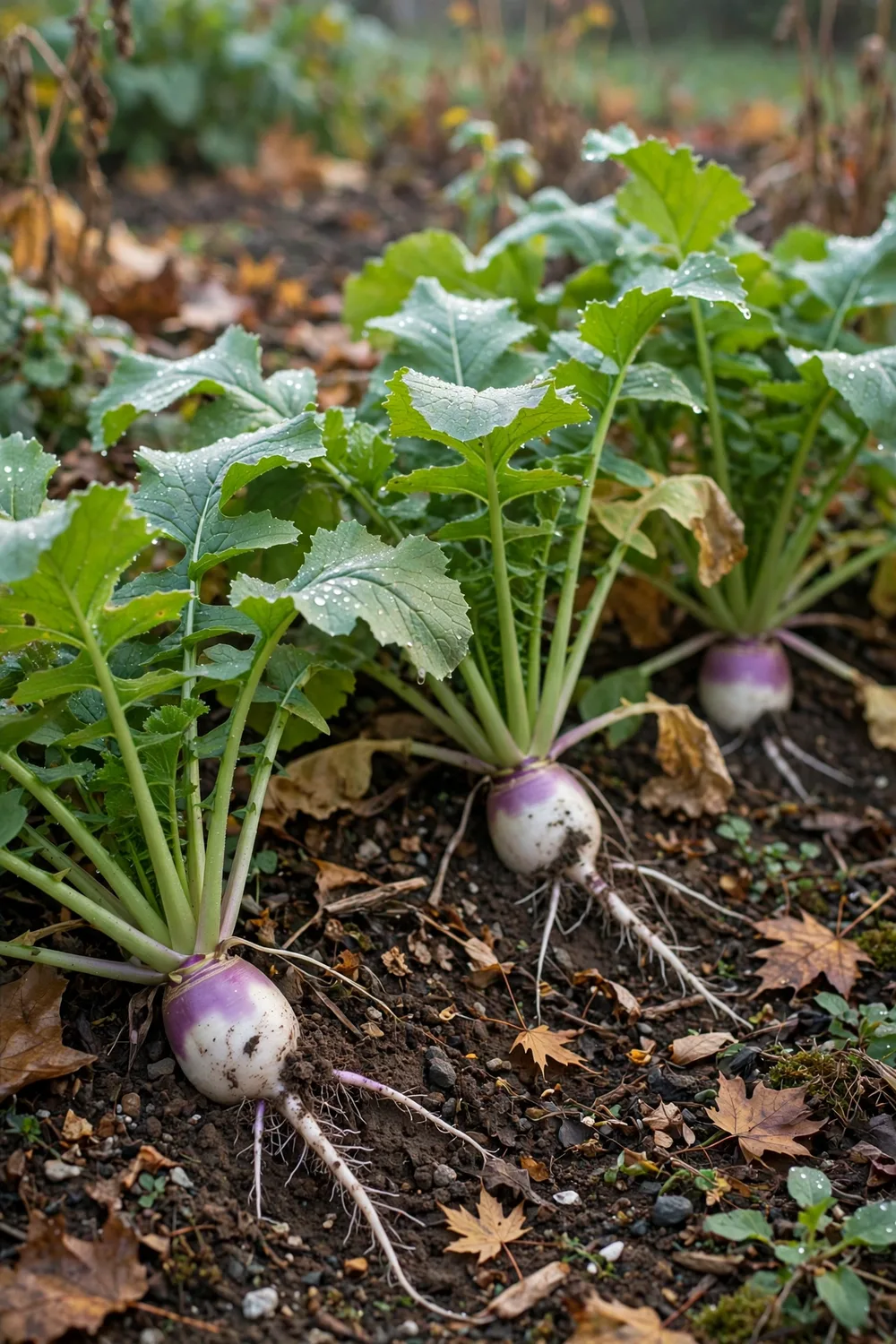
Turnips are an underrated fall crop because you eat both the greens and the roots. Purple Top White Globe matures in 40 to 55 days, so a mid-September sowing still works in most zones. Sow a quarter inch deep and thin to 4 inches apart. The greens are ready to pick in about a month, and the roots sweeten after a light frost, the same way kale does.
Try this: sow turnips where peas or beans just finished. They follow nitrogen-fixing crops well and need less added fertilizer. Difficulty: Easy. Cost: $
14. Mustard greens
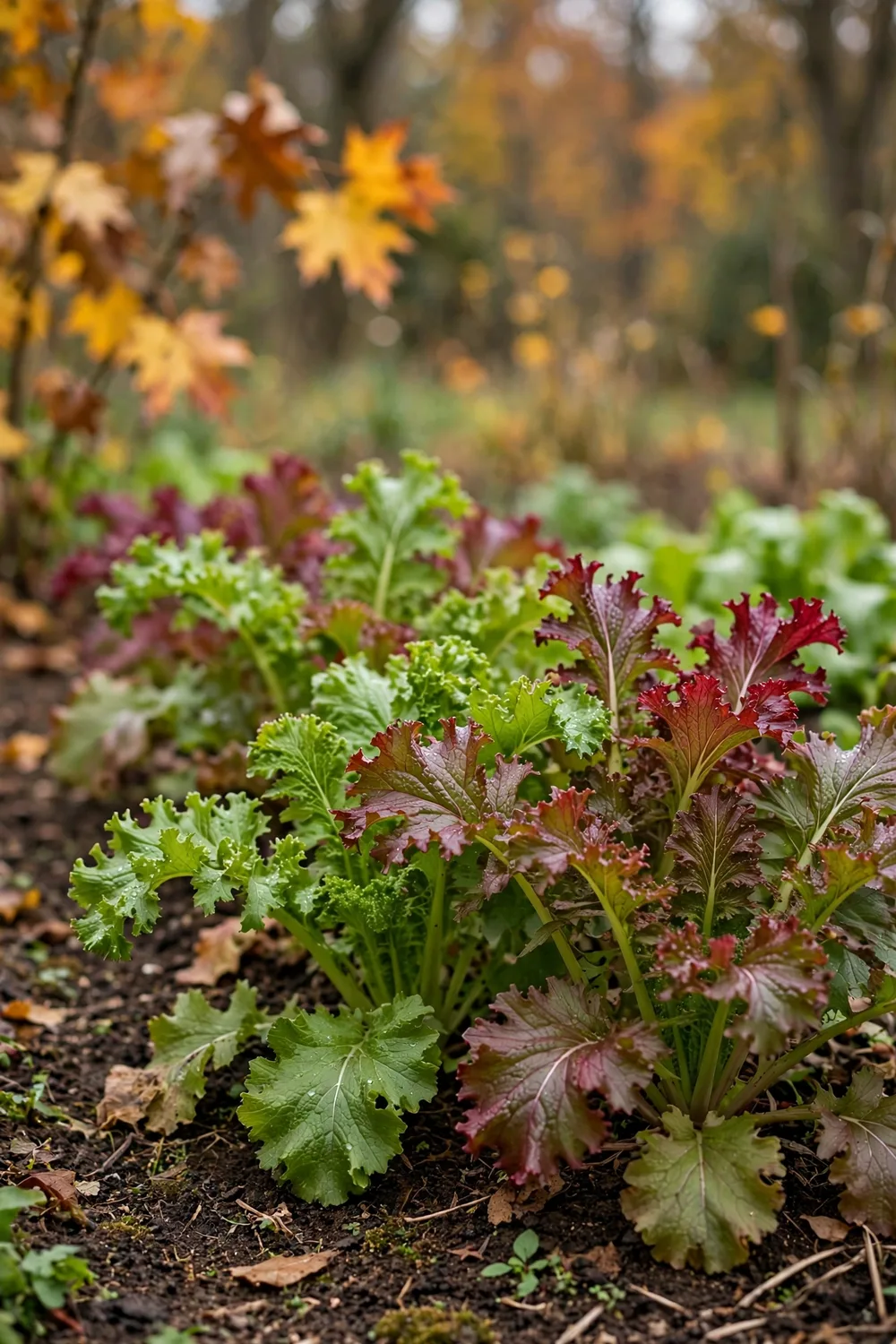
Mustard greens bring a spicy bite to fall salads and stir-fries, and they grow fast enough for September sowing almost anywhere. Southern Giant Curled is ready in 30 to 40 days. Sow half an inch deep, thin to 6 inches apart, and water regularly to keep leaves tender. Picked young at 3 to 4 inches tall, the leaves are mild; left to mature, they develop real heat.
Try this: harvest in the morning when leaves are crisp and cool. Afternoon-picked greens wilt faster in the kitchen. Difficulty: Easy. Cost: $
15. Green onions
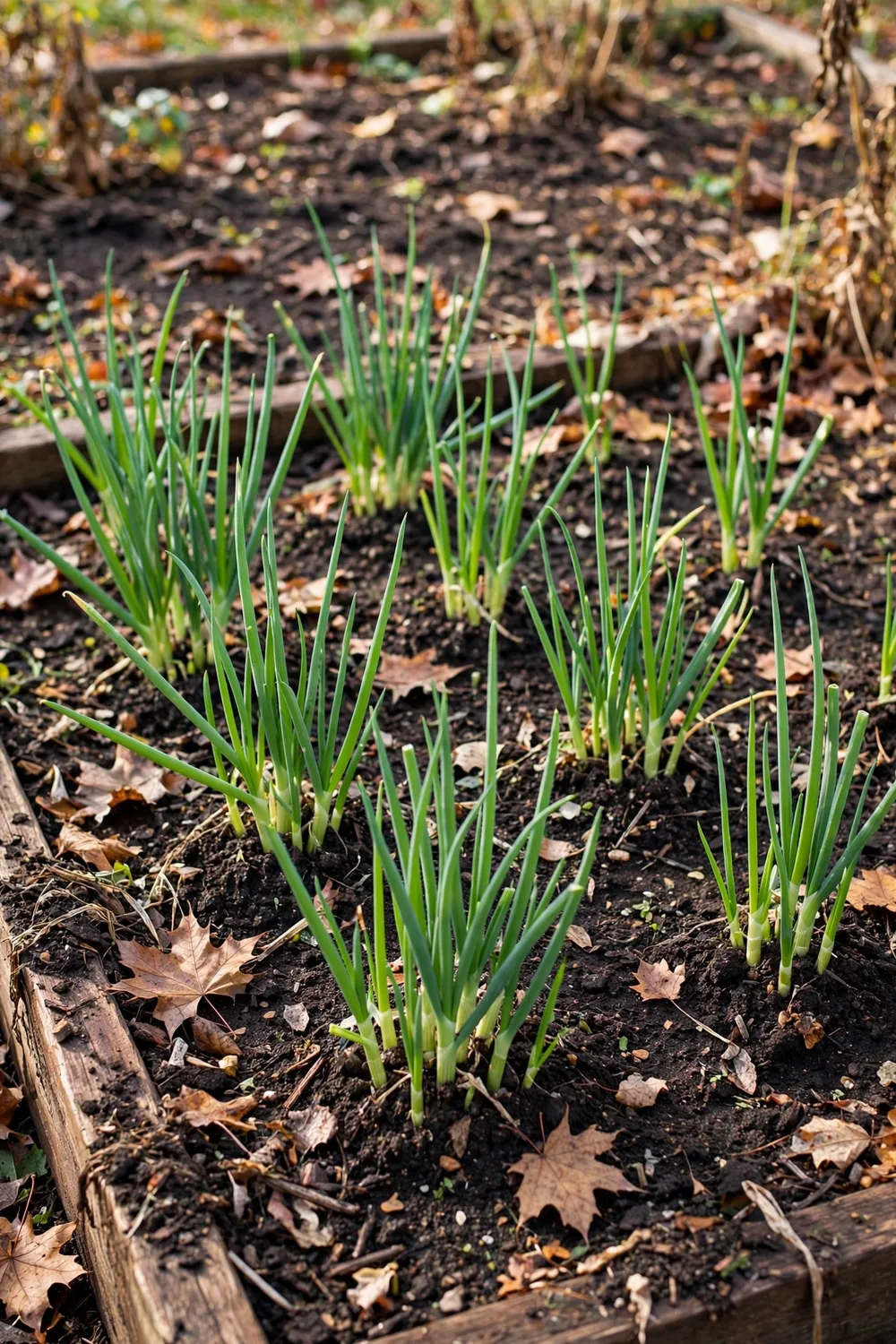
Green onions are the lowest-effort crop on this list. Sow seeds half an inch deep in September for scallions in 50 to 60 days, or skip seeds entirely and plant the root ends of grocery-store scallions. Set them an inch deep with the cut tops above the soil, and they regrow in a couple of weeks. In zones 7 and warmer, a September planting can keep producing through winter under a row cover.
Try this: line your bed edges with scallions. They mark your rows and give you something to snip while slower crops grow. Difficulty: Easy. Cost: $
September vegetables at a glance
| Vegetable | Days to harvest | Handles light frost | Start as |
|---|---|---|---|
| Kale | 50-65 | Yes | Transplants |
| Spinach | 40-50 | Yes | Seed |
| Lettuce | 30-60 | Light cover helps | Seed |
| Radishes | 22-30 | Yes | Seed |
| Carrots | 60-70 | Yes | Seed, early Sept |
| Beets | 55-60 | Yes | Seed |
| Arugula | 30-40 | Yes | Seed |
| Swiss chard | 50-60 | Yes | Seed or transplants |
| Broccoli | 60-80 | Yes | Transplants only |
| Cabbage | 60-70 | Yes | Transplants only |
| Cauliflower | 60-80 | Yes | Transplants only |
| Garlic | Harvest next July | Overwinters | Cloves |
| Turnips | 40-55 | Yes | Seed |
| Mustard greens | 30-40 | Yes | Seed |
| Green onions | 50-60 | Yes, with cover in cold zones | Seed or regrow |
How to time your September planting
The number one question is whether there is enough season left, and the math is simple. Look up your average first fall frost date, count backward by the days to harvest on the seed packet, then add 10 to 14 extra days because plants grow slower as daylight shrinks. If that lands in September, you can plant. In zones 9 and 10, September is actually your main planting month, since summer heat lasts too long for cool crops to start earlier.
Long-season crops like broccoli, cabbage, and cauliflower only work from transplants this late, so grab healthy starts from a garden center rather than sowing seeds. Fast crops like radishes, arugula, and baby lettuce can go in from seed well into the month. For more on preparing your beds before you sow, see these tips for gardening in clay soil with poor drainage, which covers the soil fixes that matter most for root crops.
Mistakes to avoid with fall vegetables
The most common mistake is planting too late for your zone. A 70-day carrot sown on September 25 in zone 5 will not make it, so do the frost-date math above before you sow. The second mistake is forgetting to water. Warm September soil dries fast, and seeds that dry out mid-germination simply die, so check the seedbed daily for the first two weeks. Third, do not skip thinning. Crowded seedlings give you tiny roots and leggy greens.
Two safety notes before you dig in. If you are breaking new ground for beds, call your utility locator at 811 first so you do not hit buried lines. And keep pets away from the garlic bed, since garlic and all members of the onion family are toxic to dogs and cats if chewed. On food safety, wash all harvests well, and if you use raw manure, apply it at least 120 days before you plan to harvest, per standard food-safety guidance. For planning what goes where, my guide to the best strawberry companion plants shows how pairing plants helps the whole bed, and the same idea works for vegetables.
For timing and variety advice backed by research, the University of Minnesota Extension planting guides and Penn State Extension vegetable gardening resources are both solid, region-tested references. And if you want the fall garden to look good too, not just produce, these cottagecore backyard ideas pair nicely with productive beds.
Frequently asked questions
Is it too late to plant vegetables in September?
No, not for cool-season crops. Fast growers like radishes, arugula, spinach, and baby lettuce can be sown from seed in September in zones 5 through 8 and still produce before hard frost. In zones 9 and 10, September is the prime planting month for the whole fall garden.
Which vegetables grow fastest from a September planting?
Radishes lead at 22 to 30 days, followed by arugula and baby lettuce at 30 to 40 days, then spinach and mustard greens at 40 to 50 days. These are your safest bets if you are planting late in the month.
Should I start from seed or transplants in September?
Use seeds for fast crops like radishes, greens, carrots, and beets. Buy transplants for broccoli, cabbage, and cauliflower, since seeds will not have time to mature before winter in most zones.
Do fall vegetables need fertilizer?
Work compost into the bed at planting time, which is usually enough for a short fall season. Give heavy feeders like broccoli and cauliflower one side-dressing of balanced organic fertilizer about three weeks after transplanting.
How do I protect September plantings from an early frost?
Floating row cover is the simplest tool. It adds several degrees of protection and can stretch your harvest by weeks on either end of the season. A 2 to 3 inch straw mulch around transplants also helps steady soil temperatures.
Can I really plant garlic in September?
Yes. In zones 3 through 6, late September into October is the ideal window. The cloves establish roots before the ground freezes, go dormant over winter, and resume growth in spring for a July harvest.
September gardening caught me by surprise the first time, and now it is one of my favorite months in the garden. Pick three or four vegetables from this list, do the frost-date math, and get them in the ground this week. Your October self will thank you with a colander full of fresh greens.


