



By late August my garden always looks tired. The zinnias are leggy, the petunias gave up in the heat, and the whole yard feels like it is waiting for something.
Plant these 10 flowers in late summer and your garden hits its second peak right when fall arrives. Each pick is chosen for cool-weather color, easy planting in August warmth, and that cozy layered look fall gardens do best.
Quick takeaways
- Late summer planting works best 6 to 8 weeks before your first expected frost.
- Mums, asters, pansies, and ornamental kale are the most reliable fall performers.
- Water new transplants daily for the first week; late summer heat is the real enemy.
- Chrysanthemums are mildly toxic to pets, so keep curious dogs from chewing them.
1. Garden mums
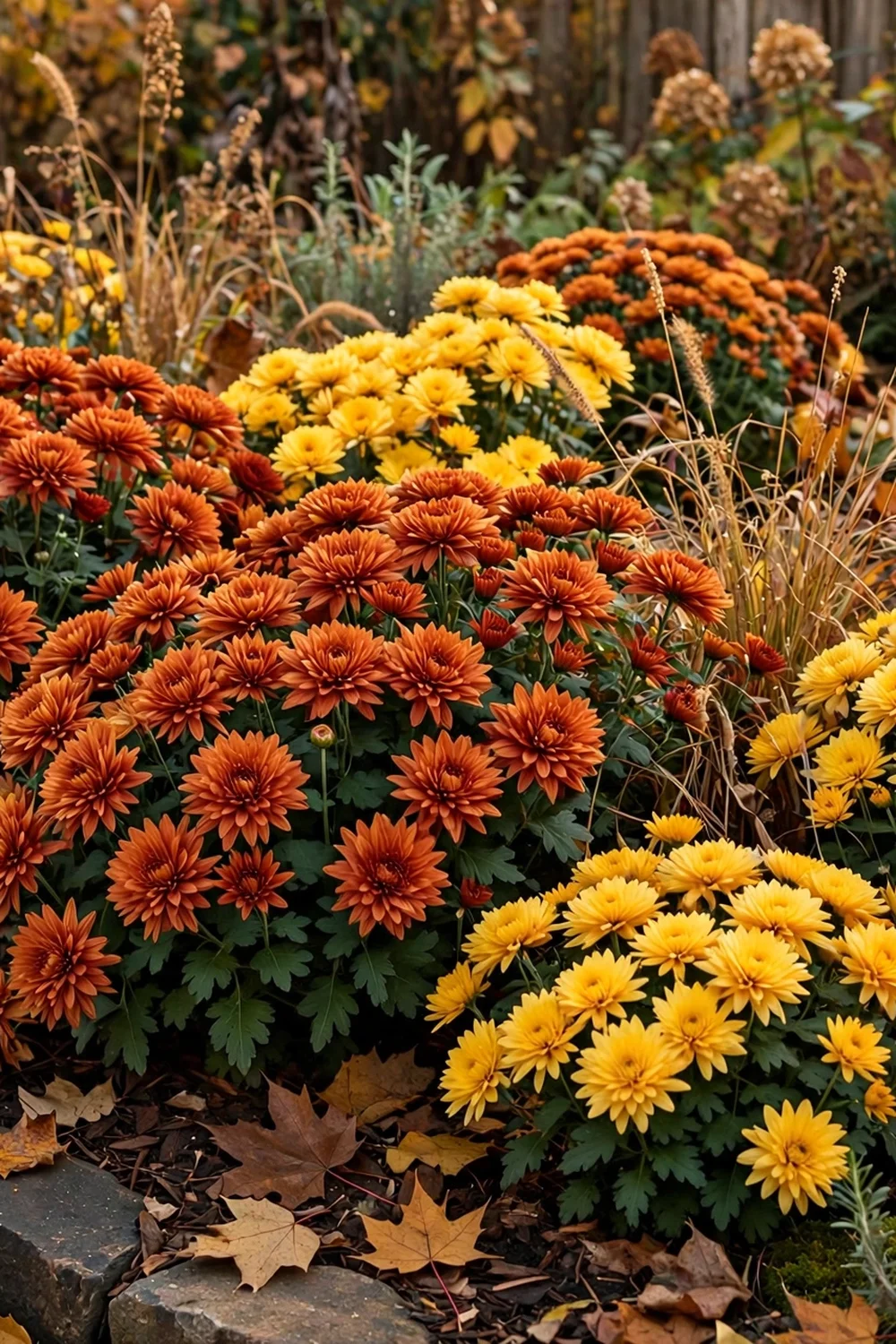
Mums are the undisputed flower of fall, and planting them in late summer instead of buying them in October gives you bigger, sturdier plants. Set transplants in full sun with good drainage, water daily for the first week, and pinch the buds once in early September for a denser October show. Hardy mums return for years in zones 5 to 9 if you mulch them after the first hard freeze. The rust, gold, and burgundy shades are what make a garden read “fall” instantly.
Try this: plant mums in odd-numbered clusters of 3 or 5 rather than single lonely pots.
Cost: $. Difficulty: easy.
2. Asters
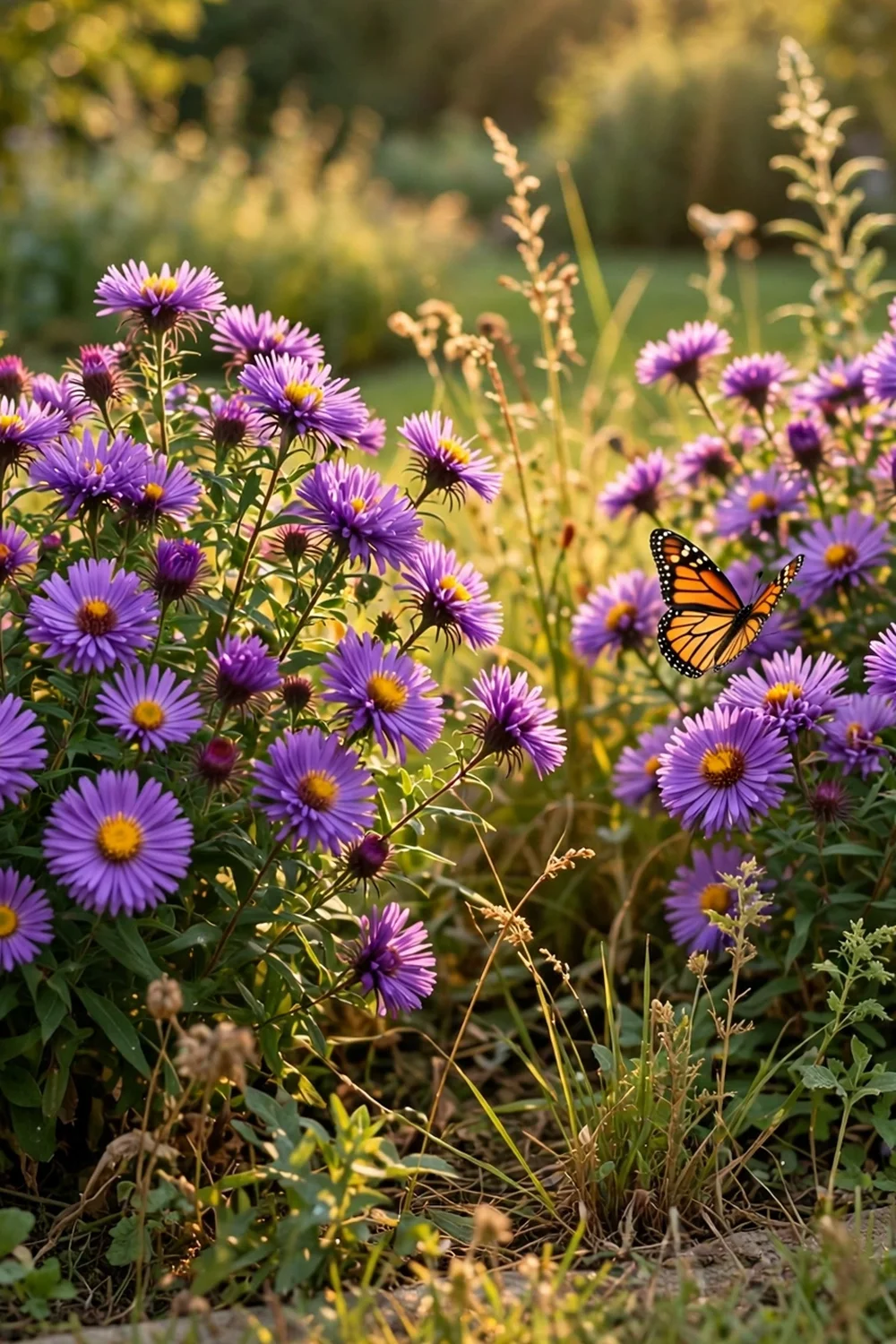
Asters are the late-season workhorses that bloom when almost everything else is done. The daisy-like flowers in purple, pink, and white appear from late August through October and feed migrating butterflies right when they need it most. Plant nursery transplants in late summer in full sun and average soil. Varieties like ‘Purple Dome’ stay compact at 18 inches, while taller types reach 3 feet and suit the back of the border.
Try this: shear asters back by half in early July next year for bushier plants that do not flop.
Cost: $. Difficulty: easy.
3. Pansies and violas

Pansies are the cool-weather flowers that laugh at light frosts. Planted in late summer, they bloom through fall, often survive winter in zones 6 and up under mulch, and rebloom in spring. That is three seasons from one planting. They prefer the cooler half of the day, so tuck them where afternoon shade arrives. Deadhead regularly and they keep producing the cheerful faces fall gardens need.
Try this: choose violas over big pansies in windy spots; the smaller flowers hold up better.
Cost: $. Difficulty: easy.
4. Ornamental kale and cabbage
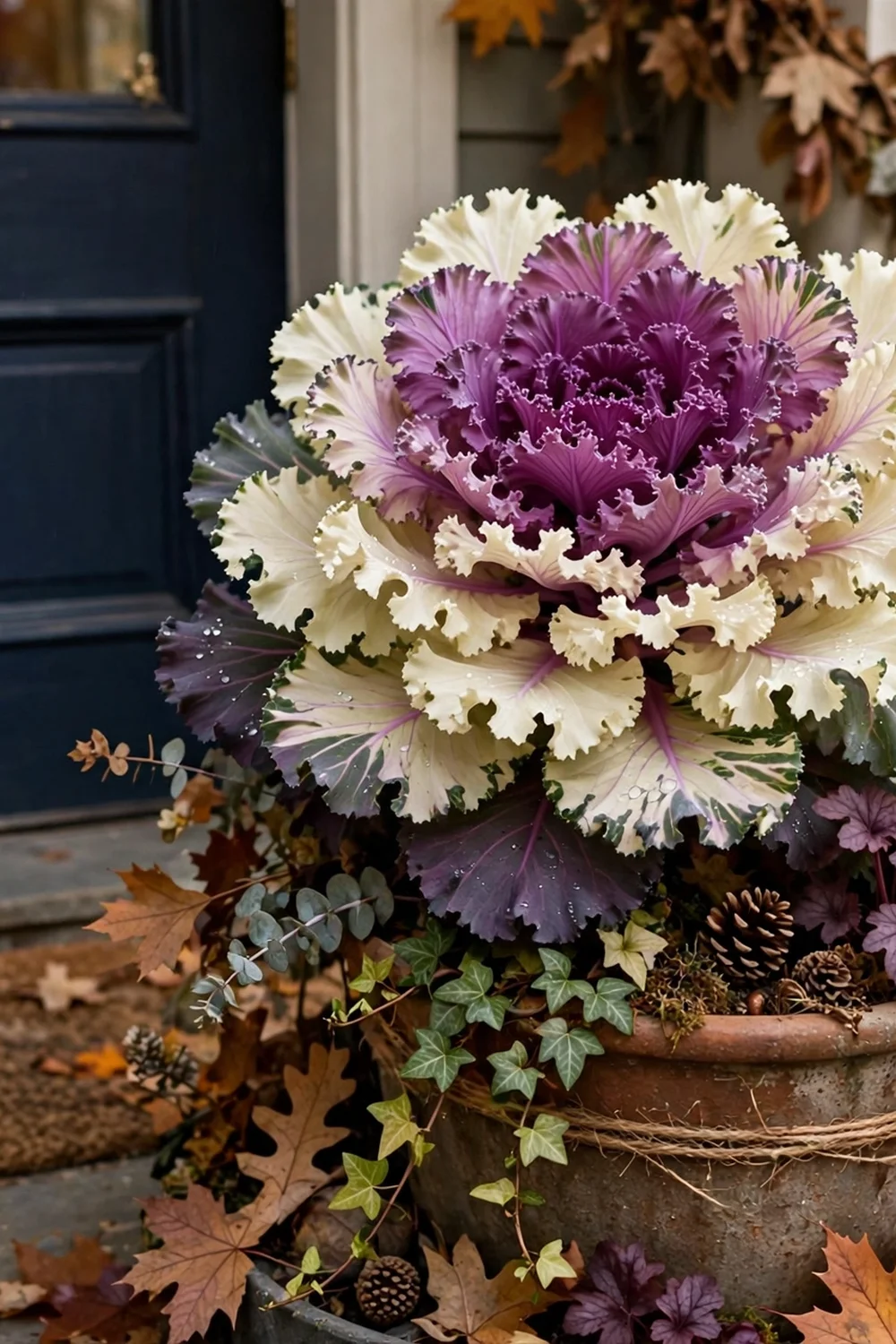
Ornamental kale does not bloom, but its ruffled rosettes in purple, cream, and rose are the foliage stars of fall. Colors intensify after the first light frosts, which is exactly when flower beds start fading. Plant transplants in late summer in full sun; they are edible-adjacent but bred for looks. One row along a bed edge gives structure that lasts into winter, long after the mums are spent.
Try this: plant kale in containers by the front door where frost-kissed color greets visitors.
Cost: $. Difficulty: easy.
5. Sedum ‘Autumn Joy’
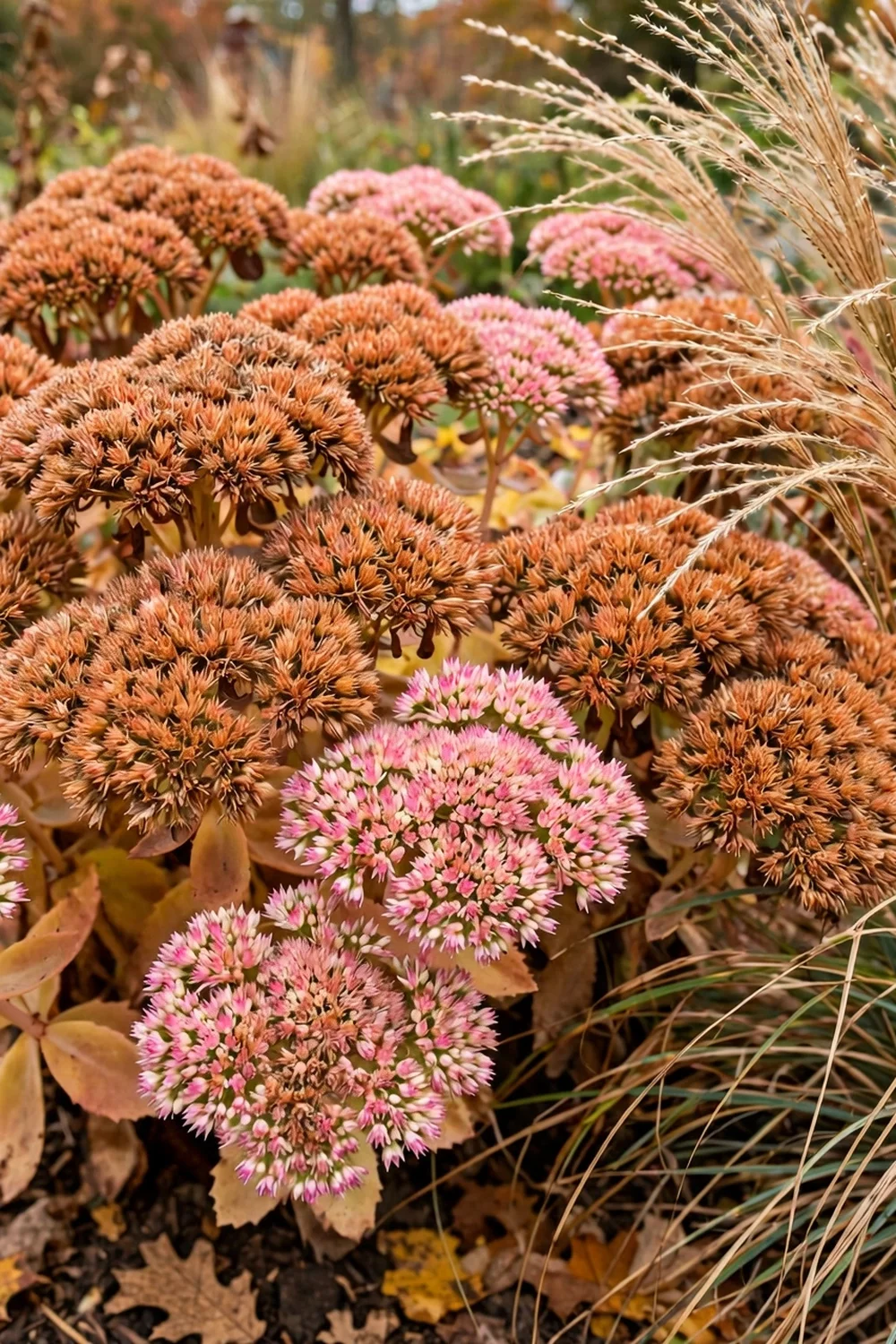
Sedum ‘Autumn Joy’ is the plant that looks good for four straight months. The broccoli-like heads emerge green in summer, blush pink in September, and dry to copper seed heads that stand through winter. It needs full sun, sharp drainage, and almost no water once established. Plant divisions or nursery pots in late summer; they settle in fast. Leave the dried heads standing for winter interest and cut them down in spring.
Try this: pair sedum with ornamental grasses for a fall combination that needs zero deadheading.
Cost: $$. Difficulty: easy.
6. Goldenrod
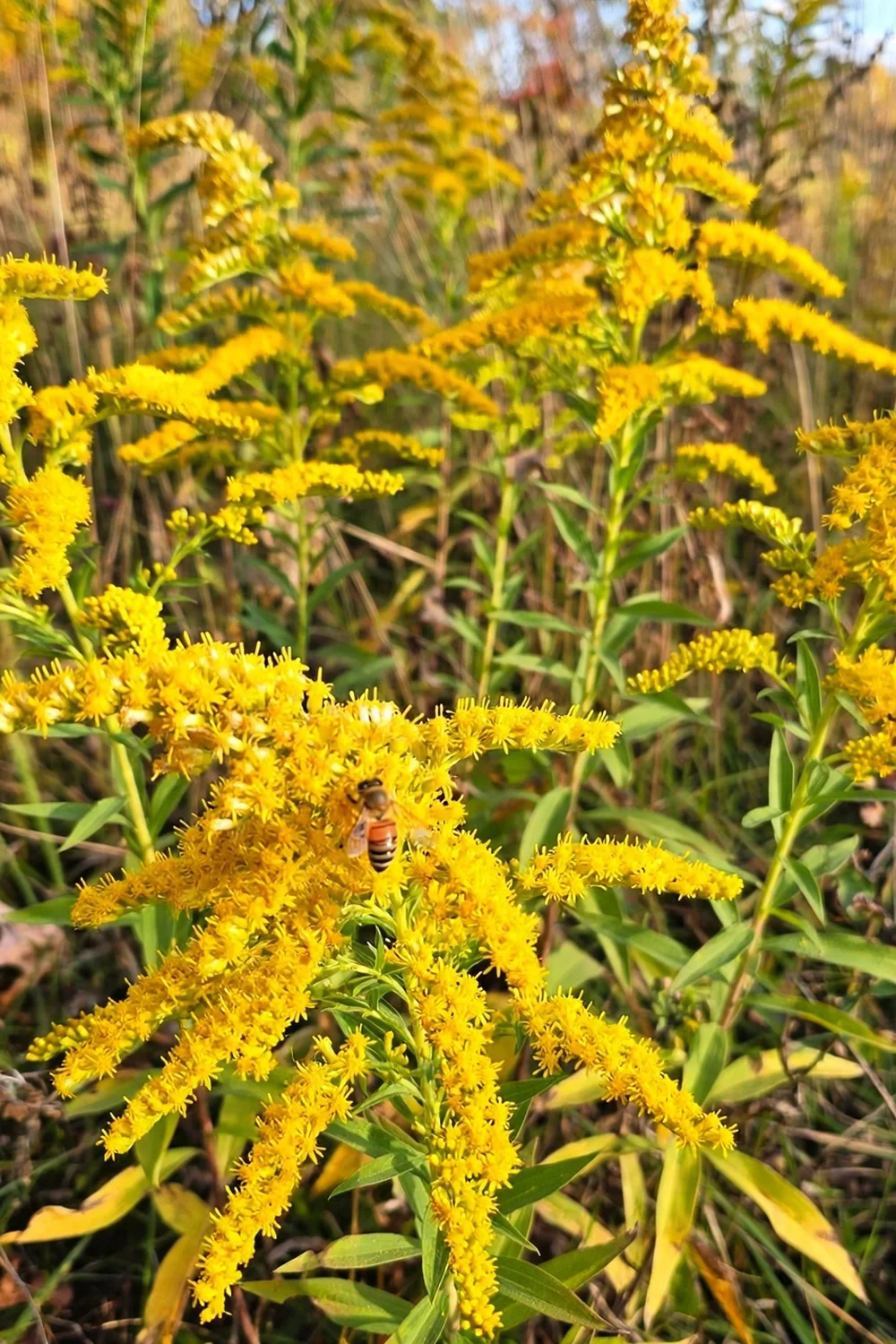
Goldenrod gets blamed for fall allergies it does not cause (ragweed is the real culprit), and it deserves better. The bright yellow plumes bloom from late summer into fall, feed dozens of pollinator species, and pair beautifully with purple asters. Modern compact cultivars like ‘Fireworks’ and ‘Golden Fleece’ stay 2 feet tall and never take over. Plant in full sun; it tolerates poor soil without complaint.
Try this: plant goldenrod behind purple asters for the classic complementary-color pairing.
Cost: $$. Difficulty: easy.
7. Black-eyed Susan

Black-eyed Susans bridge summer and fall: the gold daisies that started in June keep going into October if you deadhead, and the seed heads feed goldfinches after. Late summer is the perfect time to tuck in nursery plants for a strong fall show, since the roots establish while the tops are still blooming. They handle heat, humidity, and mediocre soil, which makes them the reliable filler every fall bed needs.
Try this: stop deadheading in October so seed heads form for winter birds.
Cost: $. Difficulty: easy.
8. Japanese anemone
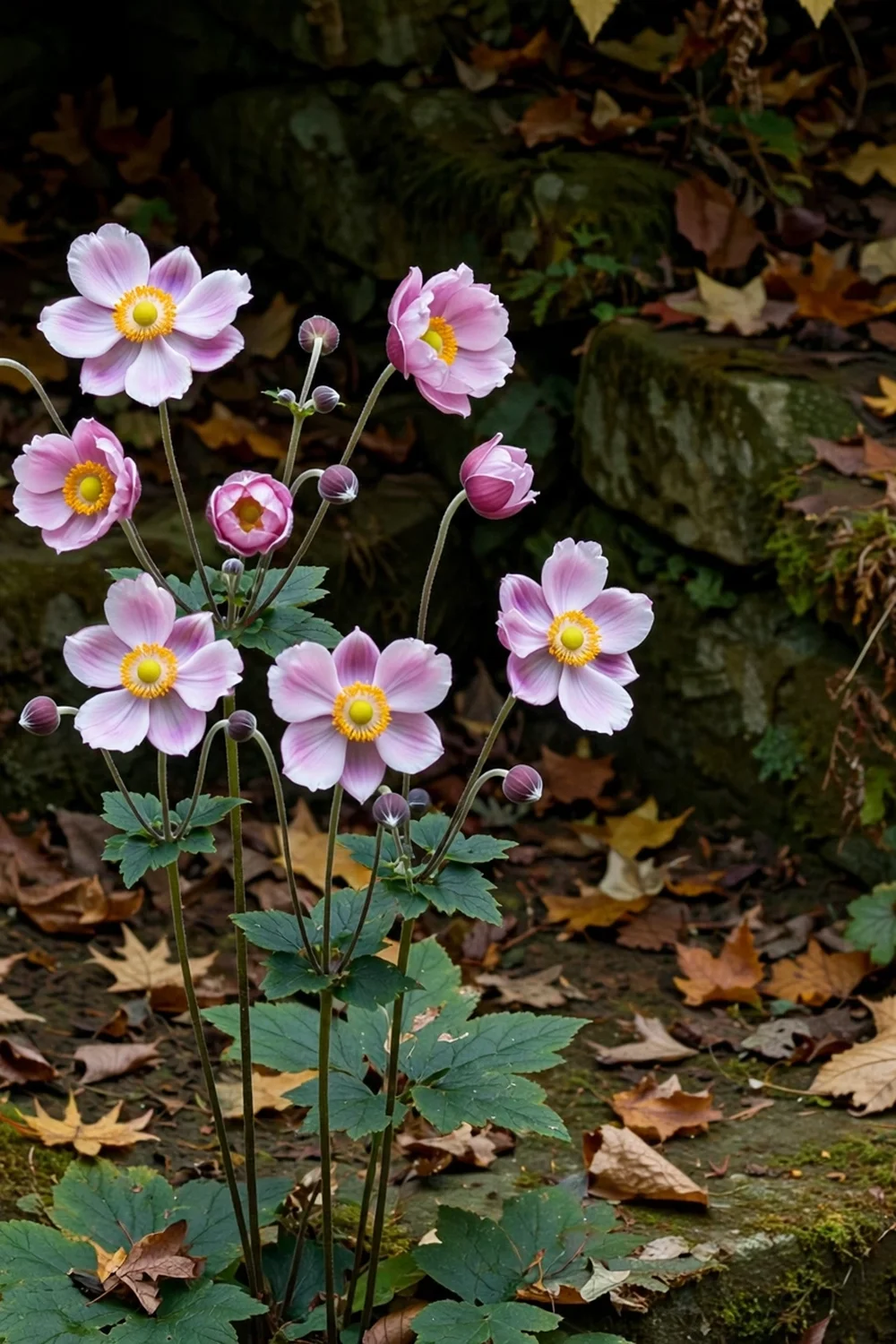
Japanese anemones bring an elegant note to fall with cupped pink or white flowers on tall wiry stems from late August through October. They prefer part shade and rich, moist soil, which makes them the answer for that shady corner where mums fry. Once established they spread politely; give them room and do not move them, since they resent disturbance. The flowers dance in autumn breezes in a way nothing else does.
Try this: plant where you see them from indoors; they peak when you are watching from the window.
Cost: $$. Difficulty: easy.
9. Celosia
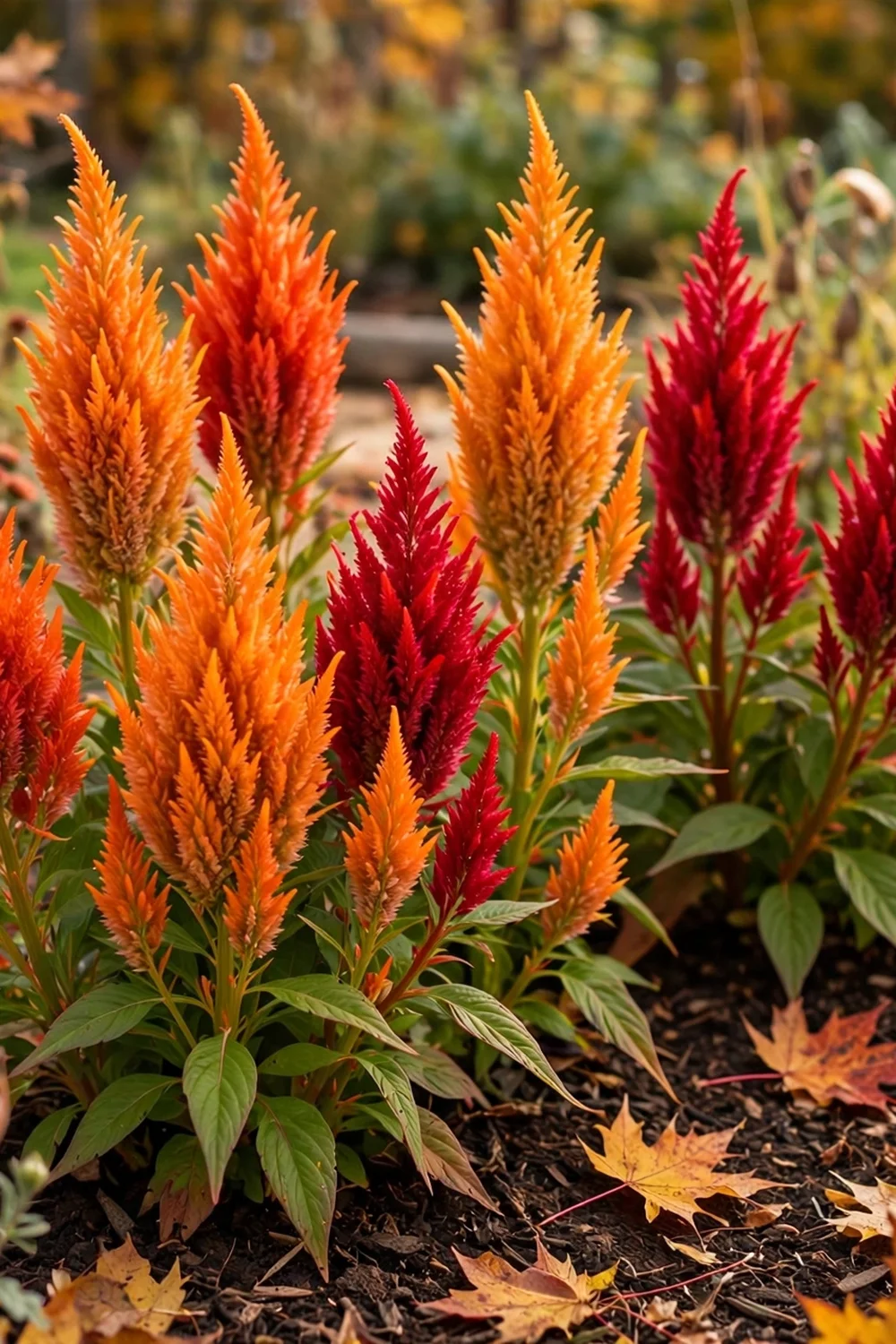
Celosia’s flame-shaped plumes in orange, red, and gold look like they were designed for fall, and they keep blooming until frost if you plant fresh transplants in late summer. The plume types and the crested “cockscomb” types both work; plumes hold up better in rain. Full sun and warm soil are all they ask. They also dry beautifully, so cut stems before frost for indoor arrangements that last for months.
Try this: hang cut celosia upside down in a dry closet for 2 weeks for everlasting dried flowers.
Cost: $. Difficulty: easy.
10. The cozy fall container trio
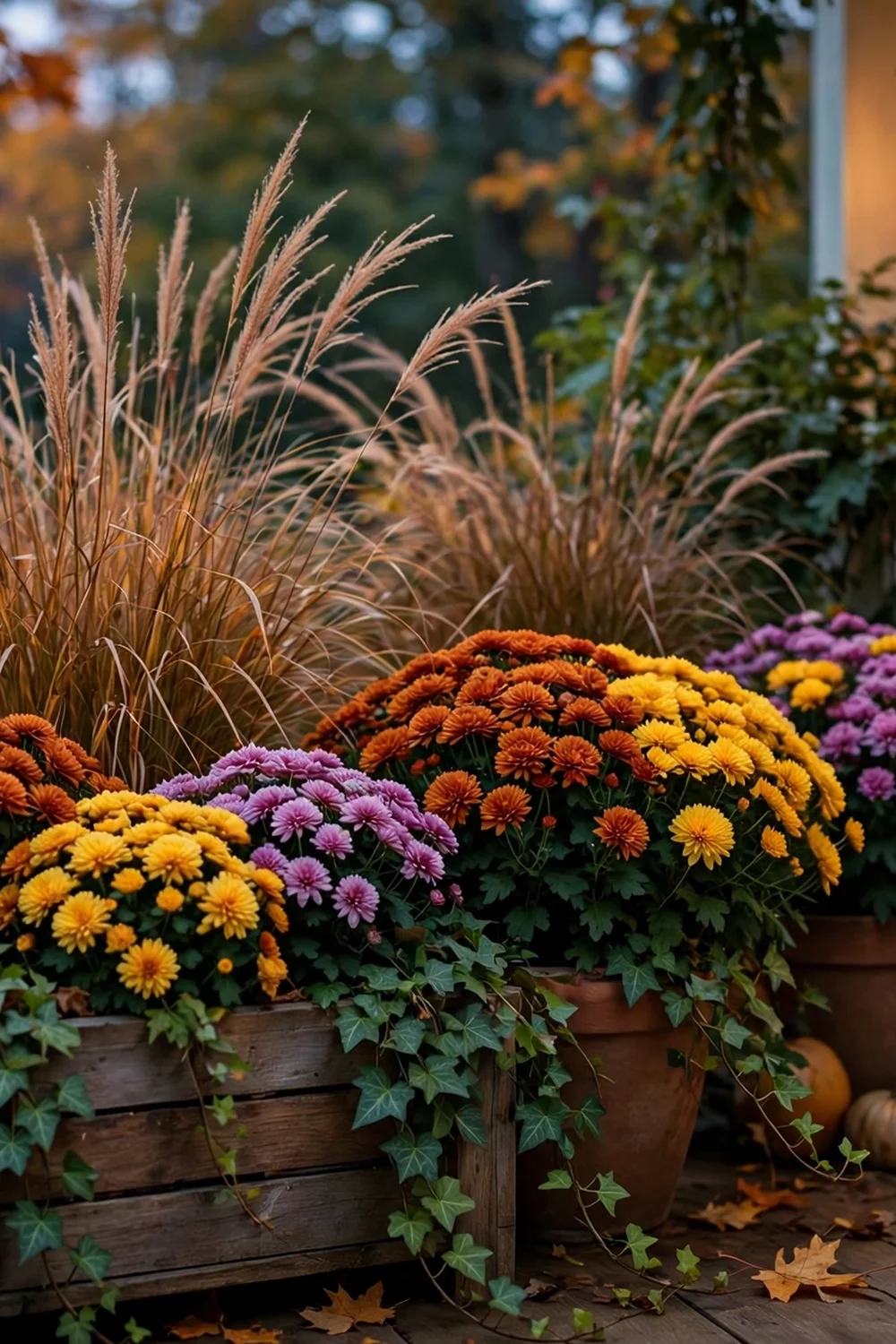
The coziest fall garden move is not a flower at all, it is a formula: one upright (a mum or ornamental grass), one mounding filler (pansies or kale), and one trailing spiller (ivy or sweet potato vine) in a single pot. Build two or three of these containers in late summer and place them by the door, on the steps, or beside a bench. Add a lantern or a pumpkin beside the pot and the whole entry reads warm and welcoming through Thanksgiving.
Try this: use potting mix with slow-release fertilizer so containers stay fed through the season.
Cost: $$. Difficulty: easy.
How to time late summer planting for fall color
Count backward from your average first frost date: most fall transplants need 6 to 8 weeks to root in before cold hits. In most of the US, that means planting in August or the first week of September. Water new plants daily for the first week because late summer heat, not cold, is what kills them. A 2-inch mulch layer keeps roots cool while they establish.
If you are planning the edible side of the fall garden too, 15 Fall Garden Vegetables to Grow in August for a Fall Harvest covers what to sow while you plant these flowers. And for the trees that carry fall color above the flower level, 12 Fall Tree Ideas to Plant for Stunning Autumn Color pairs beautifully with these beds.
Styling a cozy fall garden (beyond the flowers)
Cozy is a layering trick: warm flower colors (rust, gold, burgundy), natural textures (straw mulch, wooden planters, woven baskets), and a light source. Swap summer’s bright mulch for pine straw, tuck a few pumpkins or gourds at bed edges, and add solar lanterns along the path. The flowers do the color work; the props do the mood work. Keep it to three prop types max or the garden reads as a store display.
When frost finally ends the show, the winter garden takes over; 20 Plant and Flower Ideas for a Winter Flower Bed picks up right where this list leaves off.
Late summer planting safety notes
- Heat first, frost later. Plant in the morning or evening, water transplants daily for a week, and shade new plantings with a bucket for the hottest afternoons.
- Pet caution: chrysanthemums are mildly toxic to dogs and cats if chewed. Place mum-heavy beds where pets do not graze.
- Call before you dig. Adding new beds in late summer still means digging; contact your local 811 service first. Details at Call 811.
- Candle and lantern safety: keep open flames and hot lanterns away from dried leaves, straw mulch, and dried flower arrangements.
Frequently asked questions
Is it too late to plant flowers in August?
No, August is prime time for fall flowers. Transplants of mums, asters, pansies, and ornamental kale planted 6 to 8 weeks before your first frost establish quickly in warm soil and peak right on schedule.
What flowers bloom in October?
Mums, asters, sedum ‘Autumn Joy’, goldenrod, Japanese anemones, and pansies all bloom in October in most zones. Celosia and marigolds keep going until the first hard frost.
Will mums come back every year?
Hardy garden mums return in zones 5 to 9 if planted in late summer (so roots establish) and mulched after the first hard freeze. Florist mums sold in decorative pots in October are less hardy and often do not survive winter.
How do I make my fall garden look cozy?
Layer warm-colored flowers (rust, gold, burgundy) with natural textures like pine straw mulch and wooden planters, then add one light source such as solar lanterns. Three elements, color, texture, and light, create the cozy effect.
Do I need to fertilize fall flowers?
A light dose of balanced fertilizer at planting is enough for most fall transplants. Avoid heavy feeding after September; it pushes soft growth that frost damages.
Final thoughts
Late summer is not the end of the gardening year; it is the start of the coziest one. Plant now, water well, and let fall do the rest.


