



A sunny garden bed should be easy, but anyone who has watched new perennials fry in July knows better. Full sun in a garden bed means 6 or more hours of direct light, baking soil, and plants that must survive both the heat and the winter that follows. Annuals dodge the problem by dying; perennials have to live through it.
These 15 full sun perennials are proven in-ground plants that thrive in sunny beds and come back year after year. Each one handles real summer heat, and together they can be arranged into a bloom succession that keeps color going from spring to fall. You will get zones, spacing, and the planting mistakes that shorten a perennial’s life.
Quick takeaways
- Full sun perennials need 6+ hours of direct sun and must survive your winter too. Check your USDA zone before buying.
- Plant for bloom succession: early, mid, and late-season bloomers keep one bed colorful for months.
- Most sun perennials want well-drained soil. Soggy winter soil kills more of them than summer heat does.
- Space plants for their mature size. Crowded perennials get disease and need dividing sooner.
- Water deeply the first season. After that, most of these need little beyond rainfall.
1. Coneflower for midsummer color

Coneflower (Echinacea) is the backbone of sunny perennial beds for good reason. It blooms from July into September in purple, white, orange, and yellow, stands up to heat and drought, and feeds goldfinches when you leave the seed heads standing. Plant in full sun with good drainage; it hates wet winter soil. Space 18 inches apart. Divide clumps every 3 to 4 years to keep them vigorous. Zones 3 to 9.
If you love purple tones in the garden, our purple perennials roundup has more sun-loving varieties that pair well with coneflowers.
Try this: leave the seed heads up through winter. Goldfinches eat the seeds and the dark cones look sculptural against snow. Cost: $$. Difficulty: Easy.
2. Black-eyed Susan for long bloom

Black-eyed Susan (Rudbeckia) pumps out golden daisies with dark centers for 8 to 10 weeks, one of the longest bloom runs of any perennial. It tolerates poor soil, heat, and humidity, and deer usually leave it alone. ‘Goldsturm’ is the classic compact form at 2 feet tall. Deadhead to extend bloom, or let it self-sow for free plants. It can be short-lived in wet winters, so sharp drainage matters. Zones 3 to 9.
Try this: let a few flowers go to seed each fall. The seedlings fill gaps for free and keep the planting full year after year. Cost: $$. Difficulty: Easy.
3. Daylily for bulletproof reliability
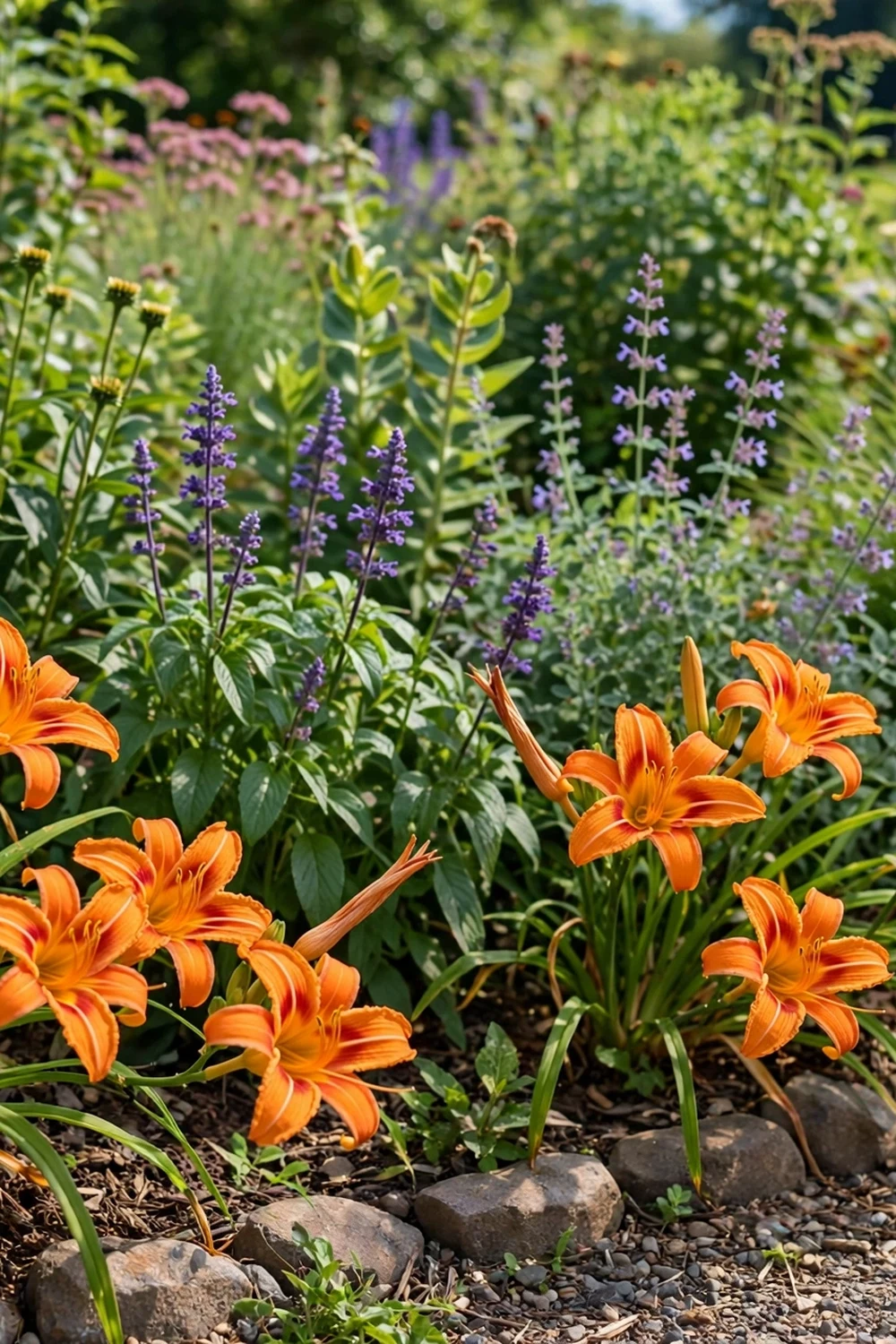
Daylilies survive neglect that kills fussier perennials: poor soil, heat, drought, and missed waterings. Each flower lasts one day, but a healthy clump opens dozens over 4 to 6 weeks. Reblooming types like ‘Stella de Oro’ flower again in fall. Plant the crown no more than 1 inch deep; buried crowns rot. Divide crowded clumps in early spring every 4 to 5 years. Thousands of colors exist, from near-white to deep purple. Zones 3 to 10.
Try this: plant daylilies along a sunny driveway or mailbox bed. They handle road salt splash and reflected heat better than almost anything. Cost: $$. Difficulty: Easy.
4. Russian sage for airy height

Russian sage brings 4 feet of silvery foliage and lavender-blue flower haze to the back of a sunny border. It thrives in heat, poor soil, and drought once established, asking for almost nothing. It needs full sun and sharp drainage; wet feet in winter kill it. Cut stems to 6 inches in early spring before new growth. It can flop in rich soil, so skip the fertilizer. Zones 4 to 9.
Try this: plant it where afternoon sun hits hardest. The silver leaves glow in low evening light and the plant never wilts. Cost: $$. Difficulty: Easy.
5. Yarrow for drought-proof clusters
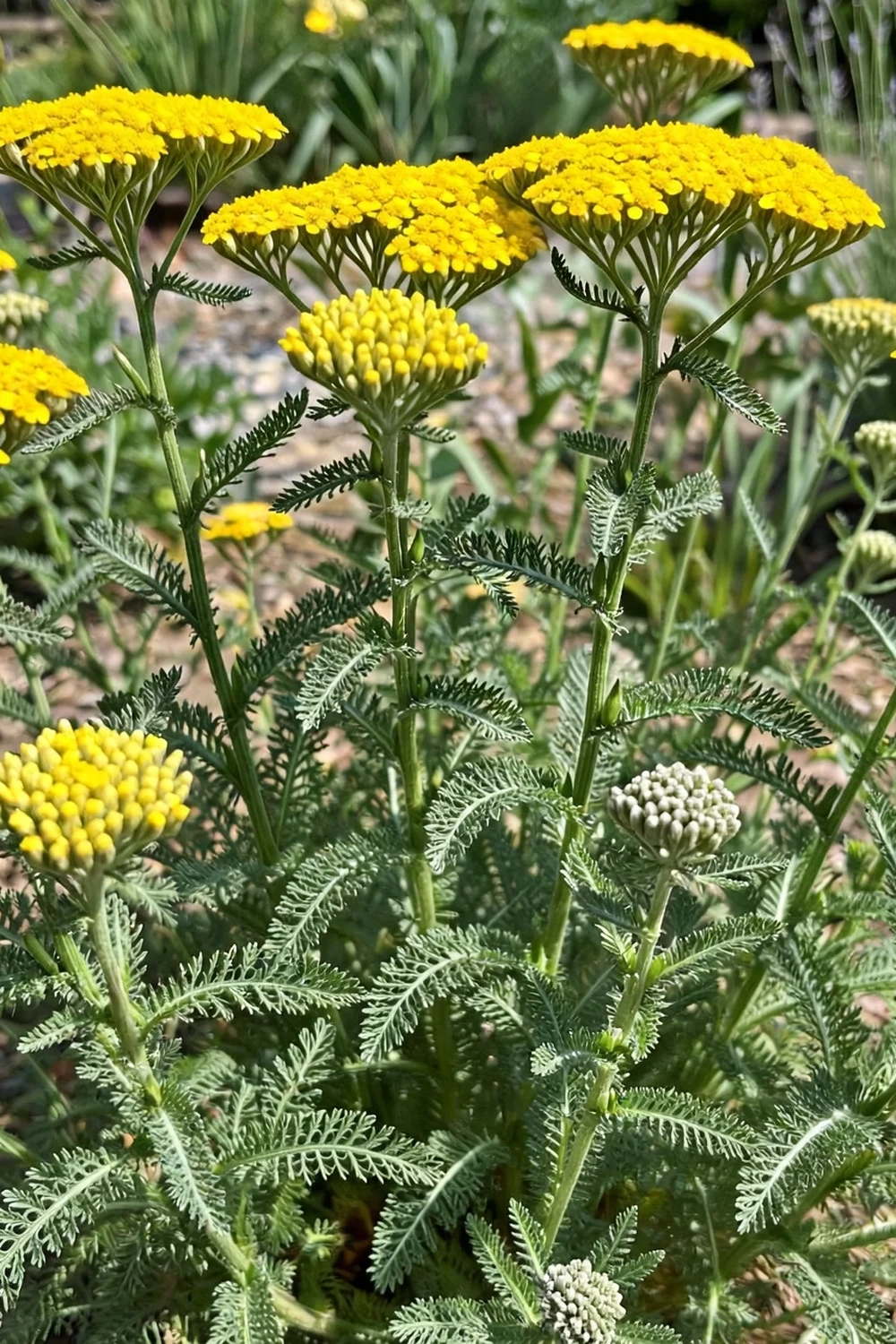
Yarrow (Achillea) is one of the toughest sun perennials, blooming in flat-topped clusters of yellow, pink, red, or white over ferny foliage. It handles drought, poor soil, and heat without flinching. ‘Moonshine’ gives soft yellow flowers on silver leaves. Deadhead after the first flush for a second round of blooms. It spreads, so give it 18 inches of space or plan to divide. Zones 3 to 9.
Try this: cut yarrow stems for dried arrangements. They hold their color for months and need no water once dry. Cost: $$. Difficulty: Easy.
6. Coreopsis for early summer cheer

Coreopsis opens the summer show with masses of yellow, gold, or pink daisies starting in June. Threadleaf types have fine foliage that looks soft even when not blooming. It tolerates poor, sandy soil and needs no pampering. Shear plants back by half after the first flush and most rebloom into fall. It self-sows lightly, which keeps plantings full. Zones 4 to 9.
Try this: plant coreopsis at the front of the border. Its 12 to 18 inch height edges the bed without hiding the plants behind it. Cost: $$. Difficulty: Easy.
7. Salvia for pollinator magnets
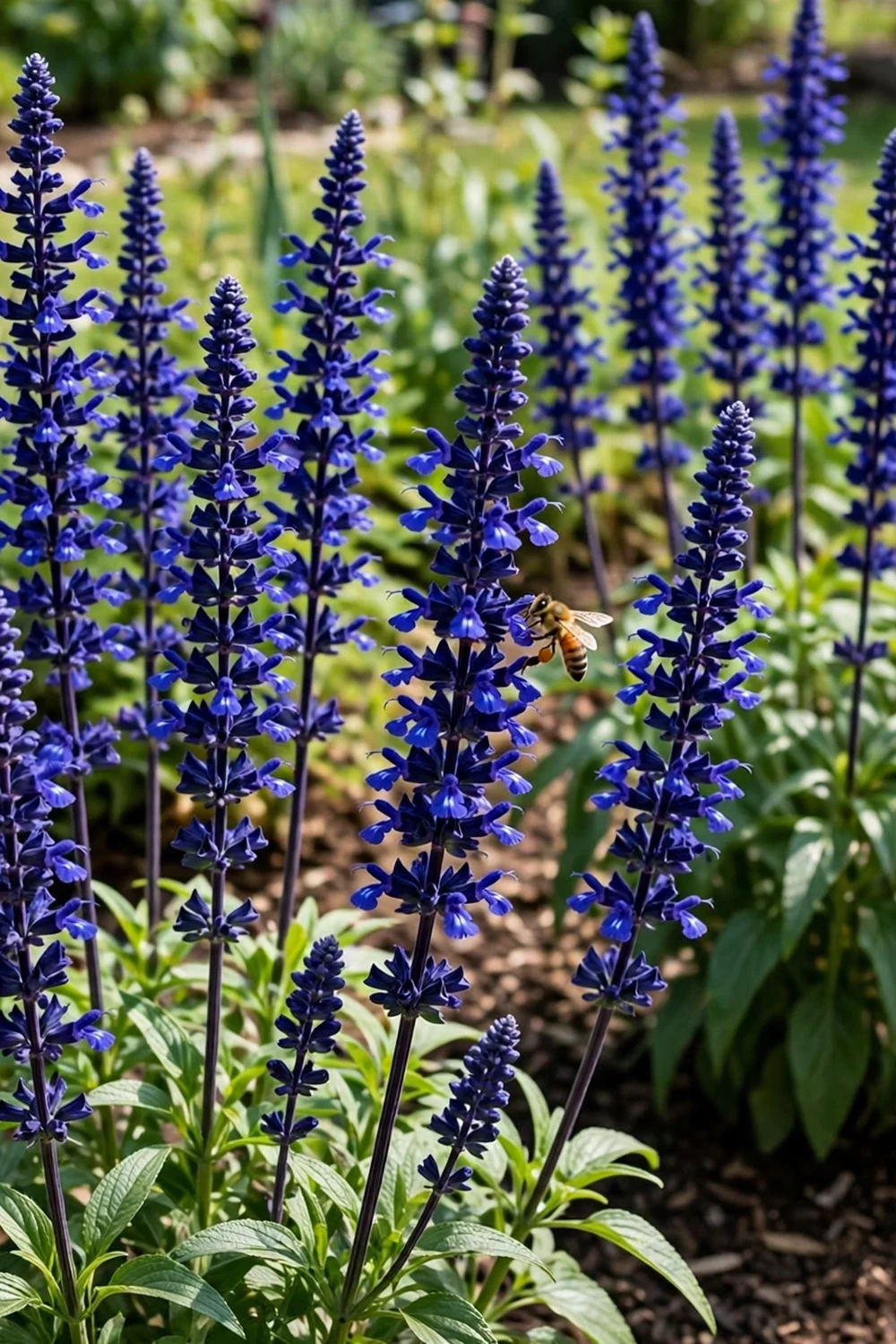
Perennial salvia (not the annual bedding type) sends up spikes of blue, purple, or pink that bees and hummingbirds mob from late spring on. ‘May Night’ and ‘Caradonna’ are proven performers with strong stems that do not flop. Cut the whole plant back by half after the first bloom and it flowers again. It wants full sun and average, well-drained soil. Divide every 4 years to keep the center from dying out. Zones 4 to 9.
Try this: plant salvia near a seating area. The pollinator traffic is genuinely fun to watch on summer evenings. Cost: $$. Difficulty: Easy.
8. Sedum ‘Autumn Joy’ for fall interest
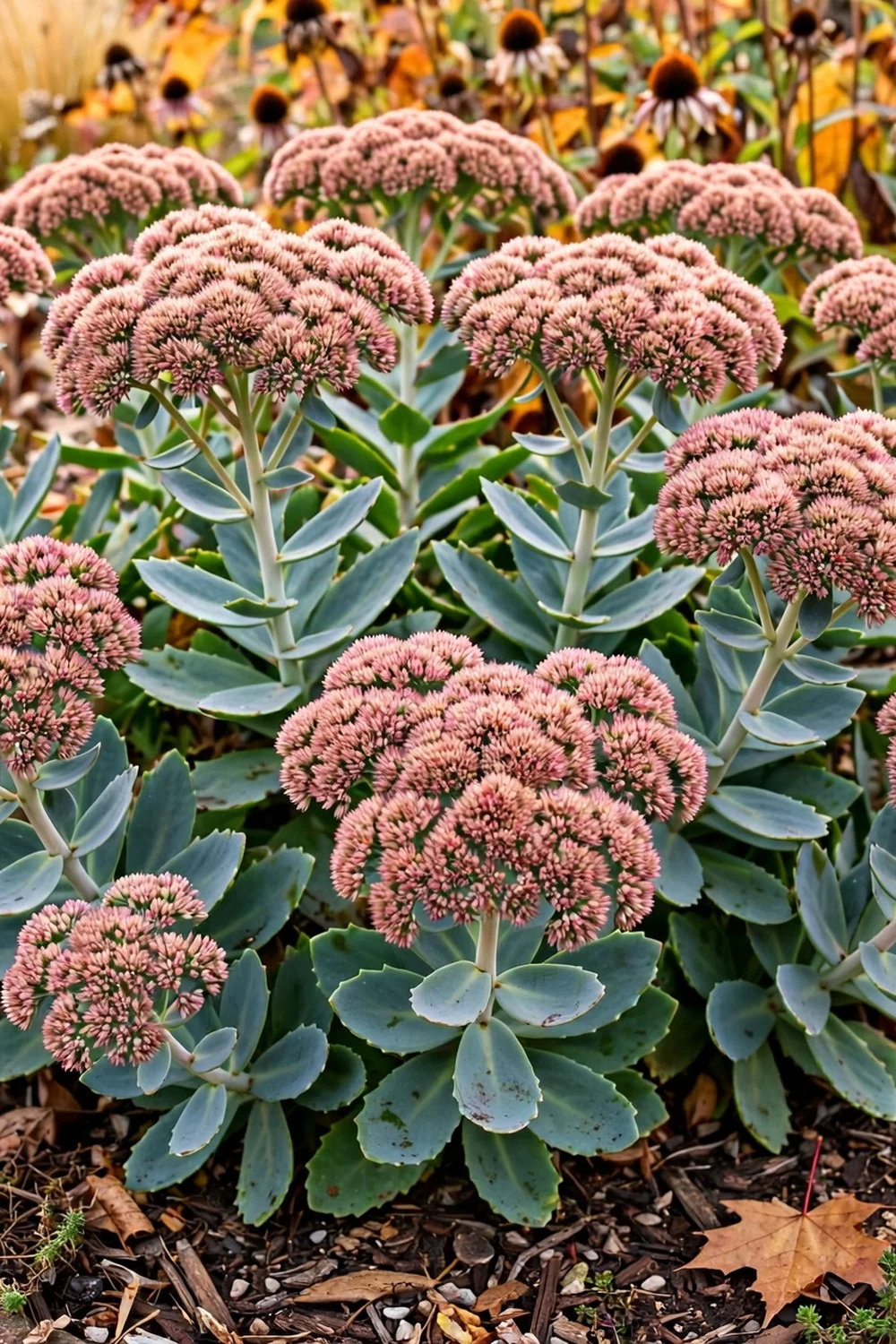
Sedum ‘Autumn Joy’ (stonecrop) is a succulent perennial that looks good for three seasons: blue-green foliage in spring, broccoli-like buds in summer, and dusty-rose flower heads in fall. It stores water in its leaves, so drought does not faze it. Plant in full sun with excellent drainage; it rots in wet soil. Leave the dried flower heads for winter interest and cut back in spring. Zones 3 to 9.
Try this: leave the seed heads standing through winter. They catch frost beautifully and feed overwintering insects. Cost: $$. Difficulty: Easy.
9. Bee balm for hummingbirds

Bee balm (Monarda) produces shaggy red, pink, or purple flowers that hummingbirds cannot resist in midsummer. Newer varieties like ‘Jacob Cline’ resist the powdery mildew that plagued older types. It spreads by runners, so give it room or divide yearly. It likes consistent moisture, unusual for a sun perennial, so mulch it and water during dry spells. Deadhead to keep blooms coming. Zones 4 to 9.
Try this: plant bee balm where you can see it from a window. Hummingbird visits peak in morning and evening. Cost: $$. Difficulty: Easy to moderate.
10. Butterfly weed for monarchs
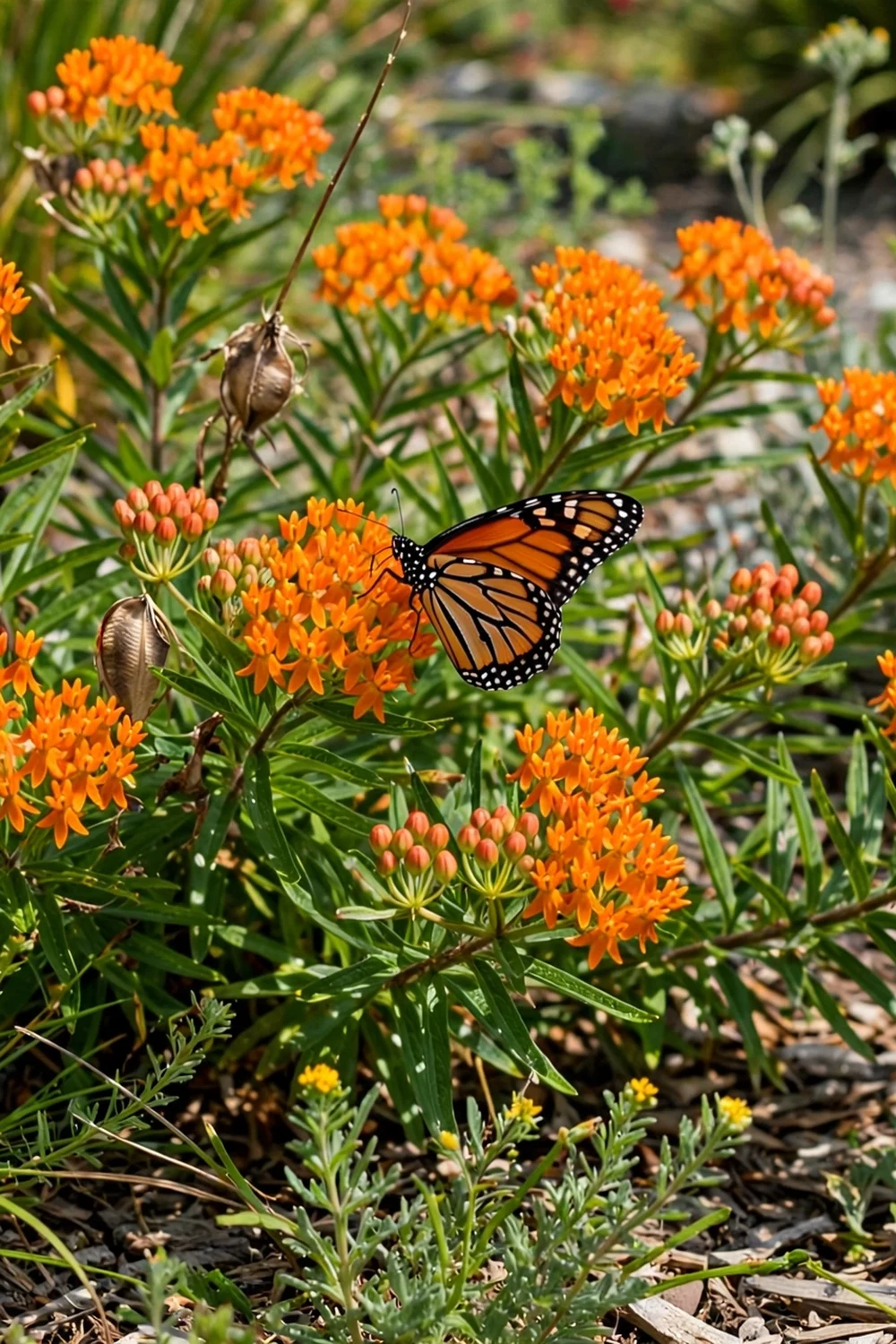
Butterfly weed (Asclepias tuberosa) is the monarch-friendly milkweed that behaves in gardens. Brilliant orange flowers top 2-foot plants in early summer, and monarch caterpillars feed on the leaves. It has a deep taproot, so plant it once and never move it. It needs full sun and tolerates poor, dry soil. Mark its spot, because it emerges late in spring and is easy to dig up by accident. Zones 3 to 9.
Try this: plant it with little bluestem grass. The native pairing supports pollinators and looks like a prairie fragment. Cost: $$. Difficulty: Easy. Safety note: milkweed sap can irritate skin and eyes, so wear gloves when handling and keep it away from faces.
11. Blanket flower for nonstop summer

Blanket flower (Gaillardia) blooms in red-and-yellow daisies from June until frost if you deadhead, and it loves the heat that stops other perennials. It is short-lived (2 to 3 years) but self-sows freely, so plantings renew themselves. It demands full sun and sharp drainage; wet winter soil is its main enemy. ‘Arizona Sun’ stays compact at 10 inches for bed fronts. Zones 3 to 10.
Try this: deadhead weekly through summer. Each spent flower you remove becomes two new buds within weeks. Cost: $$. Difficulty: Easy.
12. Catmint for the longest season
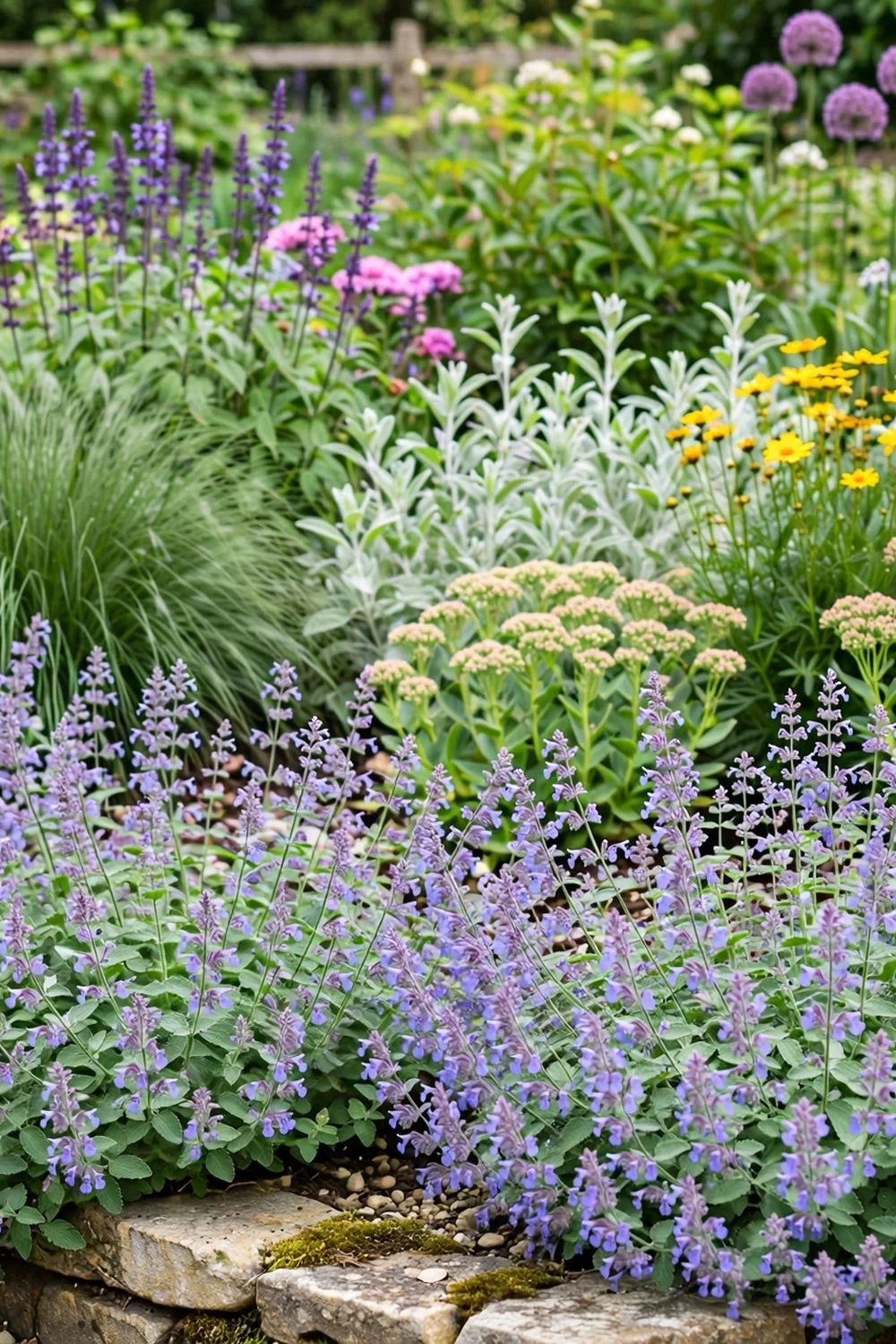
Catmint (Nepeta) may be the longest-blooming perennial on this list. ‘Walker’s Low’ produces lavender-blue spikes from May to September, especially if sheared back after the first flush. It forms soft 2-foot mounds that edge beds beautifully and shrug off deer, drought, and heat. Cats may roll in it, which is charming unless the plant is new; protect young plants with a small cage. Zones 3 to 8.
Try this: shear the whole plant back by half in July. It looks rough for two weeks, then reblooms harder through fall. Cost: $$. Difficulty: Easy.
13. Asters for the fall finale

New England asters close the perennial season with clouds of purple, pink, or blue daisies in September and October, feeding migrating butterflies and late bees. They grow 3 to 5 feet tall, so site them at the back of the bed. Pinch stems back in June to keep them bushy and prevent flopping. They tolerate clay better than most sun perennials. Divide every 3 years to keep centers vigorous. Zones 4 to 8.
Try this: pair asters with ornamental grasses. The grass plumes and aster daisies together are the classic fall combination. Cost: $$. Difficulty: Easy.
14. Verbena bonariensis for see-through height
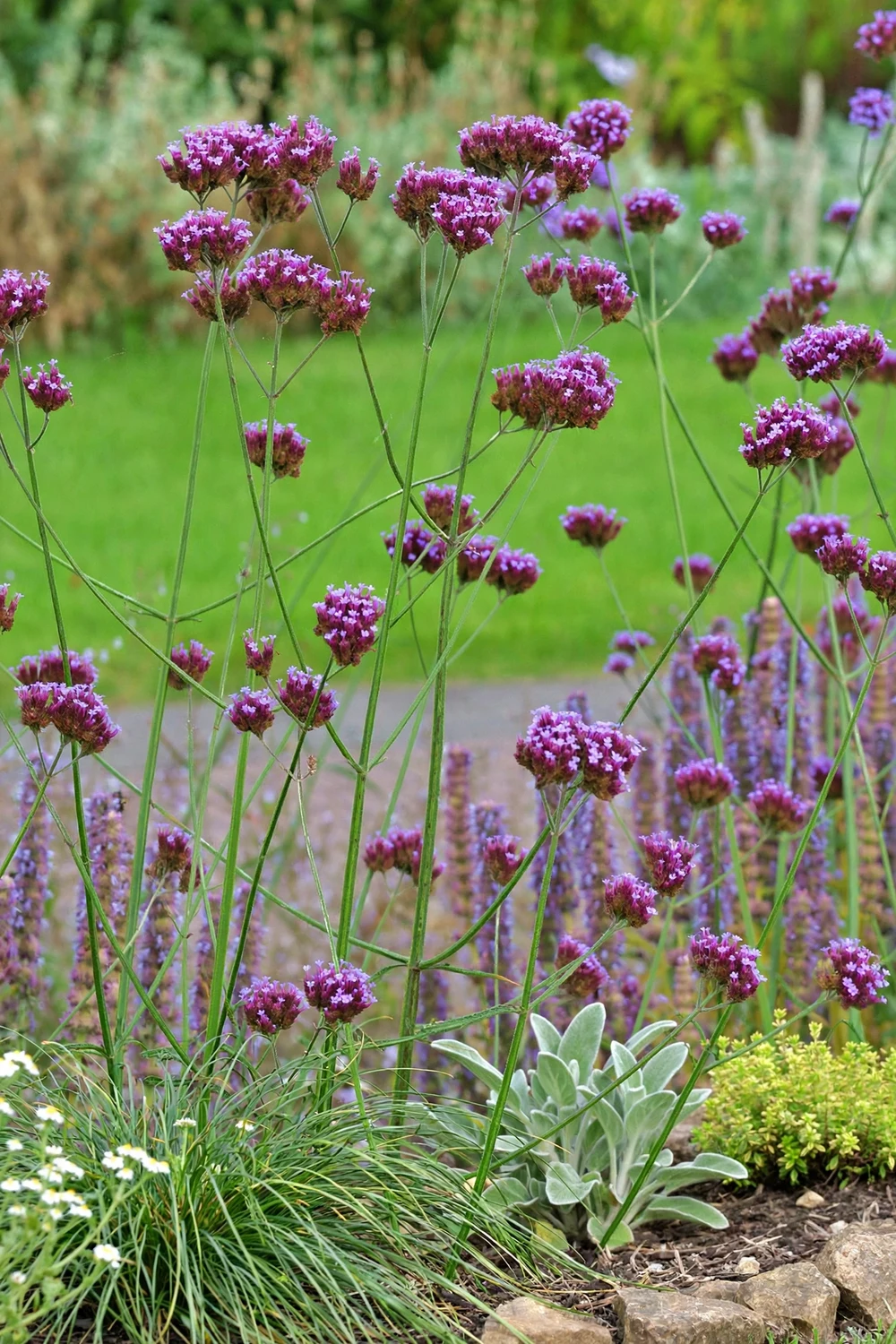
Verbena bonariensis grows 4 to 6 feet tall on wiry stems topped with purple flower clusters, but the stems are so thin you can see through the plant. That makes it perfect woven through the middle of a border without blocking anything behind it. Butterflies love it. It self-sows generously, so one planting becomes many. In zones 7 and warmer it returns; in colder zones treat it as a self-sowing annual. Full sun and average soil suit it fine.
Try this: let seedlings come up where they want in spring, then thin to 12-inch spacing. The natural scatter looks better than formal rows. Cost: $. Difficulty: Easy.
15. Fountain grass for texture and movement
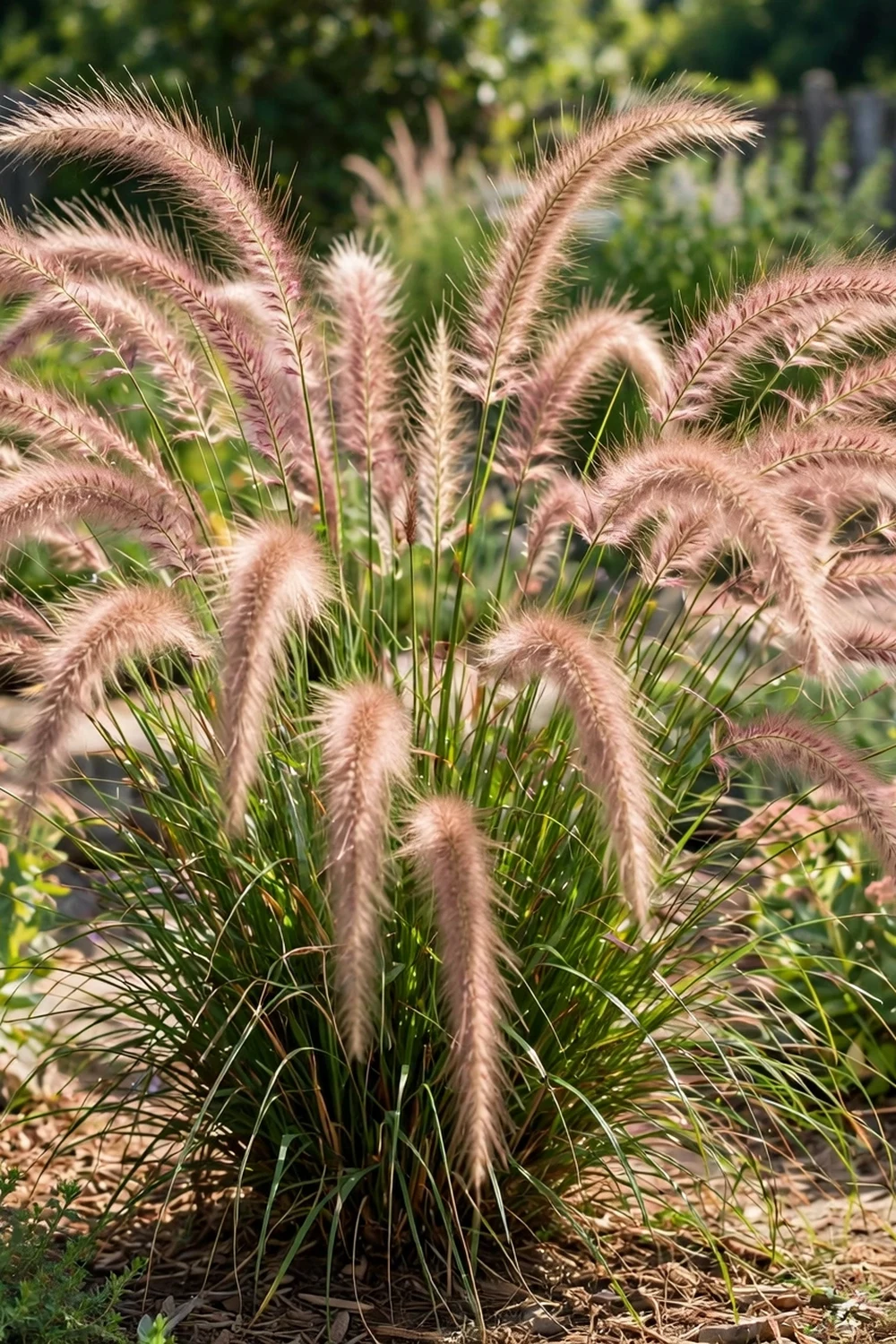
Ornamental grasses give sunny beds what flowers cannot: movement, winter structure, and soft texture. Fountain grass (Pennisetum) forms 3-foot fountains of arching blades topped with fluffy plumes in late summer. ‘Hameln’ stays compact for smaller beds. Cut the whole clump to 6 inches in late winter before new growth. Choose sterile or clump-forming varieties to avoid unwanted seeding. Zones 5 to 9.
For vertical structure in sunny beds, a climbing rose trellis adds height behind perennial drifts without stealing their sun.
Try this: plant grasses in groups of three. A single grass looks lonely, but three read as a designed drift. Cost: $$. Difficulty: Easy.
Bloom succession: color from spring to fall
Planting by zone and soil
Your USDA hardiness zone decides which perennials survive your winter, and it matters more than summer heat for most of this list. Check your zone on the USDA Plant Hardiness Zone Map (free online) and buy plants rated for it; a zone 5 perennial in a zone 4 garden is an annual with extra steps. Soil matters too: most sun perennials want well-drained soil, and heavy clay that stays wet in winter kills lavender-like plants and Russian sage. If your soil is clay, plant in a raised mound 6 inches above grade or amend with compost to improve drainage. Mulch 2 inches deep after planting, keeping mulch off the crowns.
Mistakes that shorten a perennial’s life
The most common mistake is planting too deep. Perennial crowns should sit at or just above soil level; buried crowns rot, especially in winter. Second is skipping the first-season watering. Even drought-tolerant perennials need deep weekly water their first summer to build roots. Third is planting sun perennials in shade “to keep them cool.” They stretch, flop, and bloom poorly. Fourth is over-fertilizing. Most of these evolved in lean soils, and rich fertilizer produces floppy growth with fewer flowers. Compost at planting is enough.
Perennial garden safety notes
Most sun perennials are low-risk, but a few need care. Milkweed (butterfly weed) sap irritates skin and eyes, so wear gloves and wash hands after handling. NC State Extension’s butterfly weed plant profile covers its growing needs and cautions in detail. Yarrow and bee balm spread aggressively in rich soil; give them space or divide yearly to keep them in bounds. If you use any pesticide for aphids, spray in the evening when pollinators are less active, and choose products labeled safe for pollinators. Before digging new beds, call 811 a few days ahead so underground utilities get marked. It is free and takes one call.
Frequently asked questions
What are the toughest full sun perennials?
Coneflower, black-eyed Susan, daylily, yarrow, and Russian sage handle the most heat, drought, and neglect. They are the plants to start with if you want a sunny bed that thrives with minimal care.
How do I keep a perennial bed blooming all season?
Plant for succession: early bloomers (salvia, catmint), midsummer stars (coneflower, daylily), and fall finishers (asters, sedum). Deadhead spent flowers and shear back early bloomers in midsummer to trigger second flushes.
Do full sun perennials need a lot of water?
Only in their first season. Water deeply once a week the first summer to establish roots. After that, most of these survive on rainfall except in severe drought. Bee balm and astilbe-like plants appreciate extra water in dry spells.
When should I plant sun perennials?
Spring and early fall are both good. Spring planting gives roots a full season to establish; fall planting (6 weeks before hard frost) lets roots grow in cool soil. Avoid planting in midsummer heat unless you can water daily.
Why did my perennial die over winter?
The usual cause is wet soil, not cold. Poor drainage rots crowns during winter thaws. Planting too deep and heavy mulch piled on crowns cause the same problem. Improve drainage and keep mulch off the crown to fix it.
Should I cut back perennials in fall or spring?
Leave seed heads and grasses standing through winter for birds, insects, and winter interest, then cut everything back in early spring before new growth. The exceptions are plants prone to disease (like mildew-covered bee balm foliage), which you can cut in fall.
Conclusion
Sunny beds reward gardeners who match the plant to the conditions instead of fighting them. Start with three or four tough perennials from this list, arrange them by bloom time and height, and add more each season. In two years you will have a bed that handles heat waves on its own and comes back stronger every spring.
Want more ideas like these? Explore 20 Florida Sun Loving Plants That Thrive in the Heat.


