


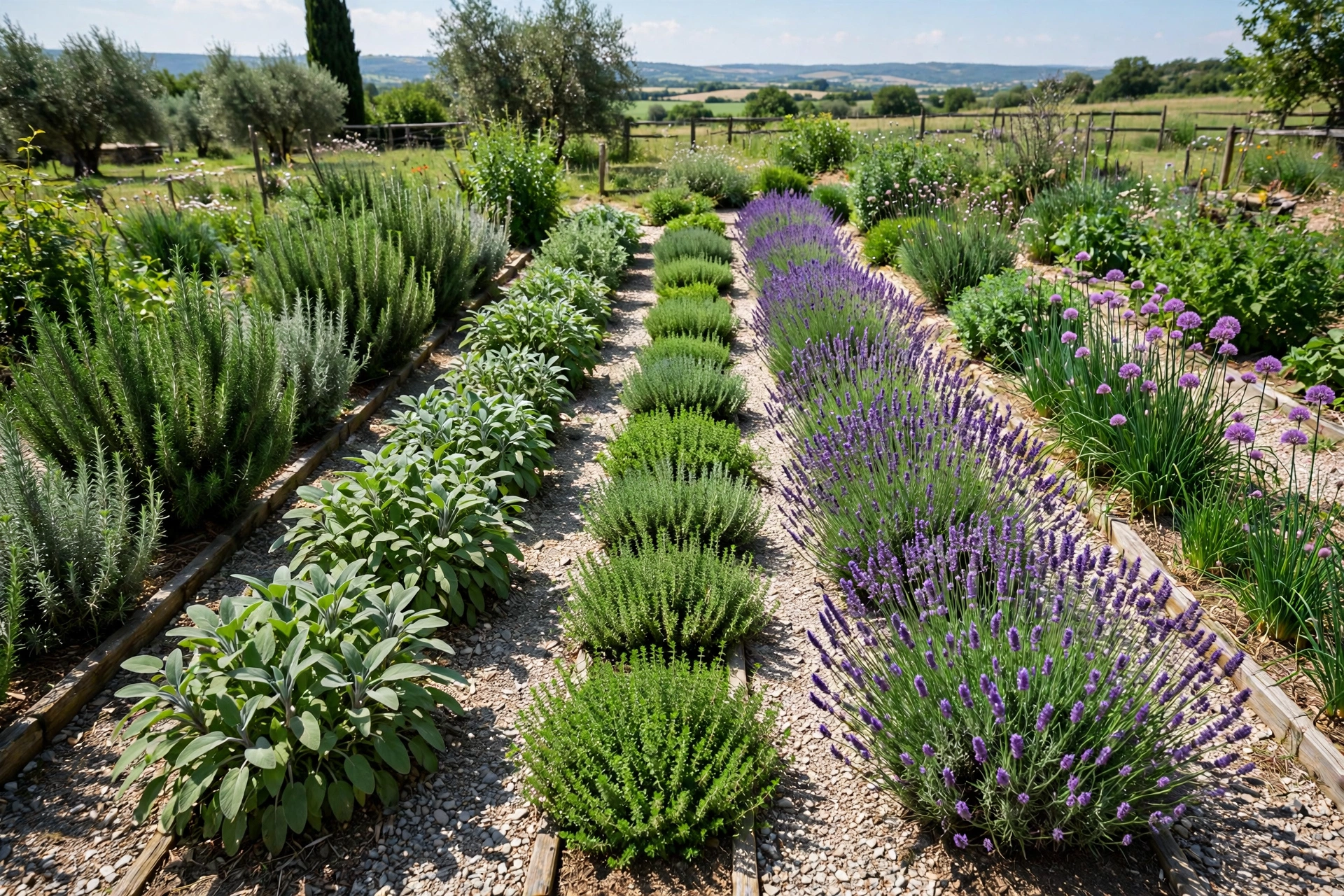
Most herb gardens fail for a simple reason: people keep replanting herbs that were never meant to be replanted. Basil and cilantro are annuals, so they die each fall no matter what you do. But a whole group of kitchen herbs are true perennials that come back stronger every year.
Plant these once and you stop buying herbs each spring. After the second year you are not really growing herbs anymore; you are harvesting a system. Here are 10 perfect perennial herbs to plant once and enjoy for years.
Quick takeaways
- True perennial herbs like oregano, thyme, sage, and chives return from the same roots every year.
- Mint and lemon balm spread aggressively; always plant them in containers.
- Most perennial herbs want full sun and soil that drains well.
- Harvest lightly the first year so roots establish, then cut freely from year two on.
1. Oregano
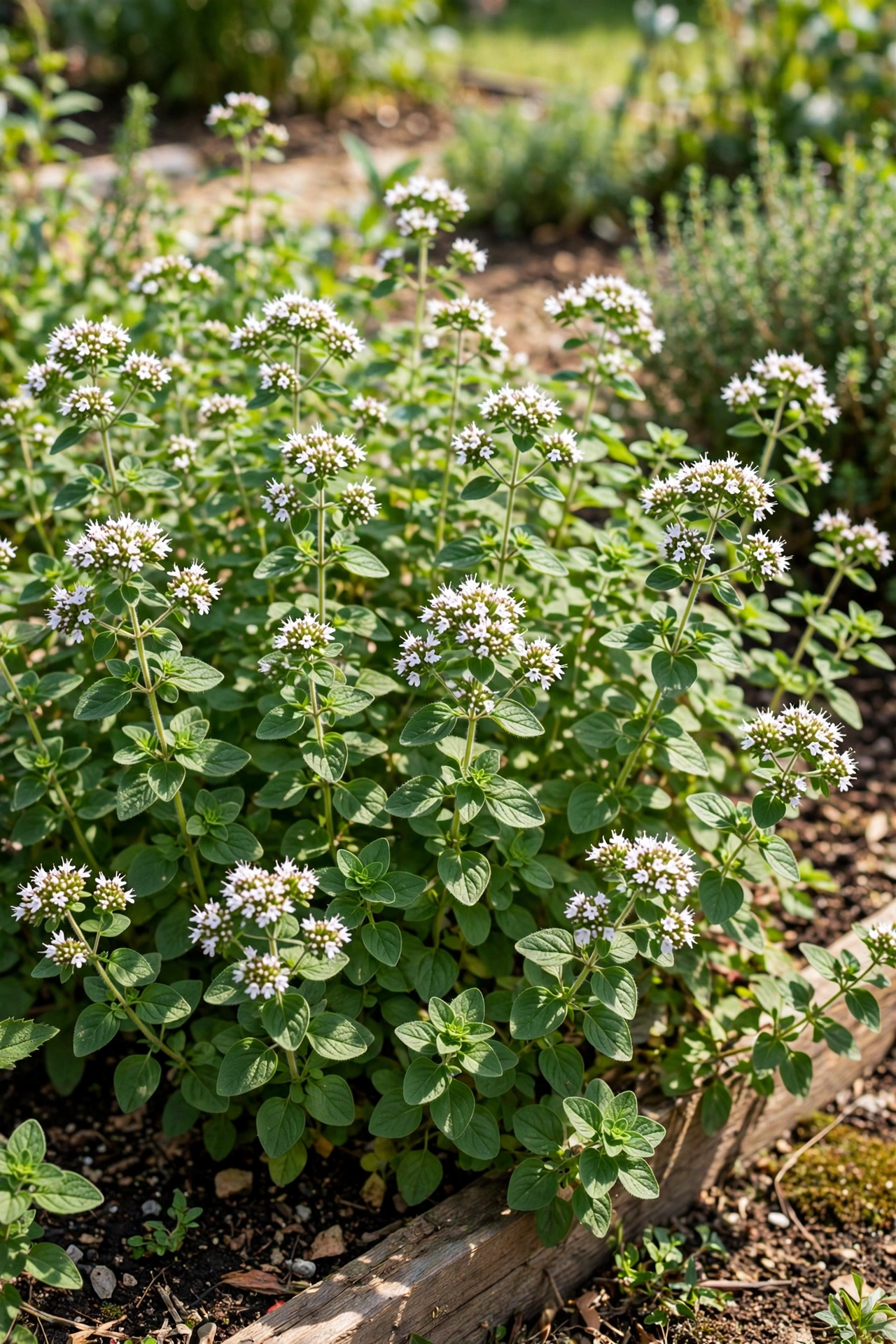
Oregano is the set-and-forget herb. Once established, its roots go deeper every season, and many cooks say the flavor actually intensifies in years two and three. Greek oregano (Origanum vulgare hirtum) has the strongest flavor for cooking. It grows 12 to 24 inches tall in full sun, tolerates drought, and spreads into a tidy patch you can divide every few years. Cut stems just before flowering for the most potent dried oregano. It is hardy in zones 4 to 9.
Try this: Dry bundles upside down in a paper bag; the leaves crumble right off the stems when ready.
Cost: $| Difficulty: Easy
2. Thyme
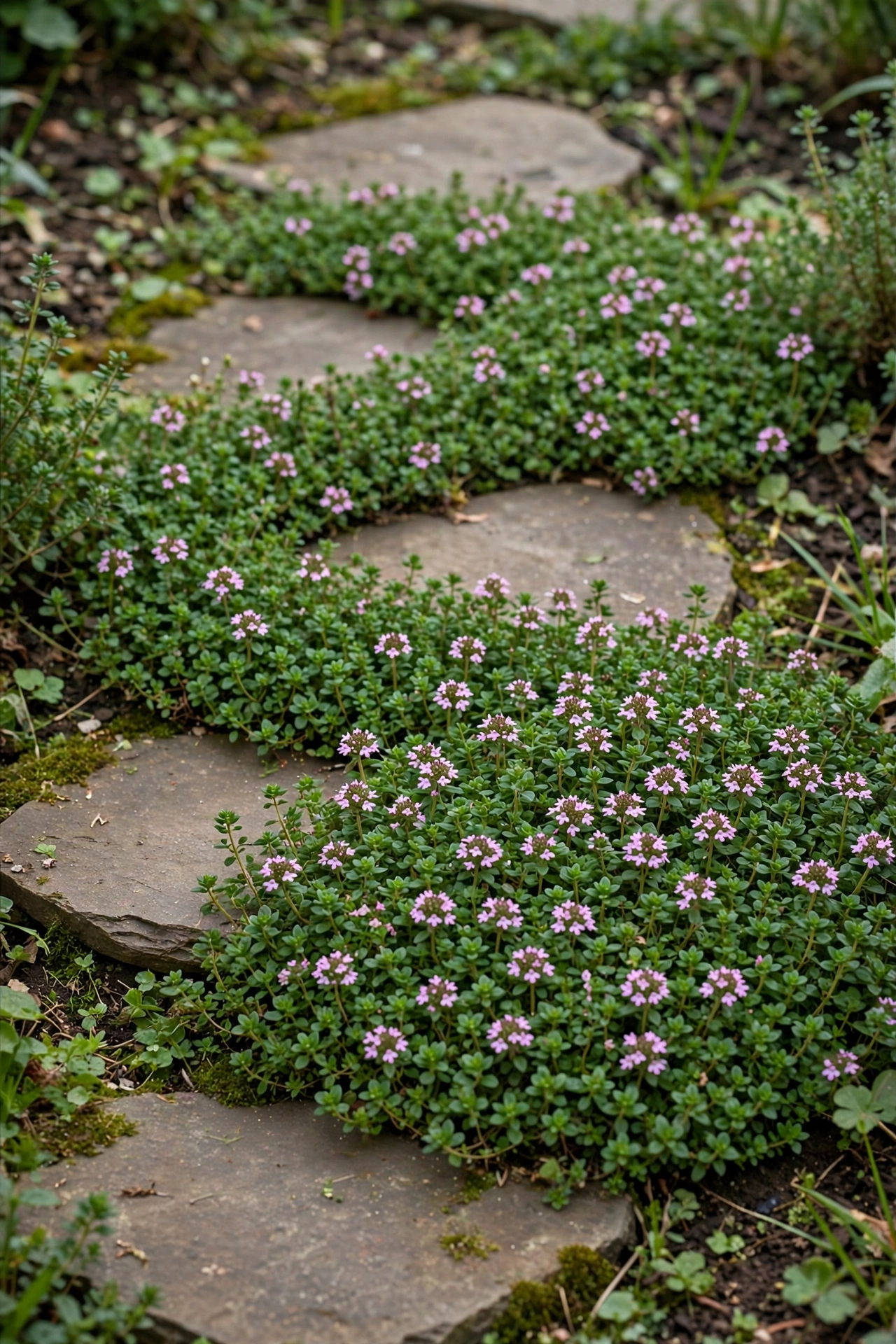
Thyme forms a low evergreen carpet that survives winter in most climates and flavors roasts all year. English and French thyme are the best culinary types; both grow 6 to 12 inches tall and need full sun and sharp drainage. Thyme hates wet feet more than cold, so plant it in sandy soil or on a slight mound. It rarely needs dividing and only asks for a light trim after flowering. Tuck it between stepping stones where foot traffic releases its scent.
Try this: Replace thyme plants every four to five years; old plants get woody and less productive.
Cost: $| Difficulty: Easy
3. Sage
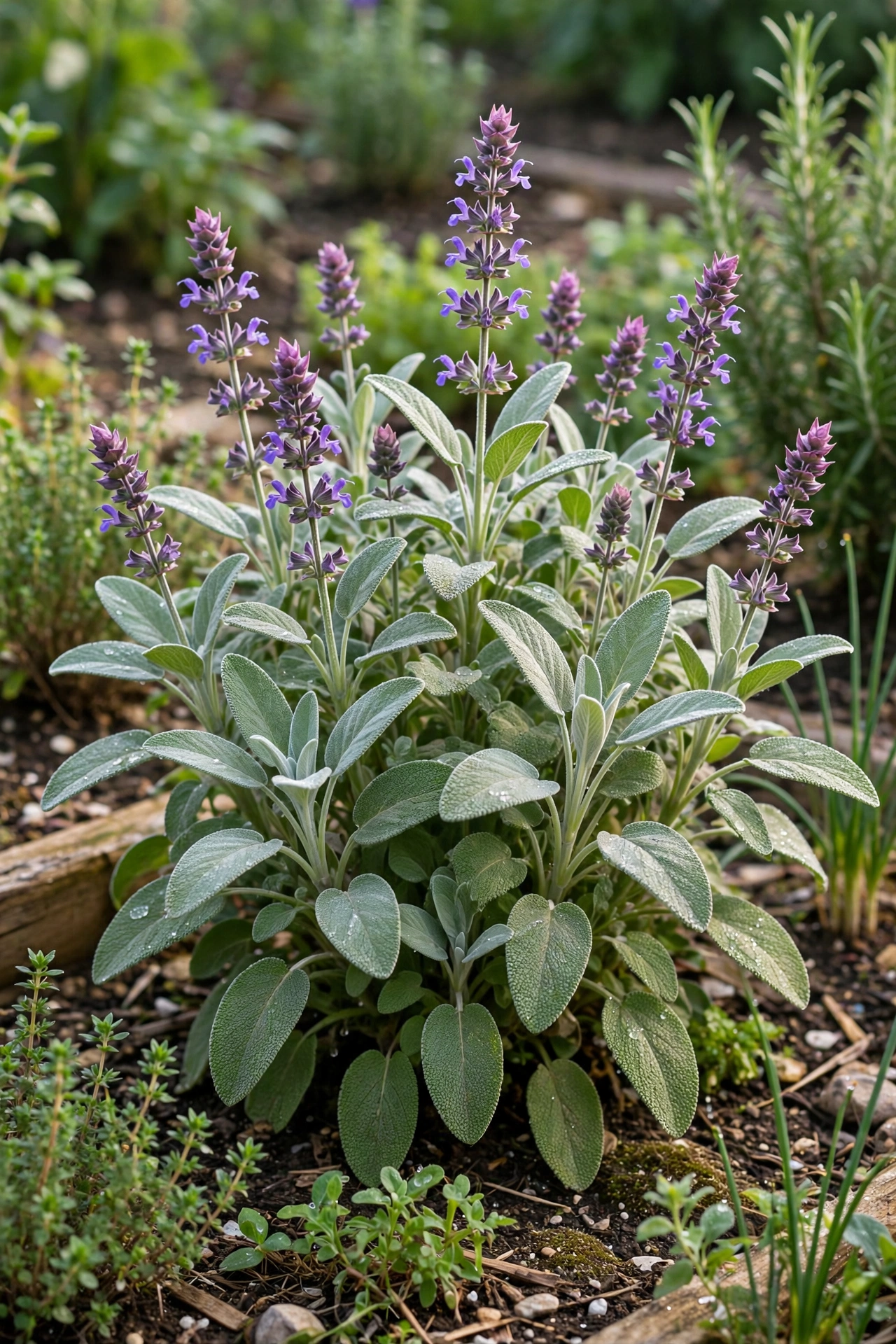
Sage surprises first-time growers by turning into a small woody shrub after year two. The silvery leaves look good even in winter in mild climates, and the purple flower spikes feed bees in early summer. Common garden sage (Salvia officinalis) grows 18 to 30 inches tall in full sun and well-drained soil. Harvest the outer leaves as needed and never cut into old wood. It is hardy in zones 4 to 8 and one of the most ornamental herbs you can grow. See our raised vegetable garden ideas for bed layouts that fit herbs alongside veggies.
Try this: Fry whole sage leaves in butter for 30 seconds; they turn crisp and nutty.
Cost: $| Difficulty: Easy
4. Chives
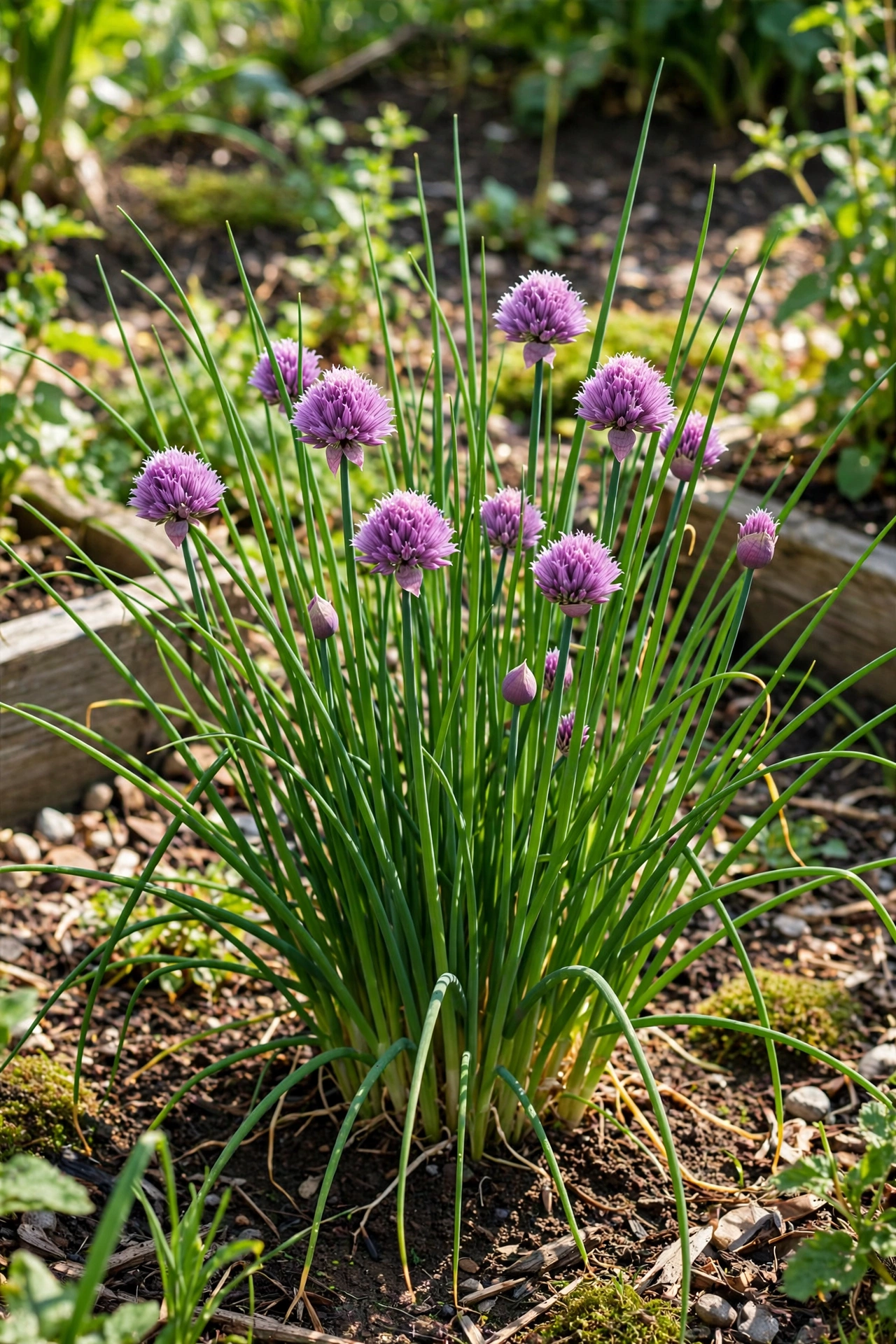
Chives multiply into bigger harvests every spring with zero effort. The mild onion flavor lifts eggs, salads, and baked potatoes, and the purple pom-pom flowers are edible too. Plants grow 12 to 18 inches tall in full sun to part shade and tolerate a wide range of soils. Divide congested clumps every three years in early spring and you will have free plants to share. Let a few flowers go to seed and new seedlings will pop up around the bed.
Try this: Snip chives with scissors rather than pulling; cut leaves regrow within weeks.
Cost: $| Difficulty: Easy
5. Mint
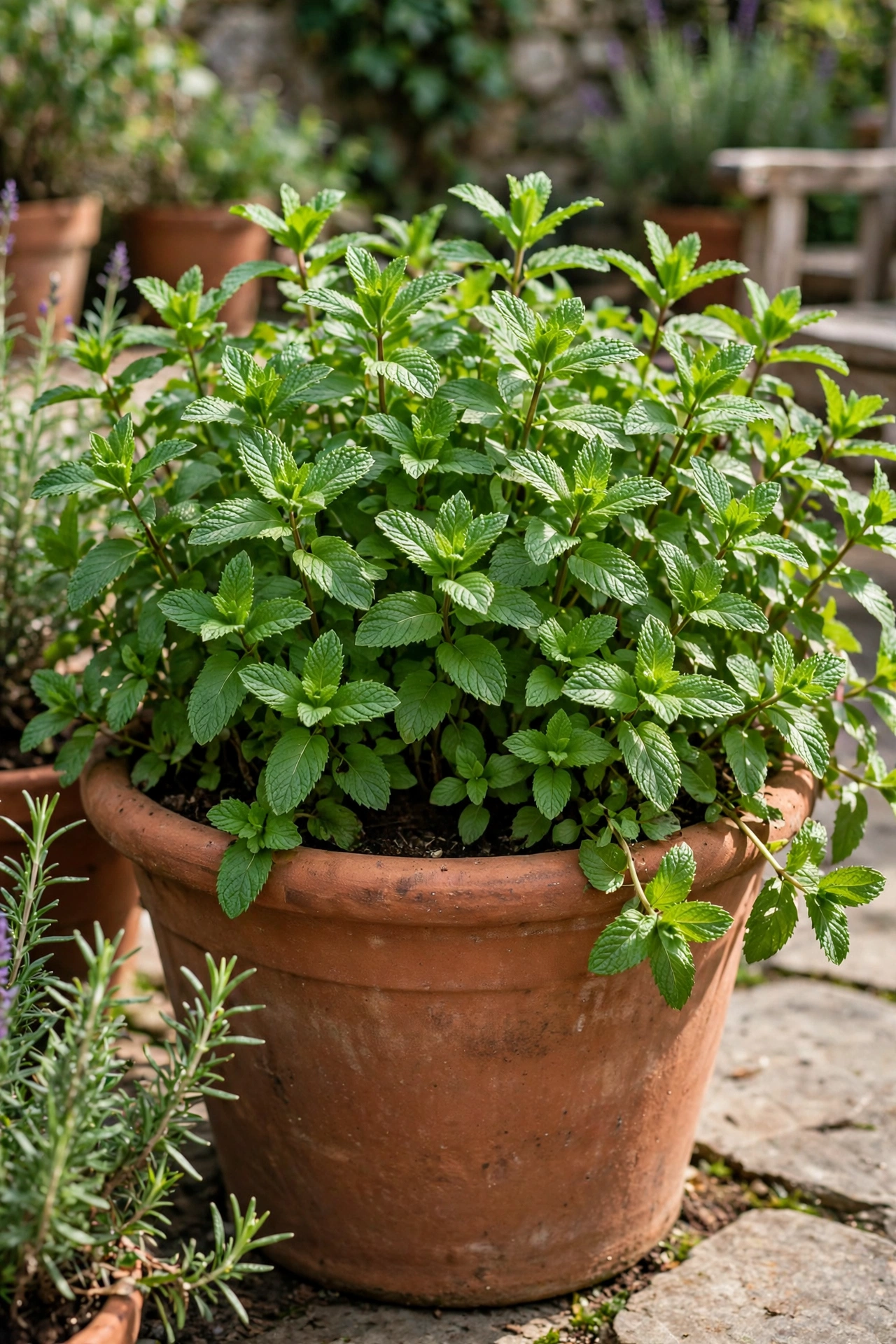
Mint is the definition of plant-once-and-enjoy, and also the herb most likely to take over your garden. Its runners spread relentlessly through beds, so always plant mint in its own container, at least 12 inches wide, sunk into the ground or set on the patio. Spearmint is best for teas and desserts; peppermint is stronger for savory use. It grows 12 to 24 inches tall in sun or part shade and even tolerates damp soil. Cut it back hard twice a summer to keep the leaves tender.
Try this: Bury the pot with its rim an inch above the soil so runners cannot escape over the edge.
Cost: $| Difficulty: Easy, contained
6. Rosemary
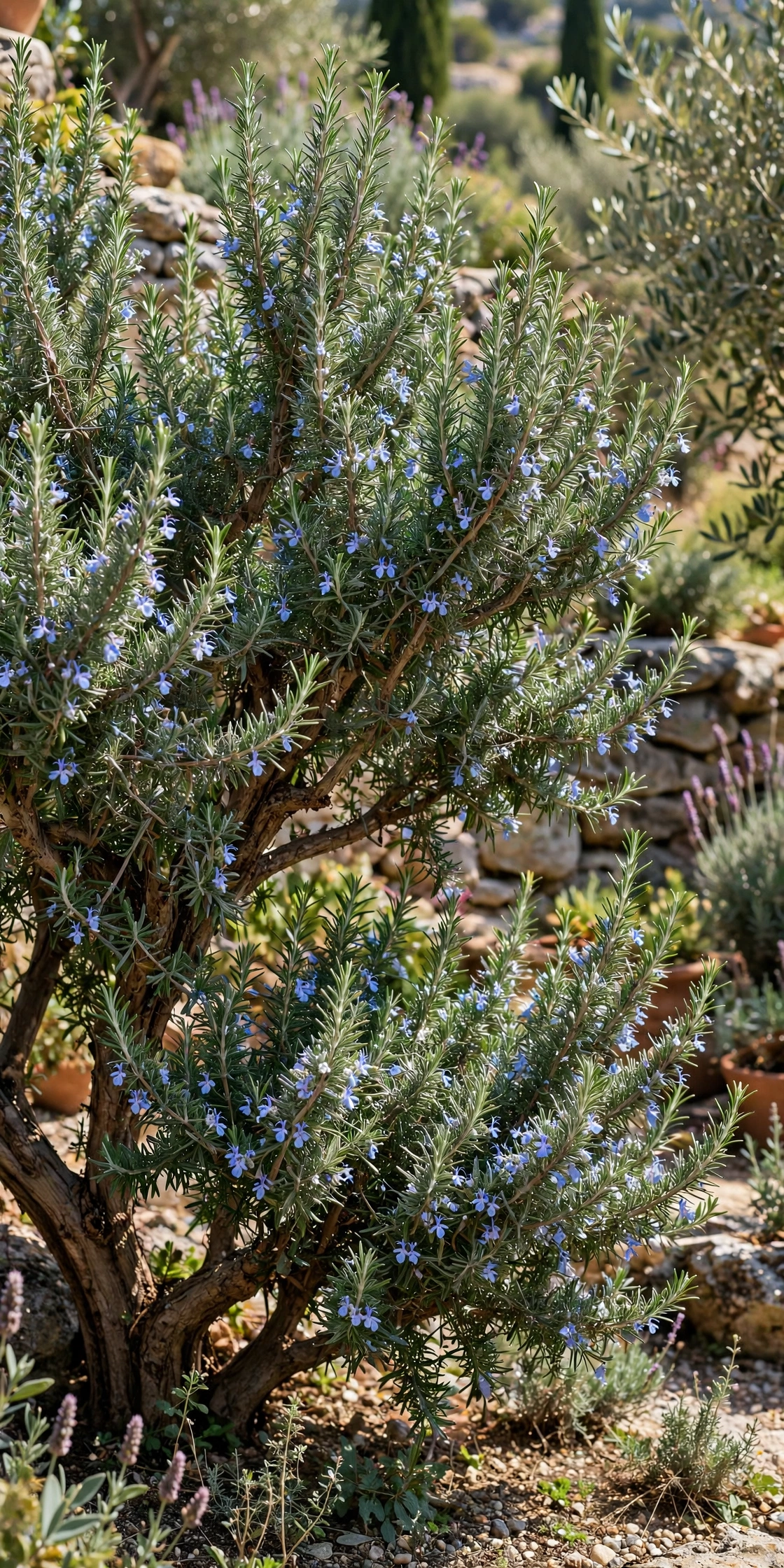
Rosemary is a shrub, not a seasonal herb, in zones 7 to 10. A mature plant can reach three to four feet tall and wide, giving you fresh sprigs year-round for roasts and breads. It needs full sun, sharp drainage, and protection from winter wet more than from cold. In colder zones, grow it in a large pot and bring it indoors before hard frost; it overwinters fine in a bright, cool room. ‘Arp’ and ‘Hill Hardy’ are the most cold-tolerant varieties.
Try this: Use woody rosemary stems as skewers for grilling; they perfume the food as it cooks.
Cost: $| Difficulty: Easy in mild zones
7. Lavender
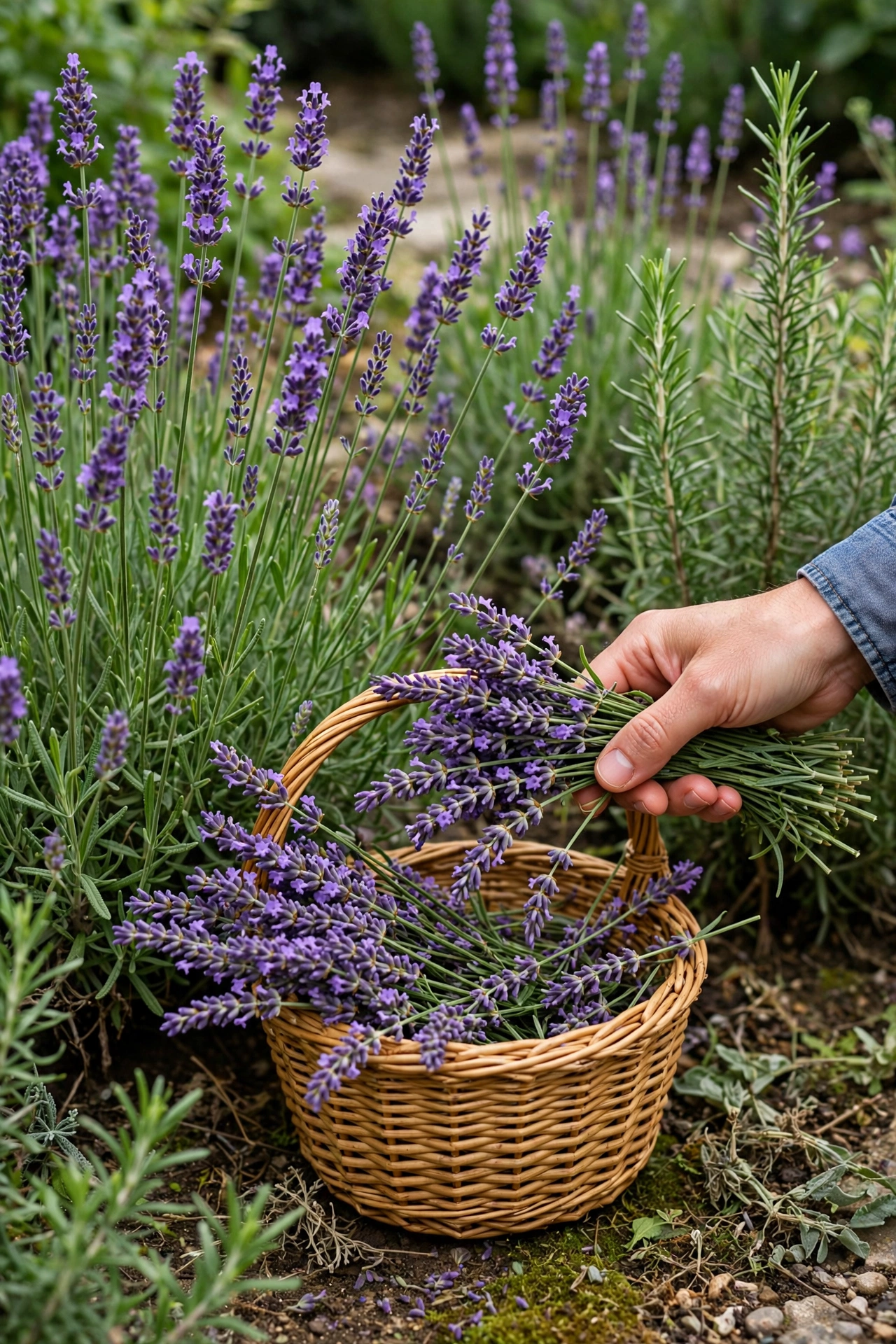
Lavender earns its place as a culinary herb, not just a pretty flower. English lavender buds flavor shortbread, lemonade, and roasted chicken, and the plant itself is a long-lived woody perennial in zones 5 to 9. It needs full sun and very well-drained, even gravelly soil. Harvest the flower spikes just as the buds open for the strongest scent and flavor. One established plant yields enough buds for a year of kitchen and craft use.
Try this: Add a teaspoon of dried lavender buds to sugar for lavender sugar that keeps for months.
Cost: $$| Difficulty: Easy in the right soil
8. French Tarragon
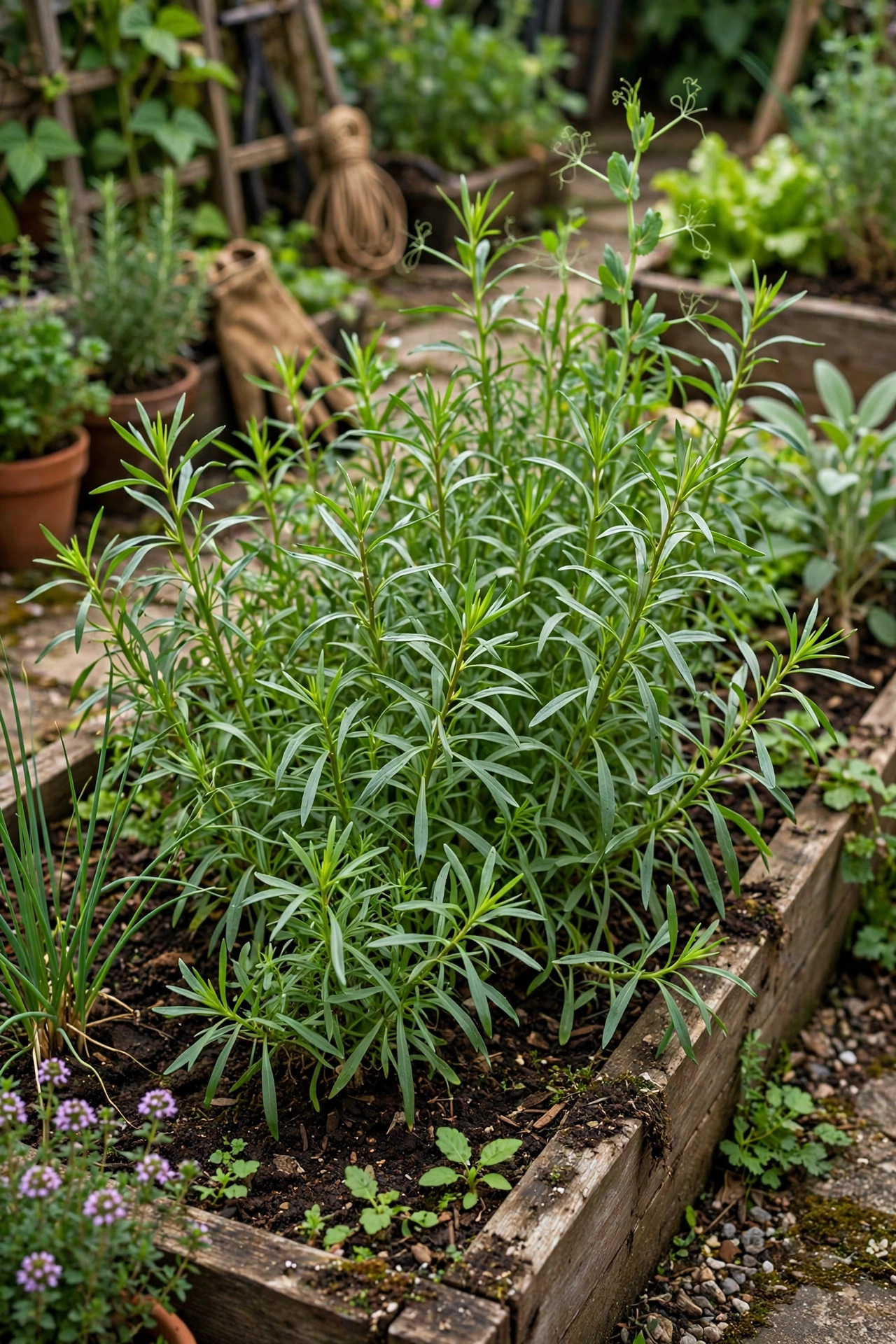
French tarragon comes back from the same crown every year with its distinct anise flavor that dried tarragon never matches. It is the only tarragon worth growing for cooking; Russian tarragon is hardier but nearly flavorless. Plants grow 18 to 30 inches tall in full sun and well-drained soil. Buy a plant, not seeds, since true French tarragon does not grow true from seed. Divide the crown every three years to keep it productive. It pairs beautifully with chicken, fish, and eggs.
Try this: Freeze tarragon sprigs in olive oil in ice cube trays for instant flavor all winter.
Cost: $| Difficulty: Easy
9. Lemon Balm
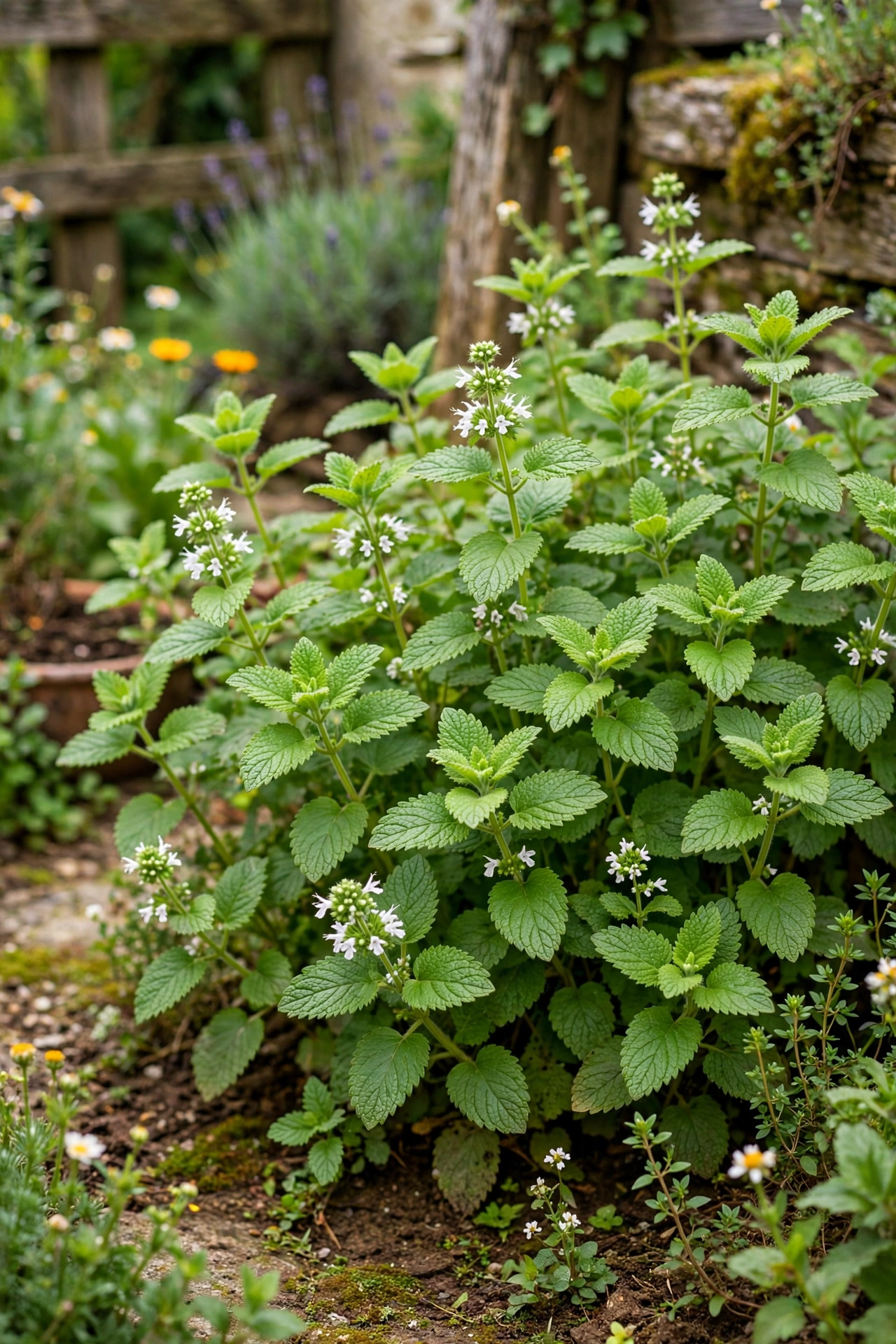
Lemon balm returns every spring with bright, lemony leaves perfect for teas, salads, and desserts. Like its mint cousin, it self-seeds and spreads, so give it a container or a contained corner. Plants grow 18 to 24 inches tall in sun or part shade and tolerate most soils. Cut it back by half in midsummer to prevent flowering and keep the leaves tender and flavorful. Bees love the tiny white flowers if you let a few stems bloom. For bed-planning ideas, see our companion planting charts for raised beds.
Try this: Bruise a handful of leaves in cold water with cucumber for a simple summer drink.
Cost: $| Difficulty: Easy
10. Bay Laurel
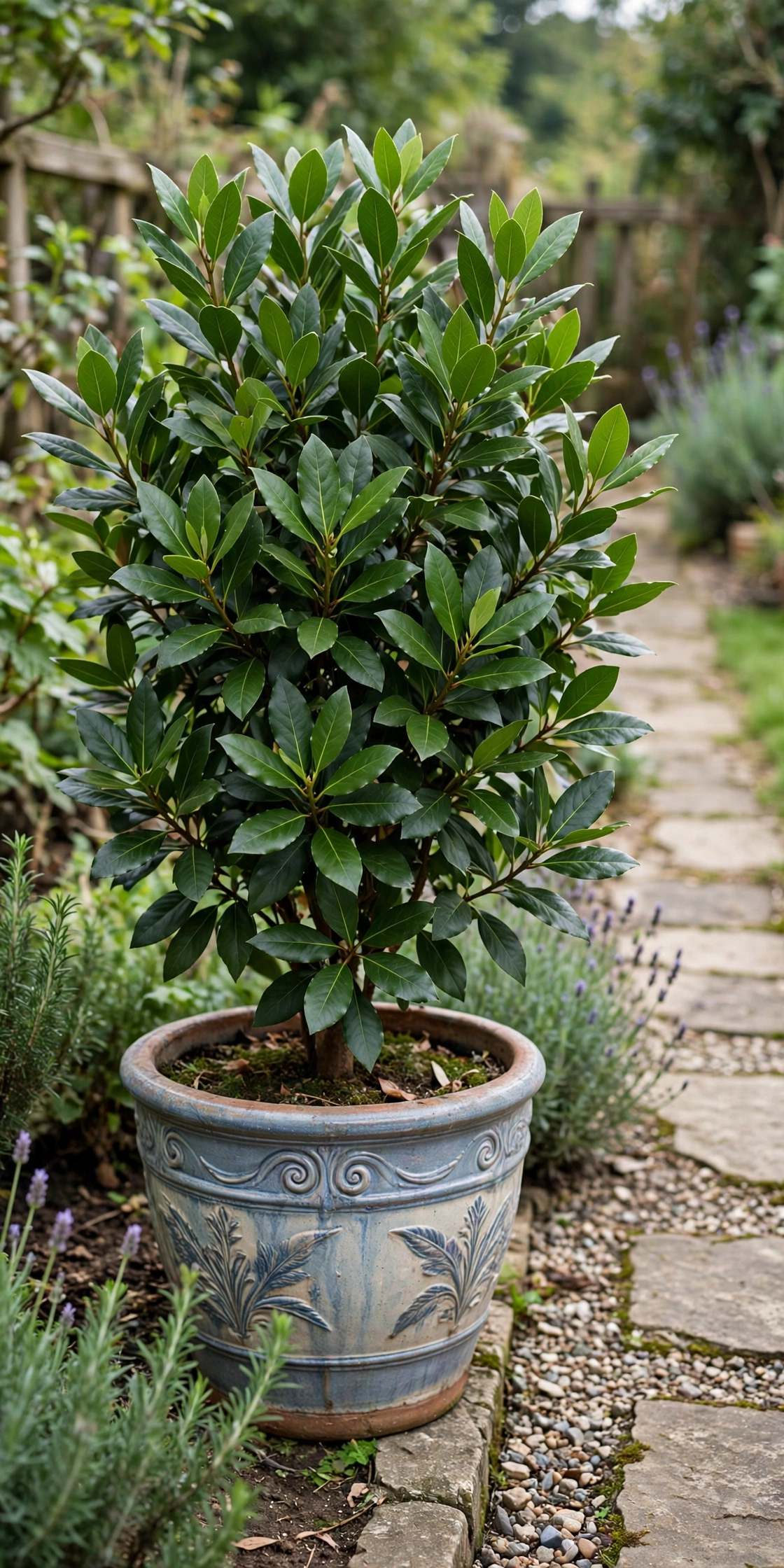
Bay laurel is the slowest herb on this list to establish but one of the longest-lived. It takes up to two years to settle in, then grows into a handsome evergreen shrub or small tree that supplies bay leaves for decades. It is hardy in zones 8 to 10; elsewhere, grow it in a large pot and overwinter indoors. It wants full sun to part shade and well-drained soil. Prune it into a cone or ball for a formal look, or let it grow naturally. Fresh bay leaves are milder than dried, so use two where a recipe calls for one dried leaf.
Try this: Dry bay leaves on the stem for two weeks before storing; the flavor deepens as they cure.
Cost: $$| Difficulty: Easy once established
Keep Spreaders Under Control
Mint and lemon balm are wonderful herbs and terrible neighbors when planted loose in a bed. Always grow them in containers at least 12 inches wide, or sink the pot into the bed with the rim above the soil line so runners cannot escape. Check pots yearly and divide crowded roots in spring. The University of Minnesota Extension herb guides confirm container growing as the standard advice for aggressive perennial herbs. If you have pets that nibble plants, cross-check each herb on the ASPCA plant list before planting.
Perennial Herbs Compared
FAQs
Which herbs come back every year without replanting?
Oregano, thyme, sage, chives, mint, French tarragon, lemon balm, and lavender are true perennials in most US zones. Rosemary and bay laurel are perennial in mild climates (zones 7 to 10) and can be overwintered indoors elsewhere. Basil, cilantro, dill, and parsley are annuals or biennials and need replanting.
How do I stop mint from taking over my garden?
Always plant mint in its own container, never loose in a bed. A 12-inch pot works; you can sink it into the ground with the rim an inch above the soil so runners cannot escape. Divide the roots each spring to keep the plant productive and contained.
When can I start harvesting perennial herbs?
Harvest lightly in the first year while roots establish, taking no more than a third of the plant at once. From the second year on, harvest freely; regular cutting actually keeps herbs like thyme, oregano, and mint productive. Never remove more than half the foliage at one time.
Do perennial herbs need fertilizer?
Most do not. Herbs grown in lean soil have stronger flavor than overfed ones. A light top-dressing of compost in spring is plenty for established plants. Too much nitrogen makes herbs like basil leafy but bland, and makes woody herbs like rosemary and lavender leggy.
Can I grow perennial herbs indoors over winter?
Yes for tender ones. Rosemary and bay laurel overwinter well in a bright, cool room (50 to 60 degrees) with reduced watering. Hardy herbs like thyme, sage, and chives can also live in pots indoors, but they prefer a sunny window and good air circulation to stay healthy.
Are perennial herbs safe for pets?
Most culinary herbs are low risk, but some can upset pets that eat large amounts, and individual animals react differently. Check each herb on the ASPCA toxic and non-toxic plant list before planting where pets roam.
A perennial herb garden is the lowest-effort, highest-reward bed you can plant. Ten plants, one weekend of work, and by next summer you will be snipping oregano, thyme, and chives steps from your kitchen instead of buying sad plastic packs. Start with the easy ones, contain the spreaders, and let the garden do the rest.


