

A blank page can sit open for an hour while nothing comes. You want to write, but every first sentence sounds flat, and the longer you wait, the harder the start feels. I kept a notebook by my kitchen table last winter, and most mornings it stayed shut because I had no place to begin.
This list gives you 30 ready prompts across story starters, character twists, strange worlds, mystery, dialogue games, and quiet journaling. Each one states the setup, shows how to use it, and lists a time and difficulty level, so you can pick one, set a timer, and start writing today.
- Quick takeaways: pick one prompt, not ten, and write for at least 15 minutes before judging it.
- Story starters give you a scene; character prompts give you a person; what-if prompts give you a world.
- Constraints such as dialogue-only or a word limit often beat a wide-open prompt for stuck writers.
- Journaling prompts work for nonfiction too, and they need no plot at all.
- Every prompt here is free to use and can be changed to fit your story.
Quick takeaways
The list below covers 30 prompts in eight types. Start with the type that matches your mood: a fast scene, a strange world, a hard question, or a quiet page. The comparison table near the end helps you choose by time and difficulty.
1. The lighthouse that lights up for ships that do not exist

A lighthouse keeper tends a light that only switches on for ships that appear on no chart and answer no radio call. One foggy night, the beam catches a vessel with no crew on deck and a name painted over twice. The keeper must decide whether to log the ship, warn the harbor, or row out alone. The prompt works because it pairs a lonely job with a mystery that cannot be solved from shore. It gives you setting, tension, and a choice in the first paragraph.
Try this: write the first 200 words from the keeper’s logbook, dated and plain, before you allow any dialogue.
Cost: $| Difficulty: Easy | Time: 20 minutes.
2. A market where people trade memories

In a small town market, one stall trades memories instead of food. A customer can hand over the memory of a first bike ride and walk away with the memory of a seaside summer they never lived. Prices rise for happy memories and fall for sad ones. Your character arrives with one memory they refuse to sell and one they ache to buy. The stall keeper knows both and names a price that is not money. The scene asks what a memory is worth once it can leave its owner.
Try this: open with the trade itself, and let the reader learn the rules only through what the keeper says.
Cost: $| Difficulty: Easy | Time: 20 minutes.
3. A door that moves to a new house each night
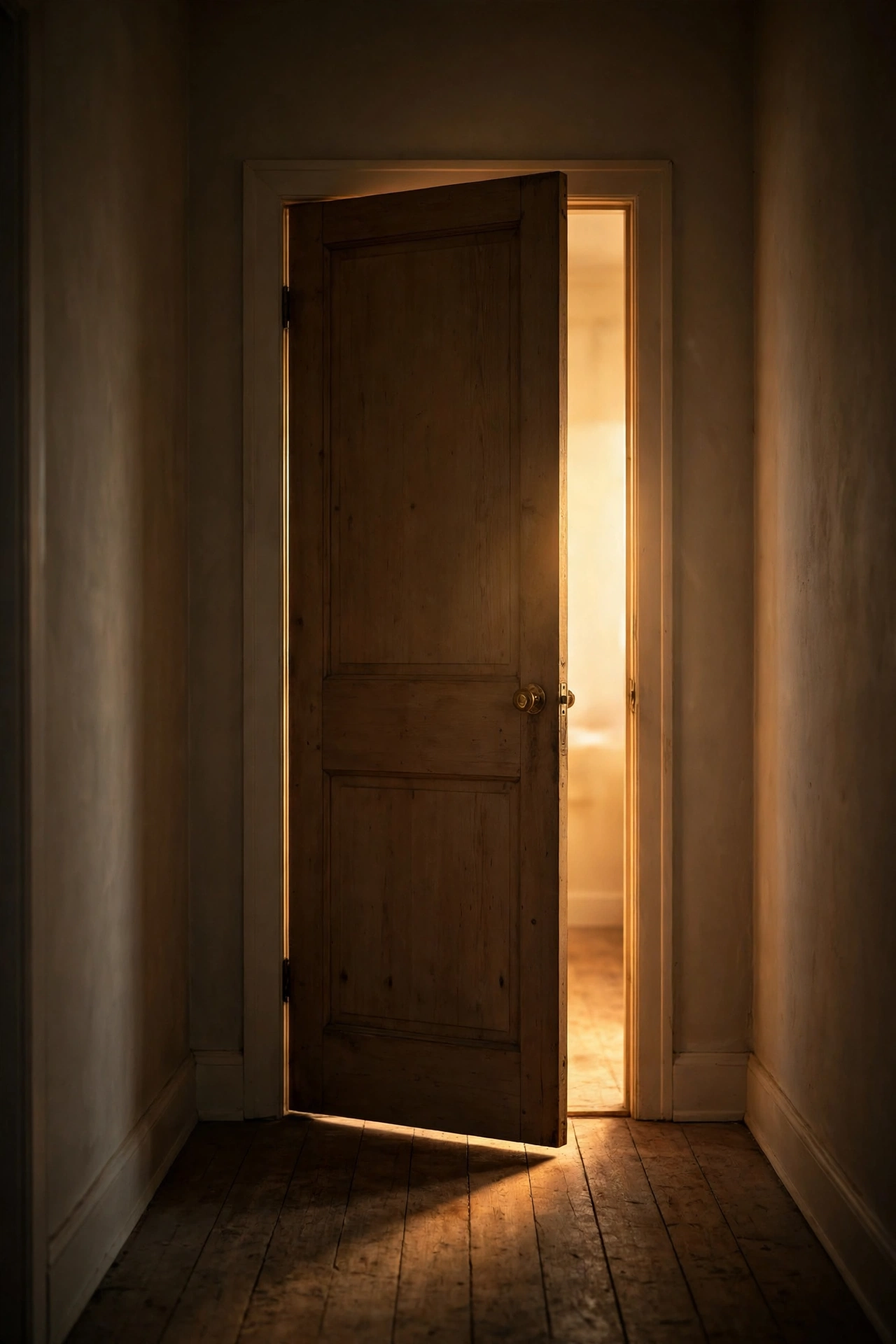
Each night, a plain wooden door appears in a different house in the same street. It opens onto the same small room, and the room holds one object left by a past visitor. Your character finds the door in their own hallway, recognizes the object inside, and must decide whether to take it or leave something in return. The prompt keeps the mystery small and close to home. It works for horror, wonder, or a quiet story about a family secret.
Try this: describe the room in five exact details and let the object do the talking.
Cost: $| Difficulty: Easy | Time: 15 minutes.
4. A train stop that is missing from every map
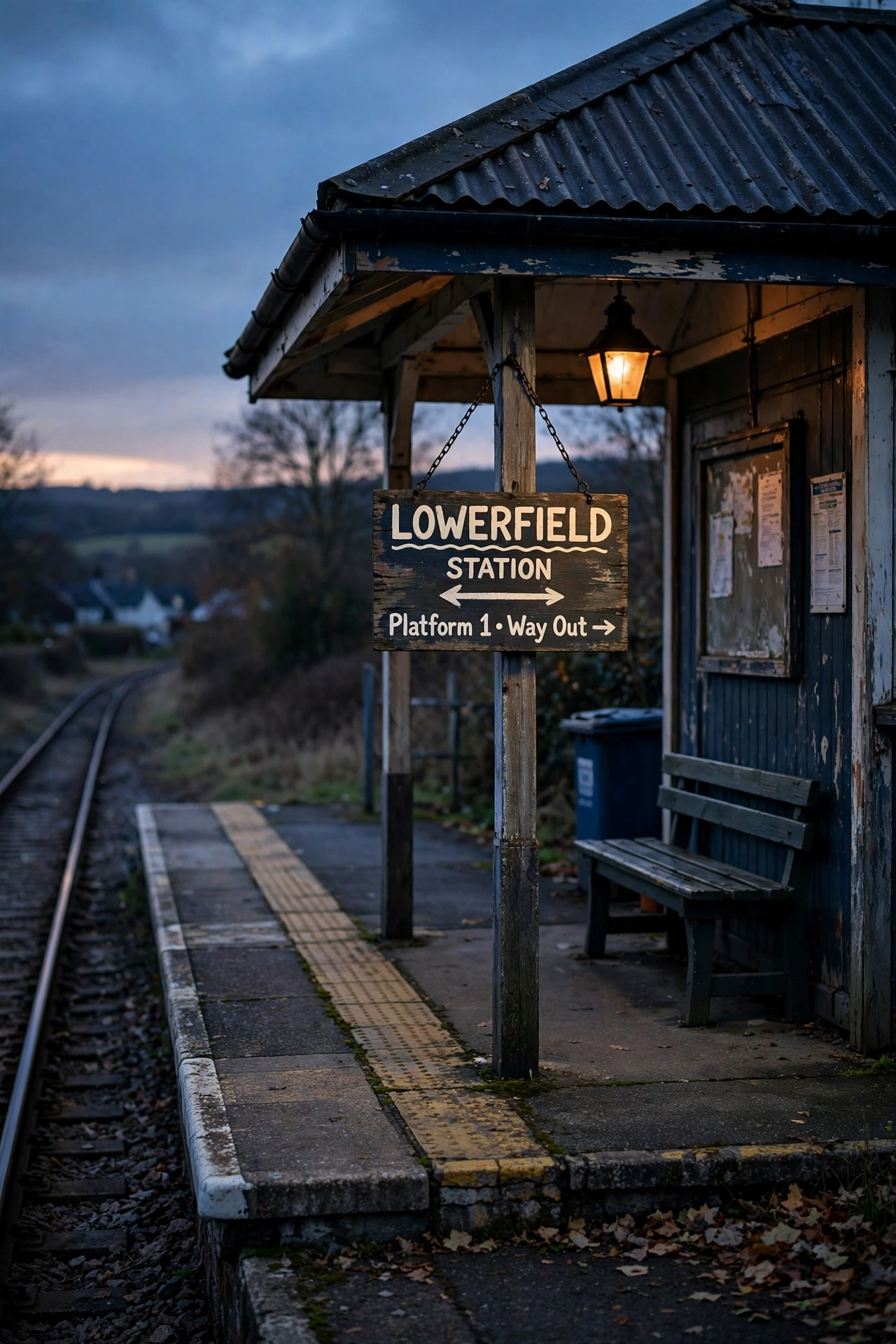
A commuter train stops each evening at a platform that appears on no map and no timetable. Only three passengers ever get off there, and they never speak to each other. One day, your character misses their usual stop and steps onto this platform by mistake. The station has a waiting room, a clock that runs backward, and a ticket window that sells tickets to places the character has only dreamed about. The prompt hands you a journey with no return ticket yet.
Try this: write the scene in present tense so the strangeness stays close and immediate.
Cost: $| Difficulty: Easy | Time: 20 minutes.
5. A character who reads their own obituary in tomorrow’s paper

Your character opens tomorrow’s newspaper and finds their own obituary, complete with a date, a cause, and two facts that are wrong. The rest of the day becomes a race to find who wrote it and why the wrong facts matter more than the right ones. Every person they ask reacts a little too calmly, as if they already read it too. The prompt builds suspense from an ordinary object and a single impossible fact. It suits a short mystery or a dark comedy.
Try this: let the character notice the two wrong facts first, and hold the cause of death back until the end of the scene.
Cost: $| Difficulty: Medium | Time: 25 minutes.
6. A liar who cannot lie for one full day

A practiced liar wakes up unable to tell a lie for exactly one day. Every meeting, phone call, and family dinner now forces the truth out, including truths the character has kept for years. The prompt works best when the lies are small at first, such as a compliment about a meal, and grow larger by evening. It asks what honesty costs when it arrives without warning. The idea fits comedy, drama, or a story about a friendship that finally gets honest.
Try this: write three scenes from the same day, morning, noon, and night, and raise the stakes in each one.
Cost: $| Difficulty: Easy | Time: 20 minutes.
7. A chef who cooks meals from other people’s dreams

A chef in a small cafe cooks dishes based on customers’ dreams from the night before. A regular orders the same dream meal each week, and one morning the dream on the ticket belongs to the chef. The dish tastes of a place the chef has never visited and a person the chef has never met. The prompt mixes a workday setting with a touch of magic, and it gives you taste, smell, and memory to write with. It suits a gentle fantasy or a story about grief.
Try this: describe the dish in full sensory detail before you explain where the dream came from.
Cost: $| Difficulty: Medium | Time: 25 minutes.
8. A retired hero working the night shift at a laundromat
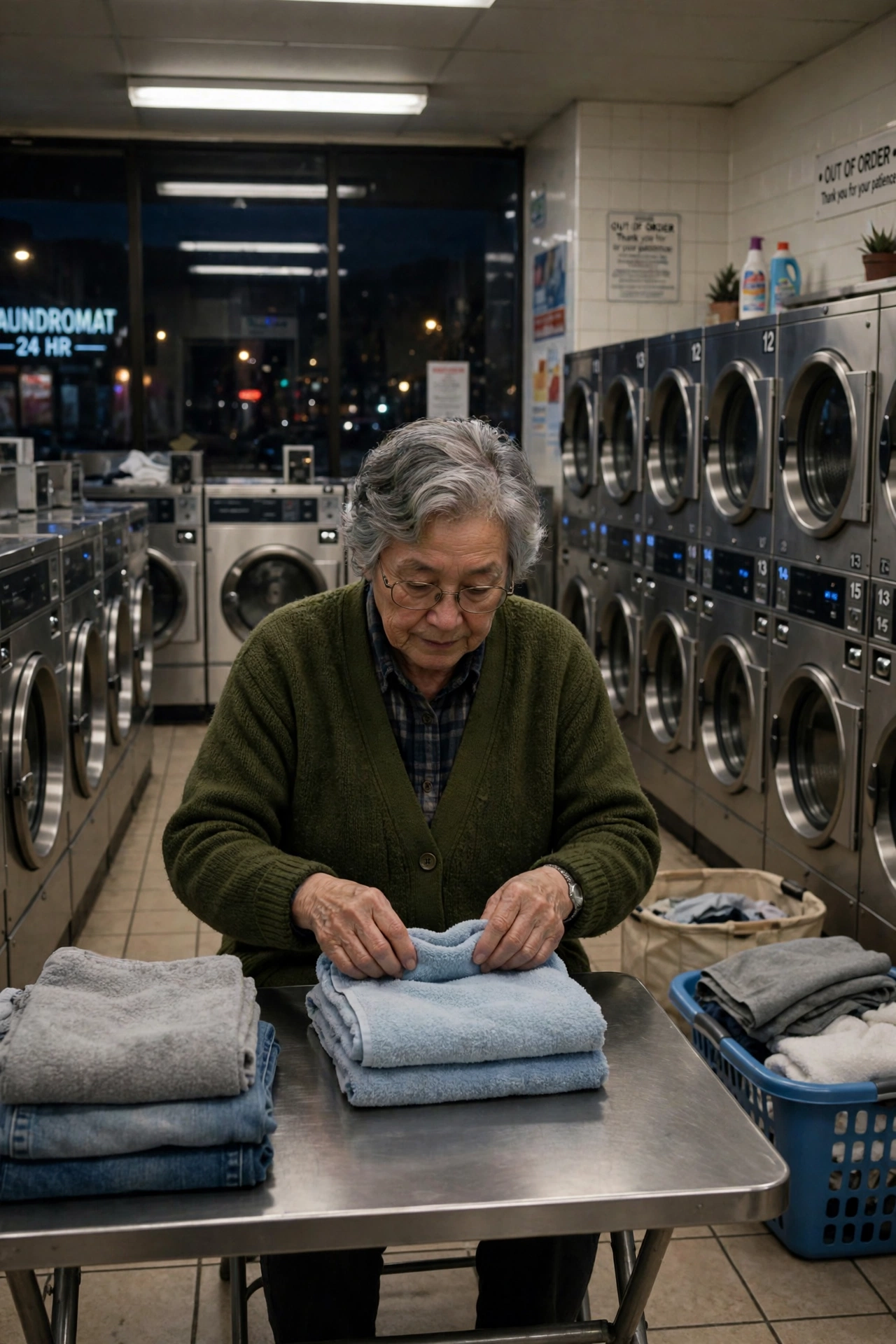
A retired hero now works the night shift at a laundromat, folding other people’s clothes and ignoring the news. One night, a customer leaves a jacket with a familiar emblem in the pocket, and the old instincts wake up. The prompt asks what a person does with a past they chose to leave behind. It works because the setting is ordinary and the past is large, so every small action carries weight. The story can stay quiet or turn into a rescue by the final page.
Try this: keep the hero’s past unnamed for the first half, and reveal it only through the jacket.
Cost: $| Difficulty: Easy | Time: 20 minutes.
9. A child who hears what old houses remember
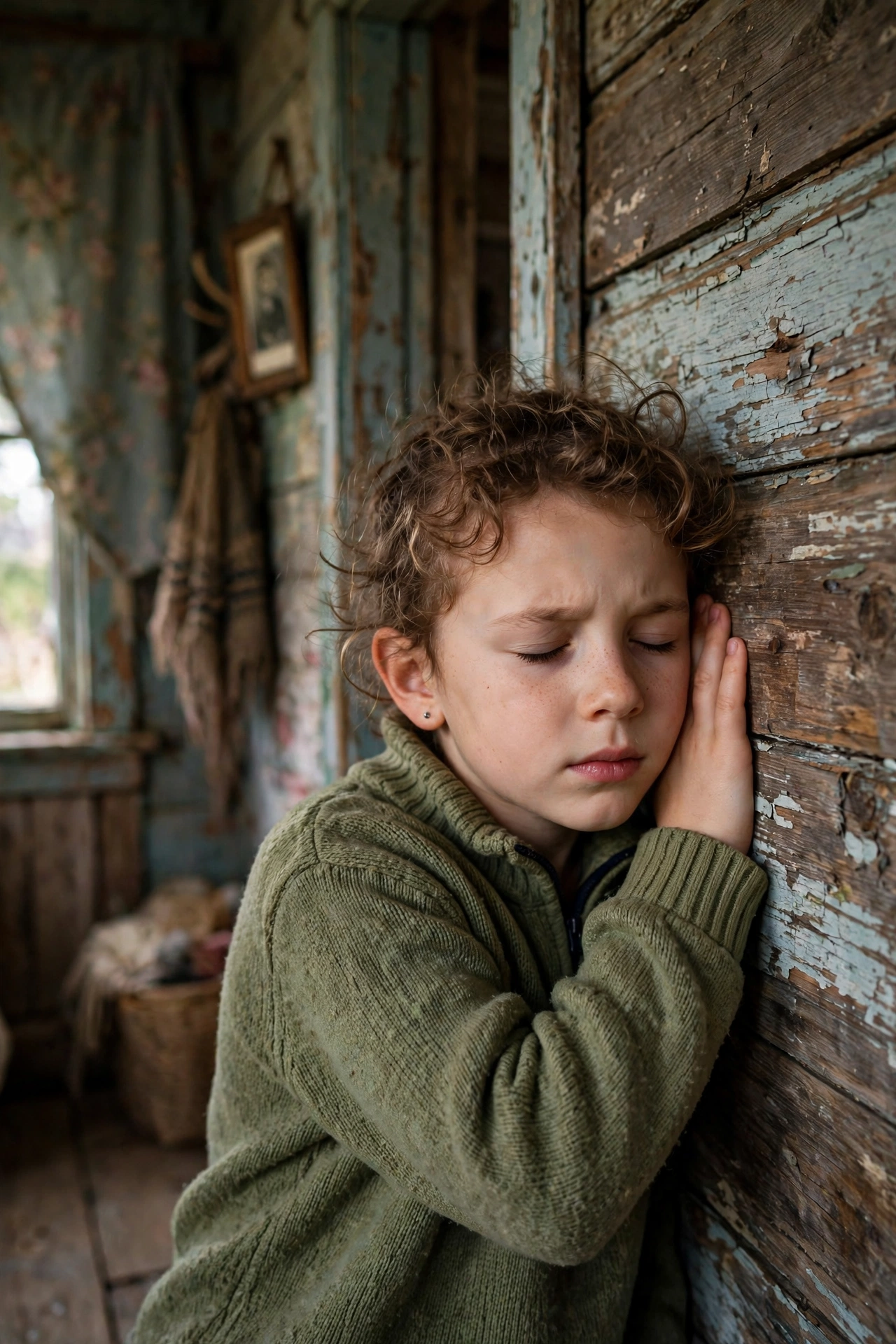
A child moving into an old house hears faint sounds from its past: a kettle, a song, a slammed door that no one else notices. The sounds grow clearer in one room, and the child starts to piece together an event the adults will not discuss. The prompt gives you a young point of view and a mystery that adults keep missing. It suits a spooky story or a warm one about a family finally telling the truth. Keep the sounds small and specific, never loud.
Try this: write the first scene from the child’s point of view, with no adult explaining anything.
Cost: $| Difficulty: Easy | Time: 20 minutes.
10. Twins who accidentally swap shadows
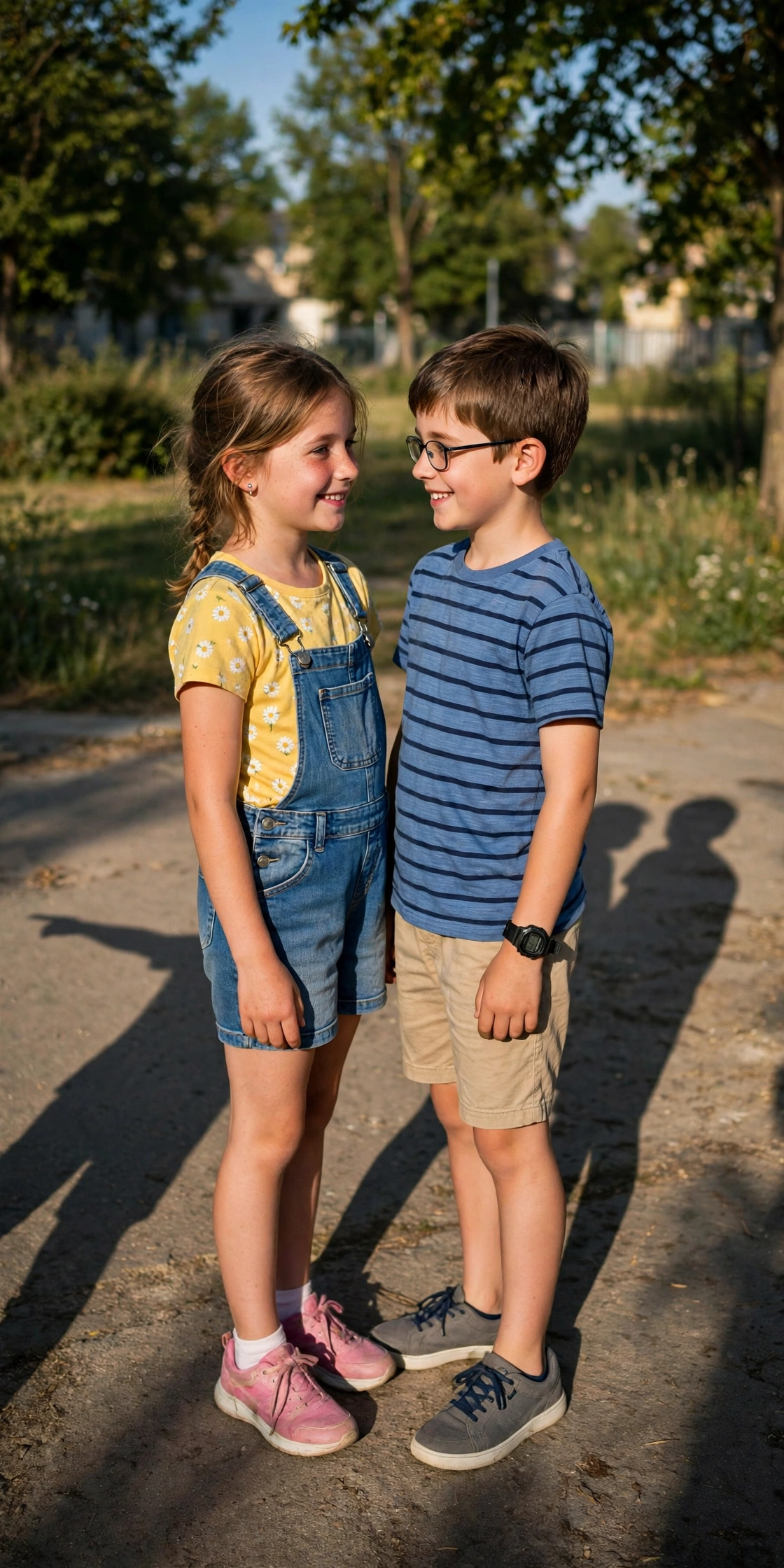
Two twins wake up to find their shadows have swapped. Each shadow now follows the wrong twin, and each twin starts to act a little like the other. Teachers notice, friends notice, and the twins notice most of all. The prompt turns identity into something visible and strange, and it works for a funny story or a tender one about growing apart. The rule is simple, so you can spend your words on how the twins feel, not on explaining the magic.
Try this: show the swap through one school day, and end the day with a choice about whether to swap back.
Cost: $| Difficulty: Easy | Time: 20 minutes.
11. A city where rain falls upward on Tuesdays

Every Tuesday, rain in one city falls upward, from the streets into the sky. Umbrellas are useless, gutters run dry, and children collect the rising drops in jars. Your character is new in town and learns the Tuesday rules from a neighbor who treats the whole thing as normal. The prompt gives you a world with one clear rule and lets you watch ordinary people live inside it. It suits a light fantasy, a comedy, or a story about fitting into a place with odd customs.
Try this: write a Tuesday morning routine, step by step, and let the strangeness come from the routine itself.
Cost: $| Difficulty: Easy | Time: 15 minutes.
12. A library where borrowed books rewrite themselves

A small library lends books that rewrite themselves after they are borrowed. A reader returns a mystery and finds the ending changed, with a note in the margin in their own handwriting. The librarian claims the books only finish stories the reader was afraid to finish. Your character borrows one book on purpose, hoping for a new ending to an old event. The prompt mixes a beloved place with a quiet kind of magic, and it asks how much of a story belongs to its reader.
Try this: quote one changed sentence from the book, then show the character’s reaction before any explanation.
Cost: $| Difficulty: Medium | Time: 25 minutes.
13. A town where everyone knows one secret about you except you

Your character moves to a town where every resident knows exactly one secret about them, but no one will say which one. The baker knows one, the teacher knows another, and the mail carrier smiles a little too long at the gate. The character must guess which secret each person holds, and each guess risks giving away something new. The prompt builds tension from politeness and small talk, and it works for mystery, comedy, or a story about starting over somewhere new.
Try this: write one conversation where the character tries to learn their secret without asking for it directly.
Cost: $| Difficulty: Medium | Time: 25 minutes.
14. A school where lessons are learned only in dreams
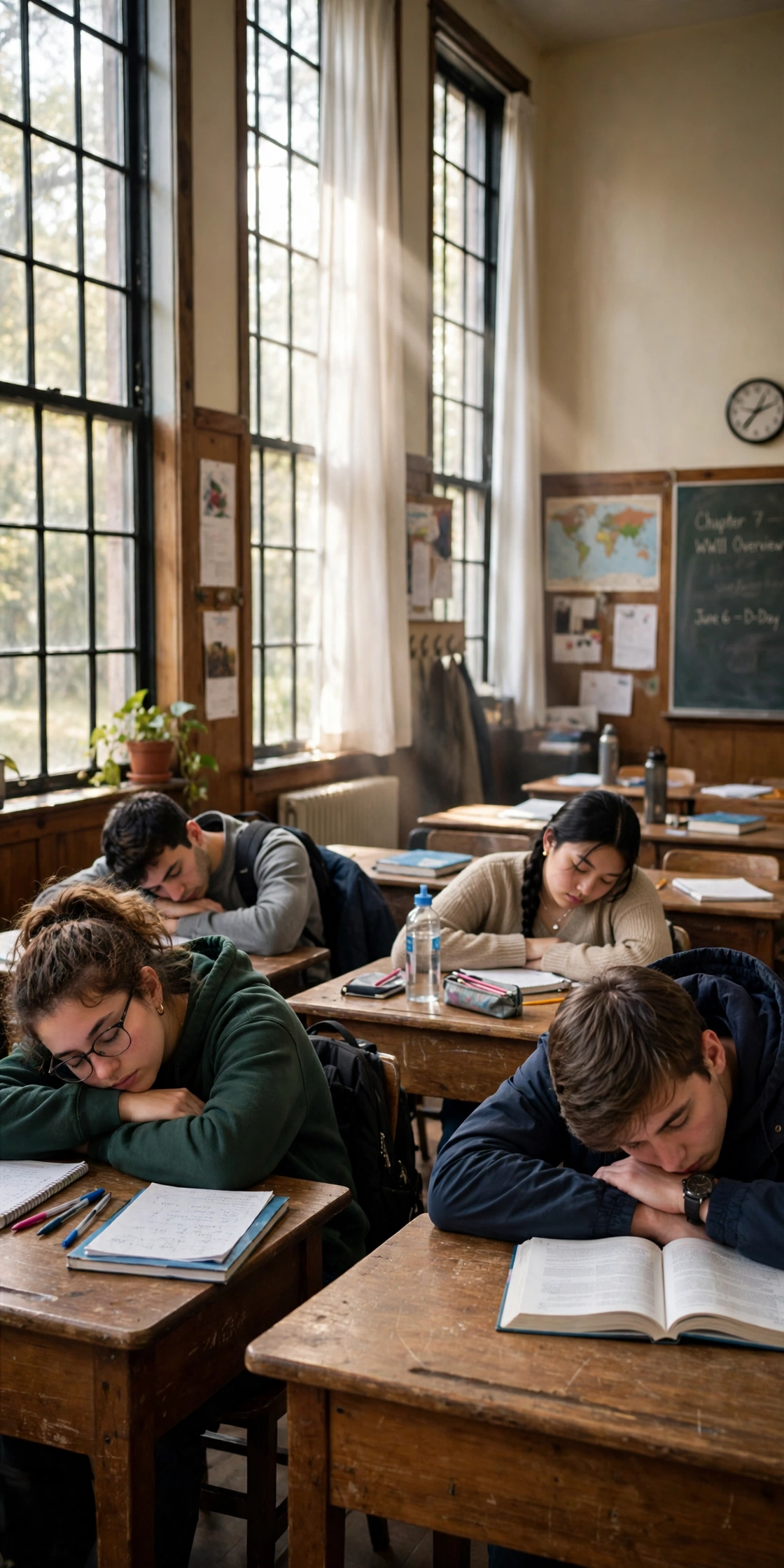
At one school, students learn nothing in class and everything in dreams. Lessons arrive at night as vivid scenes, and morning tests check what the dreams taught. Your character dreams the wrong lesson, or dreams someone else’s lesson, and must pass a test on material they never studied. The prompt gives you a school story with a built-in puzzle and a clear deadline. It suits a funny fantasy or a story about pressure, sleep, and the fear of falling behind.
Try this: describe one dream lesson in full detail, then cut straight to the morning test.
Cost: $| Difficulty: Easy | Time: 20 minutes.
15. A key found inside a library book that fits no lock in town

Your character finds an old brass key pressed between the pages of a library book, and the key fits no lock in town. The librarian has no record of it, the book has no borrower history, and the key grows warm whenever the character walks past one particular building. The prompt gives you a mystery with a physical object at its center and a clear next step: find the lock. It suits a cozy mystery, a treasure hunt, or a story about a town hiding one room.
Try this: let the character try the key on three wrong locks first, and make each failure reveal a small town detail.
Cost: $| Difficulty: Easy | Time: 20 minutes.
16. A photograph that changes a little each time you look at it

A photograph on a mantel changes a little each time its owner looks at it. A window opens, a chair moves, a stranger steps closer to the front of the group. Only the owner notices, and each change matches something that happened that day. The prompt builds dread or wonder from tiny shifts, and it works best when the changes stay small for a long time. It suits a slow mystery or a story about memory, loss, and the wish to change one day.
Try this: list three changes across three days, and let the third change be the one that scares or moves the owner.
Cost: $| Difficulty: Medium | Time: 25 minutes.
17. A breakup told entirely through text messages
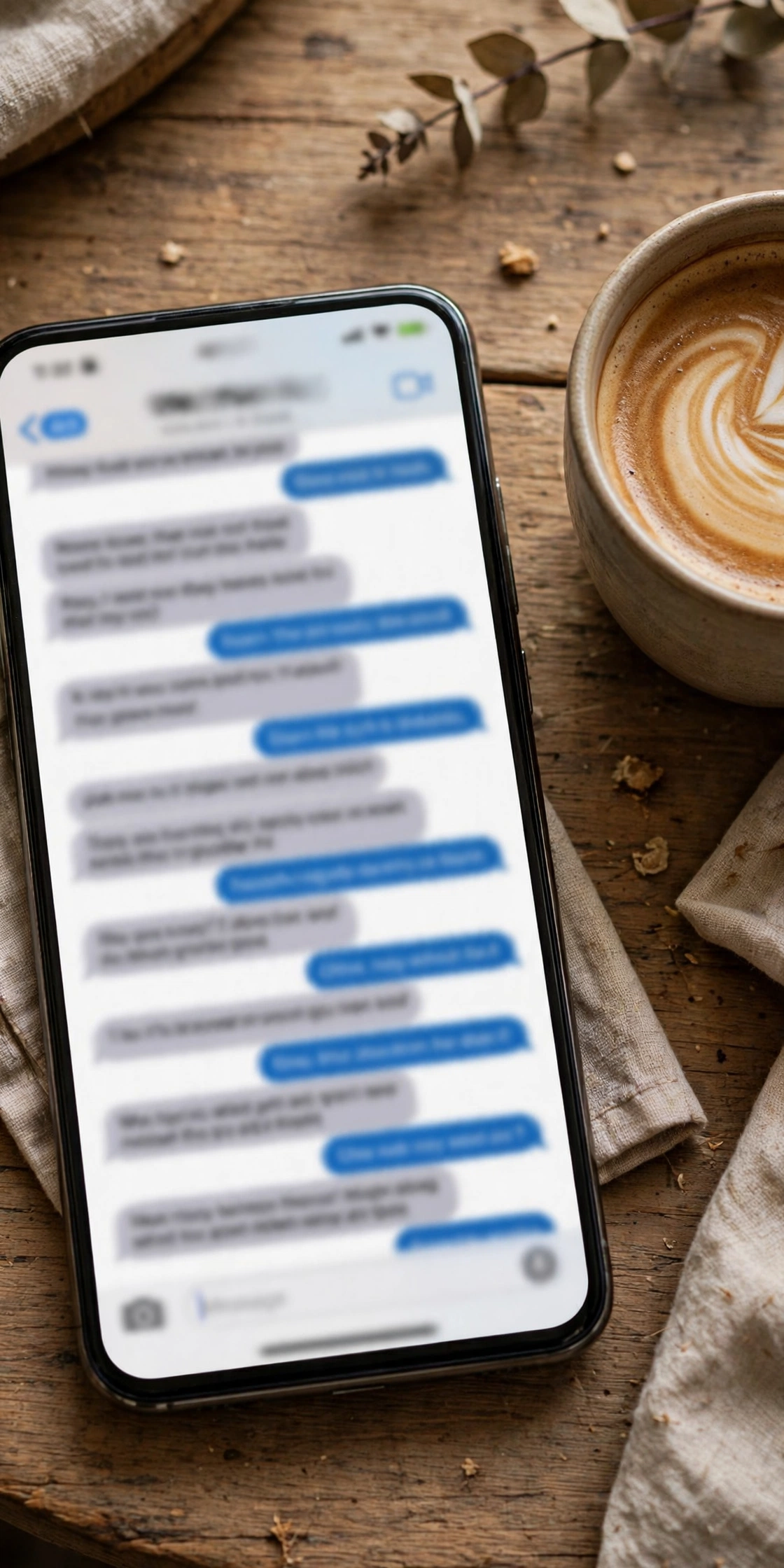
Two people end a relationship entirely through text messages, and the reader sees nothing else. No narration explains the fight, no scene sets the room, and every clue must come from wording, timing, and silence between replies. One message arrives at 2 a.m., one reply takes three days, and one short answer ends the thread. The prompt trains dialogue, subtext, and pacing, and it suits a short, sharp piece. The constraint forces every word to earn its place.
Try this: draft the thread first with no stage directions, then cut any message that does not change the relationship.
Cost: $| Difficulty: Medium | Time: 25 minutes.
18. A story told backward, from the last scene to the first

Write a story backward, starting with the final scene and ending with the first cause. The reader meets the ending first, then learns each earlier choice that led there, one scene at a time. The prompt teaches cause and effect because every scene must answer the question the last one raised. It suits a mystery, a heist, or a love story where the ending reframes the beginning. Keep the cast small so the reader can follow the chain in reverse.
Try this: outline five scenes forward first, then write them in reverse order without changing the facts.
Cost: $| Difficulty: Medium | Time: 30 minutes.
19. A scene written without using the letter “e” in the dialogue

Two characters argue, but their spoken lines may not contain the letter “e” at all. Narration can use normal words, yet every line of dialogue must dodge the most common letter in English. The prompt is a word game with a real payoff: it forces short, punchy speech and makes you notice how much dialogue relies on filler. It suits a comedy scene, a classroom exercise, or a dare between writing friends. Keep the scene short so the constraint stays fun.
Try this: write the argument in plain dialogue first, then rewrite each line to remove the letter, one line at a time.
Cost: $| Difficulty: Medium | Time: 20 minutes.
20. A whole tale told in exactly 100 words
Tell a complete tale in exactly 100 words, with a character, a want, a turn, and an ending. No word can be wasted, and every sentence must do two jobs at once. The prompt teaches cutting, because the first draft will run long and the second draft will find the real story. It suits flash fiction, a daily habit, or a contest entry. Count carefully, and let the title sit outside the 100 words so the limit stays clean.
Try this: write 150 words first, then cut 50, keeping only the lines that change the story.
Cost: $| Difficulty: Medium | Time: 20 minutes.
21. A dog narrates the family’s move to a new house

A family dog narrates the move to a new house, and the dog understands only part of what happens. Boxes mean a game, the truck means a long car ride, and the new house smells wrong for a week. The dog worries about the lost ball, the missing cat, and the child who cries at night. The prompt gives you a limited point of view that turns ordinary events into small mysteries. It suits a warm family story or a funny piece about how much pets notice.
Try this: keep the dog’s understanding partial, and never let the dog explain something the dog could not know.
Cost: $| Difficulty: Easy | Time: 20 minutes.
22. A letter to the house you grew up in

Write a letter to the house you grew up in, as if the house could read it. Thank it for one room, blame it for one draft, and ask it one question you never asked as a child. The prompt works for memoir, fiction, or a journal entry, because a house holds years of small events in its rooms. It needs no plot and no villain, only honest detail. Name the rooms, the sounds, and the smells, and the letter will carry its own feeling.
Try this: address the letter to one room only, and let the rest of the house enter through that room’s door.
Cost: $| Difficulty: Easy | Time: 15 minutes.
23. The day you would relive, told by a stranger who watched it

Pick a day you would relive, then write it from the point of view of a stranger who only watched it happen. The stranger sees the gestures, hears half the words, and guesses at the rest, getting some details right and some wrong. The prompt teaches point of view because the same day reads differently through other eyes. It suits a reflective piece or a story about how little strangers know and how much they still notice.
Try this: give the stranger one wrong guess that changes how the reader sees the day.
Cost: $| Difficulty: Medium | Time: 25 minutes.
24. Ten small things that carried you through one hard week

List ten small things that carried you through one hard week, and write one or two sentences about each. A hot shower, a text from a friend, a song on repeat, a walk around the block: small things count when the week is heavy. The prompt suits a journal entry, a gratitude practice, or the seed of a personal essay. It asks for honesty, not drama, and it often shows a writer what actually helped, which is useful material for any later piece.
Try this: write the list fast, without editing, then expand only the three items that surprise you.
Cost: $| Difficulty: Easy | Time: 15 minutes.
25. The advice-column answer you wish you had read at sixteen
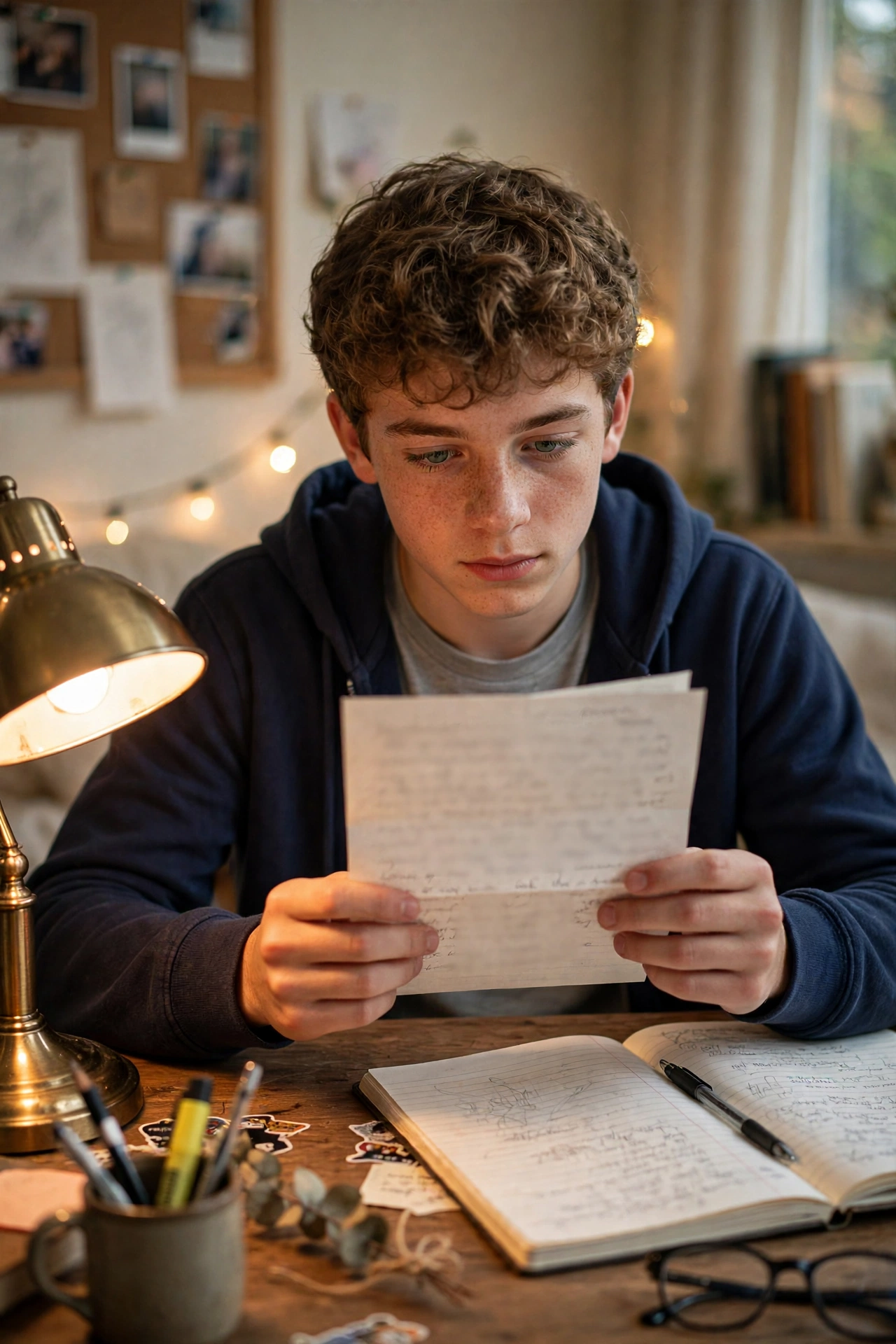
Write the advice-column answer you wish you had read at sixteen, addressed to your younger self but written for any reader. Pick one real question from that age: a friendship, a fear, a choice about school or work. Answer it with the kindness and the plain facts you have now, and skip any lecture. The prompt suits a reflective essay or a journal entry, and it often turns into advice that still helps today. Keep the answer short enough to fit on one page.
Try this: start with the question in the younger voice, then answer in your present voice, and keep both voices distinct.
Cost: $| Difficulty: Easy | Time: 20 minutes.
26. A dragon who collects lost socks

A dragon collects lost socks instead of gold, and the dragon’s cave holds one sock from every house in the valley. One sock belongs to a child who wants it back, and the dragon has one rule for returns: a story for a sock. The prompt is funny on purpose, and it works for kids, a light fantasy, or a story about trading fairly. The dragon can be large and kind, and the socks can carry small clues about their owners. Keep the stakes low and the jokes gentle.
Try this: give the dragon three favorite socks and a reason for each, before the child arrives.
Cost: $| Difficulty: Easy | Time: 15 minutes.
27. A robot learning to keep a garden alive
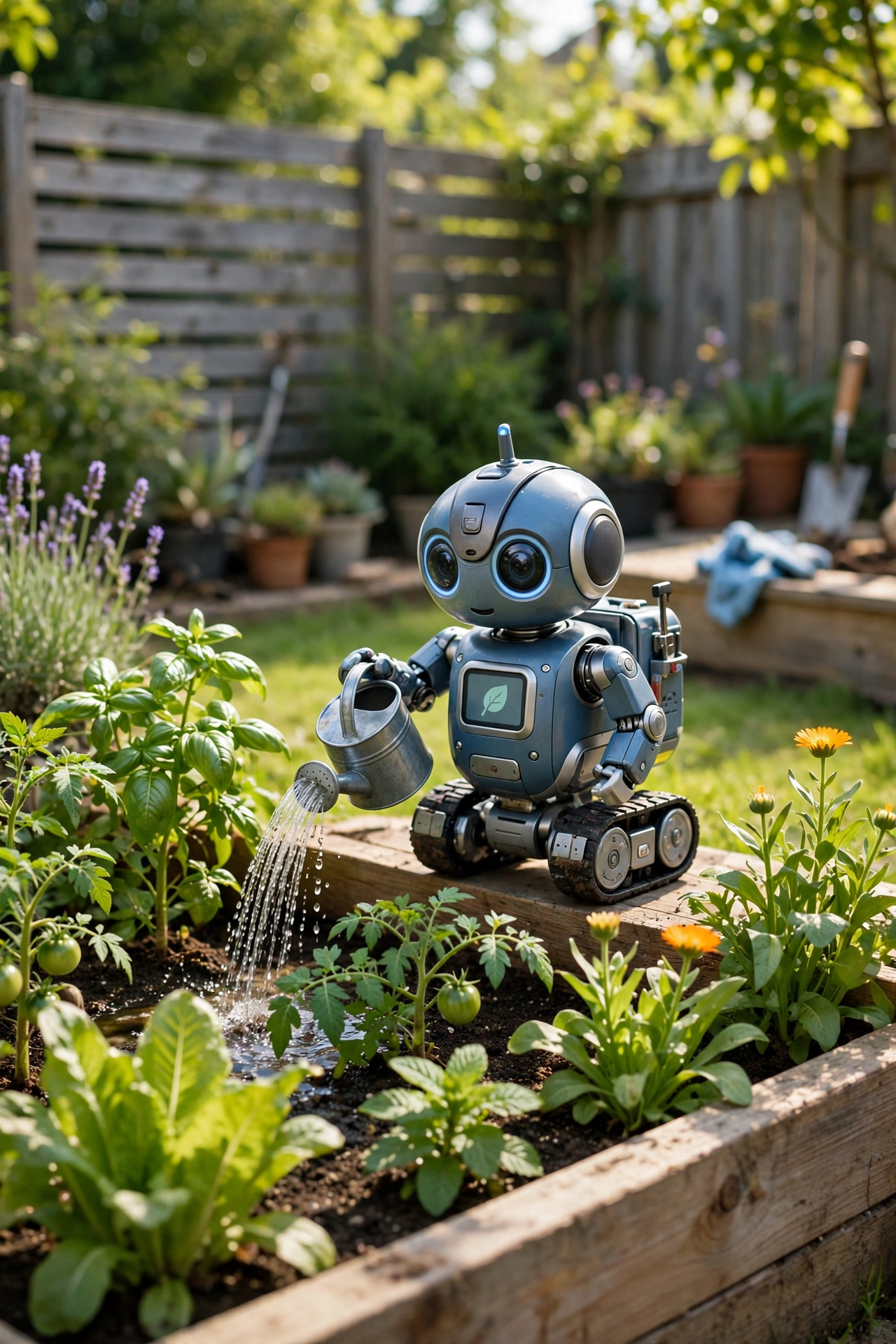
A small robot is left in charge of a garden for one summer, with instructions to water, weed, and watch. The robot learns slowly: too much water one week, too little shade the next, and one plant that thrives for no clear reason. A neighbor starts leaving notes, and the robot starts leaving replies in the soil with stones. The prompt suits a gentle science fiction story about care, patience, and learning by doing. It needs no villain, only a season and a garden.
Try this: track the garden week by week, and let one plant’s fate carry the story’s feeling.
Cost: $| Difficulty: Easy | Time: 20 minutes.
28. A poem built only from phrases overheard in one day
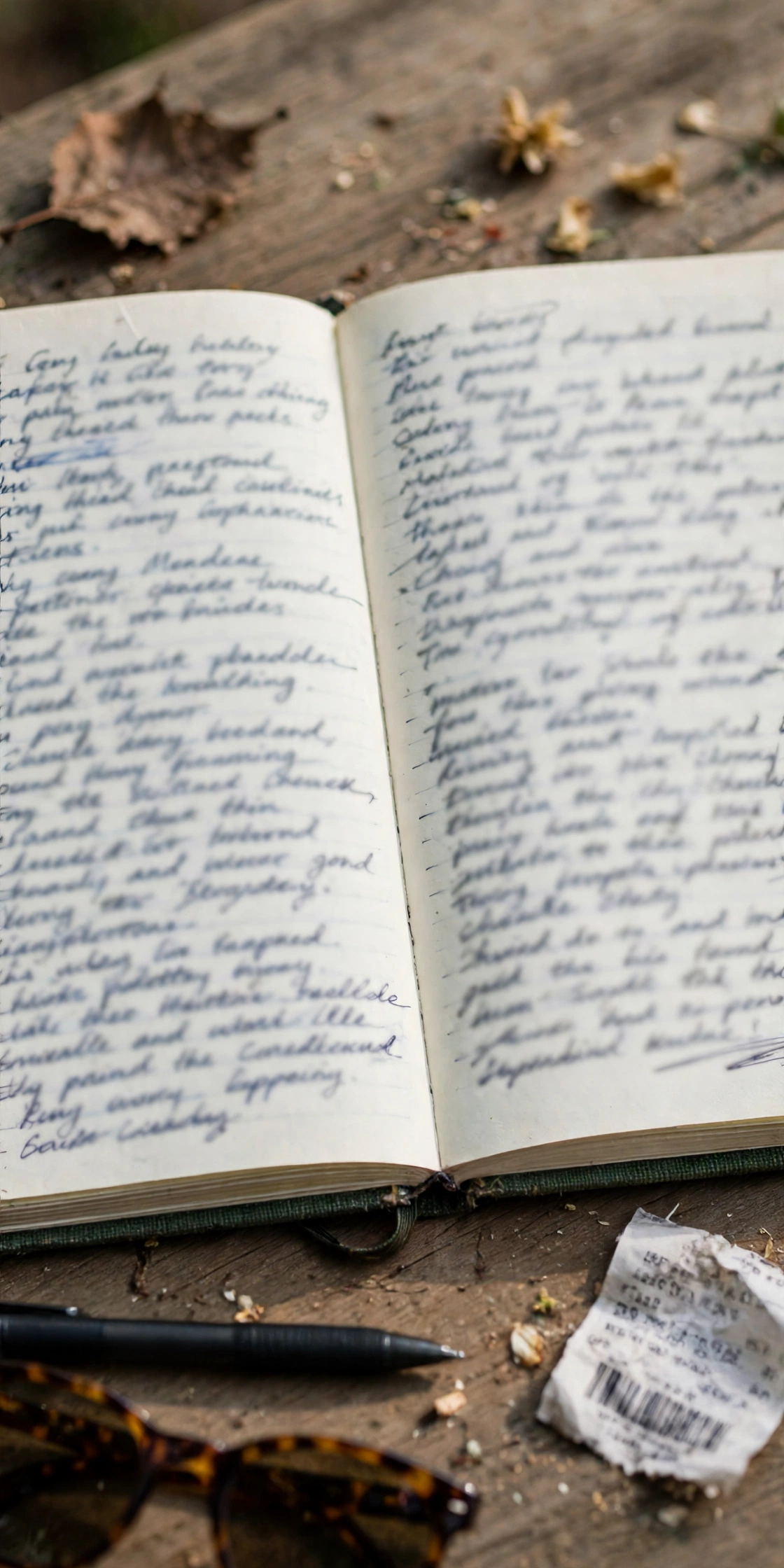
Spend one day collecting phrases you overhear: at a store, on a bus, in a waiting room. At night, build a poem using only those phrases, in any order, with no added lines except a title. The prompt trains the ear, because overheard speech has rhythm and gaps that written lines often lack. It suits a poetry exercise, a classroom task, or a journal page. Keep the phrases exact, even when they sound odd, since the oddness is the point.
Try this: collect at least twelve phrases before you start arranging, so the poem has room to surprise you.
Cost: $| Difficulty: Easy | Time: 30 minutes.
29. A thank-you note to a stranger who changed your route
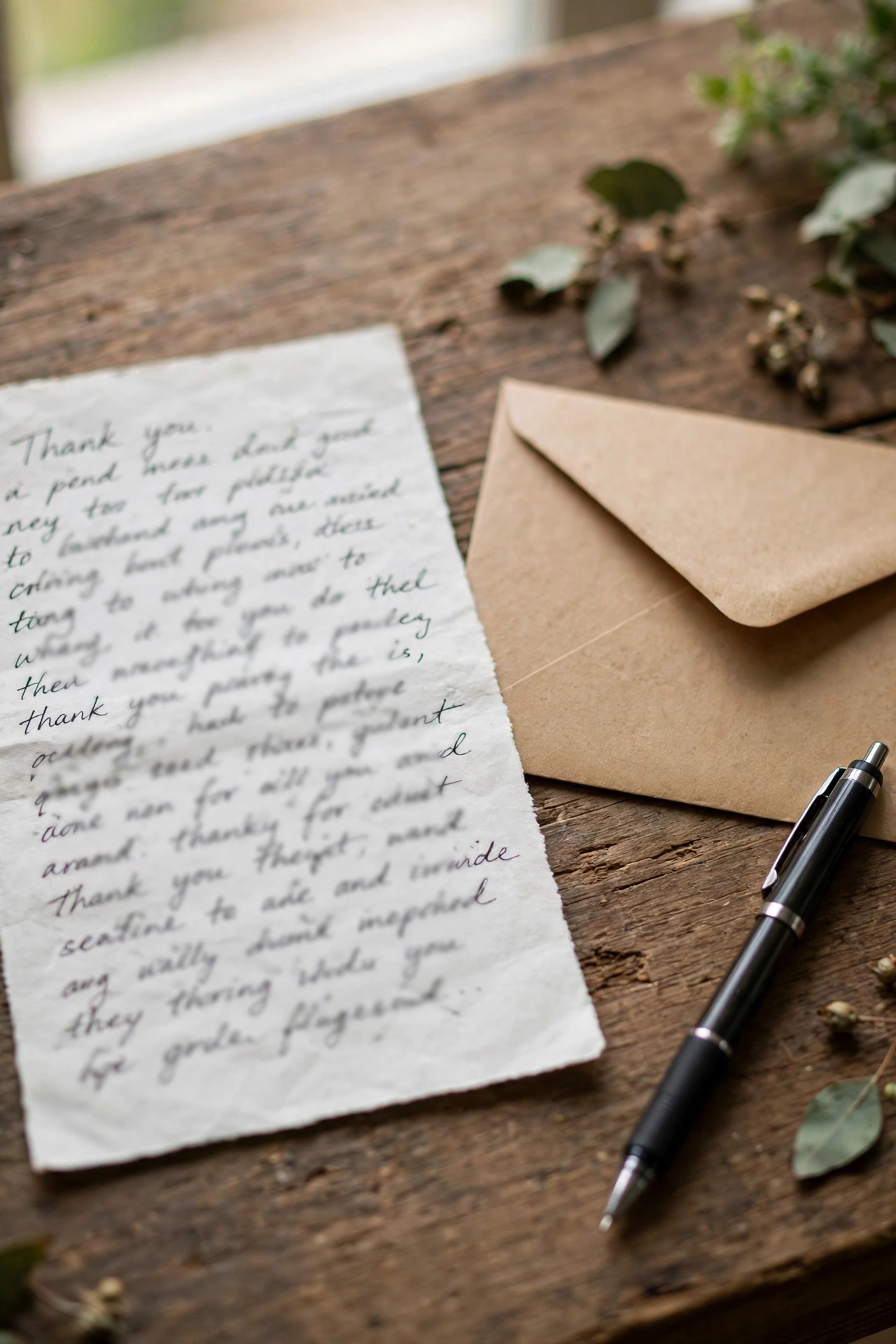
Write a thank-you note to a stranger who changed your route, even in a small way. A driver who waited, a clerk who gave directions, a neighbor who held a door on a bad day: the note names what happened and what changed after it. The prompt suits a journal entry, a letter, or the start of a story about kindness that ripples outward. It asks for one concrete scene, not a general feeling, and it often reminds the writer of a second stranger worth thanking.
Try this: name the exact place and the exact words, if you remember them, before you write about the feeling.
Cost: $| Difficulty: Easy | Time: 15 minutes.
30. A weather report for a town where feelings set the forecast

In one town, the weather follows feelings instead of fronts. A wedding brings sun, a funeral brings rain, and a town argument brews a storm that stalls over Main Street. Your character reads the forecast each morning like a mood report and plans the day around it. The prompt gives you a world with one clear rule and a daily ritual to write from. It suits a light fantasy, a comedy, or a story about a town learning to talk about hard feelings.
Try this: write one week’s forecast as five short entries, then write the day the forecast gets it wrong.
Cost: $| Difficulty: Easy | Time: 20 minutes.
Compare the writing prompts
| Prompt type | Best for | Time | Difficulty |
|---|---|---|---|
| Story starters (1-5) | A fast first scene | 15-25 minutes | Easy to Medium |
| Character twists (6-10) | Building a person | 20 minutes | Easy |
| What-if worlds (11-14) | Fantasy and worldbuilding | 15-25 minutes | Easy to Medium |
| Mystery and suspense (15-16) | A puzzle with clues | 20-25 minutes | Easy to Medium |
| Dialogue and structure (17-20) | Skill practice | 20-30 minutes | Medium |
| Journaling and reflective (21-25, 29) | Nonfiction and memory | 15-25 minutes | Easy to Medium |
| Funny and gentle (26-27, 30) | Kids and light stories | 15-20 minutes | Easy |
| Poetry and letters (28) | Short forms | 30 minutes | Easy |
How to pick the right prompt
Match the prompt to your time and mood, not to your skill level. A tired evening suits a 15-minute journaling prompt, while a free morning suits a backward story or a dialogue game. If you have only ten minutes, pick a prompt with one scene and one character, and stop when the timer rings.
For writers who also like to sketch their scenes, these easy steps to start art journaling show how to pair short written pages with quick visual pages.
To keep a daily prompt habit on track, a simple layout from these bullet journal design ideas can hold your streak, your prompt list, and your word counts in one spread.
Writers who collect prompts on loose paper can bind them into one book with these amazing binding junk journal ideas, so the prompts stay together instead of scattering across the desk.
When a prompt still feels stuck, freewriting helps: the University of North Carolina Writing Center explains how to freewrite without judging the first draft, by setting a timer and writing without stopping. For a bigger push, Clark University’s library guide to National Novel Writing Month lists idea generators and planning guides that turn one prompt into a longer project.
Mistakes that stall a story
The most common stall is planning the whole story before writing a single scene. A prompt needs one scene, not a full plot, and the plot can grow from what the scene teaches you. Another stall is picking a prompt you admire but do not want to write; admiration is not the same as interest, and interest carries a draft further.
Editing mid-draft also stalls stories. If you fix each sentence as you write it, the draft never reaches the part where the story turns. Write the scene first, then revise, and keep the two jobs in separate passes.
Frequently asked questions
How long should I write from one prompt?
Start with 15 to 30 minutes, which matches the times listed with each prompt in this article. A short timed session beats a long open-ended one for most writers, because a deadline keeps the inner critic quiet. If the draft is still moving when the timer rings, keep going, but treat the extra time as a bonus, not a rule.
Can I change a prompt if it does not fit my story?
Yes, change any part of a prompt: the setting, the character, the stakes, or the ending. Prompts are starting points, not assignments, and a changed prompt still counts as using the prompt. Many writers keep the core twist and swap everything else, which is often how a generic idea turns into a personal story.
Are writing prompts only for fiction writers?
No, journaling prompts, letter prompts, and list prompts in this article need no fiction at all. They work for memoir, personal essays, classroom writing, and daily journaling. Fiction prompts also help nonfiction writers practice scene, dialogue, and point of view, which carry over into any kind of writing.
How do I pick a prompt when I feel stuck?
Pick by time first, then by type: choose the shortest prompt in the type you like least, and set a timer for 15 minutes. A small constraint often breaks a block faster than a wide-open choice, because it removes the decision about what to write. If the first prompt fails after 15 minutes, switch to another one without guilt.
Can kids use these prompts?
Yes, most of these prompts suit kids with a little help, especially the dragon, the robot garden, the twins, and the 100-word tale. Younger writers can answer a prompt in a few sentences instead of a full scene, and drawing the scene first often helps. Adults can read the prompt aloud and let the child tell the story before writing it down.
Final thoughts
Pick one prompt from this list tonight, set a timer, and write until it rings. The draft may stay rough, and that is fine, since a rough draft beats a blank page every time.

Turn those prompts into a whole night of it: these 13 fun all nighter activities to do by yourself include late-night journaling, movie marathons, and midnight baking.