



Some vegetables grow better with the right neighbors. Basil planted beside tomatoes confuses the pests that target tomatoes. Onions next to carrots send carrot flies packing. Pair the right plants and the whole bed does better with less work from you.
These 15 companion planting vegetables ideas are proven pairings you can use this season: pest-repelling combos, space-sharing tricks, and the classic Three Sisters trio. Each one tells you why it works and how to plant it, so you can sketch your bed layout with confidence.
Quick takeaways
- Pair strong-scented herbs and flowers with pest-prone vegetables to confuse insects.
- Match plants with different root depths and heights so they share space instead of competing.
- Legumes like beans and peas add nitrogen that hungry neighbors like corn will use.
- Keep bad neighbors apart: fennel stunts most vegetables, and onions slow down beans and peas.
- Companions still need proper spacing, water, and sun: pairing is a boost, not a shortcut.
1. Tomatoes and basil
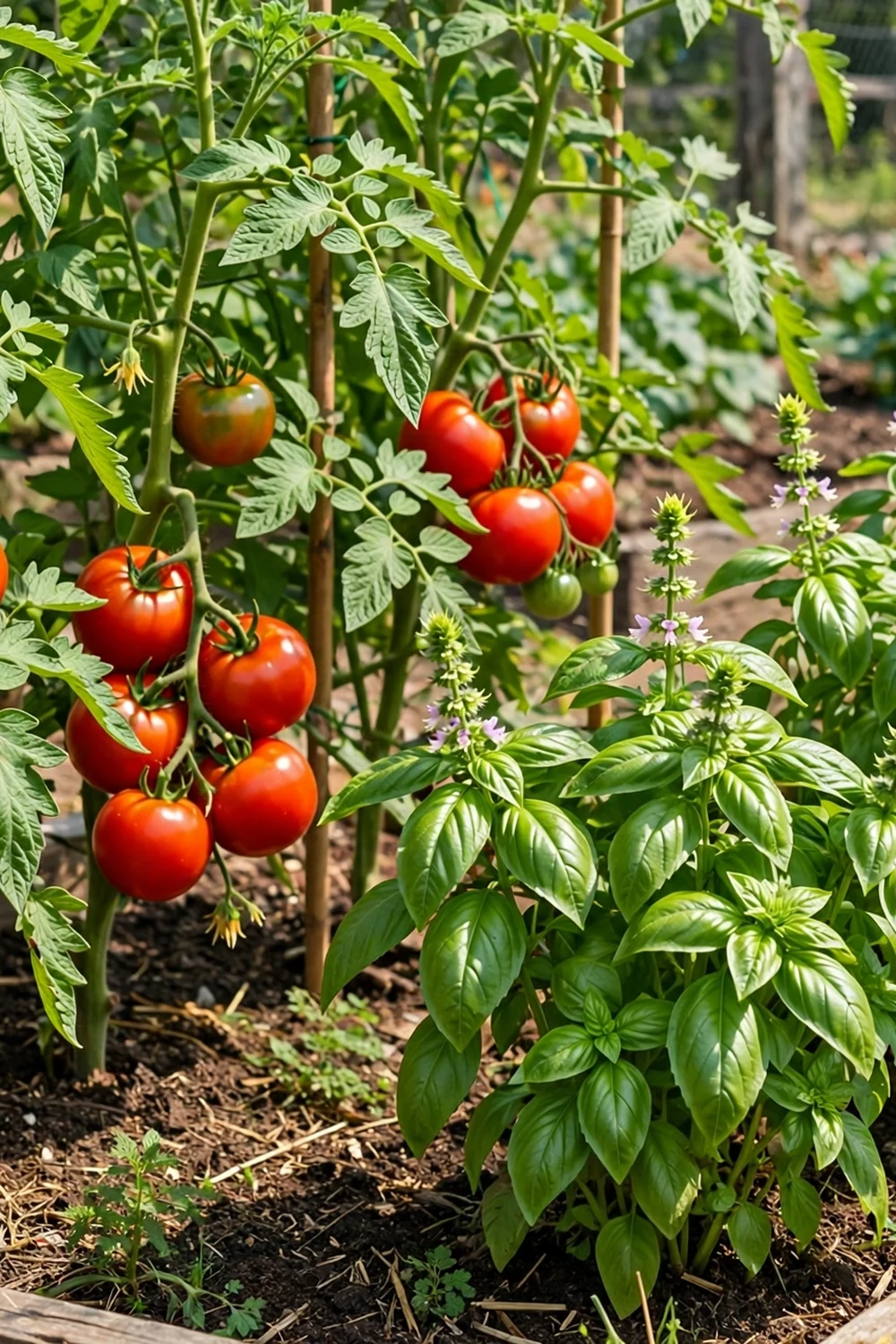
The most famous pairing in the garden, and it works. Basil’s strong scent masks tomatoes from thrips and flies, and the basil appreciates the light shade the tomato plants throw in hot afternoons. Plant one basil per tomato, about 12 inches from the stem, after the tomato is established. Both want full sun and steady water, so their needs line up perfectly.
Try this: pinch basil flowers off all season so the plant keeps making leaves instead of seeds. Spacing: 12 inches apart. Difficulty: easy.
2. Carrots and onions

Onion scent repels carrot flies, the tiny pests that ruin carrot roots, while carrots return the favor by discouraging onion flies. Alternate the rows about six inches apart so the scents mingle. Both are shallow-rooted and undemanding, which makes this one of the lowest-maintenance pairings on the list.
Try this: sow a row of onions for every two rows of carrots to keep the balance right. Spacing: 6 inches between rows. Difficulty: easy.
3. The Three Sisters trio
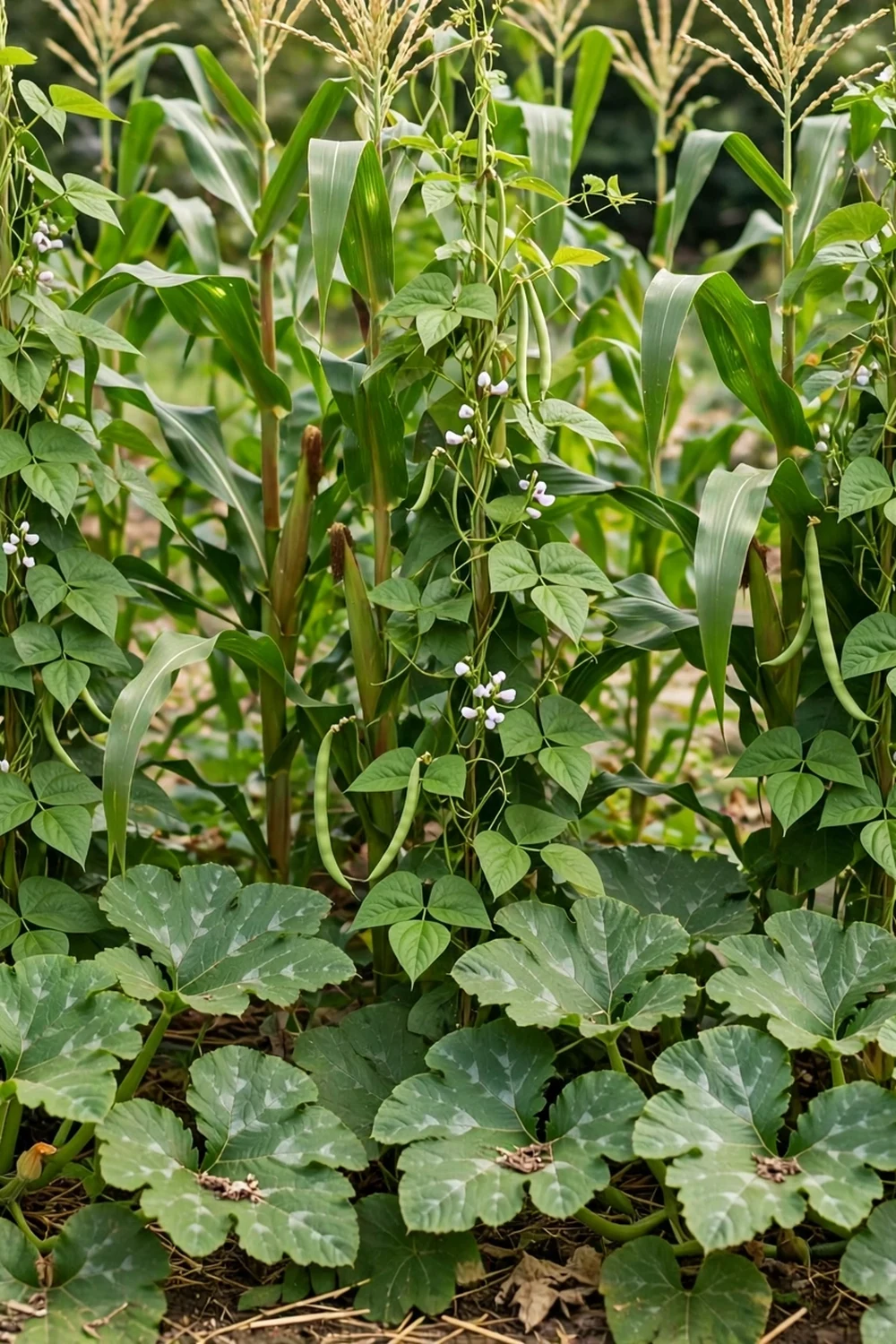
Corn, pole beans, and squash are the classic Indigenous companion planting: corn gives beans a living trellis, beans fix nitrogen the corn feeds on, and broad squash leaves shade the soil to hold moisture and block weeds. Plant corn first in a block, add beans when stalks are six inches tall, then tuck squash around the outside. Give each mound about three feet of space.
Try this: use a sturdy sweet corn variety, since the stalks carry real weight once beans climb. Spacing: 3 feet between mounds. Difficulty: moderate.
4. Cucumbers and nasturtiums
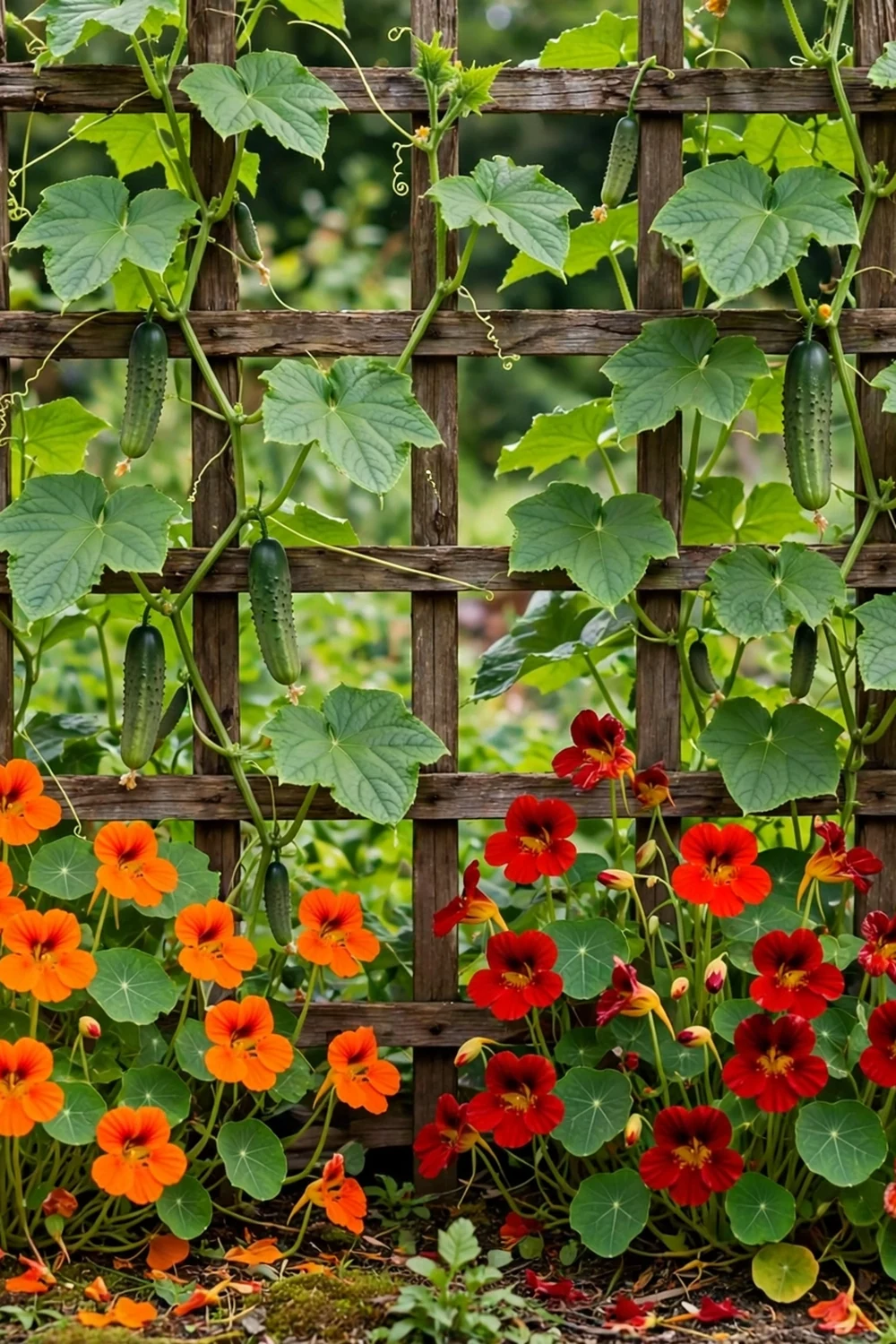
Nasturtiums act as a trap crop for aphids, drawing them away from cucumber vines, and their bright flowers pull in pollinators the cucumbers need. Sow nasturtiums at the base of the trellis a week before the cucumbers go in. They also make a pretty living mulch that shades cucumber roots.
Try this: let a few nasturtiums self-seed at season end for free plants next year. Spacing: at the trellis base. Difficulty: easy.
5. Cabbage and dill
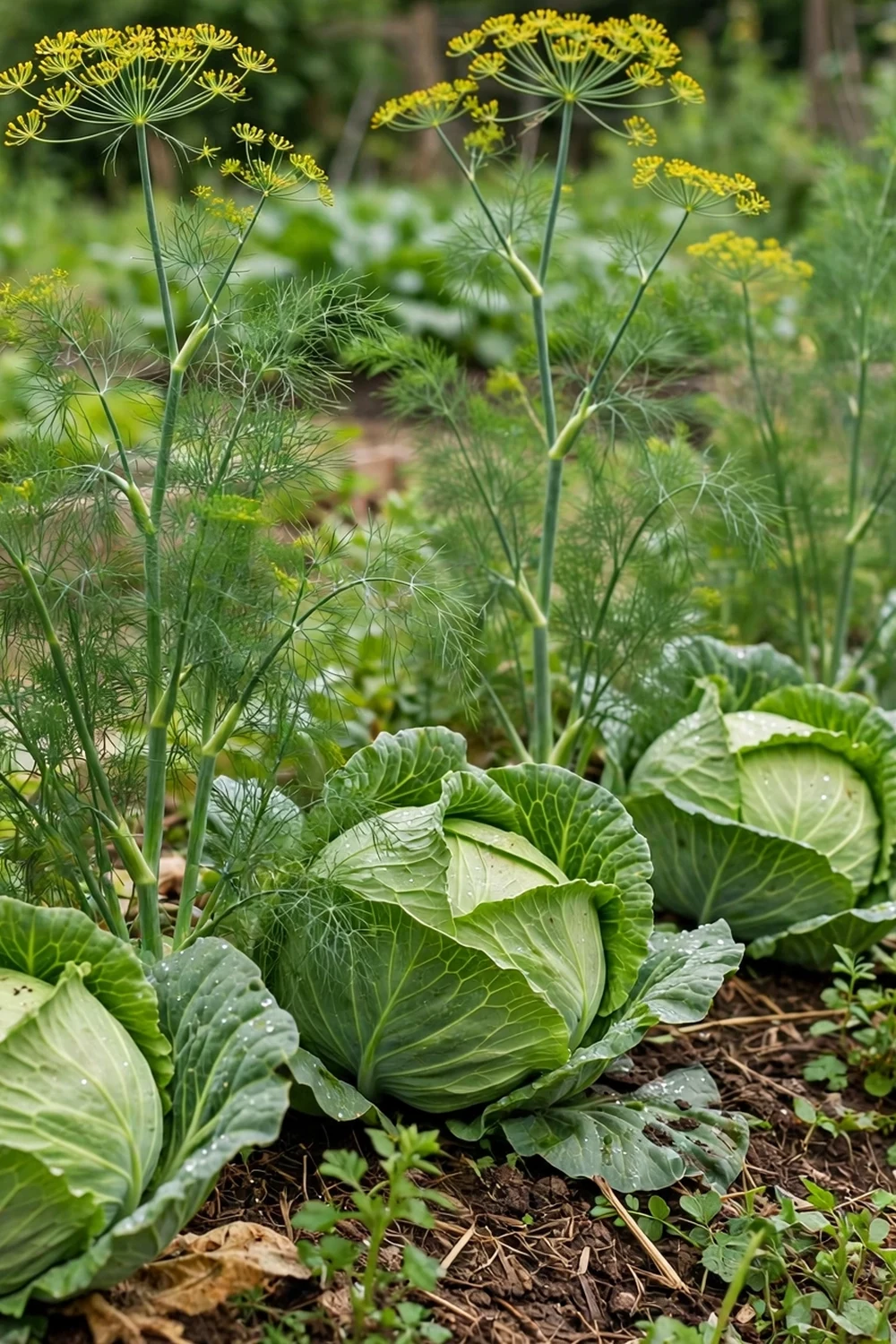
Dill flowers attract tiny parasitic wasps and ladybugs that prey on cabbage worms and aphids. Plant dill every few feet down the brassica row and let some of it flower. One caution: do not plant dill near carrots, since the two are related and can cross or stunt each other. Keep this pairing in the brassica bed only.
Try this: succession-sow dill every three weeks so flowers are always present. Spacing: every 3 to 4 feet in the row. Difficulty: easy.
6. Lettuce and radishes
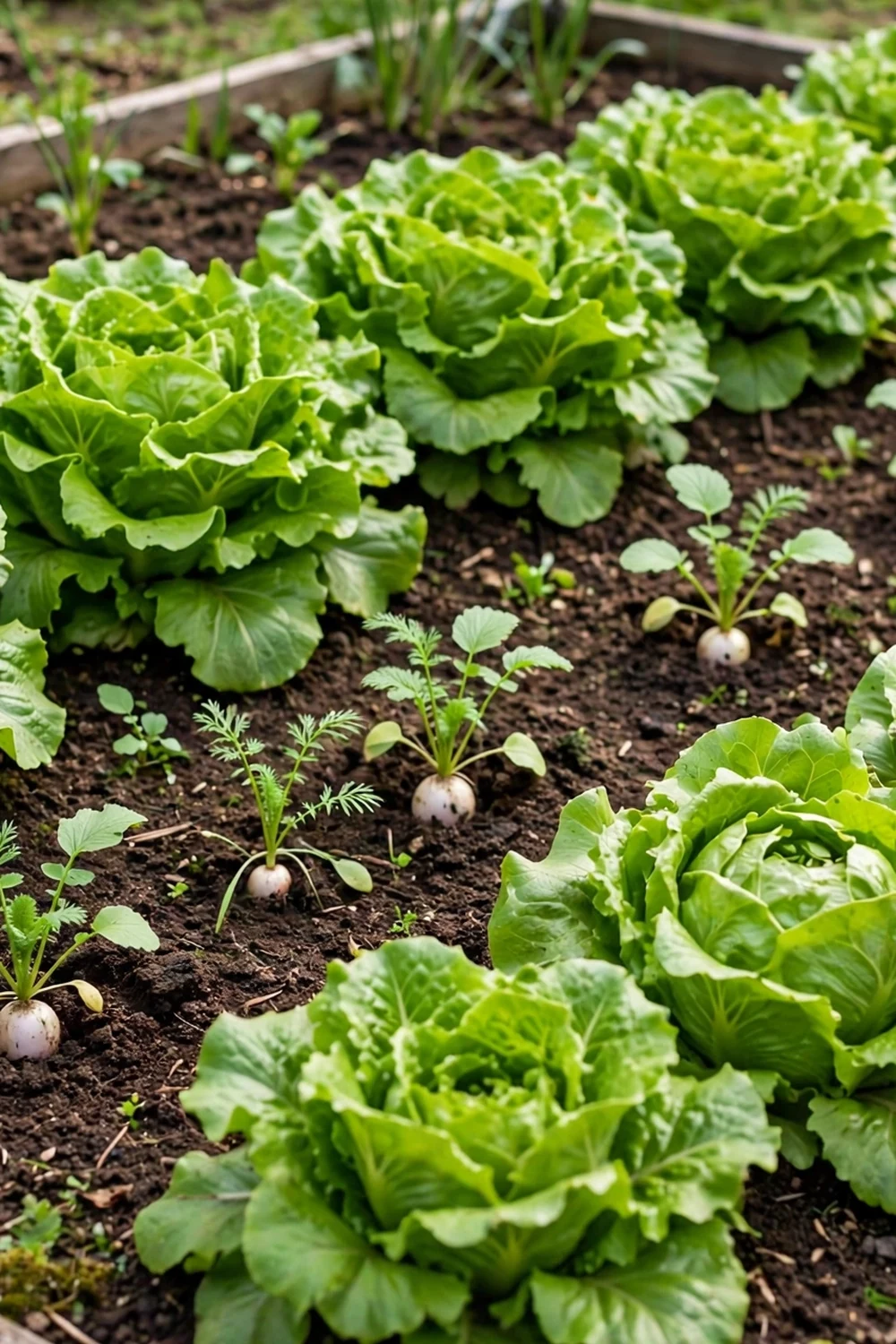
Radishes sprout in days and mark the row while slow lettuce germinates, and they are harvested long before lettuce needs the space. Sow radish seeds between lettuce rows and pull the radishes in about 30 days. The radish tops also give young lettuce a little shade in the first hot weeks.
Try this: use the radish harvest as your thinning: pull every other one early for baby radishes. Spacing: between lettuce rows. Difficulty: easy.
7. Peppers and marigolds
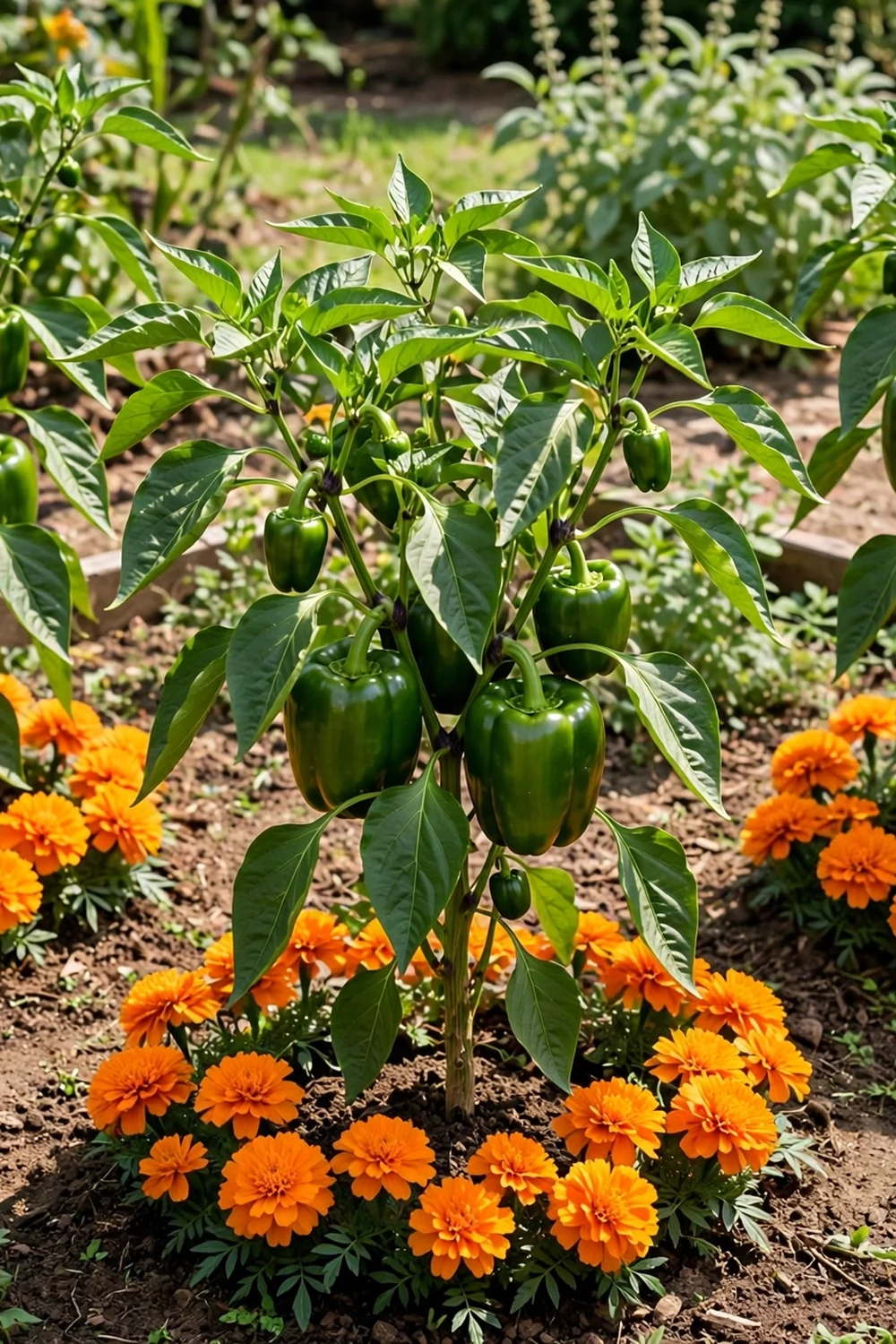
French marigolds release compounds from their roots that suppress nematodes in the soil, which helps peppers and tomatoes both. Ring each pepper plant with three or four marigolds about eight inches out. Deadhead the marigolds through summer and they will bloom until frost, feeding pollinators the whole time.
Try this: choose French marigolds over African types for the strongest root effect. Spacing: 8 inches from the pepper stem. Difficulty: easy.
8. Spinach and strawberries
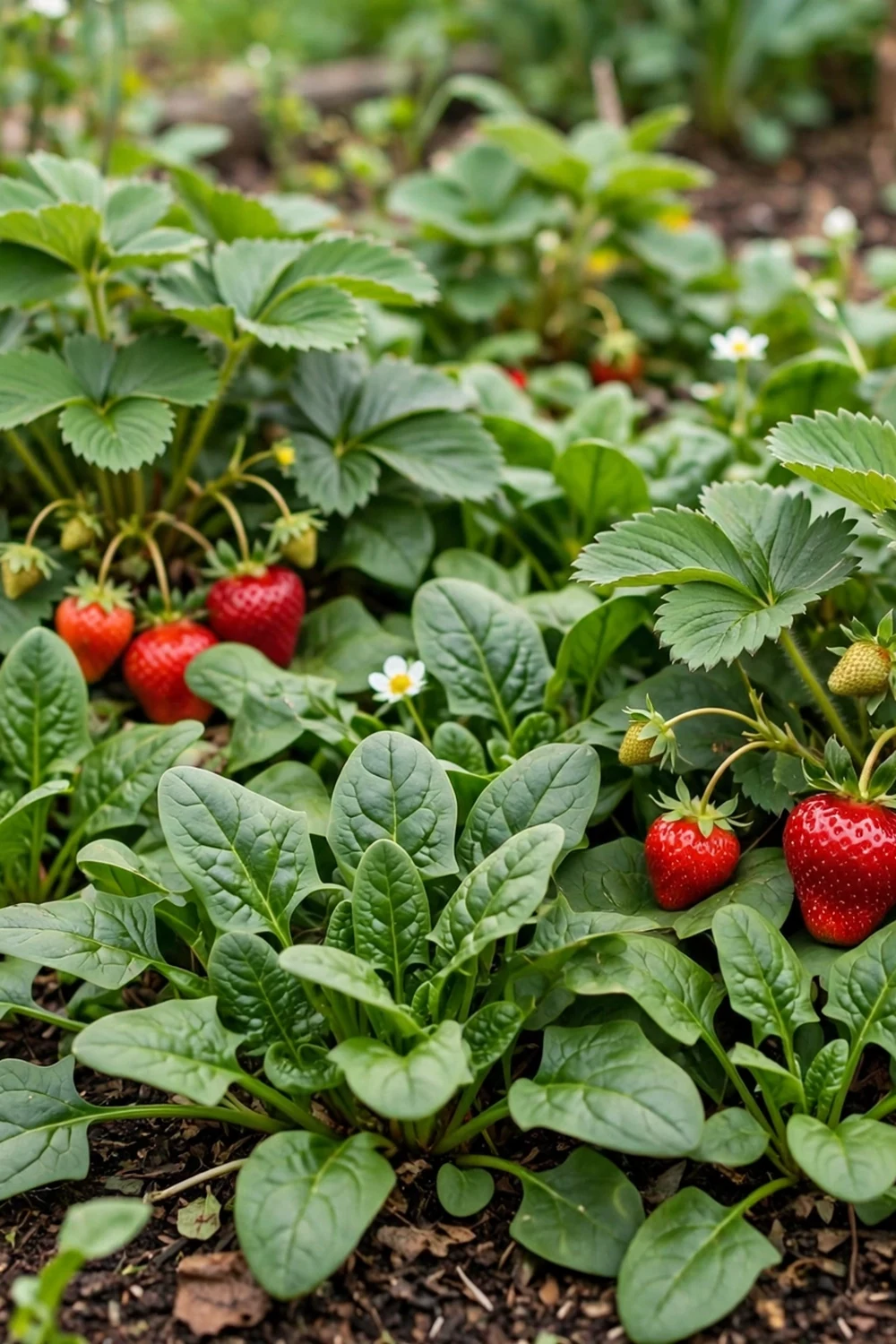
Spinach makes a living mulch under strawberries: its leaves shade the soil, keep berries off the dirt, and are harvested before the strawberry plants need full space. Sow spinach between strawberry rows in early spring. By the time berries ripen, the spinach is done and the strawberry crowns take over the bed.
Try this: cut spinach at the base instead of pulling it, so the roots feed the soil as they break down. Spacing: between strawberry rows. Difficulty: easy.
9. Beans and corn

Pole beans climb corn stalks without any trellis to build, and their root nodules add nitrogen the hungry corn uses. Plant the beans when the corn is about six inches tall so the stalks are strong enough to hold the vines. One bean plant per stalk is plenty: more than that and the weight bends the corn.
Try this: plant corn in a block, not a single row, so stalks support each other in wind. Spacing: 1 bean per stalk. Difficulty: easy.
10. Kale and garlic
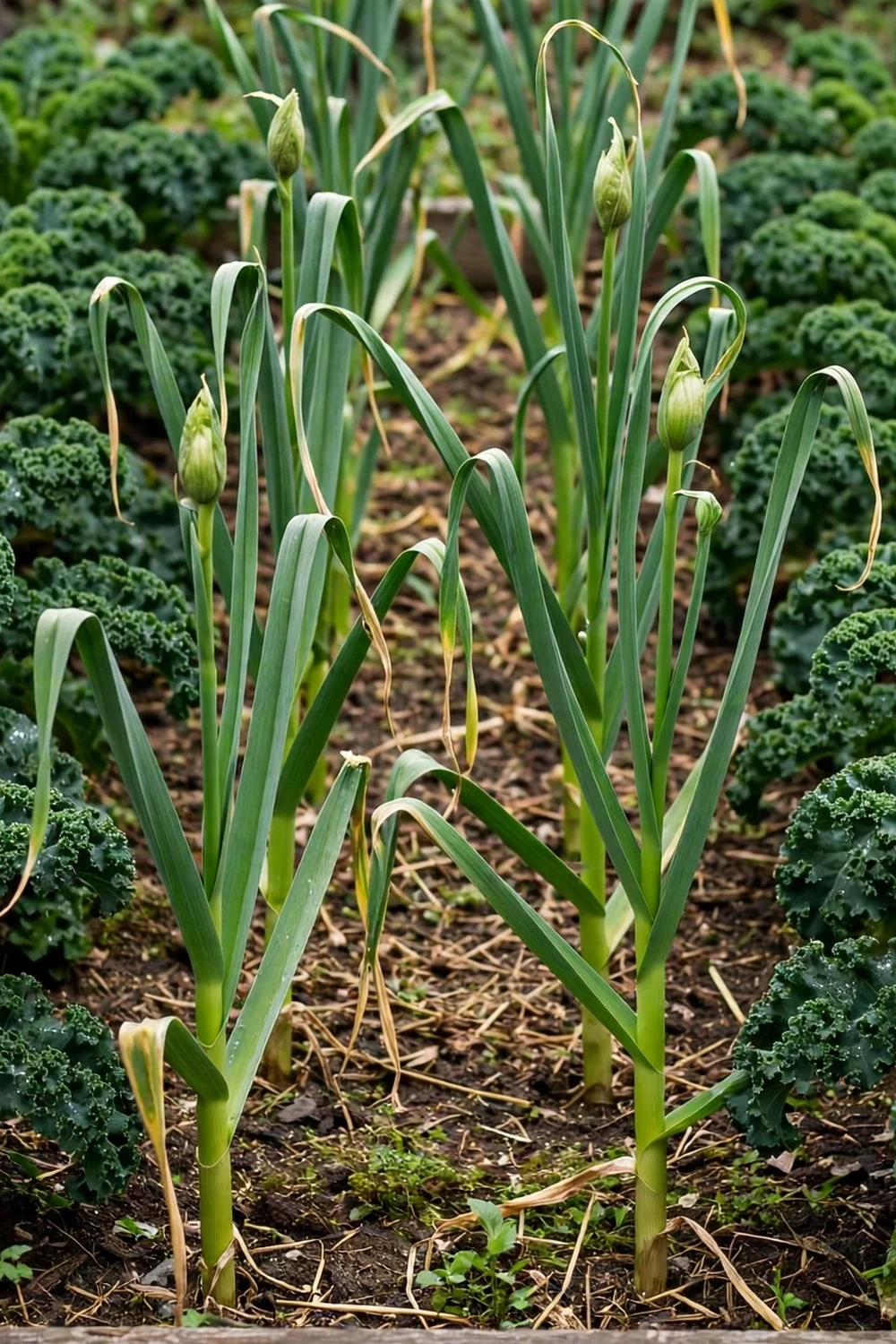
Garlic’s pungent oils deter the aphids and flea beetles that chew kale leaves. Plant garlic cloves between kale rows in fall for a spring harvest, or tuck spring garlic in around established kale. The garlic is harvested in midsummer, right when kale hits its stride, so the timing works out neatly.
Try this: leave a few garlic scapes to curl: snip and eat them, and the plant keeps growing. Spacing: 6 inches apart. Difficulty: easy.
11. Peas and carrots
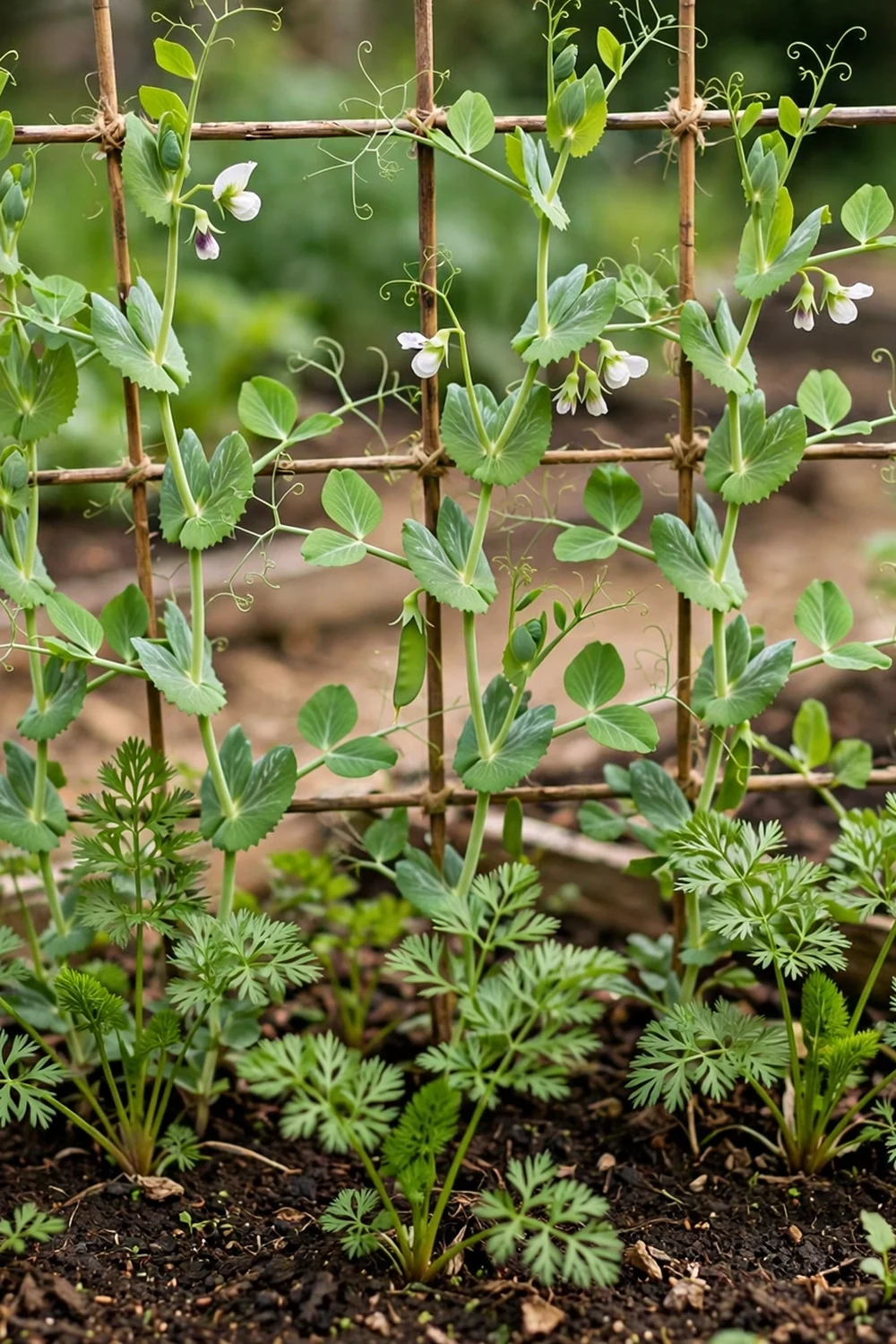
Peas climb a trellis while carrots use the soil below, so the two share one footprint without competing. Peas also fix nitrogen that carrots appreciate. Sow carrots under the pea trellis in early spring and harvest the peas by early summer, leaving the carrots to size up in the freed light.
Try this: pick peas every two days once they start: regular picking doubles the yield. Spacing: carrots under the trellis. Difficulty: easy.
12. Beets and garlic
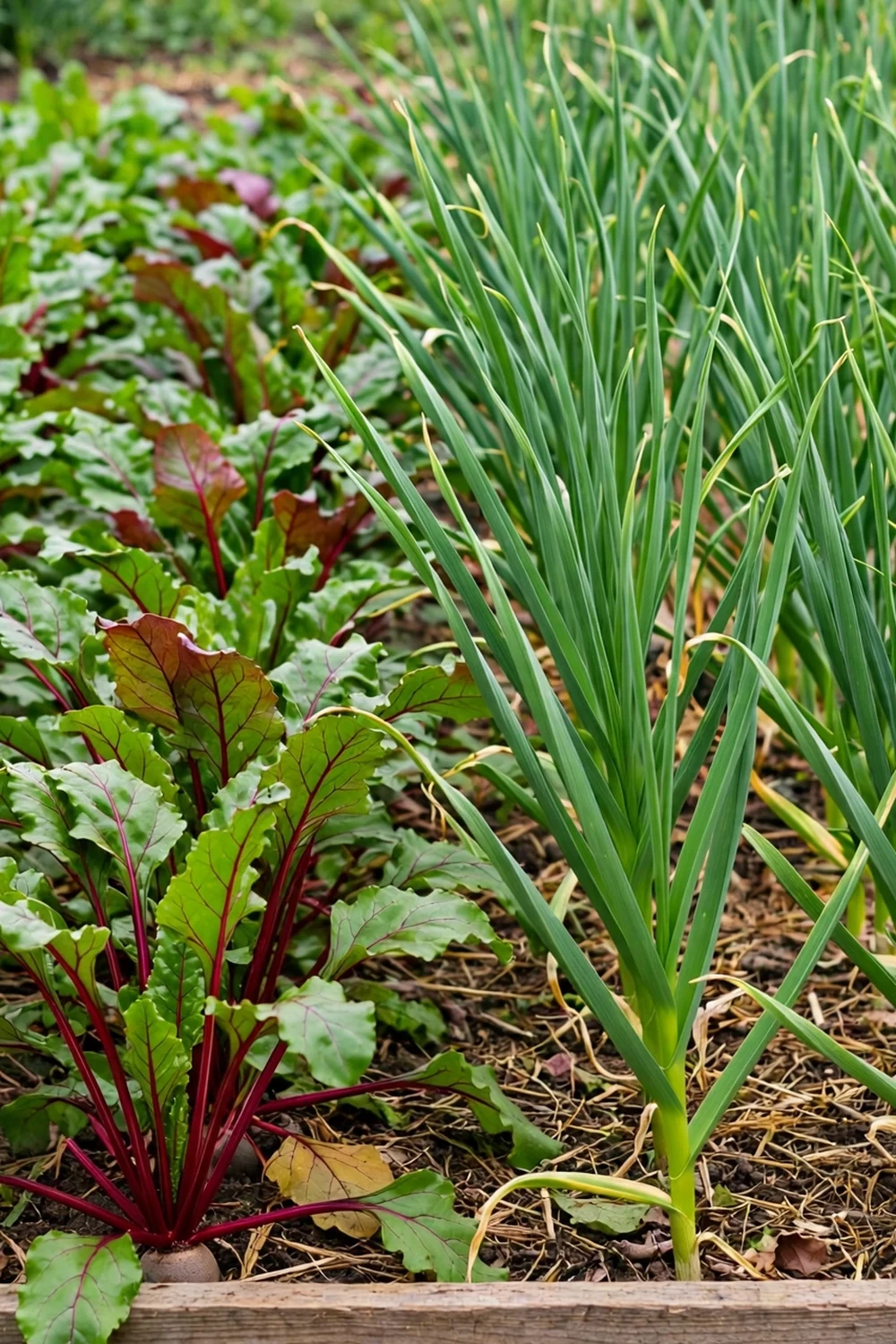
Garlic improves beet growth and flavor while repelling the leaf miners that tunnel through beet leaves. Plant garlic cloves along the beet rows in fall, about four inches from the beet line. Both crops are undemanding about soil, and the garlic harvest in summer opens space for a second beet sowing.
Try this: mulch the row with straw after planting garlic to keep both crops evenly moist. Spacing: 4 inches between rows. Difficulty: easy.
13. Broccoli and rosemary
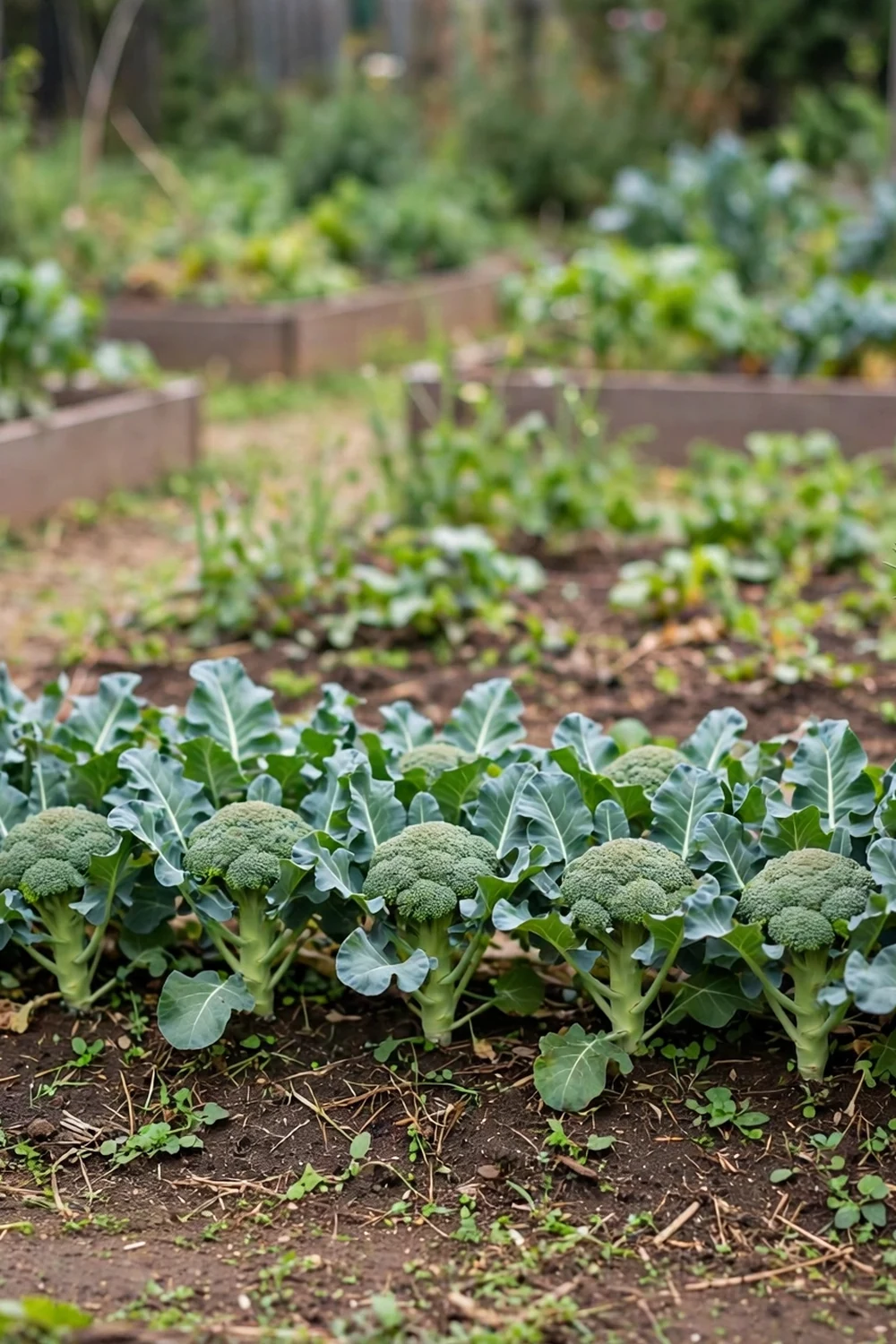
Rosemary’s strong scent confuses cabbage moths looking for broccoli, cabbage, and kale. Plant woody rosemary bushes at the ends of brassica rows where they will not shade the crop. In warm climates rosemary is perennial and gets bigger every year, which makes this a plant-once pairing.
Try this: brush the rosemary when you walk past: crushed leaves release more of the scent that deters moths. Spacing: at row ends. Difficulty: easy.
14. Carrots and chives
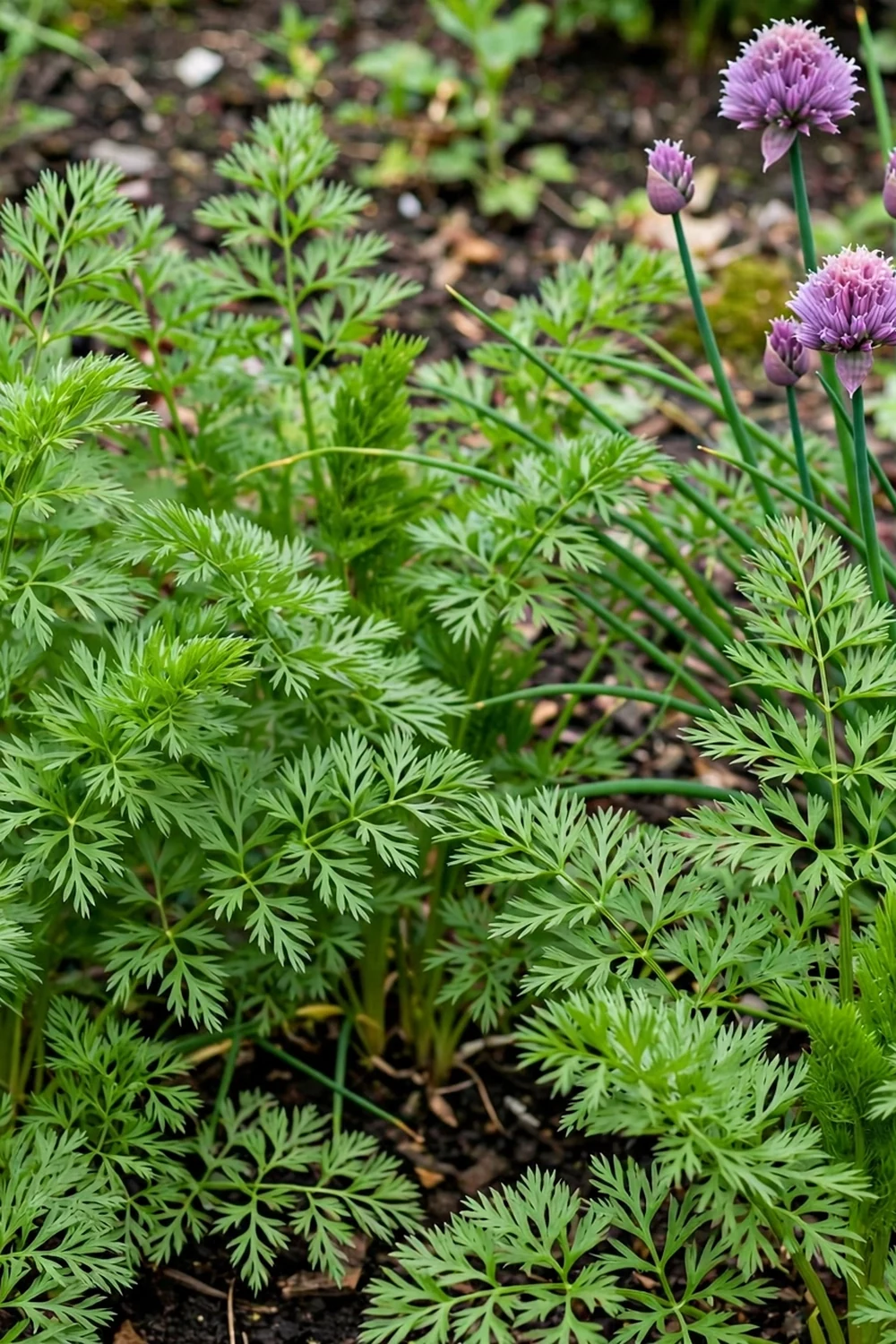
Chives repel aphids and their purple pom-pom flowers attract hoverflies, whose larvae eat even more aphids. Plant a clump of chives at the end of each carrot row and let some of it bloom. Chives are perennial, so this pairing gets stronger every year with zero replanting.
Try this: divide the chive clump every third spring and spread it to more rows for free. Spacing: clump at row ends. Difficulty: easy.
15. Squash and marigolds
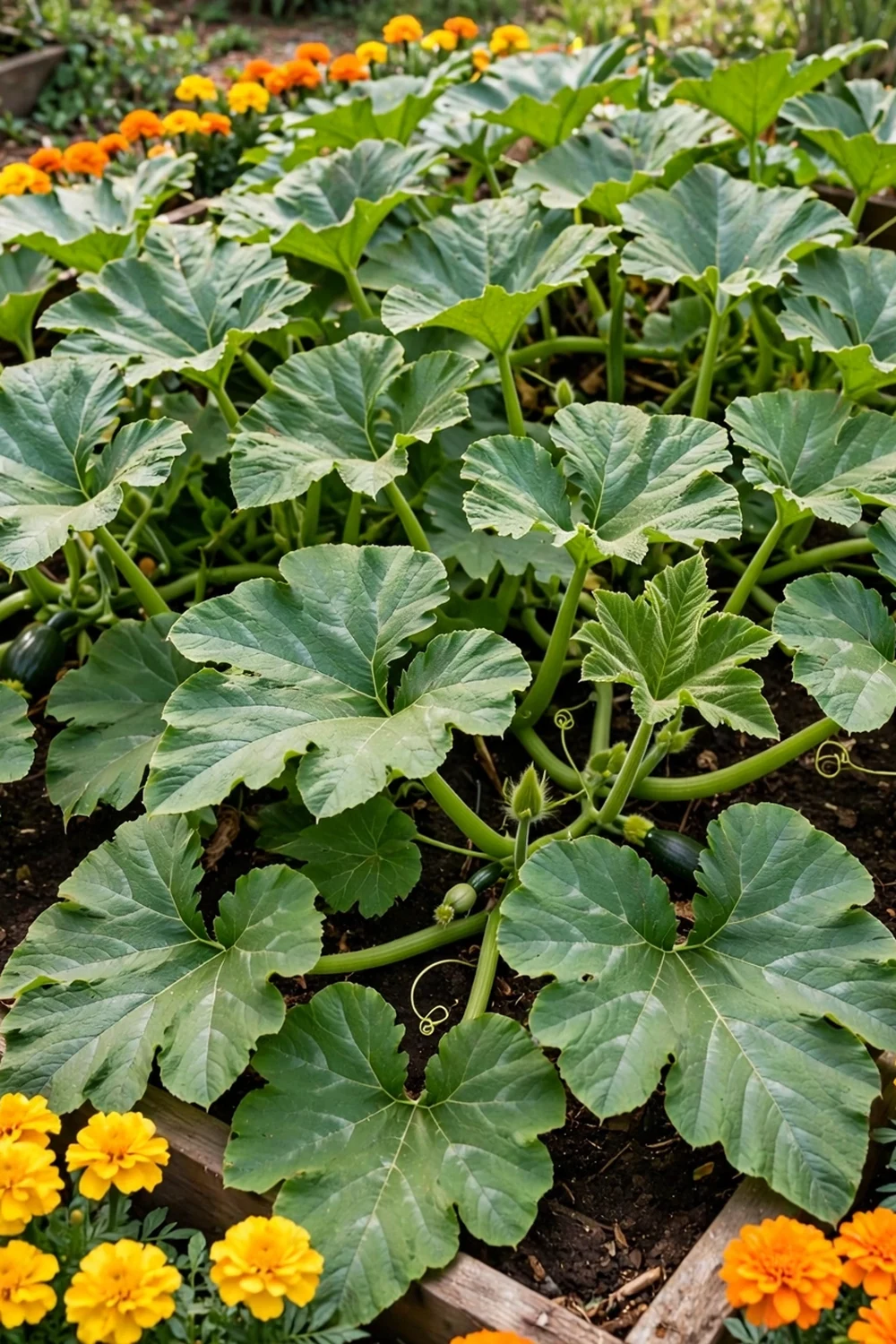
Ringing squash beds with marigolds gives you the nematode-suppressing root effect plus a pollinator magnet right where squash needs bees. Squash flowers only open for a morning, so having pollinators already in the bed matters. Plant the marigold ring about a foot out from the squash stems so the big leaves have room to spread.
Try this: pick a short marigold variety so flowers stay visible under the squash canopy. Spacing: 12 inches from stems. Difficulty: easy.
How to plan your companion layout
List the vegetables you want to grow, then group them by family and habit before you draw a single row. Put tall plants where they will not shade short sun-lovers, tuck scented herbs and flowers among pest-prone crops, and keep the known enemies apart. Sketch the bed on paper first: it takes ten minutes and saves a season of regrets.
Garden safety and smart habits
Companion planting reduces pest pressure but does not replace good garden habits. Rotate plant families to a new bed each year to break disease cycles, and give every plant its recommended spacing: overcrowded companions compete for light and water just like strangers do. Michigan State University Extension reminds gardeners to match root depths and consider which plants dislike each other, like beans with onions. Read their companion planting tips when planning your layout. Wash all produce before eating, wear gloves when handling compost or soil amendments, and keep mint and other spreaders in pots so they never escape into the bed.
For a printable layout reference, see 12 Companion Planting Charts for Raised Beds. If you are starting your first vegetable bed, browse 15 Beginner Friendly Raised Vegetable Garden Ideas for bed setup basics.
Frequently asked questions
What is companion planting for vegetables?
Companion planting means growing specific vegetables, herbs, and flowers together so they help each other: repelling pests, attracting pollinators, sharing space, or improving the soil. It works best as part of a diverse garden with good soil and proper spacing, not as a single magic fix.
What are the best companion plants for tomatoes?
Basil, marigolds, and carrots are the classic tomato companions. Basil confuses tomato pests, marigolds suppress soil nematodes, and carrots use the space below without competing. Keep tomatoes away from potatoes and corn, which share diseases and pests.
What vegetables should not be planted next to each other?
Keep fennel away from almost everything, since it stunts nearby plants. Separate onions and garlic from beans and peas, keep tomatoes away from potatoes, and give mint its own pot instead of bed space. Members of the same family should also rotate beds each year.
Does companion planting really work?
It helps, but it is not a cure-all. Research supports specific effects like trap cropping and beneficial insect habitat, while flavor-improvement claims are mostly traditional wisdom. Treat it as one tool alongside healthy soil, proper spacing, and crop rotation.
Can I use companion planting in containers?
Yes, as long as the container is big enough for both plants and their needs match. Tomatoes with basil, peppers with marigolds, and lettuce with radishes all work in pots. Make sure both plants want the same sun and water, and use a container at least 12 inches deep for pairs.
When should I plan my companion planting layout?
Plan in late winter before you buy seeds, so you can order the companions along with your main crops. Sketch the bed on paper, group plants by family, and note which pairs share a row. Early planning also lets you start slow crops like onions and peppers indoors on time.
Companion planting is the closest thing gardening has to teamwork. Pair the right plants, keep the wrong ones apart, and your beds will do more of the work themselves. Sketch the plan, plant the pairs, and watch the garden sort itself out.


