Skip to content
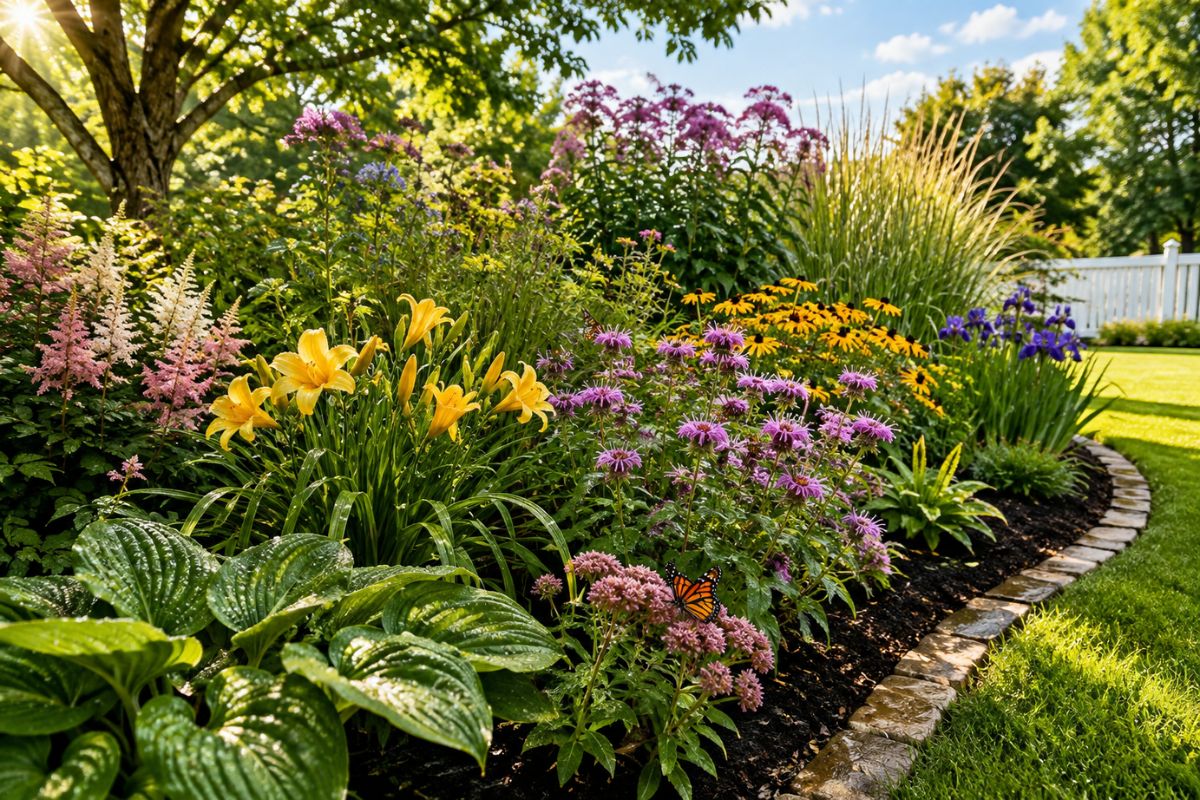

Growing a garden in heavy clay soil can be frustrating. You plant flowers with high hopes, but after every heavy rain, the ground stays wet for days. Some plants struggle to grow, others develop root problems, and a few never survive the season. If you have dealt with soggy soil and disappointing results, you are not alone. Many home gardeners face the same challenge and wonder if they will ever have a colorful, healthy garden.
After spending time researching trusted gardening resources and comparing the plants that perform best in heavy, moisture-rich soil, I found that success starts with choosing plants that naturally thrive in these conditions. You do not have to replace all of your clay soil or spend a lot of money fixing it. The best plants for clay soil with poor drainage are already adapted to wet, compact ground, making it much easier to create a beautiful, low-maintenance garden that returns year after year.
Why Some Plants Love Clay Soil
Clay soil is often seen as a problem, but it also has several benefits. It holds nutrients better than sandy soil and keeps moisture available for longer periods. The trick is choosing plants that enjoy these conditions instead of fighting against them.
Many native perennials, ornamental grasses, shrubs, and moisture-loving flowers naturally grow in heavy soils. Once they settle in, they often need less watering and less maintenance than plants that prefer dry ground.
How Wet Is Your Clay Soil?
Not all clay soil has the same drainage problem. Some areas stay damp for only a day after rain, while others remain wet for several days. Choosing plants based on how long the soil stays wet gives you a much better chance of success.
| Your Garden Condition | Best Plant Choices |
|---|---|
| Soil stays damp for 1–2 days | Daylily, Black-Eyed Susan, Bee Balm |
| Soil stays wet for several days | Swamp Milkweed, Ligularia, Cardinal Flower |
| Rain garden or low area | Sweet Flag, Marsh Marigold, Switchgrass |
| Damp shade | Hosta, Ferns, Astilbe |
This simple guide can help you narrow down the best options before you start planting.
Signs Your Soil Has Poor Drainage
You may have poor drainage if you notice these signs after heavy rain:
- Water stays on the surface for more than 24 hours.
- The soil feels sticky several days after rainfall.
- Plants often develop root rot.
- Grass grows poorly in low spots.
- Moss appears where grass or flowers should grow.
If you notice several of these signs, choosing plants that naturally enjoy moist soil will save you time and money.
How to Choose the Right Plant
Before buying new plants, think about the growing conditions in your yard.
Look at:
- How much sunlight the area receives.
- Whether the soil stays wet all year or only after rain.
- The mature height and spread of each plant.
- Your USDA hardiness zone.
- Whether you want flowers, colorful leaves, or year-round interest.
Choosing plants that match your yard will give you better results with less work.
Match Plants to Your Garden Goals
Every garden is different. This simple guide can help you choose plants that fit your space.
| If You Want… | Choose These Plants |
|---|---|
| More butterflies | Swamp Milkweed, Bee Balm, Joe-Pye Weed |
| More hummingbirds | Cardinal Flower, Bee Balm |
| Shade color | Hosta, Astilbe, Ferns |
| Year-round interest | Redtwig Dogwood, Switchgrass |
| Low-maintenance plants | Daylily, Black-Eyed Susan, Hosta |
Quick Comparison Table
| Plant | Sun Needs | Mature Height | Best Feature |
|---|---|---|---|
| Hosta | Partial to Full Shade | 1–3 ft | Lush foliage for shade |
| Daylily | Full Sun to Partial Shade | 1–4 ft | Long-lasting blooms |
| Bee Balm | Full Sun to Partial Shade | 2–4 ft | Attracts pollinators |
| Black-Eyed Susan | Full Sun | 2–3 ft | Bright summer flowers |
| Siberian Iris | Full Sun to Partial Shade | 2–4 ft | Elegant blooms for wet soil |
| Ligularia | Partial Shade | 3–5 ft | Bold foliage |
| Swamp Milkweed | Full Sun to Partial Shade | 3–5 ft | Monarch butterfly favorite |
| Joe-Pye Weed | Full Sun to Partial Shade | 4–7 ft | Tall pollinator plant |
| Cardinal Flower | Full Sun to Partial Shade | 2–4 ft | Brilliant red flowers |
| Astilbe | Partial Shade to Full Shade | 1–3 ft | Soft feathery blooms |
| Ferns | Partial Shade to Full Shade | 2–6 ft | Woodland texture |
| Canna Lily | Full Sun | 3–6 ft | Tropical look |
| Redtwig Dogwood | Full Sun to Partial Shade | 6–9 ft | Colorful winter stems |
| Sweet Flag | Full Sun to Partial Shade | 1–3 ft | Attractive grassy foliage |
| Marsh Marigold | Full Sun to Partial Shade | 1–2 ft | Early spring blooms |
| Switchgrass | Full Sun | 3–6 ft | Native ornamental grass |
Our Favorite Picks
Every plant in this guide was chosen because it grows well in heavy clay soil and handles poor drainage better than many common garden plants. These varieties also add colorful flowers, attractive foliage, or year-round beauty while needing very little maintenance once established.
What Makes These Plants Great for Clay Soil?
These plants share several qualities that help them grow where many others struggle.
- Strong root systems that handle compact soil.
- Good tolerance for wet conditions.
- Reliable growth in heavy clay.
- Easy care for beginners.
- Beautiful flowers or attractive foliage.
- Great choices for pollinator-friendly gardens.
Hosta
Hostas are one of the easiest shade plants you can grow in heavy clay soil. Their large leaves create a full, lush look that fills empty spaces under trees and along shaded walkways. They come in beautiful shades of green, blue, and creamy white, making them attractive even when they are not blooming.
Hostas have strong root systems that enjoy steady moisture, making clay soil a great match. They grow best in partial to full shade where the leaves stay cool during hot afternoons.
Best for: Shady garden beds
Botanical Name: Hosta spp.
USDA Zones: 3 to 9
Sun Exposure: Partial shade to full shade
Bloom Season: Summer
Mature Height: 1 to 3 feet
Plant Type: Herbaceous perennial
Growing Tip: Add a layer of mulch around the plant to keep the soil cool and help reduce weeds.
Daylily
Daylilies are dependable perennials that grow well in many different conditions, including heavy clay soil. Their colorful trumpet-shaped flowers bloom over many weeks, adding bright color to borders and flower beds throughout summer.
Their thick, fleshy roots help them grow in dense soil where many flowering plants struggle. Once established, they need very little care and return every year.
Best for: Sunny flower beds
Botanical Name: Hemerocallis spp.
USDA Zones: 3 to 9
Sun Exposure: Full sun to partial shade
Bloom Season: Late spring through summer
Mature Height: 1 to 4 feet
Plant Type: Herbaceous perennial
Growing Tip: Remove faded flowers to keep the plant looking neat and encourage more blooms.
Bee Balm
Bee balm is a favorite choice if you want to attract butterflies, hummingbirds, and bees. Its bright flowers bloom in shades of red, pink, purple, and lavender, creating a colorful garden that supports local pollinators.
This native perennial grows naturally in moist soil and develops strong roots that perform well in heavy clay. It spreads over time, making it a great option for filling larger garden spaces.
Best for: Pollinator gardens
Botanical Name: Monarda didyma
USDA Zones: 4 to 9
Sun Exposure: Full sun to partial shade
Bloom Season: Summer
Mature Height: 2 to 4 feet
Plant Type: Herbaceous perennial
Growing Tip: Leave enough space between plants so air can move freely and help reduce powdery mildew.
Black-Eyed Susan
Black-Eyed Susan is one of the easiest flowers to grow if you want bright color with very little effort. Its cheerful golden petals and dark centers bloom for weeks, making the garden look lively from summer into fall.
This hardy native plant adapts well to heavy clay soil once established. It also attracts butterflies while providing seeds that birds enjoy later in the season.
Best for: Cottage gardens and sunny borders
Botanical Name: Rudbeckia hirta
USDA Zones: 3 to 9
Sun Exposure: Full sun
Bloom Season: Summer to fall
Mature Height: 2 to 3 feet
Plant Type: Herbaceous perennial
Growing Tip: Cut off spent flowers during the blooming season if you want even more blooms before fall.
Siberian Iris
Siberian iris is one of the best flowering plants for gardens with poor drainage. Unlike many other iris varieties, it enjoys consistently moist soil and produces elegant blooms in blue, purple, white, or yellow.
Its fibrous root system handles heavier soil much better than many other iris types. The tall, graceful leaves continue adding texture long after the flowers have faded.
Best for: Moist borders and rain gardens
Botanical Name: Iris sibirica
USDA Zones: 3 to 9
Sun Exposure: Full sun to partial shade
Bloom Season: Late spring to early summer
Mature Height: 2 to 4 feet
Plant Type: Herbaceous perennial
Growing Tip: Divide mature clumps every few years to keep plants healthy and encourage better flowering.
Ligularia
If you have a shady area that stays damp after rain, Ligularia is an excellent choice. This bold perennial has large, heart-shaped leaves that bring rich texture to the garden. During summer, tall stems rise above the foliage with bright yellow or orange flowers that stand out in shady spaces.
Ligularia naturally grows in moist woodland areas, so heavy clay soil is rarely a problem. It performs best where the soil stays cool and never dries out for long.
Best for: Damp shade gardens
Botanical Name: Ligularia spp.
USDA Zones: 3 to 8
Sun Exposure: Partial shade
Bloom Season: Mid to late summer
Mature Height: 3 to 5 feet
Plant Type: Herbaceous perennial
Growing Tip: Water during long dry periods to keep the large leaves fresh and healthy.
Swamp Milkweed
Swamp milkweed is one of the best native plants for wet clay soil. It produces clusters of soft pink flowers that bloom through summer and attract butterflies, bees, and other helpful pollinators. It is also an important host plant for monarch butterfly caterpillars.
Its deep root system is well adapted to moisture-rich ground, making it an excellent choice for gardens with poor drainage. Once established, it returns every year with very little maintenance.
Best for: Pollinator and butterfly gardens
Botanical Name: Asclepias incarnata
USDA Zones: 3 to 9
Sun Exposure: Full sun to partial shade
Bloom Season: Summer
Mature Height: 3 to 5 feet
Plant Type: Native perennial
Growing Tip: Plant several together to create a stronger display and attract more pollinators.
Joe-Pye Weed
Joe-Pye weed is a tall native perennial that brings height, color, and wildlife to the garden. Large clusters of dusty pink to purple flowers bloom in late summer when many other plants begin to fade. Butterflies are especially drawn to its nectar-rich blooms.
Because it naturally grows in meadows and damp areas, Joe-Pye weed handles heavy clay soil with ease. It works beautifully at the back of flower beds or along fences where its height can shine.
Best for: Natural landscapes and large borders
Botanical Name: Eutrochium purpureum
USDA Zones: 4 to 9
Sun Exposure: Full sun to partial shade
Bloom Season: Late summer to early fall
Mature Height: 4 to 7 feet
Plant Type: Native perennial
Growing Tip: Give this plant plenty of space because it becomes quite large as it matures.
Cardinal Flower
Cardinal flower adds one of the brightest shades of red you can grow in a garden. Its tall flower spikes bloom from midsummer into early fall and quickly attract hummingbirds and butterflies.
This beautiful native perennial thrives in consistently moist soil, making it a great choice for clay-heavy yards. It grows well beside ponds, rain gardens, and other damp locations.
Best for: Rain gardens and hummingbird gardens
Botanical Name: Lobelia cardinalis
USDA Zones: 3 to 9
Sun Exposure: Full sun to partial shade
Bloom Season: Mid to late summer
Mature Height: 2 to 4 feet
Plant Type: Native perennial
Growing Tip: Do not let the soil dry out completely during hot weather for the best flowering display.
Astilbe
Astilbe is loved for its soft, feathery flower plumes that bloom in shades of pink, white, lavender, and red. Even after the flowers fade, its rich green leaves continue adding texture to shaded garden beds.
Astilbe enjoys evenly moist soil and performs especially well in clay that holds moisture. It grows best where it receives protection from the hot afternoon sun.
Best for: Shady borders and woodland gardens
Botanical Name: Astilbe spp.
USDA Zones: 4 to 9
Sun Exposure: Partial shade to full shade
Bloom Season: Late spring through summer
Mature Height: 1 to 3 feet
Plant Type: Herbaceous perennial
Growing Tip: Apply compost around the base each spring to support healthy growth and bigger blooms.
Ferns
Ferns are a classic choice for difficult shady areas where many plants struggle. Their graceful green fronds create a calm, woodland feel and pair beautifully with hostas, astilbes, and other shade-loving plants.
Many fern varieties naturally grow in moist forests with heavy soil, making them an excellent fit for clay gardens. Ostrich fern, royal fern, and lady fern are all dependable choices for areas with poor drainage.
Best for: Woodland gardens and shaded foundations
Botanical Name: Matteuccia struthiopteris, Osmunda regalis, and other fern species
USDA Zones: Generally 3 to 8, depending on the variety
Sun Exposure: Partial shade to full shade
Bloom Season: Ferns do not produce flowers
Mature Height: 2 to 6 feet, depending on the variety
Plant Type: Herbaceous perennial
Growing Tip: Leave old fronds in place through winter and trim them back in early spring before new growth appears.
Canna Lily
Canna lilies bring a tropical feel to any garden with their bold leaves and large flowers. They bloom in bright shades of red, orange, yellow, pink, and coral, making them a great choice if you want a colorful focal point.
They grow well in rich clay soil that stays evenly moist but should not remain under standing water for long periods. In sunny locations, they quickly become one of the most eye-catching plants in the garden.
Best for: Bold flower beds and backyard borders
Botanical Name: Canna spp.
USDA Zones: 7 to 10
Sun Exposure: Full sun
Bloom Season: Summer through early fall
Mature Height: 3 to 6 feet
Plant Type: Tender perennial
Growing Tip: Feed with a balanced fertilizer every few weeks during the growing season for larger flowers and healthy foliage.
Redtwig Dogwood
Redtwig dogwood is a beautiful shrub that offers interest in every season. White flowers appear in spring, green leaves fill the branches during summer, and bright red stems become the highlight of the garden in winter.
This hardy shrub naturally grows in damp soil and handles clay conditions with ease. It works well as a privacy screen, informal hedge, or foundation planting.
Best for: Hedges and year-round color
Botanical Name: Cornus sericea
USDA Zones: 3 to 8
Sun Exposure: Full sun to partial shade
Bloom Season: Spring
Mature Height: 6 to 9 feet
Plant Type: Deciduous shrub
Growing Tip: Remove a few older stems every spring to encourage fresh, colorful new growth.
Sweet Flag
Sweet flag is an easy ornamental plant with narrow, grassy leaves that stay attractive throughout the growing season. Some varieties have creamy white or yellow stripes that brighten wet garden spaces without needing much attention.
Because it naturally grows in damp soil, Japanese sweet flag performs well in heavy clay and areas with poor drainage. It is an excellent choice for rain gardens, pond edges, and other spots where the soil stays consistently moist.
Best for: Rain gardens and pond edges
Botanical Name: Acorus gramineus
USDA Zones: 5 to 9
Sun Exposure: Full sun to partial shade
Bloom Season: Spring
Mature Height: 1 to 3 feet
Plant Type: Evergreen perennial
Growing Tip: Divide crowded clumps every few years to keep plants healthy and encourage fresh growth.
Marsh Marigold
Marsh marigold is one of the first plants to bloom in spring. Its cheerful yellow flowers brighten damp areas while many other plants are still waking up after winter.
This moisture-loving perennial naturally grows in bogs and wetlands, making it a perfect match for heavy clay soil. It looks especially beautiful near water features or in low spots that stay wet after rain.
Best for: Bog gardens and wet landscapes
Botanical Name: Caltha palustris
USDA Zones: 3 to 7
Sun Exposure: Full sun to partial shade
Bloom Season: Early spring
Mature Height: 1 to 2 feet
Plant Type: Herbaceous perennial
Growing Tip: Keep the soil consistently moist throughout the growing season for the healthiest plants.
Switchgrass
Switchgrass is a native ornamental grass that adds movement and texture to the garden. Its upright green leaves turn beautiful shades of gold, orange, or burgundy in fall, while airy flower plumes create interest from late summer into winter.
Its deep root system helps it adapt to compact clay soil while improving soil structure over time. It also supports birds and other wildlife, making it a valuable addition to native landscapes.
Best for: Native gardens and natural landscapes
Botanical Name: Panicum virgatum
USDA Zones: 4 to 9
Sun Exposure: Full sun
Bloom Season: Late summer
Mature Height: 3 to 6 feet
Plant Type: Native ornamental grass
Growing Tip: Leave the dried stems through winter for extra garden interest and cut them back in late winter before new growth begins.
Best Time to Plant
The best time to plant most clay-loving perennials is spring or early fall. Cooler temperatures help roots grow before the heat of summer or the cold of winter arrives.
If you plant during summer, water new plants regularly until they become established. Healthy roots will help them handle heavy clay soil much better.
Common Mistakes to Avoid
Even the best plants for clay soil with poor drainage can struggle if they are planted the wrong way. Avoid these common mistakes to help your garden grow strong.
- Planting drought-loving plants in constantly wet clay soil.
- Watering too often after plants become established.
- Planting too close together and reducing airflow.
- Covering crowns or rhizomes too deeply with mulch.
- Walking on wet clay soil, which makes it even more compact.
- Ignoring each plant’s sunlight needs.
Simple Ways to Improve Clay Soil
You do not have to replace all of your clay soil. A few small changes each year can make a big difference.
- Mix compost into planting beds every spring.
- Add shredded leaves as natural organic matter.
- Apply mulch to help regulate soil moisture.
- Avoid working the soil when it is very wet.
- Create raised beds for vegetables if drainage is very poor.
- Choose native plants that naturally grow in heavy soils.
Plants to Avoid in Heavy Clay Soil
Some plants need fast-draining soil and may struggle in heavy clay with poor drainage. Avoid planting these unless you improve the drainage first.
- Lavender
- Rosemary
- Russian Sage
- Sedum
- Most succulents
- Mediterranean herbs
These plants prefer dry soil and can develop root rot if the ground stays wet for long periods.
Quick Planting Tips
- Dig a planting hole twice as wide as the root ball.
- Avoid planting deeper than the nursery pot.
- Water well after planting.
- Add mulch, but keep it away from the stems.
- Give plants enough space to improve air circulation.
Frequently Asked Questions
What plants grow best in clay soil with poor drainage?
Hostas, daylilies, bee balm, swamp milkweed, Siberian iris, astilbe, switchgrass, and redtwig dogwood are all excellent choices because they tolerate heavy, moisture-rich soil.
Can flowers grow in heavy clay soil?
Yes. Many beautiful flowers naturally grow in clay soil. Bee balm, cardinal flower, black-eyed Susan, canna lily, and marsh marigold are just a few examples that bloom well in these conditions.
How can I improve clay soil naturally?
Adding compost, shredded leaves, and other organic matter each year is one of the easiest ways to improve clay soil. Mulching and avoiding soil compaction also help improve drainage over time.
Is clay soil always bad for gardening?
No. Clay soil holds nutrients and moisture better than sandy soil. The key is choosing plants that naturally thrive in heavy, wet conditions instead of plants that need fast-draining soil.
Which shrubs grow well in wet clay soil?
Redtwig dogwood is one of the best shrubs for wet clay soil. It provides flowers, colorful stems, and year-round interest while handling poor drainage with ease.
Are hostas good for clay soil?
Yes. Hostas grow very well in heavy clay soil because they enjoy consistent moisture. They are one of the best choices for shady areas where water drains slowly.
Can clay soil be improved without digging?
Yes. Adding compost, shredded leaves, and mulch every year slowly improves the soil over time. This method helps increase drainage while keeping valuable nutrients in the ground.
Before You Start Planting
Every garden is different. Before planting, check your USDA hardiness zone and observe how long water stays in your soil after heavy rain. Choosing plants that match both your climate and growing conditions will give you the best results for years to come.
Conclusion
Clay soil may seem difficult at first, but it can become one of the biggest strengths in your garden when you choose plants that naturally enjoy moisture-rich conditions. After reviewing trusted gardening advice and comparing the best-performing plants for heavy soil, it is clear that the right plant choices matter more than trying to completely change your soil. Start with a few dependable varieties from this list, learn what grows best in your yard, and build your garden over time. With patience and the right plants, you can enjoy a landscape filled with healthy foliage, colorful blooms, and pollinators season after season.