Skip to content
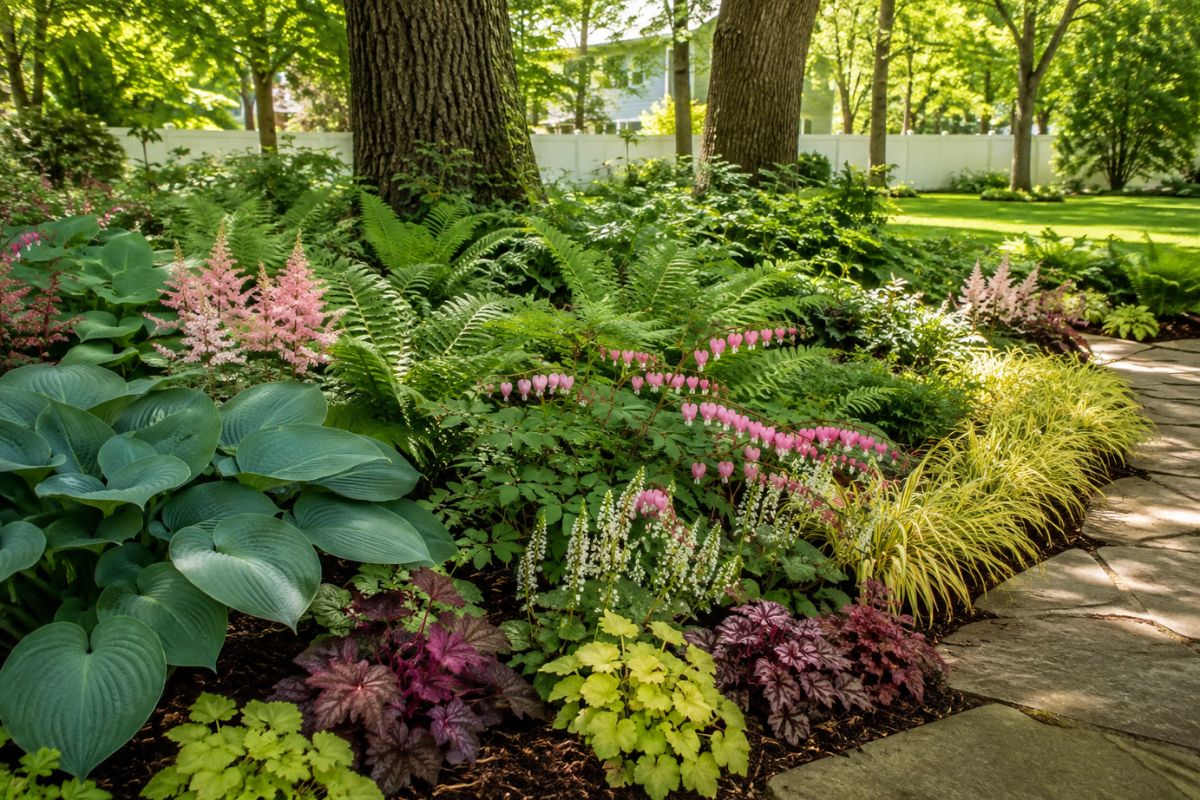

Growing a beautiful garden can feel frustrating when most of your yard stays in the shade. Many gardeners struggle with empty spaces under mature trees, along fences, or beside the house because most flowering plants need more sunlight than those areas receive. It can be disappointing to spend time and money on plants that never reach their full beauty.
After spending time learning which plants truly thrive in low light, I found that the secret isn’t adding more fertilizer or watering more often. It’s choosing shade perennials that naturally grow well in these conditions. The plants in this guide are trusted favorites because they return every year, add beautiful color and texture, and help create a lush garden with less maintenance. Whether you’re planting your first shade bed or refreshing an older one, these ideas will help you make the most of every shaded corner.
Quick Shade Perennials Comparison
If you’re not sure where to start, this quick guide makes it easy to compare the best shade perennials. Choose plants based on your garden size, growing zone, and the season when you want the most color.
| Plant | USDA Zones | Bloom Season | Best Feature |
|---|---|---|---|
| Hosta | 3–9 | Summer | Large, bold foliage |
| Astilbe | 4–9 | Late Spring to Summer | Soft, colorful flower plumes |
| Bleeding Heart | 3–9 | Spring | Heart-shaped blooms |
| Coral Bells | 4–9 | Late Spring | Colorful foliage all season |
| Foamflower | 3–8 | Spring | Great ground cover |
| Solomon’s Seal | 3–8 | Spring | Graceful arching stems |
| Brunnera | 3–8 | Spring | Blue flowers and heart-shaped leaves |
| Japanese Forest Grass | 5–9 | Foliage Plant | Flowing golden leaves |
| Lungwort | 3–8 | Early Spring | Silver-spotted foliage |
| Ferns | Varies | Foliage Plant | Rich green texture |
| Ajuga | 3–10 | Spring | Fast-growing ground cover |
| Brunnera ‘Jack Frost’ | 3–8 | Spring | Bright silver foliage |
| Pulmonaria ‘Trevi Fountain’ | 4–8 | Early Spring | Color-changing flowers |
| Creeping Jenny | 3–9 | Late Spring | Bright trailing foliage |
| Hellebores | 4–9 | Late Winter to Spring | Early blooms |
| Trillium | 4–9 | Spring | Native woodland beauty |
Know Your Shade Before You Plant
Before choosing any perennial, take a few minutes to check how much sunlight your garden actually receives. The right plant grows much better when it matches the amount of shade in your yard.
Partial Shade
Receives about 3 to 6 hours of sunlight each day, usually in the morning or late afternoon.
Full Shade
Receives less than 3 hours of direct sunlight but still gets bright, indirect light during the day.
Dappled Shade
Sunlight filters through tree branches, creating shifting patches of light and shade throughout the day.
Knowing your shade conditions helps you choose plants that will grow healthier, bloom better, and require less maintenance.
Hosta
Hostas are one of the most popular shade perennials because their large leaves instantly make a garden look full and healthy. They come in many shades of green, blue, yellow, and variegated patterns, giving you plenty of choices for different garden styles.
These plants grow well in partial to full shade and prefer moist, well-drained soil with plenty of organic matter. Once established, they need very little care and return bigger each year.
Best for:
- Garden beds under mature trees
- Front yard shade borders
- Woodland gardens
- Walkway edging
Growing Tips
- USDA Zones: 3–9
- Light: Partial to full shade
- Soil: Rich, moist, well-drained
- Bloom Time: Early to mid summer
- Maintenance Level: Easy
Design Tip
Mix different hosta varieties with large and small leaves to create layers of texture. Pair them with ferns or coral bells for a lush, balanced garden bed.
Astilbe
Astilbe brings soft, fluffy flower plumes that brighten shady gardens during summer. Its blooms come in pink, white, red, and lavender, making it easy to add color where many flowers struggle to grow.
This perennial enjoys cool soil with steady moisture. A layer of mulch helps keep the roots cool during warm weather and reduces watering needs.
Best for:
- Cottage gardens
- Woodland borders
- Around ponds
- Mixed perennial beds
Growing Tips
- USDA Zones: 4–9
- Light: Partial shade
- Soil: Moist, fertile, well-drained
- Bloom Time: Late spring through summer
- Maintenance Level: Easy
Design Tip
Plant astilbe behind hostas to create height and soft color. The feathery flowers look beautiful against bold green foliage.
Bleeding Heart
Bleeding Heart is loved for its unique heart-shaped flowers that hang gracefully from arching stems. It blooms in spring and adds a romantic touch to shaded spaces.
This plant grows best in cool, shaded areas with rich soil. The foliage often goes dormant during summer, especially in warm climates, so plant it near later-blooming perennials that will fill the space.
Best for:
- Woodland gardens
- Shaded flower beds
- Cottage-style landscapes
- Under large trees
Growing Tips
- USDA Zones: 3–9
- Light: Partial to full shade
- Soil: Rich, moist, well-drained
- Bloom Time: Spring
- Maintenance Level: Easy
Design Tip
Combine bleeding hearts with hostas and ferns. As the flowers fade, the surrounding plants will keep the garden looking full and green.
Coral Bells
Coral Bells, also called Heuchera, are grown as much for their colorful leaves as their delicate flowers. The foliage comes in shades of burgundy, lime green, caramel, silver, purple, and almost black, adding color even when the plant is not blooming.
They grow well in partial shade and fit easily into both small and large gardens. Their compact size also makes them a great choice for borders and containers.
Best for:
- Garden borders
- Small shade gardens
- Containers
- Mixed perennial beds
Growing Tips
- USDA Zones: 4–9
- Light: Partial shade
- Soil: Well-drained with organic matter
- Bloom Time: Late spring to early summer
- Maintenance Level: Easy
Design Tip
Mix several Coral Bells with different leaf colors to create year-round interest. Their colorful foliage pairs beautifully with green hostas and silver brunnera.
Foamflower
Foamflower is a charming native perennial that fills shady gardens with small white or pale pink flowers in spring. Its attractive leaves stay fresh long after the blooms are gone, making it useful through much of the growing season.
Because it spreads slowly, Foamflower also works as a living ground cover that helps reduce weeds while keeping the soil cool.
Best for:
- Woodland gardens
- Under trees
- Ground cover
- Natural garden designs
Growing Tips
- USDA Zones: 3–8
- Light: Partial to full shade
- Soil: Moist, rich, well-drained
- Bloom Time: Spring
- Maintenance Level: Easy
Design Tip
Plant Foamflower along pathways or beneath taller shade plants to create a soft, layered look that feels natural and inviting.
Garden Inspiration: Mix different leaf colors and flower shapes to create a shade garden that feels full, natural, and inviting from spring through fall.
Solomon’s Seal
Solomon’s Seal adds graceful movement to a shade garden with its tall, arching stems and small bell-shaped flowers. Even after the blooms fade, the elegant green leaves continue to bring beauty through the growing season.
This long-lasting perennial spreads slowly over time, making it a great choice for woodland gardens and quiet corners under mature trees.
Best for:
- Woodland gardens
- Under large trees
- Natural landscape borders
- Shaded backyard gardens
Growing Tips
- USDA Zones: 3–8
- Light: Partial to full shade
- Soil: Rich, moist, well-drained
- Bloom Time: Mid to late spring
- Maintenance Level: Easy
Design Tip
Plant Solomon’s Seal behind hostas and ferns to create height and a soft, layered look that feels natural.
Brunnera
Brunnera is a favorite for shady gardens because it offers beautiful heart-shaped leaves and clusters of tiny blue flowers that look like forget-me-nots. Many varieties keep their attractive foliage from spring until fall.
It grows best where it receives morning sun and afternoon shade. Rich soil with regular moisture helps the leaves stay healthy all season.
Best for:
- Shade borders
- Cottage gardens
- Woodland planting
- Under shrubs
Growing Tips
- USDA Zones: 3–8
- Light: Partial to full shade
- Soil: Moist, fertile, well-drained
- Bloom Time: Spring
- Maintenance Level: Easy
Design Tip
Pair Brunnera with Coral Bells and Foamflower for a garden filled with different leaf colors and textures.
Japanese Forest Grass
Japanese Forest Grass brings soft movement to a shade garden with its flowing leaves. The graceful mounds add texture and make pathways, borders, and garden edges feel calm and inviting.
Golden and variegated varieties brighten dark spaces where many plants lose their color.
Best for:
- Garden edging
- Pathways
- Woodland gardens
- Japanese-inspired landscapes
Growing Tips
- USDA Zones: 5–9
- Light: Partial shade
- Soil: Moist, rich, well-drained
- Bloom Time: Grown mainly for foliage
- Maintenance Level: Easy
Design Tip
Plant it along stone paths or beside hostas to soften hard edges and create a peaceful garden design.
Lungwort
Lungwort is one of the first shade perennials to bloom in spring. Its flowers often change from pink to blue as they mature, while the silver-spotted leaves keep the garden attractive long after flowering ends.
It enjoys cool conditions and rewards gardeners with colorful blooms every year.
Best for:
- Early spring gardens
- Woodland borders
- Under deciduous trees
- Mixed perennial beds
Growing Tips
- USDA Zones: 3–8
- Light: Partial to full shade
- Soil: Moist, well-drained
- Bloom Time: Early spring
- Maintenance Level: Easy
Design Tip
Combine Lungwort with Hellebores and Bleeding Hearts to create a colorful spring display before summer flowers appear.
Ferns
Ferns are a must-have for anyone creating a lush shade garden. Their soft, feathery fronds bring texture and rich green color that lasts through the growing season.
Many varieties grow well in low light, making them perfect for filling empty spaces beneath trees or along shaded fences. Popular choices include Japanese Painted Fern, Lady Fern, Autumn Fern, and Christmas Fern.
Best for:
- Woodland gardens
- Under trees
- Natural landscapes
- Moist shaded borders
Growing Tips
- USDA Zones: Varies by variety
- Light: Partial to full shade
- Soil: Moist, rich, well-drained
- Bloom Time: Grown for foliage
- Maintenance Level: Easy
Design Tip
Mix different fern varieties together for a layered woodland look. Add hostas nearby to create bold contrast between large leaves and delicate fronds.
Garden Inspiration: Pair rich green foliage with flowering shade perennials to create a garden that looks fresh and inviting throughout the growing season.
Ajuga
Ajuga, also called Bugleweed, is a fast-growing ground cover that fills empty spaces with colorful foliage and spikes of blue flowers. It spreads quickly, helping to cover bare soil and reduce weeds in shady areas.
Its low-growing habit makes it a great choice for planting around stepping stones, trees, and the front of garden beds.
Best for:
- Ground cover
- Garden borders
- Around stepping stones
- Under trees
Growing Tips
- USDA Zones: 3–10
- Light: Partial shade to full shade
- Soil: Moist, well-drained
- Bloom Time: Spring
- Maintenance Level: Easy
Design Tip
Use Ajuga at the front of your garden bed with taller plants like Hostas and Astilbe behind it for a layered look.
Brunnera ‘Jack Frost’
‘Jack Frost’ is one of the most loved Brunnera varieties because of its striking silver leaves with deep green veins. The bright foliage lights up shady spaces even when the tiny blue flowers have finished blooming.
It stays attractive from spring through fall, making it one of the easiest foliage plants for shade gardens.
Best for:
- Brightening dark corners
- Woodland gardens
- Decorative borders
- Mixed perennial beds
Growing Tips
- USDA Zones: 3–8
- Light: Partial to full shade
- Soil: Rich, moist, well-drained
- Bloom Time: Spring
- Maintenance Level: Easy
Design Tip
Plant ‘Jack Frost’ beside dark green Hostas or purple Coral Bells to create beautiful color contrast.
Pulmonaria ‘Trevi Fountain’
‘Trevi Fountain’ is a beautiful Lungwort variety with silver-speckled leaves and flowers that change from pink to rich blue. It brings color to the garden early in the season when many other plants are still waking up.
Its decorative leaves continue adding interest long after the flowers fade.
Best for:
- Spring shade gardens
- Woodland borders
- Under shrubs
- Cottage gardens
Growing Tips
- USDA Zones: 4–8
- Light: Partial to full shade
- Soil: Moist, fertile, well-drained
- Bloom Time: Early spring
- Maintenance Level: Easy
Design Tip
Pair this variety with Foamflower and Ferns for a soft woodland garden filled with different textures.
Creeping Jenny
Creeping Jenny is known for its bright chartreuse leaves that bring fresh color to shaded garden beds. Its trailing stems spread across the ground, making it an excellent living ground cover.
It also looks beautiful spilling over the edges of containers, raised beds, or stone walls. In ideal growing conditions, it can spread quickly, so trim it occasionally to keep it under control.
Best for:
- Ground cover
- Garden edging
- Hanging baskets
- Rock gardens
Growing Tips
- USDA Zones: 3–9
- Light: Partial shade
- Soil: Moist, well-drained
- Bloom Time: Late spring to early summer
- Maintenance Level: Easy
Design Tip
Use Creeping Jenny around stepping stones or along garden paths where its trailing growth can soften hard edges.
Hellebores
Hellebores, often called Lenten Roses, are among the first flowers to bloom each year. Their elegant flowers appear in late winter or early spring, bringing welcome color while much of the garden is still quiet.
The evergreen leaves also keep the garden looking attractive through most of the year.
Best for:
- Winter interest
- Woodland gardens
- Shaded borders
- Foundation plantings
Growing Tips
- USDA Zones: 4–9
- Light: Partial to full shade
- Soil: Rich, well-drained
- Bloom Time: Late winter to early spring
- Maintenance Level: Easy
Design Tip
Plant Hellebores near walkways or your front entrance so you can enjoy their early blooms at the start of the gardening season.
Trillium
Trillium is a native woodland perennial loved for its simple three-petaled flowers and elegant appearance. It grows slowly but rewards patient gardeners with beautiful blooms that return year after year.
Because it naturally grows beneath forest trees, it is an excellent choice for creating a peaceful woodland-style landscape. Avoid disturbing established plants, as they prefer to remain in the same location.
Best for:
- Woodland gardens
- Natural landscapes
- Under mature trees
- Native plant gardens
Growing Tips
- USDA Zones: 4–9
- Light: Partial to full shade
- Soil: Rich, moist, humus-filled
- Bloom Time: Spring
- Maintenance Level: Easy
Design Tip
Plant Trilliums in groups beneath large trees with Ferns and Solomon’s Seal for a timeless woodland garden that looks beautiful every spring.
Garden Inspiration: Blend native woodland plants with natural mulch and stone pathways to create a peaceful garden that looks beautiful in every season.
Best Shade Perennials Under Trees
Planting beneath mature trees can be challenging because roots compete for water and nutrients. These shade perennials grow well in those conditions and help create a full, natural-looking landscape.
- Hosta
- Ferns
- Solomon’s Seal
- Foamflower
- Brunnera
- Trillium
Water new plants regularly during their first growing season so they can establish strong roots.
Best Shade Perennials for Beginners
If you’re new to gardening, start with plants that are easy to grow and require very little maintenance.
- Hosta
- Coral Bells
- Astilbe
- Foamflower
- Ajuga
These dependable perennials return every year and reward beginners with beautiful foliage and colorful blooms without demanding constant care.
Shade Perennials That Add Color All Season
A lush shade garden doesn’t have to rely only on flowers. Many perennials provide colorful leaves that stay attractive for months.
For season-long interest, choose:
- Coral Bells for burgundy, lime, and purple foliage
- Brunnera ‘Jack Frost’ for bright silver leaves
- Japanese Forest Grass for golden texture
- Hostas with blue, green, and variegated leaves
- Lungwort for silver-spotted foliage
Mixing flowering plants with decorative foliage keeps your garden looking fresh from spring through fall.
Shade Garden Color Ideas
Choosing a simple color theme can make your shade garden feel more balanced and inviting.
Green Woodland Garden
Combine Hostas, Ferns, Foamflower, and Solomon’s Seal for a peaceful natural look.
Silver and Blue Garden
Grow Brunnera ‘Jack Frost’, Lungwort, and Brunnera to brighten darker spaces.
Pink and White Garden
Pair Astilbe, Bleeding Heart, Foamflower, and Hellebores for a soft cottage-style display.
Bold Foliage Garden
Mix Coral Bells, Japanese Forest Grass, Hostas, and Creeping Jenny for eye-catching contrast even when flowers are not blooming.
Tips for Growing Healthy Shade Perennials
A few simple habits can help your shade perennials stay healthy and beautiful for many years. Most of these plants are easy to grow, but giving them the right conditions makes a big difference.
- Add compost to the soil before planting to improve drainage and nutrients.
- Spread a 2 to 3-inch layer of mulch to keep the soil cool and hold moisture.
- Water deeply during dry weeks, especially in the first growing season.
- Remove faded flowers and damaged leaves to keep plants looking fresh.
- Divide crowded perennials every few years to encourage healthy growth.
- Avoid planting too close together so air can move freely around the plants.
How to Create a Lush Shade Garden
A beautiful shade garden is all about mixing different heights, leaf shapes, and bloom times. When you layer plants, your garden stays interesting from spring through fall.
Start with taller plants like Solomon’s Seal or large Hostas at the back of the bed. Place medium-sized plants like Astilbe, Brunnera, and Coral Bells in the middle. Finish the front with low-growing plants such as Ajuga, Foamflower, or Creeping Jenny to cover bare soil.
Adding natural stone, mulch, or a winding garden path also makes the space feel warm and welcoming.
Simple Plant Spacing Guide
Giving each perennial enough space helps improve air circulation and allows the plants to reach their full size.
| Plant Size | Space Between Plants |
|---|---|
| Small ground covers | 8–12 inches |
| Medium perennials | 12–18 inches |
| Large perennials | 24–36 inches |
Always check the mature size of each plant before planting. A little extra space today creates a healthier and fuller garden in the future.
Common Mistakes to Avoid
Many shade plants are low maintenance, but a few common mistakes can slow their growth.
- Planting shade lovers in hot afternoon sun
- Letting the soil dry out for long periods
- Overwatering plants in poorly drained soil
- Skipping mulch around the roots
- Planting too close together
- Forgetting to remove damaged leaves during the season
Avoiding these simple mistakes will help your garden stay healthy and full year after year.
How to Keep Shade Perennials Looking Their Best
Most shade perennials need very little care once they become established. A few simple tasks throughout the year will keep them healthy.
- Add fresh mulch each spring to help hold moisture.
- Remove damaged or dead leaves as new growth appears.
- Water during long dry periods, especially in summer.
- Divide crowded plants every few years to encourage healthy growth.
- Add compost once a year to improve soil quality.
These simple habits help your shade garden stay full, healthy, and colorful for years.
Enjoy Color Through Every Season
A well-planned shade garden stays attractive for much of the year by combining plants with different bloom times.
Late Winter to Early Spring
- Hellebores
- Lungwort
- Trillium
Spring
- Bleeding Heart
- Brunnera
- Foamflower
Summer
- Hosta
- Astilbe
- Coral Bells
Even after flowering ends, many of these plants continue adding beauty with colorful foliage that lasts until fall.
Frequently Asked Questions
What are the easiest shade perennials for beginners?
Hostas, Ferns, Coral Bells, Foamflower, and Ajuga are great choices because they are easy to grow and require very little maintenance once established.
Which shade perennials bloom the longest?
Astilbe, Coral Bells, and Hellebores offer long-lasting beauty. Even after flowering, their attractive foliage keeps the garden looking colorful.
Can shade perennials grow under trees?
Yes. Many varieties like Hostas, Ferns, Trillium, Solomon’s Seal, and Foamflower grow well beneath mature trees where sunlight is limited.
Do shade perennials come back every year?
Yes. Perennials return each growing season after becoming established, making them a great long-term choice for low-maintenance gardens.
Which shade perennial adds the most colorful leaves?
Coral Bells and Brunnera ‘Jack Frost’ are excellent choices if you want colorful foliage that stays attractive through much of the year.
How often should I water shade perennials?
Water deeply about once a week during dry weather. Most shade perennials prefer evenly moist soil but should not sit in standing water.
Which shade perennial grows the fastest?
Ajuga and Creeping Jenny spread quickly and fill empty spaces in a short time. Trim them occasionally to keep their growth under control.
What flowers bloom in shade all summer?
Astilbe provides colorful blooms through much of the summer, while Hostas and Coral Bells continue adding beauty with their attractive foliage after flowering.
Conclusion
One thing I’ve learned is that the healthiest shade gardens come from choosing plants that fit the space instead of trying to change the space to fit the plants. When you combine reliable shade perennials with healthy soil, regular watering during dry periods, and a little patience, your garden becomes fuller and more beautiful each year. Start with a few varieties that match your growing zone, enjoy watching them settle in, and you’ll soon have a peaceful, lush garden that brings color and interest through every season.