Skip to content
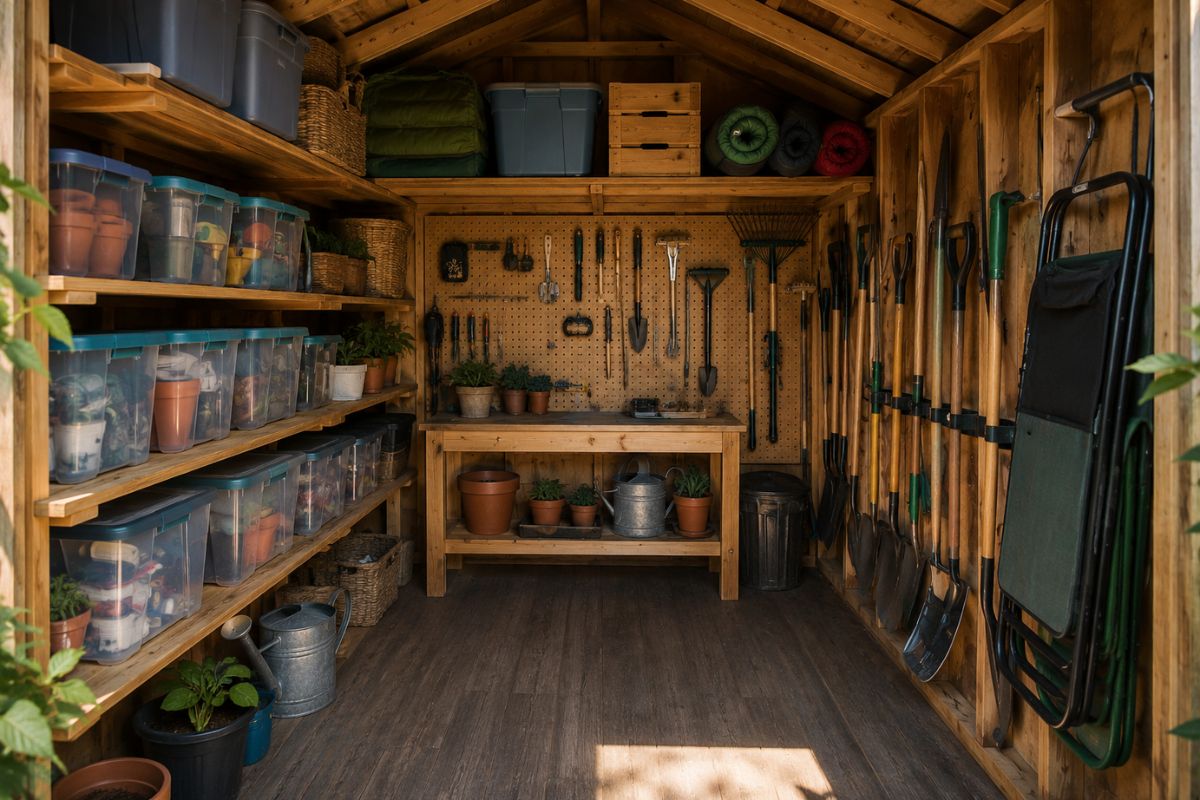

I still remember when my shed slowly turned into a place where everything disappeared. At first, I just placed tools, flower pots, paint cans, sports gear, and random boxes wherever they fit. But after a few months, finding anything became frustrating. I would walk in to grab one small thing and end up moving heavy boxes, stepping around garden tools, and wasting time searching for items that should have been easy to find. One weekend, I spent almost twenty minutes looking for gardening gloves buried under old supplies, and that was when I realized the shed was creating stress instead of making life easier.
If your shed feels crowded, messy, or too small, you are not alone. From personal experience, I learned that most shed problems happen because there is no simple storage system. After trying shelves, hooks, labeled bins, and better storage zones, I noticed something surprising: even a small shed can feel clean and organized without spending a lot of money. These shed storage ideas will help you save space, organize tools, reduce clutter, and make your shed easier to use every day.
Before You Start Organizing Your Shed
Before adding shelves, bins, or hooks, take a little time to clean and plan your space. This small step makes shed organization much easier.
Start by taking everything out of the shed. Throw away broken tools, empty boxes, or things you no longer use. Group similar items together like garden tools, sports gear, cleaning supplies, and seasonal decorations.
Once you can see everything clearly, it becomes easier to plan storage zones and decide what should go on shelves, walls, or inside bins.
Quick Tip: A clean shed is easier to organize than a crowded one.
Why Good Shed Storage Matters
A clean shed saves time, protects tools, and gives everything a proper place. Instead of stacking things in corners and hoping for the best, smart storage helps you use every inch of space.
The secret is simple: use walls, corners, shelves, and overhead space to keep things tidy.
1. Install Wall Shelves for Extra Storage

Wall shelves are one of the easiest shed storage ideas for small spaces.
Instead of leaving items on the floor, place storage bins, paint cans, gardening supplies, or tools on sturdy shelves. This keeps the ground clear and makes your shed feel bigger.
Wood or metal shelves both work well. If possible, use adjustable shelves so you can change heights later.
Storage Tip: Place heavy items on lower shelves and lighter items higher up.
2. Use a Pegboard for Garden Tools

A pegboard is a simple way to organize hand tools.
Hang gloves, scissors, small shovels, hammers, measuring tape, and cords on hooks. Everything stays visible and easy to grab.
This works great for people who hate digging through messy drawers.
Best For: Small sheds with limited floor space.
3. Add a Garden Tool Rack

Rakes, hoes, brooms, and shovels can quickly turn into a tangled pile.
A wall-mounted tool rack keeps long tools standing neatly in one place. It also makes your shed safer because tools are less likely to fall over.
You can buy one or make a simple DIY rack with wood.
Storage Tip: Keep tools you use often close to the shed door.
4. Try Overhead Storage

Look up. Your ceiling can become useful storage space.
Overhead racks work well for lightweight seasonal items like holiday bins, tarps, empty pots, or camping gear.
Make sure shelves or racks are secured properly and avoid placing very heavy items overhead.
Best For: Things you do not use every week.
5. Add a Workbench With Storage

A workbench gives you a place to fix, build, or plant things while also adding storage.
Choose a bench with drawers or shelves underneath. Store nails, screws, tape, gardening gloves, and tools inside.
It turns your shed into a useful workspace instead of a cluttered area.
6. Use Clear Storage Bins

No one wants to open five mystery boxes just to find garden gloves.
Clear bins make it easy to see what is inside while helping you stay organized. Store holiday decorations, outdoor toys, seed packets, or cleaning supplies inside.
Stackable bins also help save space.
Storage Tip: Add labels to every bin for faster access.
7. Hang Hooks on Walls
Hooks are simple but very helpful.
Use heavy-duty hooks to hold ladders, hoses, extension cords, bags, or folding chairs.
Wall hooks help free up floor space and keep your shed organized.
8. Make Use of Shed Door Storage

Many people forget about the inside of shed doors.
Add baskets, hooks, or narrow shelves to hold gloves, spray bottles, seed packets, or small tools.
This small change helps keep everyday items easy to reach.
9. Add Corner Shelves

Corners are often wasted space.
A small corner shelf can help hold watering cans, gloves, cleaning supplies, or small pots while making your shed feel more organized.
This is a simple way to use every inch of space.
10. Store Small Items in Drawer Organizers

Loose screws, nails, bolts, and clips create clutter fast.
Small drawer organizers make it easier to sort tiny supplies and stop them from getting lost.
Clear containers also help you quickly find what you need.
Best For: DIY tools and repair supplies.
11. Use Magnetic Tool Strips

Magnetic strips are useful for lightweight and medium metal tools.
Hang screwdrivers, pliers, scissors, or wrenches where you can quickly grab them instead of digging through toolboxes.
This keeps tools easy to see and organized.
12. Try Rolling Storage Carts
A rolling cart works well if you move tools around often.
Store gardening supplies, paint, or repair tools in one place and roll it where needed.
It saves time and keeps supplies neat.
13. Create Vertical Storage for Lumber
Wood boards and pipes can take up too much floor space.
Instead of laying them down, store them upright using a vertical rack.
This keeps materials cleaner, easier to sort, and less likely to get damaged.
14. Use Labels Everywhere
Labels save time.
When every bin has a clear name, you always know where things belong and where to find them later.
Storage Tip: Use large labels that are easy to read.
15. Add Weatherproof Cabinets
Some items need extra protection.
Paint cans, fertilizers, cleaning products, and garden sprays stay safer inside weatherproof cabinets.
These cabinets can help protect items from dust, moisture, and changing temperatures.
16. Hang Bikes to Save Floor Space

Bikes can take over a small shed quickly.
Wall hooks or bike racks help keep bicycles upright and out of the way.
This leaves more space for tools and storage bins.
17. Use Stackable Storage Bins
Stackable bins work well for seasonal items.
Store summer gear, gardening supplies, sports equipment, or decorations in separate containers to reduce clutter.
They instantly make a shed feel cleaner.
18. Add a Potting Shelf for Gardening Supplies

If you enjoy gardening, a potting shelf helps keep things organized.
Store pots, gloves, soil bags, seed packets, and small garden tools in one area.
This makes planting projects easier and less messy.
19. Create Zones Inside the Shed

Think of your shed like a small room.
Create sections for gardening tools, sports gear, cleaning supplies, repair tools, and storage boxes.
When everything has a zone, your shed becomes easier to use.
20. Store Seasonal Items Up High
Items you only use once or twice a year should stay on higher shelves.
Holiday decorations, camping supplies, or spare bins can go up high while everyday tools stay easier to reach.
This simple trick helps keep clutter under control.
21. Add Wall Baskets
Wall baskets are useful for holding smaller items.
Use them for gloves, twine, spray bottles, seed packets, or hand tools.
They help reduce clutter while keeping supplies easy to see.
22. Try Foldable Shelves
Need more room sometimes?
Foldable shelves work well in small sheds because they can be folded away when not needed.
This gives you extra movement space.
23. Keep Frequently Used Items Near the Door
This small habit saves time.
Keep gloves, hoses, garden tools, and cleaning supplies near the entrance so they are always easy to grab.
You will spend less time searching later.
24. Store Large Equipment Smartly
Lawnmowers, wheelbarrows, and larger tools need a proper place.
Keep bulky items against walls or use storage stands to stop clutter from taking over your shed.
This also makes walking through the shed easier.
25. Declutter Every Season
Even the best storage system needs a quick reset.
Every season, remove broken tools, empty containers, or things you no longer use.
A quick cleanup helps your shed stay organized and useful.
Shed Organization Mistakes to Avoid

Even good storage ideas can stop working if your shed setup creates more mess later.
1. Storing Heavy Items Overhead
Overhead storage works best for lightweight seasonal items. Avoid storing heavy tools or large boxes above your head unless shelves are very secure.
2. Leaving Tools on the Floor
Garden tools, rakes, and hoses quickly create clutter when left on the floor. Use hooks, racks, or pegboards to keep them organized.
3. Forgetting Labels
Without labels, storage bins quickly become mystery boxes. Clear labels make finding things faster and easier.
4. Wasting Wall Space
Many people forget how much storage walls can provide. Pegboards, hooks, baskets, and racks help you save space without crowding the floor.
5. Keeping Everything in One Area
Try creating simple zones for gardening tools, DIY supplies, sports gear, and seasonal decorations. This makes everything easier to find.
Simple Shed Storage Safety Tips
A well-organized shed should also feel safe and easy to use.
- Store heavy items on lower shelves
- Use overhead storage for lightweight items only
- Secure shelves and wall hooks properly
- Keep sharp tools in safe storage areas
- Leave walking space clear to avoid trips and falls
Best Shed Storage Supplies to Keep on Hand
A few simple storage items can make shed organization much easier.
- Clear storage bins with lids
- Wall hooks for hoses and ladders
- Pegboards for small tools
- Tool racks for long garden tools
- Labels for bins and shelves
- Storage baskets for gloves and seed packets
- Strong shelving units for larger supplies
You do not need everything at once. Start with a few basics and slowly build a storage system that works for your space.
Simple Shed Storage Tips That Really Help
- Use wall space before floor space
- Label bins clearly so things are easy to find
- Keep everyday tools within easy reach
- Store seasonal items on higher shelves
- Use clear storage containers for faster access
- Add hooks and pegboards to free up floor space
- Group similar items together to reduce clutter
- Keep heavy tools on lower shelves for safety
FAQ About Shed Storage
How do I organize a small shed?
Start by removing things you no longer use. Add wall shelves, hooks, pegboards, and storage bins to make better use of small spaces. A small shed feels much bigger when tools and supplies are stored off the floor.
What is the best way to store garden tools in a shed?
Wall-mounted racks, hooks, and pegboards work best for garden tools. Long tools like shovels and rakes stay neat on racks, while smaller hand tools are easier to organize on pegboards.
How can I maximize storage in my shed?
The easiest way is to use vertical storage. Add shelves, wall hooks, baskets, and ceiling storage for seasonal items. Keeping the floor clear helps your shed feel bigger and easier to use.
Should I use plastic bins in a shed?
Yes. Clear plastic bins with lids help protect items from dust and moisture while making it easier to see what is inside. Labels also help you stay organized.
What should not be stored in a shed?
Try to avoid storing valuable electronics, delicate fabrics, or items that can get damaged by heat, cold, or moisture unless your shed has proper temperature control.
Conclusion
After trying different shed storage ideas over time, I learned that staying organized has less to do with having a huge shed and more to do with creating a simple system that works for daily life. I used to think I needed more space, but once I added shelves, hooks, storage bins, and simple zones for tools and supplies, everything became easier to find and much less stressful. From personal experience, the best thing you can do is start small and improve one area at a time. Even a small shed can feel clean, useful, and organized when everything has a place, and once you see how much easier it makes everyday tasks, you will wish you had done it sooner.