Skip to content

Introduction
I used to think I couldn’t grow houseplants because my home didn’t get much natural sunlight. Every time I brought home a beautiful plant, it would slowly lose its color, stop growing, or die within a few weeks. If you’ve had the same experience, you’re not alone. Many bedrooms, apartments, offices, and hallways have very little natural light, making it hard to know which plants will actually survive.
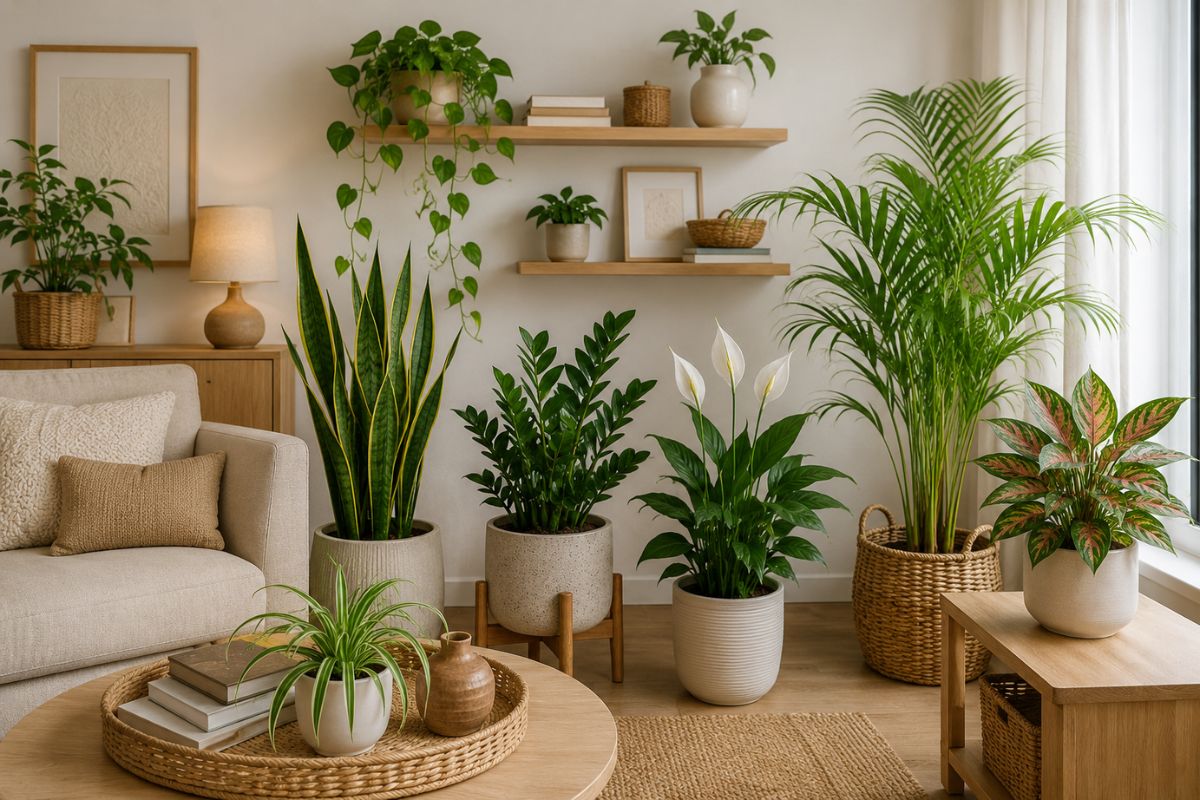
After trying many different houseplants over the years, I found that choosing the right plant matters much more than having a sunny window. Some indoor plants naturally grow well in low-light spaces and need very little care to stay healthy. The plants in this guide are the ones I recommend because they are reliable, beginner friendly, and easy to maintain. Whether you’re decorating a cozy apartment or adding life to a quiet corner, these low-light indoor plants can help you enjoy beautiful greenery without the frustration of constant plant problems.
Best Indoor Plants for Low Light at a Glance
| Plant | Light Level | Water Needs | Best For |
|---|---|---|---|
| Snake Plant | Very Low | Every 2–4 weeks | Bedrooms |
| ZZ Plant | Very Low | Every 3–4 weeks | Offices |
| Pothos | Low | Every 1–2 weeks | Shelves |
| Chinese Evergreen | Low | When soil is dry | Living Rooms |
| Peace Lily | Low | Keep soil lightly moist | Bathrooms |
| Cast Iron Plant | Low | When soil feels dry | Hallways |
| Heartleaf Philodendron | Low | Weekly | Hanging Baskets |
| Parlor Palm | Low | Every 1–2 weeks | Apartments |
| Spider Plant | Low to Medium | Weekly | Kitchens |
| Arrowhead Plant | Low | When the top inch dries | Small Spaces |
Snake Plant
Snake Plant is one of the easiest indoor plants for low light. Its tall, upright leaves give any room a clean and modern look. It can handle missed waterings and grows well even in places with very little natural sunlight.

Why You’ll Love It
- Perfect for beginners
- Handles low light with ease
- Needs very little watering
- Adds a modern touch to any room
Best For
- Bedrooms
- Home offices
- Living rooms
- Apartments
Light Needs
It grows well in low light but also adapts to bright indirect light.
Water Needs
Water every 2 to 4 weeks. Let the soil dry completely before watering again.
Simple Care Tip
Choose a pot with drainage holes to help prevent root rot.
ZZ Plant
The ZZ Plant is famous for being one of the easiest houseplants to grow. Its thick stems and glossy green leaves store water, making it a great choice for busy people or anyone new to indoor gardening.

Why You’ll Love It
- Very low maintenance
- Beautiful shiny leaves
- Tolerates low light
- Grows well under indoor lighting
Best For
- Office desks
- Bedrooms
- Apartments
- Dark corners
Light Needs
Low light or artificial light works well for this plant.
Water Needs
Water every 3 to 4 weeks after the soil becomes completely dry.
Simple Care Tip
Dust the leaves with a soft cloth every few weeks to keep them healthy and looking fresh.
Pothos
Pothos is one of the most popular indoor plants because it grows quickly and looks beautiful almost anywhere. Its long trailing vines make shelves, bookcases, and hanging planters feel more alive without needing much care.

Why You’ll Love It
- Fast-growing vines
- Great for hanging baskets
- Easy to grow
- Easy to propagate
Best For
- Floating shelves
- Hanging planters
- Bookcases
- Home offices
Light Needs
It grows well in low to medium indirect light.
Water Needs
Water when the top inch of soil feels dry.
Simple Care Tip
Trim long vines now and then to encourage fuller growth.
Chinese Evergreen
Chinese Evergreen is loved for its colorful leaves that come in shades of green, silver, cream, and even soft pink. It brings color into darker rooms while asking for very little attention.

Why You’ll Love It
- Beautiful patterned leaves
- Beginner friendly
- Slow-growing and tidy
- Great for shaded rooms
Best For
- Living rooms
- Bedrooms
- Entryways
- Office spaces
Light Needs
It thrives in low light and also enjoys bright indirect light.
Water Needs
Water when the top inch of soil becomes dry.
Simple Care Tip
Keep it away from strong afternoon sun to protect its colorful leaves.
Peace Lily
Peace Lily adds both rich green leaves and elegant white flowers to your indoor space. It is one of the few low-light houseplants that may bloom indoors when it receives enough indirect light and proper care.

Why You’ll Love It
- Elegant white blooms
- Rich green foliage
- Great for shaded rooms
- Easy to grow indoors
Best For
- Bathrooms
- Bedrooms
- Living rooms
- Reading corners
Light Needs
It prefers low to medium indirect light.
Water Needs
Keep the soil lightly moist but never overly wet.
Simple Care Tip
If the leaves begin to droop, it is usually time to water the plant. It often recovers quickly after a good drink.
Cast Iron Plant
The Cast Iron Plant is one of the toughest indoor plants you can grow. It earned its name because it can handle low light, missed waterings, and changing indoor conditions better than many other houseplants. If you want a plant that stays healthy with very little effort, this is an excellent choice.

Why You’ll Love It
- Very easy to care for
- Thrives in low-light spaces
- Strong and long-lasting
- Great for busy households
Best For
- Hallways
- Entryways
- Living rooms
- Home offices
Light Needs
It grows best in low to medium indirect light and should be protected from direct sunlight.
Water Needs
Water when the top few inches of soil feel dry.
Simple Care Tip
Remove old or damaged leaves to encourage fresh, healthy growth.
Heartleaf Philodendron
Heartleaf Philodendron is a beautiful trailing plant with soft, heart-shaped leaves. It grows well in low light and quickly fills shelves, hanging baskets, and plant stands with fresh green vines. It is a favorite for beginners because it is both attractive and easy to maintain.

Why You’ll Love It
- Beautiful trailing vines
- Fast-growing
- Beginner friendly
- Easy to propagate
Best For
- Hanging baskets
- Floating shelves
- Bookcases
- Small apartments
Light Needs
It grows well in low to medium indirect light.
Water Needs
Water when the top inch of soil becomes dry.
Simple Care Tip
Turn the pot every few weeks so all sides of the plant receive light evenly.
Parlor Palm
Parlor Palm brings a soft tropical look to your home without needing bright sunlight. Its graceful green fronds add height and texture, making it a popular choice for living rooms, bedrooms, and apartments.

Why You’ll Love It
- Soft tropical appearance
- Easy to grow indoors
- Perfect for beginners
- Adds natural height to a room
Best For
- Living rooms
- Bedrooms
- Apartments
- Reading corners
Light Needs
It prefers low to medium indirect light.
Water Needs
Water when the top inch of soil feels dry.
Simple Care Tip
Clean the leaves with a damp cloth from time to time to remove dust and help the plant absorb more light.
Spider Plant
Spider Plant has long, arching leaves with green and cream stripes that brighten indoor spaces. It is easy to grow and produces small baby plants that can be replanted to grow your collection.

Why You’ll Love It
- Beginner friendly
- Produces baby plants
- Bright striped leaves
- Easy to maintain
Best For
- Kitchens
- Bathrooms
- Shelves
- Hanging planters
Light Needs
It grows best in low to medium indirect light, although brighter indirect light encourages faster growth.
Water Needs
Water when the soil begins to dry.
Simple Care Tip
Trim brown leaf tips with clean scissors to keep the plant looking healthy.
Arrowhead Plant
Arrowhead Plant stands out because of its unique arrow-shaped leaves. As it grows, it can trail from a shelf or climb with support, making it a flexible choice for many indoor decorating styles.

Why You’ll Love It
- Unique leaf shape
- Easy to care for
- Can climb or trail
- Great for small spaces
Best For
- Bookshelves
- Plant stands
- Home offices
- Apartments
Light Needs
It grows well in low to medium indirect light.
Water Needs
Water when the top inch of soil becomes dry.
Simple Care Tip
Pinch back long stems occasionally to encourage fuller and bushier growth.
Beautiful Ways to Style Low-Light Indoor Plants
Indoor plants do more than add greenery. They also make your home feel warmer and more inviting. A few simple styling ideas can turn an empty corner into one of the most beautiful spots in your home.
Create a Cozy Bedroom Corner
Place a Snake Plant or Parlor Palm beside your nightstand in a simple ceramic pot. This creates a calm and relaxing look without taking up much space.
Decorate Floating Shelves
Let Pothos or Heartleaf Philodendron trail from floating shelves to add natural texture and make your display feel more complete.
Refresh Your Home Office
Place a ZZ Plant or Chinese Evergreen on your desk or a nearby shelf. Their rich green leaves add life to your workspace while needing very little care.
Brighten a Bathroom
If your bathroom has a small window, try a Peace Lily or Spider Plant. The extra humidity can help these plants stay healthy.
Fill Empty Corners
Use a Cast Iron Plant or Parlor Palm in an empty corner to make the room feel more welcoming and balanced.
Which Low-Light Indoor Plant Is Right for You?
Choosing the right plant depends on your space and how much time you want to spend caring for it.
- Best for beginners: Snake Plant
- Best for busy people: ZZ Plant
- Best trailing plant: Pothos
- Best colorful foliage: Chinese Evergreen
- Best flowering option: Peace Lily
- Best for small apartments: Spider Plant
- Best for dark hallways: Cast Iron Plant
- Best for a tropical look: Parlor Palm
Where to Place Low-Light Indoor Plants
The right location can make a big difference in how well your plants grow. While these houseplants tolerate low light, they still grow best when they receive some indirect natural light or steady indoor lighting during the day.
Bedroom
Snake Plant, Peace Lily, and Parlor Palm are excellent choices for bedrooms. Place them on a dresser, nightstand, or in an empty corner to create a peaceful and relaxing atmosphere.
Living Room
Chinese Evergreen, Cast Iron Plant, and Arrowhead Plant add rich green color to living rooms. Place them beside a sofa, near a TV stand, or in an unused corner to make the space feel more welcoming.
Home Office
ZZ Plant and Snake Plant are perfect for desks, bookshelves, and office corners. They stay healthy with very little care, making them ideal for busy workdays.
Bathroom
Bathrooms with a small window provide enough light for Peace Lily and Spider Plant. The extra humidity can also help these plants thrive.
Hallway or Entryway
Dark hallways often feel empty. A Cast Iron Plant or Chinese Evergreen adds natural beauty without needing direct sunlight.
Quick Care Checklist
Keeping low-light indoor plants healthy is simple when you follow a few basic habits.
- Water only after the soil begins to dry.
- Always use pots with drainage holes.
- Wipe dust from the leaves every few weeks.
- Turn each plant once a month for even growth.
- Remove yellow or damaged leaves.
- Keep plants away from heating vents and cold drafts.
- Feed with a balanced houseplant fertilizer during spring and summer if needed.
Seasonal Care Tips
Indoor plants need slightly different care throughout the year.
Spring
Most houseplants begin growing faster during spring. Water when needed and begin feeding with a balanced fertilizer if your plant requires it.
Summer
Warm temperatures can dry the soil more quickly. Check your plants every week and water when the soil begins to dry.
Fall
Growth starts to slow during fall. Reduce watering and fertilize less often.
Winter
Most low-light indoor plants grow slowly during winter. Water less often and keep plants away from cold drafts and chilly windows.
Pet Safety Tips
If you share your home with cats or dogs, always check whether a plant is safe before bringing it indoors.
Plants such as Snake Plant, ZZ Plant, Pothos, Peace Lily, Heartleaf Philodendron, Arrowhead Plant, and Chinese Evergreen can be harmful if pets chew or eat them. Place these plants out of reach or choose pet-friendly options if your pets like to explore houseplants.
Common Mistakes to Avoid
Even easy-care houseplants can struggle if they are not cared for correctly. Avoid these common mistakes to keep your indoor plants healthy.
Watering Too Often
Most low-light plants grow slowly and do not need frequent watering. Wet soil for long periods can lead to root rot.
Keeping Plants in Complete Darkness
Low light does not mean no light. Place your plants where they receive indirect daylight or consistent indoor lighting.
Using Pots Without Drainage
A pot without drainage holes traps extra water around the roots. Always choose containers that allow excess water to drain away.
Forgetting to Clean the Leaves
Dust can build up on leaves over time and reduce the amount of light they receive. Wipe the leaves gently with a soft, damp cloth every few weeks.
Choosing a Pot That Is Too Large
A pot that is much bigger than the plant’s root system holds more moisture than needed. Choose a pot that fits the size of the plant for healthier growth.
Frequently Asked Questions
What is the best indoor plant for low light?
Snake Plant and ZZ Plant are among the best indoor plants for low light because they are easy to care for and grow well with minimal sunlight.
Can indoor plants grow without sunlight?
Most indoor plants still need some light each day. They grow well in indirect sunlight or under indoor lights, but they cannot survive in complete darkness for long periods.
Which low-light indoor plant needs the least water?
The ZZ Plant is one of the most drought-tolerant houseplants. It stores water in its underground rhizomes and only needs watering after the soil has completely dried.
Are low-light indoor plants good for apartments?
Yes. Many apartments have limited natural light, making plants like Pothos, Chinese Evergreen, Spider Plant, and Snake Plant excellent choices.
How often should I water low-light indoor plants?
There is no single schedule that works for every plant. Check the soil first, and water only when the top layer has dried. Most low-light houseplants need less water than plants growing in bright light.
Conclusion
From my own experience, growing healthy indoor plants became much easier once I stopped choosing plants that needed bright sunlight and started picking varieties that matched my home’s lighting. Snake Plant, ZZ Plant, and Pothos have been some of the most dependable choices because they stay attractive with simple care and fit almost any room. If you’re new to indoor gardening, start with one or two easy plants, learn their watering routine, and build your collection over time. Choosing the right low-light indoor plants is one of the simplest ways to create a fresh, welcoming home that stays green and beautiful throughout the year.